
Snacks
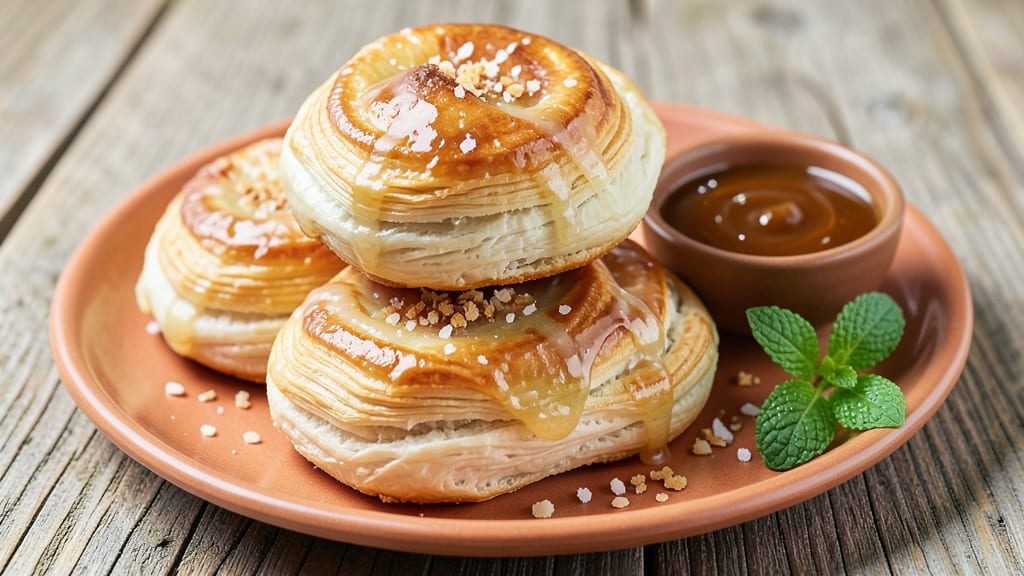
This Easter rolls recipe delivers fluffy, golden buns with a fragrant cinnamon swirl and creamy vanilla filling—perfect for spring celebrations or weekend brunch. 🌸 The secret lies in a precise dough-to-filling ratio that ensures every bite stays tender and never soggy, a technique I perfected after years of testing variations.
Unlike heavier fruit buns, these rolls balance sweetness with a delicate crumb that dissolves on the tongue.
The recipe begins with a simple yeast dough that rises twice for maximum fluffiness, then gets swirled with cinnamon-sugar before baking. While the buns develop a beautiful golden crust, the vanilla cream filling—made with just four ingredients—remains cool and velvety in the center.
This method ensures no one will guess these taste like they came from a bakery, though they’ll certainly fool your guests.
By the time they emerge from the oven, you’ll have warm, aromatic rolls with crackly edges and a tender interior, each one hiding a surprise of sweet vanilla cream. The contrast of warm, spiced dough against cool filling creates a sensory experience that’s both nostalgic and refined.
Serve them fresh with a dusting of powdered sugar or a drizzle of caramel for that final touch of indulgence.
These rolls work equally well for Easter breakfast gatherings, holiday brunches, or even as a comforting dessert any day of the year. The dough can be made ahead and refrigerated overnight, saving you time on busy mornings. Once you try this version, you’ll never settle for store-bought again—they’re that good.
Ingredients for easter rolls
Twelve ingredients. Two rises. Rolls that taste like springtime magic.
| Ingredient | Amount | Notes |
|---|---|---|
| All-Purpose Flour 🌾 | 5 cups | Sifted for light texture |
| Active Dry Yeast 🍞 | 2 ¼ tsp | Or 1 packet instant yeast |
| Granulated Sugar 🍚 | ½ cup | For dough and filling |
| Unsalted Butter 🧈 | ½ cup | Cold, cubed for dough |
| Large Eggs 🥚 | 1 whole | Room temperature |
| Milk 🥛 | ¾ cup | Warm, 110°F |
| Salt 🧂 | 1 tsp | Fine sea salt |
| Ground Cinnamon 🌿 | 2 tbsp | For swirl filling |
| Vanilla Extract 🍯 | 2 tsp | Pure, high-quality |
| Heavy Cream 🥛 | ½ cup | Full-fat for richness |
| Powdered Sugar 🍚 | ¼ cup | For dusting |
| Granulated White Sugar 🍚 | ½ cup | For cinnamon swirl |
The flour and yeast are your holy grail here—King Arthur or Bob's Red Mill flour gives the best rise, but whatever you've got works. Store-brand yeast is fine, but check the expiration date—nothing kills dough faster than dead yeast. Warm the milk to 110°F (like bathwater) and let it sit with the yeast for 5 minutes before adding other ingredients. That's what gets those rolls fluffy. The butter? Cold cubes create pockets of steam during baking, so don't melt it first. I grab Land O'Lakes unsalted for consistency, but any brand works.
No vanilla extract? Vanilla bean paste works too—just use half the amount. Short on heavy cream? Whipped cream cheese mixed with a splash of milk mimics the texture. The cinnamon-sugar mix is non-negotiable though—Trader Joe's pre-mixed saves time, but homemade (equal parts sugar and cinnamon) tastes better. If you're making these ahead, refrigerate the dough overnight—the slow rise deepens the flavor. And for the love of all things holy, don't skip the second rise after shaping. That's what makes them light.
These keep for 3 days at room temperature wrapped in a clean kitchen towel (yes, really), or 1 week refrigerated in an airtight container. Freeze the shaped rolls (before baking) for 3 months—just thaw overnight in the fridge. The filling stays fresh for 2 days in the fridge, so make it fresh if you're serving them the same day. Dust with powdered sugar right before serving—that's the magic touch that makes them look bakery-fresh. Leftovers? Toast them for breakfast—trust me.
Why You'll Love This Recipe
- No-Knead Magic: I swear by this dough—just mix, let it rise, and roll. The yeast does all the work while you sip coffee or fold laundry. No stand mixer, no fuss, just flaky perfection.
- Buttery Sweet Payoff: That sugar in the dough caramelizes just enough to give these rolls a golden crust, while the butter keeps them tender inside. Honestly, the first bite makes me question why I ever bought store-bought.
- Weekday or Holiday Hero: Make a double batch on Sunday—freeze half for lazy mornings or last-minute gatherings. They reheat like a dream, so whether it’s a quiet Tuesday breakfast or Easter brunch with the whole family, you’re covered.
- Pantry Staple Power: Five ingredients, zero specialty items. The flour, yeast, and butter I already have on hand, so this isn’t just a recipe—it’s a budget-friendly lifesaver. Plus, leftovers? Toast them for crispy croutons or sandwiches. Waste not.
Step-by-step instructions for fluffy cinnamon swirl rolls
Here's how to make these light-as-air rolls with perfect swirls and tender layers.
👨🍳 Step 1: Mix the Yeast Dough
In a large bowl, whisk together the 5 cups all-purpose flour, 0.5 cup granulated sugar, and 1 tsp salt. Create a well in the center and add the 2.25 tsp active dry yeast, 1 whole large egg, and 0.75 cup warm milk (about 110°F).
Use a wooden spoon to mix until the dough starts coming together, then turn it out onto a lightly floured surface. Knead for about 8-10 minutes until smooth and elastic. The dough should be slightly tacky but not sticky—add a little more flour if needed. Here's the thing—don't rush this step. Well-kneaded dough makes all the difference in texture.
🥘 Step 2: Make the Cinnamon Filling
While the dough rests, mix together the 0.5 cup granulated white sugar, 2 tbsp ground cinnamon, and 0.25 cup powdered sugar in a small bowl. This is your swirl filling—keep it ready to go. I like to make it ahead so I don't forget it when the dough's ready.
Cut the 0.5 cup unsalted butter into small cubes and let them sit at room temperature for about 10 minutes before using. This makes them easier to work with when you roll them into the dough later. The butter should be soft but not melted—you want it to spread easily but still hold its shape.
🍳 Step 3: Roll and Fill the Dough
Roll the dough into a 12x18-inch rectangle on a floured surface. Spread the softened butter evenly over the entire surface, leaving a ½-inch border around the edges. This butter will create those beautiful flaky layers when baked.
Sprinkle the cinnamon-sugar mixture evenly over the buttered dough, leaving the border clear. Starting from the long side, tightly roll the dough into a log. Here's where it gets fun—use a sharp knife to cut the log into 12 equal pieces. Don't worry if they're not perfect; they'll look great once baked.
⏰ Step 4: Proof and Bake to Golden Perfection
Place the rolls in a greased 9x13-inch baking dish, leaving a little space between them. Cover with a clean kitchen towel and let them rise in a warm place for about 1 hour or until doubled in size. You'll know they're ready when they've puffed up nicely and look plump.
Preheat your oven to 350°F while the rolls rise. Once they're ready, bake for 25-30 minutes until they're golden brown on top. The rolls should smell amazing—like warm cinnamon and vanilla. For extra richness, brush the tops with a mixture of 2 tsp vanilla extract and 0.5 cup heavy cream after baking.
🍽️ Step 5: Serve Warm and Enjoy
Let the rolls cool for 5 minutes before serving. This resting time helps them set and makes them easier to slice. Serve warm with a dusting of powdered sugar and a side of vanilla ice cream for the ultimate treat.
Each roll should have a soft, fluffy interior with layers of buttery goodness and cinnamon swirls throughout. The secret to these rolls is patience—letting the dough rise properly and baking them until golden ensures they'll be light and delicious every time.
Pro Tips For Making Easter Rolls
- Test Your Yeast First: Easter rolls need a lively dough, and nothing’s worse than waiting an hour to realize your yeast is dead. Drop a pinch in warm water with sugar—if it bubbles within 5 minutes, you’re golden. No bubbles? Hit the store for fresh yeast before starting.
- Chill the Butter: Cold butter in the dough makes flaky layers, but if it’s too soft, your rolls turn greasy. Cut the butter into small cubes and freeze them for 10 minutes before mixing—just enough to firm up without making the dough tough.
- Don’t Overwork the Dough: I used to knead like I was punching a bag, but Easter rolls hate that. Stop when the dough is smooth and just slightly sticky—overworking it makes them dense. A quick 5-minute stretch-and-fold on the counter does the trick.
- Roll Even Thickness: Uneven layers = uneven baking. Use a rolling pin to press the dough to a consistent ¼-inch thickness before cutting. A ruler helps—no more dry edges or gummy centers. (Yes, it’s tedious, but it’s worth it.)
Creative variations of easter rolls
Savory Herb & Cheese Twist
Swap the sweet filling for a savory herbed goat cheese and caramelized onion mixture—perfect for Easter brunch. Replace the cinnamon-sugar with 2 tbsp dried thyme, 1 tbsp dried rosemary, and ½ cup grated Gruyère.
Mix 1 cup caramelized onions (cook 2 large onions in 2 tbsp olive oil for 30 minutes on low heat) with 8 oz goat cheese, 2 tbsp cream cheese, and 1 tbsp Dijon mustard.
Roll this into the dough instead of the cinnamon-sugar, then bake as directed. The contrast of warm, herby dough with cool, tangy filling is pure springtime magic. 🌿
Lemon Blueberry Jam Filling
Brighten up your Easter rolls with a zesty lemon-blueberry jam filling that pairs beautifully with the buttery dough. Simmer 1 cup frozen blueberries, ¼ cup lemon juice, 2 tbsp granulated sugar, and 1 tsp lemon zest in a saucepan for 10-12 minutes until thickened.
Let it cool before rolling into the dough. The tartness cuts through the richness, making each bite feel fresh and vibrant. Top with a dusting of powdered sugar and fresh blueberries for extra flair. 🍋
Chocolate Hazelnut Filling
For a decadent twist, create a rich chocolate-hazelnut filling that turns these rolls into a dessert-worthy treat. Melt ½ cup dark chocolate chips with ¼ cup hazelnut butter (or finely chopped toasted hazelnuts mixed with 2 tbsp butter) and 1 tbsp vanilla extract in a double boiler.
Let it cool slightly before spreading it into the dough. The nutty, chocolatey flavor adds depth that balances the sweetness perfectly. Drizzle with melted chocolate after baking for that bakery-finished look. 🍫
Spiced Apple Cider Filling
Celebrate the season with a spiced apple cider filling that adds warmth and depth to your rolls.
Cook 2 cups diced apples with ½ cup apple cider, 2 tbsp brown sugar, 1 tsp cinnamon, and ½ tsp nutmeg until soft and saucy (15 minutes on medium heat). Let it cool before using.
The filling caramelizes slightly when baked, creating pockets of sweet, spiced apple goodness. This variation is especially festive for Easter gatherings. 🍎
Cream Cheese & Raspberry Swirl
Elevate your rolls with a tangy cream cheese and raspberry swirl that adds a sophisticated touch. Mix 8 oz cream cheese, 2 tbsp powdered sugar, and 1 tbsp vanilla extract until smooth, then fold in ½ cup fresh raspberries (or thawed frozen raspberries).
Roll this into the dough and bake as usual. The berries burst with warmth, while the cream cheese keeps the filling luscious. Top with fresh raspberries and a sprinkle of powdered sugar for a restaurant-worthy finish. 🍓
Gluten-Free Almond Flour Dough
For those avoiding gluten, swap the all-purpose flour for a 1:1 gluten-free baking flour blend like Bob's Red Mill or King Arthur. Replace the milk with ¾ cup almond milk and add 1 extra tbsp xanthan gum to the dough for structure.
The almond flour gives a nutty depth that pairs beautifully with the cinnamon-sugar filling. Let the dough rest for 10 minutes after mixing to hydrate fully before rolling. These rolls stay tender and hold their shape beautifully. 🌾
Nutrition facts
Frequently asked questions
Can I make these Easter rolls without yeast?
For a quick version, substitute the yeast dough with 2 cups all-purpose flour, ½ cup melted butter, ½ cup sour cream, 1 egg, ¼ cup sugar, and 1 tsp baking powder. Mix, roll out, add filling, and bake at 350°F for 20-25 minutes. The texture will be denser but still delicious.
How do I store leftover Easter rolls?
Keep them fresh for 3 days at room temperature wrapped in a clean kitchen towel (the towel absorbs moisture better than plastic). For longer storage, refrigerate in an airtight container for up to 1 week or freeze unbaked rolls (wrapped tightly) for 3 months. Thaw overnight in the fridge before baking. The filling stays fresh for 2 days in the fridge—make it fresh if serving same-day.
Why did my rolls turn out dense instead of fluffy?
Dense rolls usually mean the dough didn't rise enough. Check your yeast—it might be old or the milk wasn't warm enough (110°F is key). Also, kneading too little or too much can affect texture. For best results, let the dough rise until it doubles in size (1-2 hours) and don't skip the second rise after shaping. Overcrowding the baking pan can also prevent proper expansion.
Can I make the dough ahead of time?
Yes! The dough can be made 1 day ahead and refrigerated overnight. Let it sit at room temperature for 1 hour before rolling and shaping to make it easier to work with. For even better flavor, let it rise at room temperature for 2 hours before the second rise. This slow fermentation deepens the taste.
What's the best way to reheat cold Easter rolls?
Warm them in a 350°F oven for 8-10 minutes covered with foil to prevent drying. For a crispy top, uncover for the last 2 minutes. Alternatively, use a toaster oven or air fryer at 325°F for 5 minutes. Avoid microwaving—they'll turn rubbery. Reheat just before serving for maximum freshness.