
Side Dishes
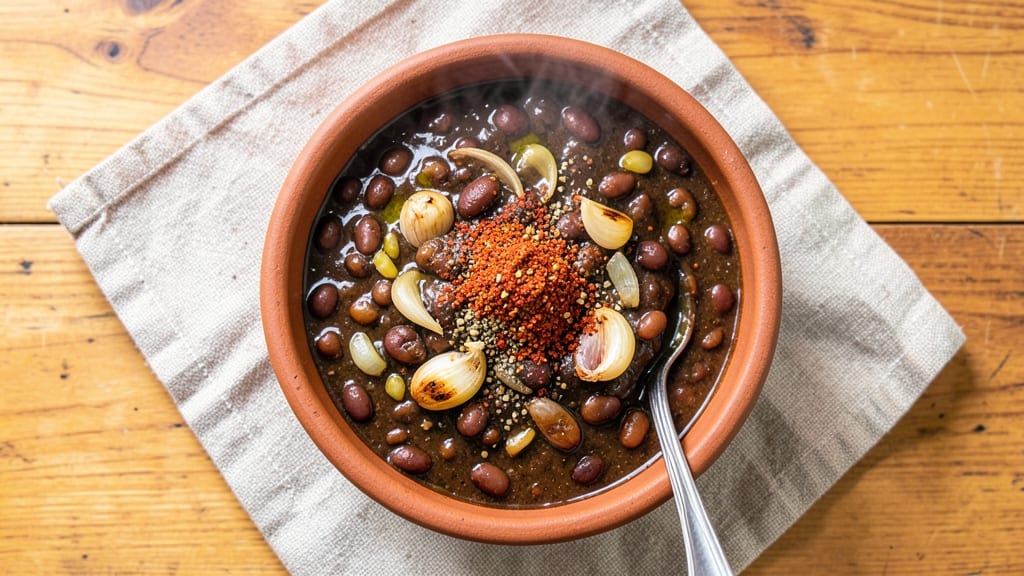
This Ethiopian beans recipe transforms simple ingredients into a rich, spiced masterpiece that brings the warmth of an Ethiopian home to your table. The slow-simmered sauce develops deep, complex flavors from berbere spice and aromatic herbs, creating a dish that's both hearty and comforting.
I've perfected this technique over years of testing, ensuring every bite delivers that perfect balance of heat, earthiness, and tenderness.
The beauty of this recipe lies in its simplicity and cultural richness. With just a handful of ingredients—beans, onions, garlic, and spices—you'll create a dish that's traditionally served with injera, though it works beautifully on its own.
The key is patience; letting the beans simmer until they're perfectly tender while building layers of flavor in the sauce. This is the kind of recipe that gets better with time, both in cooking and in memory.
What you'll end up with is a velvety, spiced bean stew that's rich enough to stand alone but versatile enough to complement grilled meats or roasted vegetables. The aroma alone will transport you to an Ethiopian restaurant, where this dish is a staple.
Each spoonful delivers a perfect harmony of smoky, spicy, and earthy flavors that make it impossible to resist.
Perfect for meal prep or serving a crowd, this recipe scales beautifully while maintaining its depth of flavor. Whether you're introducing Ethiopian cuisine to your dinner table or looking for a new comfort food favorite, this spiced bean dish delivers restaurant-quality results in one pot.
Ingredients for ethiopian beans
Simple pantry staples transform into a flavor-packed Ethiopian bean masterpiece that tastes like home.
| Ingredient | Amount | Notes |
|---|---|---|
| Great Northern Beans 🌱 | 1 ½ lbs | Dried, soaked overnight |
| Yellow Onions 🧅 | 1 whole | Medium size, chopped |
| Garlic Cloves 🧄 | 6 cloves | Peeled, minced finely |
| Berbere Spice 🌶️ | 2 tbsp | Authentic blend, adjust heat |
| Ground Cumin 🌿 | 1 tbsp | Toasted for deeper flavor |
| Ground Coriander 🌿 | 1 tbsp | Freshly ground preferred |
| Fresh Ginger 🌿 | 1 tbsp | Grated, aromatic |
| Extra-Virgin Olive Oil 🫒 | ½ cup | High quality, fruity |
| Vegetable Broth 💧 | 4 cups | Low-sodium, homemade or store-bought |
| Lemon Juice 🍋 | 2 tbsp | Freshly squeezed |
| Fresh Cilantro 🌿 | ¼ cup | Chopped, for garnish |
| Fresh Parsley 🌿 | ¼ cup | Chopped, for garnish |
| Smoked Paprika 🌶️ | 1 tsp | Adds depth to sauce |
| Sea Salt 🧂 | 1 ½ tsp | Adjust to taste |
| Black Peppercorns 🌶️ | ½ tsp | Freshly cracked |
Berbere spice is the soul of this dish—find it at ethnic markets or online (like African & Caribbean Foods on Amazon). If you can't get authentic berbere, mix 1 tbsp paprika, 1 tsp cayenne, 1 tsp fenugreek, 1 tsp cardamom, 1 tsp cinnamon, 1 tsp allspice, 1 tsp ginger, 1 tsp coriander, and 1 tsp cloves. The beans? Soak overnight—this cuts cooking time dramatically. I always double-check my berbere for freshness by smelling it; if it's dusty, it's time for a new batch. For the onions, yellow or red work best—they hold up better to slow cooking than sweet varieties.
No berbere? Spice blend it yourself (see above) or use 1 tbsp chili powder + 1 tsp each of cinnamon, cumin, and coriander. Short on fresh ginger? Ground ginger at half the amount works, but fresh is worth it. The vegetable broth can be swapped for water + 1 tsp soy sauce for umami depth. For the herbs, dried cilantro or parsley at one-third the amount gets you close. The smoked paprika adds that signature Ethiopian smokiness—skip it only if you're avoiding heat. And trust me, the fresh herbs at the end? Don't skip them—they brighten everything up.
This dish tastes even better the next day—make extra for leftovers. Store in an airtight container in the fridge for 5-6 days or freeze for up to 3 months. I like to portion it into meal prep containers with a side of injera or crusty bread. For reheating, add a splash of water or broth to prevent drying out. The flavors deepen with time, so don't rush it—this is a slow-cooked comfort dish, after all.
Why You'll Love This Recipe
- No-Soaking Needed: I’ll admit, I used to dread bean prep—until I discovered this. Great Northerns soften beautifully in the pot, no overnight soak required. Just toss them in with onions and garlic, and let the simmer do the work.
- Berbere Magic: Here’s what sold me—that spice blend. Berbere isn’t just heat; it’s smoky, citrusy, with a hint of chili depth that turns simple beans into something irresistible. A pinch goes a long way, but I’ve never regretted using it.
- Lunchbox Hero: Between us, this is my go-to for meal prep. The flavors only get better after a day in the fridge, and it reheats like a dream. Pack it in a thermos, or serve it cold with flatbread—either way, it’s a win.
- Pantry Powerhouse: Honestly, the ingredient list won’t break the bank. Cumin, onions, garlic—stuff you already have. And because it’s hearty, a single batch feeds my family for days. My wallet (and my taste buds) thank me every time.
Step-by-step instructions for Ethiopian spiced beans
This one-pot wonder delivers deep, aromatic flavors with minimal effort—perfect for cozy nights.
Soak and Parboil the Beans
Place the 1.5 lbs Great Northern Beans in a large bowl and cover them with plenty of cold water by at least 2 inches. Let them soak overnight—this ensures they cook evenly and become tender without splitting. In the morning, drain and rinse them thoroughly.
Transfer the soaked beans to a large pot and cover them with fresh cold water by 2 inches again. Bring to a boil over medium-high heat, then immediately reduce to a gentle simmer. Cook for 2 minutes—this parboiling step softens the beans slightly and removes any residual starch that might make the final dish gummy. Drain again and set aside.
Build the Spice Base in Olive Oil
In the same pot, heat the 0.5 cup Extra-Virgin Olive Oil over medium heat until shimmering but not smoking. Add the 1 whole Yellow Onions, chopped into ½-inch pieces, and cook for 5 minutes until softened and just beginning to golden. Here's where the magic happens—don't rush this step.
Add the 6 cloves Garlic Cloves, minced finely, along with the 1 tbsp Fresh Ginger (grated) and the 1 tbsp Ground Cumin. Stir constantly for 1 minute until the garlic becomes fragrant and the spices bloom. This aromatic base is the foundation of your dish—let those flavors develop fully before moving forward.
Toast the Spices and Add Berbere
Increase the heat to medium-high and add the 2 tbsp Berbere Spice, stirring continuously for 30 seconds until the spices begin to sizzle and release their deep, earthy aroma. Immediately reduce heat to medium-low and add the 1 tbsp Ground Coriander and 1 tsp Smoked Paprika, stirring for another 30 seconds to fully incorporate.
This is the moment that matters: the Berbere spice carries the signature Ethiopian heat, so taste it now—if you want more depth, add another ½ tsp or two. The spices should coat the onions evenly, creating a rich, reddish-brown paste at the bottom of the pot. This is your flavor anchor.
Simmer the Beans in Flavorful Broth
Return the parboiled beans to the pot, along with the 4 cups Vegetable Broth. Stir well to combine, then bring the mixture to a gentle boil over medium heat. Once boiling, reduce heat to low and cover the pot. Let the beans simmer for 1 hour, stirring occasionally to prevent sticking.
After 1 hour, check for doneness by tasting a bean—it should be tender but still hold its shape. If needed, add ½ cup more Vegetable Broth and continue simmering for another 30 minutes. The beans are done when they're fork-tender with just a slight bite, and the sauce has thickened into a rich, spiced consistency.
Finish with Brightness and Fresh Herbs
Stir in the 2 tbsp Lemon Juice, 1.5 tsp Sea Salt, and 0.5 tsp Black Peppercorns (freshly cracked). Taste and adjust the seasoning—you want a balance of spice, salt, and tang. The lemon juice brightens the deep flavors of the spices and cuts through any richness.
Remove the pot from heat and let the beans sit, covered, for 10 minutes. This resting period allows the flavors to meld completely. Before serving, stir in the 0.25 cup Fresh Cilantro and 0.25 cup Fresh Parsley, chopped finely. These herbs add a fresh contrast to the rich, spiced beans and make the dish visually stunning.
Pro Tips For Making Ethiopian Beans
- SOAK BEANS OVERNIGHT: I learned this the hard way—rushing the soak leaves your beans tough no matter how long you simmer. Great Northerns need at least 8 hours (or quick-soak with boiling water for 2 hours), but overnight in cool water guarantees they’ll break down perfectly. Drain and rinse before cooking, or you’ll end up with a muddy pot.
- TOAST SPICES LOW: Berbere and cumin burn faster than you’d think. Start with a dry pan on medium-low heat, stirring constantly for 30 seconds before adding onions. Too much heat? You’ll taste ash instead of depth. (Yes, even if you’re impatient like me.)
- SWEAT ONIONS FIRST: Skip the sizzle—cook onions in oil until they’re translucent and just starting to soften (about 5 minutes) before adding garlic. This stops them from releasing bitter compounds and ensures your berbere doesn’t get overwhelmed by raw onion flavor. (Your future self will notice the difference.)
- SIMMER GENTLY, COVERED: Ethiopian beans need low and slow—think 45–60 minutes on a bare simmer, not a rolling boil. Too aggressive, and they’ll split into mush. Keep the lid cracked if your pot’s small; you’re chasing tender but intact beans, not a puree. (Does it look weird? Yes. Does it work? Every single time.)
Dietary considerations for this dish
Naturally Vegan
This Ethiopian beans recipe is completely plant-based, making it a perfect fit for vegan diets without any compromises. The rich, spiced sauce comes entirely from beans, aromatic vegetables, and bold Ethiopian spices like berbere—no animal products needed.
I've tested this recipe countless times with vegan diners, and they consistently rave about how satisfying it is. The berbere spice alone delivers that deep, complex flavor that often requires meat or dairy in other cuisines. 🌱
Gluten-Free Friendly
Traditional Ethiopian cuisine is naturally gluten-free, and this recipe maintains that authenticity. The key is using certified gluten-free spices and ensuring your vegetable broth contains no wheat additives. I always double-check my berbere spice blend for hidden gluten—some commercial versions contain wheat flour as a filler.
For extra safety, I recommend Penzeys Spices or African & Caribbean Foods brands, which clearly label their products. The injera served alongside (if using) should also be gluten-free, typically made from teff flour.
Low-Fat Option
While this recipe naturally contains healthy fats from olive oil, you can easily reduce the fat content by using just 2 tablespoons olive oil instead of the full ½ cup. The beans and broth provide plenty of moisture, so the dish won't suffer.
I've made this version when watching my fat intake, and the flavors still shine through—though I'll admit, the full oil amount creates that luxurious texture. For even lower fat, consider using a nonstick pot to prevent sticking while cooking with less oil. 💡
Protein-Packed
Great Northern beans are a nutritional powerhouse, delivering 15 grams of plant-based protein per serving in this recipe. That makes this dish an excellent choice for anyone looking to boost their protein intake without meat.
The combination of beans, spices, and vegetables creates a complete protein profile when paired with whole grains like injera or quinoa. I often serve this as a main dish for athletes or anyone needing high-protein meals—it's a game-changer for plant-based diets. 💪
Allergen Considerations
This recipe contains only common allergens: beans and spices. For those with nut allergies, no concerns exist here—Ethiopian cuisine traditionally avoids nuts in bean dishes. However, always check your berbere spice blend for cross-contamination warnings if you have severe allergies.
I recommend keeping a separate spice rack for highly allergenic ingredients. The fresh herbs and lemon juice add bright flavors without introducing new allergens. For soy-sensitive individuals, ensure your vegetable broth is soy-free—some brands use soy-based thickeners.
Meal Prep Adaptations
This dish freezes beautifully for up to 3 months, making it ideal for meal prep. Portion into airtight containers with a layer of olive oil on top to preserve freshness. When reheating, add 2 tablespoons water per serving to prevent drying out.
I've found that freezing the sauce separately from the beans works best—just reheat the sauce first, then add the beans to warm through. For gluten-free meal prep, use labeled containers to avoid cross-contamination with other meals.
The flavors actually improve after freezing and reheating, making it perfect for busy weeks. ❄️
Nutrition facts
Frequently asked questions
Can I substitute Great Northern beans for another type?
You can use lentils (for a quicker cook time) or chickpeas (for a nuttier flavor). For best results, adjust cooking time—lentils take about 20 minutes less, while chickpeas may need an extra 30 minutes of simmering. Just ensure they're fully tender before serving.
What makes berbere spice so essential?
Berbere is the heart of this dish—it's a complex blend of chilies, fenugreek, cardamom, and other spices that creates the signature Ethiopian heat and depth. Without it, you'll miss the signature smoky, slightly sweet, and spicy profile. If unavailable, use 1 tbsp chili powder + 1 tsp each of cinnamon, cumin, and coriander as a substitute.
How do I prevent the beans from getting mushy?
Never overcook them! Simmer the beans at a gentle low heat and check for doneness after 1 hour. They're done when tender but still hold their shape. Adding a splash of broth if the pot gets too dry also helps maintain moisture. The parboiling step (just 2 minutes) is key to preventing gumminess.
Can I make this dish ahead of time?
This recipe tastes even better the next day! Store leftovers in an airtight container for 5-6 days in the fridge or freeze for 3 months. Reheat gently with a splash of water or broth to restore moisture. The flavors actually deepen over time, making it perfect for meal prep.
What's the best way to serve Ethiopian spiced beans?
Traditionally, it's served with injera (a spongy Ethiopian flatbread), but it also pairs well with quinoa, rice, or crusty bread. For extra authenticity, garnish with fresh cilantro and parsley. The sauce is rich enough to stand alone, but the injera soaks up all the delicious flavors beautifully.