
Side Dishes
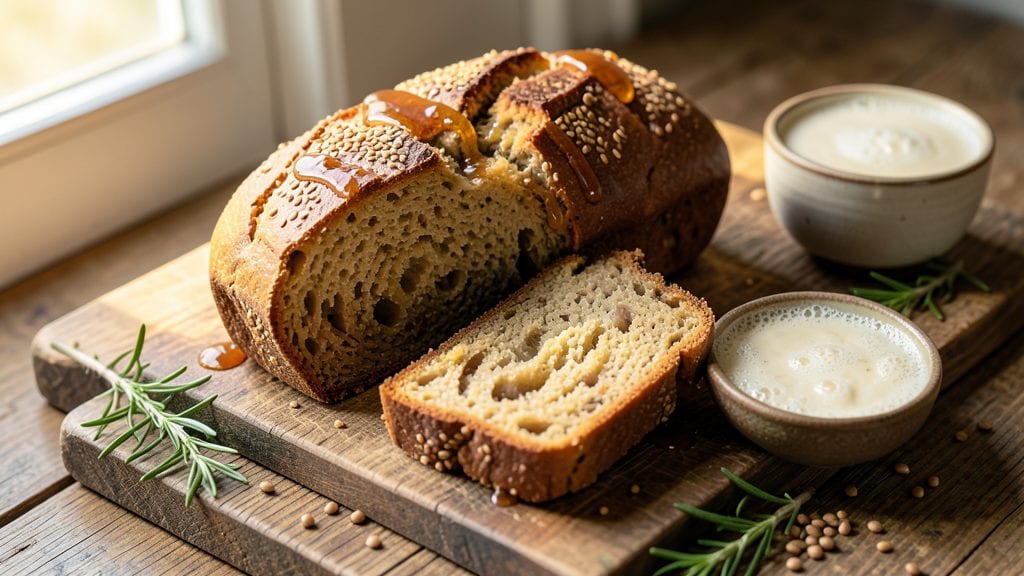
Fermented buckwheat bread delivers a probiotic-rich, nutty loaf that’s gluten-free and packed with digestive benefits—this recipe balances traditional sourdough methods with modern convenience. The fermentation process unlocks deep flavor while creating a dense, chewy crumb with a crisp crust.
Unlike standard bread, buckwheat’s earthy notes shine when fermented properly, making every slice worth the effort.
This method uses a natural starter for authentic probiotics, though commercial yeast works for quicker results. The dough’s high hydration creates a sticky, elastic texture that develops complex flavors over 24-48 hours of fermentation.
Whether you’re baking for gut health or simply craving a heartier loaf, the slow rise transforms buckwheat’s natural bitterness into rich, caramelized sweetness.
Baking at 425°F with steam ensures a golden crust while keeping the interior tender. The bread’s nutty aroma fills your kitchen, signaling a loaf that’s both nutritious and deeply satisfying.
Perfect for sandwiches, toast, or serving alongside soups, this recipe proves fermented buckwheat bread belongs in any professional or home kitchen.
For best results, let the dough rest overnight—this patience pays off with a loaf that’s lighter, more flavorful, and easier to digest. The crust develops a satisfying crunch while the interior stays moist and chewy, balancing texture perfectly.
Ready to bake bread that’s as good for you as it is delicious?
Ingredients for fermented buckwheat bread
Fermented buckwheat bread requires precise ingredients to balance earthy flavors and probiotic benefits.
| Ingredient | Amount | Notes |
|---|---|---|
| Buckwheat Flour 🌾 | 3 cups | Stone-ground preferred for texture |
| White Whole Wheat Flour 🌾 | 1 cup | Adds structure without gluten |
| Active Dry Yeast 🍞 | ¼ oz | Or 2.25g for precise measurement |
| Filtered Water 💧 | 2 ¼ cups | Room temperature for hydration |
| Organic Apple Cider Vinegar 🍎 | 1 tbsp | For starter acidity balance |
| Raw Honey Substitute 🍯 | 1 tbsp | Maple syrup for vegan fermentation |
| Diamond Crystal Kosher Salt 🧂 | 1 ½ tsp | Fine grain for even distribution |
| Extra-Virgin Olive Oil 🫒 | 2 tbsp | For dough elasticity and crust |
| Ground Flaxseed 🌱 | 1 tbsp | Mixed with water for egg binder |
| Ice Water ❄️ | ¼ cup | For final dough temperature |
| Cornmeal 🌽 | ½ cup | For dusting and crust texture |
| Sesame Seeds 🌻 | 1 tbsp | Optional for decorative crust |
The buckwheat flour is non-negotiable—Bob's Red Mill stone-ground variety delivers optimal texture. White whole wheat flour provides structural integrity without gluten dominance. For the starter, Bob's Red Mill active dry yeast works reliably, though Red Star is preferred by professional bakers. The apple cider vinegar should be organic and unfiltered to preserve beneficial microbes. Whole Foods bulk bins offer the best quality for both flours and vinegar. Always check expiration dates on yeast—freshness directly impacts fermentation vigor. The flaxseed binder must be freshly ground to maximize gel formation, so Barlean's organic flaxseed is ideal for this purpose.
Substitutions require careful consideration. Millet flour can replace up to 25% of buckwheat for milder flavor, though texture will differ. For the honey substitute, agave nectar works equally well but may slightly alter fermentation timing. The olive oil can be swapped for avocado oil at the same quantity, though flavor nuances will change. If using commercial yeast, reduce fermentation time by 25-30%—monitor closely as overproofing is common with buckwheat's high hydration. The cornmeal can be omitted if unavailable, though it contributes to crust development. For sesame seeds, poppy seeds provide a similar aesthetic without flavor impact.
All dry ingredients should be stored in airtight containers in a cool, dark pantry for up to 6 months. The yeast maintains viability for 4 months when refrigerated. Prepared dough can be refrigerated for 24 hours before baking, though flavor development will be less pronounced. For long-term storage, the baked loaf keeps well wrapped at room temperature for 5 days or frozen for 3 months. The starter culture can be maintained indefinitely with weekly feedings of equal parts flour and water. Always use stainless steel or glass bowls for fermentation to prevent flavor transfer from plastic containers.
Why You'll Love This Recipe
- No-Knead Magic: I swear by this—just mix, wait, and bake. The vinegar and yeast team up to do all the heavy lifting while you sip coffee. Honestly, my dough never sees a mixer.
- Earthy Crunch Delight: That buckwheat flour? It’s the star—nutty, robust, and just slightly chewy. The whole wheat keeps it hearty, but the vinegar adds this bright tang that makes every bite feel special.
- Lunchbox Legend: Between us, this bread is my go-to for sandwiches, toast, or even crusty sides. The fermentation keeps it fresh for days, and the kids actually ask for it in their lunches. (Yes, even on a Tuesday.)
- Budget-Friendly Staple: Buckwheat flour is affordable, and a batch lasts forever. Freeze slices for quick toast or meal prep—no waste, just flavor. My wallet and my freezer thank me weekly.
Step-by-step instructions for fermented buckwheat bread
Precision timing and technique create the ideal balance of tangy fermentation and nutty depth.
Prepare the Fermentation Starter
In a clean glass jar, combine the 2.25 cups filtered water, 1 tbsp organic apple cider vinegar, 1 tbsp raw honey substitute, and 0.25 oz active dry yeast. Stir until the yeast fully dissolves and the mixture becomes uniform. Here's the thing—this starter needs to activate properly, so let it sit at room temperature for 12-16 hours until you see visible bubbles and a slightly foamy texture.
After the initial fermentation, add the 3 cups buckwheat flour and 1 cup white whole wheat flour to the jar. Mix thoroughly with a wooden spoon until no dry spots remain. The dough will be thick and shaggy at this stage. Cover the jar loosely with a cloth and let it ferment at room temperature for 8-12 hours, or until it has nearly doubled in volume and developed a tangy aroma. This extended fermentation creates the probiotic-rich crust and nutty depth characteristic of this bread.
Develop the Dough and Add Binders
Transfer the fermented starter to a large mixing bowl. Add the 2 tbsp extra-virgin olive oil, 1.5 tsp diamond crystal kosher salt, and 1 tbsp ground flaxseed. Mix these ingredients into the starter using a dough whisk or your hands until fully incorporated. The flaxseed will create a natural binder, improving the dough's elasticity without relying on eggs.
Gradually add the 0.25 cup ice water while mixing. The ice water helps control the final dough temperature and prevents overproofing. Knead the dough gently by hand for 5-7 minutes until it becomes cohesive and smooth. You'll notice it's stickier than traditional bread dough due to the high buckwheat content—this is normal. If the dough feels too stiff, add 1 tablespoon of filtered water at a time until it reaches a soft, pliable consistency.
Bulk Ferment and Shape
Cover the bowl with a damp towel and let the dough bulk ferment at room temperature for 4-6 hours, or until it has risen by about 50%. During this time, perform two sets of stretch-and-folds: after 1 hour and again after 3 hours. To do this, wet your hands, grab one side of the dough, stretch it upward, and fold it over itself. Rotate the bowl and repeat this process on all sides. This step develops gluten structure without overworking the dough.
Once the dough has risen sufficiently, turn it out onto a lightly floured surface dusted with 0.5 cup cornmeal. Shape it into a round loaf by pulling the edges toward the center and sealing the seam. Place the shaped dough seam-side down in a lightly oiled proofing basket or bowl. Cover and let it proof for 1-2 hours, or until it has risen to just above the rim of the basket. The dough should spring back slowly when gently pressed—this indicates it's ready for baking.
Bake for Crispy Crust and Open Crumb
Preheat your oven to 425°F with a Dutch oven or heavy baking stone inside for at least 30 minutes. This high heat creates the signature crispy crust. Once preheated, carefully transfer the dough (still in its proofing basket) to the Dutch oven. If you don't have a Dutch oven, place the dough directly on the baking stone.
Bake the bread for 35-40 minutes, then remove the lid (if using a Dutch oven) and continue baking for an additional 10-15 minutes until the crust is deep golden brown and the internal temperature reaches 205°F. Tap the bottom of the loaf—it should sound hollow. If the crust isn't dark enough after 40 minutes, return it to the oven for 5-10 minutes to achieve that perfect crunch.
Cool and Finish
Remove the bread from the oven and transfer it to a wire rack. Let it cool completely for at least 2 hours before slicing. This resting period allows the internal structure to set and prevents a gummy texture. Once cooled, brush the top with a little filtered water and sprinkle with 1 tbsp sesame seeds for added texture and visual appeal.
The finished loaf should have a thick, crackly crust with an open, airy crumb. Each slice should reveal a nutty depth from the buckwheat and a subtle tang from the fermentation. Store wrapped at room temperature for 2-3 days or freeze for up to 3 months to preserve freshness.
Pro Tips For Making Fermented Buckwheat Bread
- Mix the Vinegar First: Stir the apple cider vinegar into the water before adding yeast—this lowers the pH just enough to give your starter a head start. I used to add it later, and my buckwheat dough always fought me during fermentation. The acid also helps break down the tougher buckwheat proteins, making the final crumb lighter.
- Autolyse for 30 Minutes: Mix just the flours and water (no yeast or vinegar yet), then let the dough rest under a damp towel for 30 minutes. This step hydrates the buckwheat properly and develops gluten without overworking it—critical since buckwheat flour can get gummy if rushed. (Yes, even if you’re impatient like me.)
- Skip the Overproofing: Buckwheat bread ferments fast—check for doneness by doing the "poke test" (press a finger gently; if it springs back slowly, it’s ready). I’ve ruined batches by letting them proof too long, turning the crumb dense and the flavor sour. For this recipe, aim for 4–5 hours total fermentation at room temp.
- Use a Dutch Oven: Bake in a preheated Dutch oven with the lid on for 20 minutes, then remove it for the final 10–15 minutes. The steam mimics a professional oven’s humidity, giving you a crisp crust without burning the buckwheat’s earthy notes. (Your future self will thank you for not skipping this.)
Perfect pairings for this dish
Probiotic Toppings
Pair your fermented buckwheat bread with kimchi or sauerkraut to double the probiotic benefits. The tangy, spicy kick of kimchi (about ½ cup) complements the bread’s nutty depth while adding crunch.
For a milder option, raw sauerkraut (about ¼ cup) with a drizzle of extra-virgin olive oil enhances fermentation flavors. Both toppings should be added fresh to preserve their live cultures. 💪
Nutty Spreads
Spread almond butter or cashew cream on toasted slices for a rich, creamy contrast. I recommend Justin’s Classic Almond Butter (about 2 tbsp) for its smooth texture and natural sweetness.
For a savory twist, try tahini mixed with lemon juice and garlic—this Mediterranean-inspired pairing balances the bread’s earthiness. Add a sprinkle of flaky sea salt to elevate the flavors. ✨
Herb-Focused Salads
A mixed greens salad with arugula, radicchio, and shaved fennel provides a peppery, crisp counterpoint. Toss with a lemon-olive oil dressing (about 1 tbsp each) and top with toasted walnuts (about 2 tbsp) for crunch.
The bitterness of radicchio cuts through the bread’s richness, while fennel adds a subtle anise note. 🥗
Savory Pairings
Serve with roasted root vegetables like carrots, parsnips, and beets (tossed in olive oil and roasted at 400°F for 30 minutes). Their caramelized sweetness pairs beautifully with the bread’s tangy crust.
For a protein boost, add grilled tempeh (marinated in soy sauce and maple syrup)—the smoky flavor bridges the gap between the bread and vegetables. 🌱
Sweet Contrasts
Top slices with mashed banana and cinnamon for a naturally sweet breakfast option. The bread’s chewy texture contrasts perfectly with the fruit’s creaminess.
For a more decadent pairing, spread dark chocolate hummus (blend 1 cup chickpeas, 2 tbsp cocoa powder, 1 tbsp tahini, and 1 tbsp maple syrup) and drizzle with honey. The bitterness of the chocolate and cocoa harmonizes with the bread’s nutty undertones. 🍯
Beverage Matchups
Pair with chilled hibiscus tea (steep 1 tbsp dried hibiscus in 1 cup boiling water for 10 minutes) for a tart, floral contrast. For coffee lovers, a cold brew with oat milk and a dash of cinnamon complements the bread’s earthy notes.
Avoid heavy cream-based drinks—they can overpower the bread’s delicate fermentation tang. 🍵
Nutrition facts
Frequently asked questions
Why does fermented buckwheat bread have a longer fermentation time than regular bread?
Buckwheat's high protein content and natural bitterness require extended fermentation (typically 24-48 hours) to break down complex flavors and develop probiotic cultures. The longer rest period also improves digestibility by predigesting gluten-like proteins. Think of it as a flavor and texture upgrade—patience creates that signature nutty depth and tangy crust.
Can I substitute buckwheat flour with other gluten-free flours?
You can replace up to 50% with millet or sorghum flour, but expect a milder flavor and different texture. Buckwheat's unique earthy notes are irreplaceable for authentic results. For a lighter crumb, add 1 tbsp psyllium husk powder to improve structure. Always adjust hydration—buckwheat absorbs more water than most flours.
What's the best way to store fermented buckwheat bread to maintain freshness?
Wrap the cooled loaf tightly in beeswax wrap or aluminum foil, then store at room temperature for 2-3 days. For longer storage, freeze sliced bread in a sealed bag for up to 3 months. The fermentation process actually preserves freshness better than regular bread—just avoid plastic containers that trap moisture.
How do I know when the dough is properly fermented?
Look for these signs: the dough should rise by 50%, have visible bubbles, and emit a tangy aroma. Press gently—if it springs back slowly (not immediately), it's ready. Overproofing happens quickly with buckwheat; if the dough collapses or smells overly sour, reduce fermentation time by 1-2 hours next time.
Can I make this bread without a Dutch oven?
Use a heavy baking stone or steel pan with a water tray on the lower rack to create steam. Place the dough directly on the stone and bake at 425°F for 40-45 minutes. For extra crust development, spray with water after 20 minutes. The texture will differ slightly but still deliver great flavor.