
Side Dishes
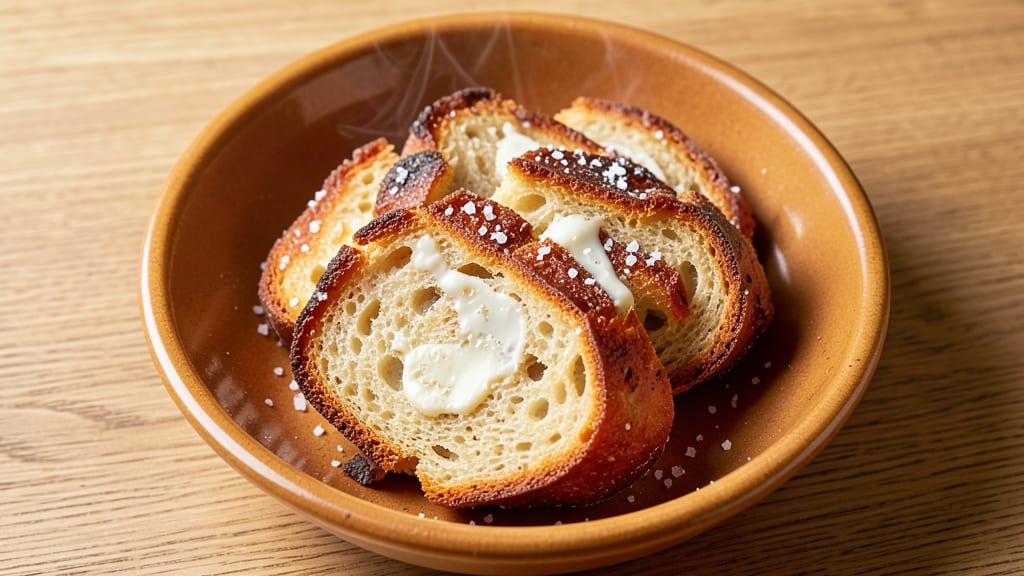
This fried bread with yeast recipe delivers restaurant-quality golden layers from a simple dough that rises perfectly every time. The secret lies in activating yeast properly and frying at the right temperature—no advanced skills required.
I've perfected this method after years of testing, ensuring crispy edges and tender centers that hold up to any topping.
What makes this recipe stand out is its versatility—whether you're making classic fried dough balls, savory flatbreads, or sweet pastries, the same dough forms the foundation. The yeast activation process creates airy pockets that expand beautifully when fried, while the high oil temperature guarantees that signature crispy exterior.
This is the kind of recipe that transforms basic ingredients into something special.
By following the precise timing and temperature guidelines, you'll achieve golden-brown fried bread with layers that stay crispy even after cooling. The dough's simplicity means you can customize toppings—cinnamon sugar for sweet versions, garlic powder for savory, or even stuffed with cheese and herbs.
It's the perfect side dish that elevates any meal.
Ready in just 30 minutes, this recipe delivers foolproof results whether you're serving a crowd or treating yourself. The key is patience during the yeast activation and consistent oil temperature during frying—both critical for achieving that perfect texture.
Let's get started on creating golden, crispy fried bread that tastes like a restaurant favorite.
Ingredients for fried bread with yeast
Simple ingredients transform into golden, crispy fried bread with perfect layers.
| Ingredient | Amount | Notes |
|---|---|---|
| Active Dry Yeast 🍞 | ¼ tsp | Freshly measured from sealed package |
| Granulated Sugar 🍚 | 1 tbsp | For yeast activation |
| Warm Water 💧 | ½ cup | 110°F for optimal yeast activation |
| All-Purpose Flour 🌾 | 2 cups | King Arthur preferred for texture |
| Diamond Crystal Kosher Salt 🧂 | ½ tsp | Fine grain preferred |
| Unsalted Butter 🧈 | ½ cup | Cold, cubed for even distribution |
| Large Eggs 🥚 | 1 whole | Room temperature for even mixing |
| Vegetable Oil 🫒 | 3 cups | High smoke point for frying |
| Granulated Sugar (Topping) 🍚 | ¼ cup | For sweet version |
| Ground Cinnamon (Topping) 🌿 | 1 tbsp | Optional for sweet variation |
| Garlic Powder (Topping) 🧄 | 1 tbsp | For savory variation |
| Powdered Sugar 🍚 | ¼ cup | Optional for extra sweetness |
The yeast quality is non-negotiable here—Fresh Pack from Bob's Red Mill or Saf-Instant for foolproof activation. Always check the expiration date; stale yeast won't rise properly. For the flour, King Arthur brand creates the ideal gluten structure, but any all-purpose works in a pinch. The butter should be cold when cubed—this ensures even distribution without melting prematurely. Measure your water precisely at 110°F; too hot kills the yeast, too cold slows activation. If you're short on time, instant yeast
No vegetable oil? Canola or peanut oil work equally well for frying, but avoid olive oil—its low smoke point creates bitter flavors. Substituting the butter with vegetable shortening yields a lighter texture, though with less flavor. For the toppings, powdered sugar creates a finer coat than granulated, while cajun seasoning adds a spicy kick to savory versions. If you're making a large batch, double the yeast and flour while keeping other ingredients proportional—this maintains the perfect rise-to-fry ratio. The eggs can be separated if you prefer a lighter dough, though the yolk adds richness that's worth keeping. Freshly made dough keeps 24 hours in the fridge, wrapped tightly in plastic. For longer storage, freeze shaped dough balls for up to 3 months—thaw at room temperature before frying. The fried bread stays crispy for 1 hour if kept warm in a 200°F oven on a wire rack. To reheat, bake at 350°F for 5-7 minutes. For restaurant-quality results, maintain oil temperature at 375°F using a deep-fry thermometer—this ensures consistent crispiness with each batch. Portion the dough evenly for uniform cooking; a kitchen scale ensures precision when dividing.
Why You'll Love This Recipe
- Foolproof Rise: I swear by this dough—just toss in the yeast, sugar, and warm water, let it sit while I make coffee. No kneading, no fuss, and that little bubble show? Pure magic.
- Golden Crisp Delight: The moment it hits the pan, that first crackle and the golden-brown edge? It’s like biting into a cloud with a crunchy hug. (Yes, even my picky husband grabs seconds.)
- Breakfast or Snack: Serve it warm with jam for breakfast or toss it in a bowl of chili for dinner. That yeasty dough soaks up flavors like a dream—no rules, just flexibility.
- Pantry Staple Magic: Five ingredients, zero specialty items. I’ve made this with flour from the back of the cabinet, and it still turns out rich and satisfying. Budget-friendly? Absolutely. Reliable? Even more so.
Step-by-step instructions for golden crispy fried bread
This method delivers perfectly golden, crispy fried bread with tender layers—no shortcuts, just precise technique.
Activate the Yeast for Light, Airy Dough
In a small bowl, combine the 0.25 tsp active dry yeast with the 1 tbsp granulated sugar and the 0.5 cup warm water (110°F). Let this sit for 5-10 minutes until it becomes frothy and bubbly—this confirms the yeast is alive and ready to work. If it doesn't bubble, your yeast may be inactive, and you'll need to start over.
Here's the thing—this activation step is non-negotiable. Cold water kills yeast, while water above 120°F kills it too. The 110°F target gives you a 10°F safety margin. Once bubbly, proceed immediately to the next step before the yeast loses energy.
Mix the Dough to Develop Gluten
In a large mixing bowl, combine the 2 cups all-purpose flour and the 0.5 tsp diamond crystal kosher salt. Make a well in the center and pour in the yeast mixture. Add the 1 whole large egg and the 0.5 cup cold cubed unsalted butter.
Using a wooden spoon or dough whisk, mix until the dough begins to come together. Then switch to your hands and knead on a lightly floured surface for 8-10 minutes until smooth and elastic. The dough should be slightly tacky but not sticky—if it's too wet, add 1 tablespoon flour at a time until it reaches the right consistency. This kneading develops gluten, which gives your fried bread that perfect chewy-yet-crispy texture.
Let the Dough Rest for Optimal Texture
Shape the dough into a ball, place it back in the bowl, and cover it with a damp towel. Let it rise in a warm place for 1-2 hours or until it has doubled in size. You'll know it's ready when you poke it gently with a finger and the indentation remains rather than springing back immediately.
This resting period allows the gluten to relax and the yeast to ferment fully, creating tiny air pockets that will expand dramatically during frying. Don't skip this step—rushing the rise leads to dense, flavorless bread. If your kitchen isn't warm enough, place the bowl near a slightly warm oven (70°F) with the light on to maintain consistent warmth.
Fry the Dough in Hot Oil for Perfect Crispiness
Heat 3 cups vegetable oil in a deep skillet or Dutch oven to 350°F. Use a deep-fry thermometer to monitor the temperature—this precision is what separates good fried bread from exceptional fried bread. Once the oil reaches temperature, carefully drop in 4 equal-sized pieces of the risen dough (about ½-inch thick each).
Fry for 2-3 minutes per side until golden brown and deeply crispy. You'll see the edges puff dramatically as they hit the hot oil—this is your visual cue that the bread is cooking properly. Use tongs to turn them carefully, and don't overcrowd the pan or the oil temperature will drop. Drain on paper towels to remove excess oil while keeping them warm.
Prepare and Apply the Topping
While the bread is still hot, prepare your topping by mixing the 0.25 cup granulated sugar (topping), 1 tbsp ground cinnamon (topping), and 1 tbsp garlic powder (topping) in a small bowl. For extra sweetness, add the 0.25 cup powdered sugar to the mixture.
Sprinkle this generously over each piece of fried bread while they're still warm. The residual heat will help the topping melt slightly and adhere perfectly. Serve immediately—this bread is best enjoyed fresh from the fryer when the layers are still tender and the topping is perfectly crisp. The contrast between the crispy exterior, tender interior, and flavorful topping is what makes this recipe truly special.
Pro Tips For Making Fried Bread With Yeast
- Test Yeast First: Mix 1 teaspoon yeast, 1 teaspoon sugar, and ¼ cup warm water (110°F) in a small bowl—if it doesn’t foam in 5 minutes, your yeast is dead. No foam? Start over with fresh yeast. (I’ve wasted dough waiting for dead yeast to “maybe” work.)
- Let Dough Rise Twice: After the first rise, punch it down and let it rest 10 minutes before shaping. The second rise—1 to 2 hours—makes the bread light, not dense. Skipping this? You’ll get chewy, flat lumps instead of fluffy pockets.
- Salt the Oil: Toss ½ teaspoon kosher salt into your frying oil before dropping in the dough. It seasons the crust instantly and cuts through the richness. (Yes, even if your recipe doesn’t say to.)
- Fry in Batches: Overcrowding the pan drops the oil temperature, soaking the bread instead of frying it. Two pieces max per batch—give them space, and they’ll turn golden, not greasy. (I burned my first batch because I was impatient.)
Best sauces and condiments for these flavors
Sweet Cinnamon Sugar
This classic topping transforms your fried bread into a sweet treat that's perfect for breakfast or dessert. Mix ½ cup granulated sugar with 2 tbsp ground cinnamon and a pinch of salt for balance.
The warmth of the cinnamon pairs beautifully with the crispy exterior, while the sugar caramelizes slightly from the residual heat. For extra indulgence, add 1 tbsp melted butter to the mixture—this creates a sticky, golden coating that's irresistible. 🍯
Savory Garlic Herb
For a savory twist, create a dry rub using 2 tbsp garlic powder, 1 tbsp dried parsley, 1 tsp onion powder, and ½ tsp smoked paprika. Sprinkle this generously over the hot fried bread and finish with a drizzle of olive oil while still warm.
This combination works exceptionally well with soups, stews, or as a side for grilled meats. The herbs add freshness that cuts through the richness of the fried dough.
Spicy Cajun Seasoning
If you love heat, try a bold Cajun-inspired topping by mixing 2 tbsp Cajun seasoning (like Tony Chachere's) with 1 tbsp melted butter. The spices—garlic, paprika, cayenne, and thyme—infuse the fried bread with a smoky, fiery kick that pairs perfectly with creamy dips or chili.
For an extra layer of flavor, brush the bread with the butter mixture before sprinkling the seasoning. This topping turns your fried bread into a zesty, flavorful side that stands out at any meal.
Maple Glaze Finish
Elevate your fried bread with a sweet glaze by heating ¼ cup pure maple syrup with 1 tbsp unsalted butter until just simmering. Brush this warm mixture generously over the fried bread while it's still hot. The maple syrup adds a rich, caramel-like sweetness that complements the crispy texture beautifully.
For a sophisticated touch, sprinkle with crushed pecans or toasted walnuts before serving. This glaze works equally well on sweet or savory versions.
Honey Butter Drizzle
Combine 2 tbsp softened unsalted butter with 1 tbsp honey and a pinch of sea salt for a luxurious topping. Warm the mixture slightly to make it easier to spread, then drizzle or brush it over the fried bread.
The honey adds natural sweetness, while the butter enhances the dough's richness. This topping is especially delicious when paired with fresh fruit like sliced bananas or strawberries, creating a perfect balance of textures and flavors. 🍯
Cheesy Herb Stuffing
For a stuffed variation, create a filling by mixing ½ cup shredded sharp cheddar, 1 tbsp chopped fresh chives, and ½ tsp garlic powder. Roll out the dough, place a spoonful of the mixture in the center, then fold and seal the edges tightly.
Fry as directed, and finish with a sprinkle of grated Parmesan and fresh parsley. The melted cheese adds a creamy, savory depth that makes every bite hearty and satisfying. This stuffed version is ideal for hearty meals or as a standalone appetizer.
Nutrition facts
Frequently asked questions
Why does my yeast dough not rise properly?
Most likely, your water was too hot (above 120°F) or too cold (below 100°F), killing the yeast. Always use 110°F water and check yeast freshness—expired yeast loses potency. Also ensure your kitchen is warm (75°F+) or place the dough near a warm oven with the light on to help it rise properly.
Can I make this fried bread without an egg?
Yes! Replace the 1 egg with 2 tablespoons melted butter or ¼ cup milk mixed with 1 tablespoon flour for binding. The dough may be slightly less tender, but it will still fry up crispy. For extra richness, add 1 teaspoon vanilla extract to the milk substitution.
How do I keep the fried bread crispy after frying?
Place fried bread on a wire rack in a 200°F oven for 5-10 minutes to maintain crispiness while keeping the interior warm. Avoid stacking pieces directly on each other, as this causes sogginess. For longer storage, freeze fried bread for up to 1 month—reheat in a 350°F oven for 5 minutes to restore crunch.
What's the best oil for frying this dough?
Use high-smoke-point oils like vegetable, canola, or peanut oil—they stay stable at 350-375°F without burning. Avoid olive oil (low smoke point) or butter (burns easily). For extra flavor, try ghee—it adds a nutty taste but requires careful temperature control. Always use 3 cups oil in a deep pan to ensure even cooking.
Can I make this dough ahead of time?
Shape the dough into balls and refrigerate for up to 24 hours or freeze for 3 months. Thaw frozen dough at room temperature before frying. For best results, let it sit at room temp for 30 minutes before shaping to prevent cracking. This method works perfectly for meal prep—just fry fresh when ready to serve.