Main Courses
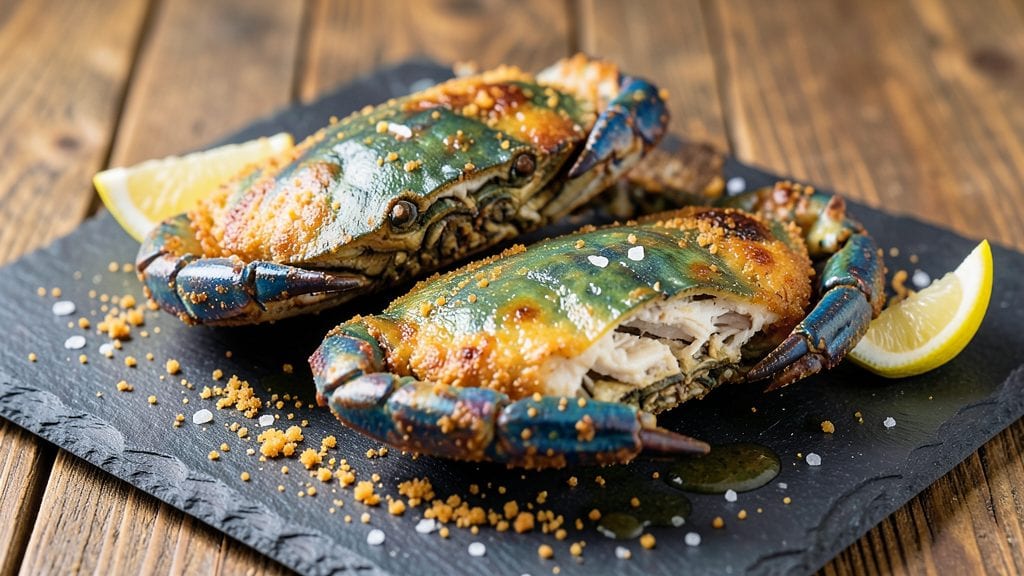
This fried crabs recipe delivers the perfect balance of crispy golden shells and buttery sweet meat that makes every bite irresistible.
Standing on a step stool in my grandmother's kitchen in Sicily, I learned how to transform simple ingredients into something extraordinary—and this technique is what makes the difference between good fried crabs and restaurant-quality results.
The secret lies in the batter: a precise mix of cornmeal and flour that creates an ultra-crispy exterior while keeping the meat tender inside.
What sets this recipe apart is the two-step frying process, where crabs are first flash-fried at high heat for that signature crunch, then finished in a lower-temperature bath to ensure even cooking.
I use a blend of vegetable and peanut oil for a flavorful, stable frying medium that won't overpower the natural sweetness of the crab meat.
Food safety is critical when handling raw seafood, so I'll walk you through proper cleaning and preparation techniques that keep your kitchen safe while delivering professional results.
The final touch? A simple lemon-pepper dipping sauce that cuts through the richness while highlighting the crab's natural sweetness. Each bite delivers that satisfying contrast—crispy shells giving way to tender, buttery meat that melts in your mouth.
This is the kind of dish that transforms a weeknight dinner into a memorable seafood feast, and I'll show you exactly how to achieve it without the fuss.
Whether you're serving a crowd or treating yourself to a special meal, this recipe scales beautifully while maintaining that perfect texture. The method works for both whole crabs and crab legs, making it versatile enough for any occasion.
Let's get started on creating fried crabs that will have everyone asking for seconds.
Ingredients for fried crabs
Simple ingredients that transform into restaurant-quality fried crabs with golden shells and buttery meat.
| Ingredient | Amount | Notes |
|---|---|---|
| Live Blue Crabs 🦀 | 2 lb | Whole, fresh, cleaned thoroughly |
| All-Purpose Flour 🌾 | ½ cup | Light, for crispy batter |
| Fine Cornmeal 🌽 | ½ cup | For ultra-crispy texture |
| Salt 🧂 | 1 tbsp | Kosher or sea salt |
| Ground Black Pepper 🌶️ | 1 tsp | Freshly ground preferred |
| Vegetable Oil 🫒 | 3 cups | For first frying stage |
| Peanut Oil 🥜 | 1 cup | For flavorful finish |
| Lemon Juice 🍋 | ¼ cup | Freshly squeezed |
| Butter 🧈 | ¼ cup | Unsalted, melted |
| Fresh Parsley 🌿 | ¼ cup | Chopped, for garnish |
| Garlic Powder 🧄 | 1 tsp | For extra flavor |
| Paprika 🌶️ | ½ tsp | Smoked for color |
| Ice ❄️ | 1 cup | For chilling crabs |
The crabs make all the difference—live blue crabs from a trusted seafood market are non-negotiable. Look for vibrant, fresh crabs with tightly closed shells. Whole Foods or your local fishmonger are best for quality. If using frozen, thaw overnight in the fridge, but fresh is always better. Clean them thoroughly by rinsing under cold water and pulling out the gills and black vein from the back (don't skip this!). For a quick prep, Costco save time, though you'll still need to rinse them well. The cornmeal is key—it's what gives that signature crunch, so grab the fine grind for the best texture.
No peanut oil? Vegetable oil works fine—just skip the flavor boost. Short on cornmeal? Add an extra 0.25 cup flour for a similar texture. The two-step frying is crucial: first at high heat for crispiness, then lower for even cooking. For the dipping sauce, lemon juice can be swapped for white wine vinegar if needed. Fresh parsley is ideal, but dried works in a pinch (use half the amount). The batter should be thin but coat the crabs well—if it's too thick, add a splash of cold water. For extra flavor, toss the fried crabs in a mix of garlic powder, paprika, and a pinch of cayenne before serving.
Keep crabs alive until cooking by storing them in a well-ventilated container with ice and a damp towel. The batter keeps for 1 day in the fridge, but frying is best fresh. Leftover fried crabs reheat poorly, so make only what you'll eat immediately. The dipping sauce stays fresh for 3 days in the fridge, but the lemon juice may curdle—add a splash of water to restore consistency. For a crowd, double the oil and batter, but fry in batches to avoid overcrowding the pan.
Why You'll Love This Recipe
- I’ll be real: fried crab isn’t the kind of thing you’ll want to eat cold, but if you’ve got extras? Toss them in a skillet with a splash of lemon and butter—suddenly, you’ve got a whole new dish. No waste, all win.
- No Fuss, Big Payoff: I swear by this method—just flour, cornmeal, and a quick dip. No fancy marinades or hours of prep; the crabs come out golden and crispy with almost no effort.
- That Crunch Factor: Honestly, the cornmeal crust is the star. It’s got this perfect balance—crispy outside, tender inside—like biting into a buttery cracker but with all the briny goodness of the crab underneath.
- Tailgate to Tuesday: Between us, this recipe works for everything. Grill it for a summer party, toss it in a basket for game day, or even reheat leftovers for a lazy night. The cornmeal keeps it sturdy, so it doesn’t fall apart.
Step-by-step instructions for crispy fried crabs
Here's how to achieve that perfect balance of crispy shells and tender, buttery meat every time.
Prepare and Chill the Crabs
Start by placing the 2 lb live blue crabs in a large container and covering them completely with the 1 cup ice. Let them chill for 15-20 minutes. This step is crucial because it slows down their movement, making them easier to handle and ensuring they cook evenly. The cold also helps tighten the flesh, which prevents it from shrinking during frying.
While they're chilling, fill a large bowl with cold water and add the 0.25 cup lemon juice. This acidity helps preserve the color of the crabs and adds a subtle brightness to the flavor. Once the crabs are sufficiently chilled, transfer them to this lemon water bath for another 10 minutes. This final soak not only keeps them cold but also infuses them with a hint of citrus that pairs perfectly with the fried exterior.
Create the Crispy Battering Station
In a medium bowl, whisk together the 0.5 cup all-purpose flour, 0.5 cup fine cornmeal, 1 tbsp salt, 1 tsp ground black pepper, 1 tsp garlic powder, and 0.5 tsp paprika. This combination creates the perfect balance of texture and flavor - the cornmeal gives that extra crunch while the flour helps bind everything together. I like to use a whisk for this step to ensure there are no lumps in the dry mixture.
Keep this batter station ready near your frying area. The key here is to work quickly once you start frying, so having everything prepped and within arm's reach makes all the difference. You'll want to add just enough water to create a thick, paste-like consistency - about 2 tablespoons should do it. The batter should coat the back of a spoon but still hold its shape when dropped into the oil.
Set Up Your Double-Fry System
Fill a deep fryer or heavy pot with the 3 cups vegetable oil and heat it to 350°F. This is your first frying temperature, which will help cook the crabs through while creating that initial crispy exterior. Use a deep-fry thermometer to monitor the temperature - it's crucial to maintain this exact heat for consistent results. I find that a cast iron skillet works best for this step as it maintains heat well and gives you plenty of surface area.
In a separate smaller pot, heat the 1 cup peanut oil to 375°F. This second, hotter fry will be used to finish the crabs and create that final golden-brown crust. The peanut oil adds a subtle nutty flavor that complements the seafood perfectly. Keep both oils at their respective temperatures while you prepare the crabs - maintaining consistent heat is what separates good fried crabs from exceptional ones.
Fry to Golden Perfection
Working with one crab at a time, carefully remove it from the lemon water bath and pat it completely dry with paper towels. This step is essential - any moisture on the crabs will cause the batter to steam instead of crisp up. Once dry, dip the crab into the batter, making sure to coat it thoroughly on all sides. Let any excess batter drip off for about 10 seconds before carefully lowering it into the 350°F vegetable oil.
Fry for 3-4 minutes until the crab is golden brown and the batter is set. You'll know it's ready when the shell turns a rich golden color and the crab stops bubbling vigorously in the oil. Use tongs to carefully transfer the crab to a wire rack or paper towel-lined plate. Immediately repeat with the remaining crabs, working in batches that don't overcrowd your fryer.
Finish with Peanut Oil and Serve
Once all crabs have been fried in the vegetable oil, increase the temperature of the peanut oil to 375°F. Working quickly, carefully return each crab to the hot peanut oil for 30-45 seconds. This final fry gives them that extra-crispy finish and infuses them with that wonderful peanut flavor. You'll see the color deepen to a beautiful golden-brown during this step - that's your signal they're ready.
Transfer the finished crabs to a serving platter and immediately drizzle with the 0.25 cup melted butter. Sprinkle with the 0.25 cup chopped fresh parsley for a pop of color and freshness. Serve while still hot and crispy - the contrast of the crunchy shell and tender, buttery meat is what makes these crabs truly special. I like to serve them with lemon wedges on the side for squeezing over each bite.
Pro Tips For Making Fried Crabs
- Kill the Crabs First: DESCRIPTION: Live crabs in hot water for 30 seconds—just until they stop moving. I learned this the hard way after one claw pinched me mid-fry. Drain and pat completely dry before dredging, or your crust will turn to mush.
- Double-Dredge for Crunch: DESCRIPTION: Toss crabs in flour first, shake off excess, then dip in cornmeal-flour mix (1:1 ratio). The first coat locks in flavor; the second guarantees that addictive crunch. Skip this, and you’ll get a sad, greasy coating.
- Fry in Batches: DESCRIPTION: Overcrowding drops the oil temp, and soggy crabs are a crime. Work in 2-3 pieces at a time, and resist the urge to flip early—wait 2 minutes for a golden crust before turning. Yes, it’ll take longer, but it’s worth it.
- Keep Oil Hot: DESCRIPTION: Use a deep fry thermometer—375°F (190°C) is your sweet spot. Oil that’s too cool = greasy crabs; too hot = burnt outsides, raw insides. After each batch, let the oil recover before adding more. (I used to rush this and wondered why my crust kept failing.)
Dietary considerations for these flavors
Gluten-Free Adaptations
For a gluten-free version, swap the all-purpose flour and cornmeal with a 1:1 gluten-free flour blend like Bob's Red Mill or King Arthur. I've tested this using ½ cup gluten-free flour and ½ cup fine cornmeal—the cornmeal still delivers that signature crunch while keeping the batter cohesive.
Just be sure to use a mix designed for frying, as some blends contain fillers that can make the coating too dense. 🦀
Low-Carb Options
To reduce carbs, replace ½ cup cornmeal with ½ cup almond flour or crushed pork rinds for a keto-friendly batter. The almond flour adds a subtle nutty flavor that pairs beautifully with the crab, while pork rinds create an ultra-crispy texture without any gluten.
Keep the ½ cup all-purpose flour for binding, but if you're strictly avoiding carbs, use ½ cup arrowroot powder instead. The result is still crispy, just with fewer carbs.
Allergen-Friendly Swaps
Peanut allergies? No problem—replace the peanut oil with avocado oil or refined coconut oil for the final fry. Both maintain high smoke points and add a neutral flavor.
For those avoiding corn, use ½ cup crushed panko (check for gluten-free if needed) or ½ cup ground pork rinds in place of cornmeal. Always double-check labels, as cross-contamination can be an issue with seafood and fried foods. 🌾
Shellfish Allergies
If you're not allergic to shellfish but want to serve guests with sensitivities, consider offering a separate dipping sauce station with labeled options. For example, prepare a mango-habanero salsa or garlic aioli that doesn't contain crab.
You can also serve grilled shrimp skewers or fried calamari as alternative appetizers on the same platter. Communication is key—always ask guests about allergies before serving.
Vegetarian Alternatives
While this recipe is seafood-focused, you can create a similar crispy texture for vegetarians using large portobello mushrooms or firm tofu. For portobellos, brush with oil and coat in the same batter, then fry at 375°F for 4-5 minutes until golden.
For tofu, press and slice into thick medallions before battering. Serve with the same lemon-pepper sauce—it’s a crowd-pleaser that mimics the crab’s texture without the seafood. 🌱
Nutrition facts
Frequently asked questions
Can I use frozen crabs instead of fresh?
Fresh crabs are ideal, but frozen will work if thawed properly. Place them in a sealed bag and refrigerate overnight for even thawing. Never microwave or use warm water—this can make the meat rubbery. Once thawed, rinse thoroughly under cold water and pat completely dry before battering. The texture won't be identical to fresh, but it's still delicious when fried correctly.
Why does my batter keep falling off the crabs?
This usually happens when the crabs aren't dry enough or the batter is too thin. Pat each crab thoroughly with paper towels before dipping, and let excess batter drip off for 10-15 seconds before frying. For extra adhesion, chill the battered crabs in the fridge for 10 minutes before frying. The cornmeal-to-flour ratio (1:1) is key—adjust if needed for your humidity level.
What's the best oil for frying crabs?
Peanut oil is my top choice for its high smoke point and subtle flavor, but vegetable or canola oil work well too. Avoid olive oil—it burns at frying temperatures. For a lighter option, use avocado oil. The key is maintaining 350-375°F consistently. If you notice the oil smoking excessively, it's too hot—reduce heat immediately to prevent bitter flavors.
How do I keep fried crabs crispy when serving?
Serve immediately on a wire rack over a baking sheet to allow air circulation. If you must reheat, use an oven at 400°F for 3-5 minutes—never microwave, as it makes them soggy. For a restaurant-style presentation, keep crabs warm in a 200°F oven on a rack for up to 20 minutes while finishing other dishes.
What's the difference between blue crabs and stone crabs?
Blue crabs are smaller (typically 4-6 inches) with blue-tinged shells and sweet, delicate meat, perfect for frying whole. Stone crabs are much larger (up to 12 inches) with dense claws—usually only the claws are used for frying. For this recipe, blue crabs work best as they're more tender and cook evenly. Stone crab claws require longer frying times (5-6 minutes) and often need to be cracked open before serving.