
Main Courses
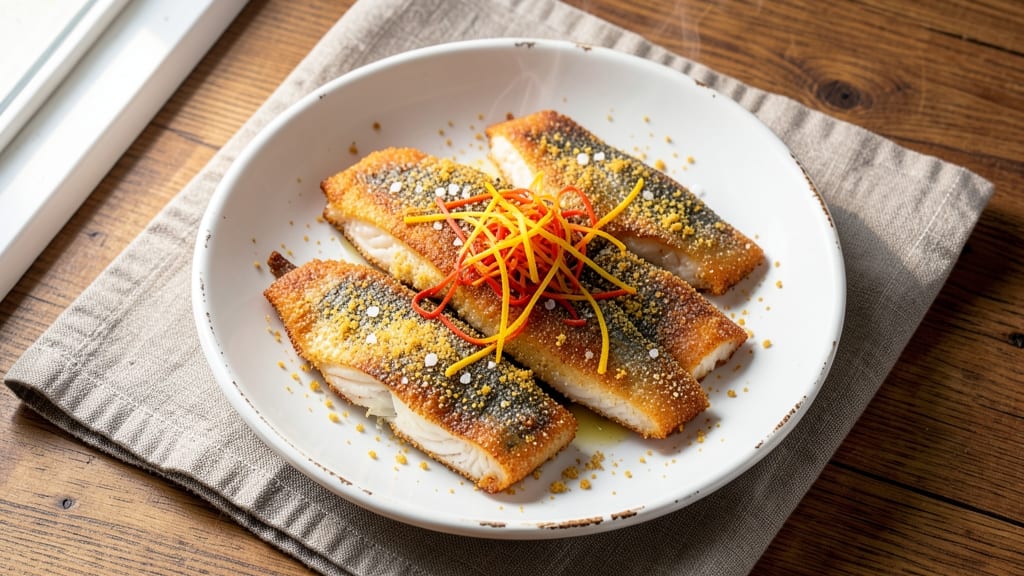
This fried smelt fish recipe delivers the perfect balance of crispy cornmeal crust and bright lemon zest that makes every bite unforgettable. The secret lies in a simple cornmeal batter that creates golden, shatteringly crisp edges while keeping the delicate fish tender inside.
I developed this method after years of perfecting the art of frying smelt—no shortcuts, just precise technique that transforms this humble fish into something truly special.
What sets this recipe apart is the lemon-zest brightness that cuts through the richness of the fried crust, creating a flavor profile that's both satisfying and refreshing.
The process is straightforward: prepare the cornmeal batter, heat the oil to 365°F, and fry the smelt for just 2-3 minutes per side until golden brown. The key is maintaining consistent oil temperature—too hot and the crust burns, too cool and the fish stays raw.
By the time you serve these crispy smelt fillets with lemon wedges and tartar sauce, you'll have a dish that feels restaurant-quality yet takes less than 20 minutes to prepare.
The cornmeal crust stays crisp even after frying, while the lemon zest adds a zingy contrast that keeps every bite exciting. This is the kind of recipe that transforms a simple seafood meal into something truly memorable.
Whether you're serving this as an appetizer or a main course, the technique scales beautifully for any occasion. For those looking to adapt, an air fryer version works just as well—just reduce the temperature to 375°F and cook for 5-6 minutes.
The result is the same delicious, crispy smelt without deep-frying. Let's get cooking!
Ingredients for fried smelt fish
Fourteen ingredients transform delicate smelt into restaurant-quality crispy bites with lemon-zest brightness.
| Ingredient | Amount | Notes |
|---|---|---|
| Fresh Smelt Fillets 🐟 | 1 ½ lb | Skin-on, deboned, patted dry |
| Fine Yellow Cornmeal 🌽 | 1 cup | Stone-ground preferred for texture |
| All-Purpose Flour 🌾 | ½ cup | Lightly sifted for smooth batter |
| Large Eggs 🥚 | 2 whole | Cold, beaten until frothy |
| Diamond Crystal Kosher Salt 🧂 | 1 tbsp | Fine grain for even seasoning |
| Fresh Lemon Zest 🍋 | 1 tbsp | Organic preferred for brightness |
| Vegetable Oil 🫒 | 3 cups | High smoke point, 350°F+ |
| Garlic Powder 🧄 | ½ tsp | Freshly ground preferred |
| Ground Black Pepper 🌶️ | ¼ tsp | Freshly cracked for aroma |
| Lemon Juice 🍋 | 1 tbsp | Freshly squeezed for acidity |
| Unsalted Butter 🧈 | 2 tbsp | Melted for tartar sauce |
| Capers 🍅 | 1 tbsp | Chopped for tartar sauce |
| Fresh Dill 🌿 | 2 tbsp | Chopped for tartar sauce |
| Mayonnaise 🥫 | ¼ cup | High-quality for tartar sauce |
The cornmeal selection matters—stone-ground varieties like Bob's Red Mill create a superior crust texture. For the smelt, seek out freshly caught fillets from reputable seafood markets or trusted suppliers; frozen works in a pinch but never thawed from rock-hard. The lemon zest should be bright yellow, not dull or bitter—organic lemons from Whole Foods or local farmers markets deliver the best flavor. When preparing the batter, use cold eggs to prevent premature thickening, and sift both the cornmeal and flour to eliminate lumps that could disrupt the crispy texture.
No fine cornmeal? Medium-ground cornmeal blended with 1 tbsp all-purpose flour mimics the texture. Running short on fresh lemon zest? Substitute 1 tsp lemon extract, but reduce by half to avoid overpowering. For the tartar sauce, Greek-style mayonnaise works better than American-style due to its tangier profile. The capers can be omitted entirely if you prefer a milder sauce, but the fresh dill is non-negotiable—dried simply won't provide the same bright, herbal note. If you're using frozen smelt, thaw in cold water for 20 minutes before patting thoroughly dry with paper towels.
The fried smelt maintains crispiness for 20 minutes if kept warm in a 200°F oven on a wire rack. Store any leftovers in an airtight container for 1 day—the crust loses its crunch after that. The tartar sauce keeps for 3 days refrigerated, though the fresh dill will wilt slightly after 24 hours. For optimal freshness, prepare the batter and sauce components separately and assemble just before frying. The lemon zest can be prepped 1 day ahead and stored in the freezer, though it loses some vibrancy when thawed.
Why You'll Love This Recipe
- Crispy in Minutes: I swear, the second those smelt fillets hit the hot oil, the cornmeal crust turns golden in under three minutes. No waiting, no fuss—just that perfect crunch before the fish flakes apart in your mouth.
- Sweet-Salty Magic: That fine yellow cornmeal isn’t just for texture—it soaks up just enough egg to create a crust that’s crispy outside but still tender inside. Honestly, the way the salt and cornmeal balance the delicate sweetness of the smelt? It’s like a tiny, edible hug.
- Tailgate or Taco Night: Between us, this recipe works just as well in a basket at a football game as it does shredded over greens for a weeknight dinner. My college buddies and I still fight over who brought the first batch to a tailgate—now I bring it to every gathering.
- Budget-Friendly Catch: Smelt are cheap, they fry fast, and a single batch feeds four without breaking the bank. I’ll be real: the leftovers reheat beautifully in a skillet, and the kids ask for them more than steak night. (Yes, even on a Tuesday night.)
Step-by-step instructions for crispy cornmeal-crusted smelt
Master this technique and you'll achieve a perfectly golden crust that shatters at the touch while keeping the delicate fish fillets moist inside.
Prepare the Battering Station and Season the Fillets
In a shallow dish, whisk together the 1 cup fine yellow cornmeal, 0.5 cup all-purpose flour, 0.5 teaspoon garlic powder, and 0.25 teaspoon ground black pepper. This dry mixture forms the foundation of our crispy crust. In a separate bowl, beat the 2 whole large eggs until just frothy—this light texture helps create air pockets in the crust.
Pat the 1.5 lb fresh smelt fillets completely dry with paper towels, then season both sides generously with the 1 tablespoon diamond crystal kosher salt and 1 tablespoon fresh lemon zest. The zest will infuse subtle citrus brightness while the salt enhances the natural flavor. Let the fillets rest for 5 minutes while you prepare the remaining components—this allows the seasoning to penetrate slightly before cooking.
Create the Crispy Cornmeal Crust
Heat 3 cups vegetable oil in a heavy-bottomed skillet over medium-high heat until it reaches 350°F—this is crucial for achieving that perfect golden-brown crust. You'll know it's ready when a wooden chopstick inserted in the oil bubbles steadily around the edges. While waiting, place the seasoned fillets in the egg mixture, turning to coat evenly on both sides. Let them sit for 30 seconds to allow the egg to adhere.
Working in batches to avoid crowding, carefully place the egg-coated fillets into the hot oil. The oil should sizzle immediately upon contact—this is your signal that the temperature is correct. Cook for 2-3 minutes per side until the crust becomes a deep golden brown with a slight sheen. The fillets should release easily from the pan when ready, and you'll notice the crust shatter slightly at the edges. Transfer to a paper towel-lined plate to drain excess oil.
Assemble the Lemon-Tartar Sauce
While the fish cooks, prepare the signature lemon-tartar sauce by melting the 2 tablespoons unsalted butter in a small saucepan over low heat. Remove from heat and whisk in the 0.25 cup mayonnaise, 1 tablespoon chopped capers, 2 tablespoons chopped fresh dill, 1 tablespoon lemon juice, and 1 tablespoon fresh lemon zest. The sauce should be smooth and vibrant—if it thickens too much, add 1 teaspoon water to reach your desired consistency. Taste and adjust seasoning with additional salt if needed.
Keep the sauce warm by placing the saucepan over a bowl of warm water (bain-marie) until ready to serve. This gentle heat maintains the sauce's creamy texture without cooking the mayonnaise. The bright lemon and briny capers complement the crispy crust perfectly, balancing the richness of the fried fish.
Serve Immediately with Perfect Presentation
Arrange the crispy cornmeal-crusted smelt fillets on a warmed platter, fanning them slightly to showcase the golden crust. Drizzle the lemon-tartar sauce generously over the top and around the plate, allowing guests to dip or spoon it over their fish. The contrast between the shatteringly crisp crust and the tender, flaky fish inside creates an ideal texture profile.
Serve immediately while the fish is at its peak temperature and the crust remains crisp. The aroma of fresh lemon zest and dill will fill your kitchen, signaling that this dish is ready to be enjoyed. For best results, serve with lemon wedges on the side—an extra burst of citrus brightens each bite and cuts through the richness of the fried fish.
Pro Tips For Making Fried Smelt Fish
- Dry the Fillets Thoroughly: Smelt fry best when the crust sticks—skip the soggy mess by patting each fillet twice with paper towels, then let them sit on a wire rack for 5 minutes. I learned this the hard way after my first batch turned into a greasy, uneven blob. (Yes, even if you’re impatient like me.)
- Use a 3-Stage Coat: Dip fillets in flour first, then egg, then back in flour for a shatteringly crisp crust. The extra flour layer locks in moisture and prevents the egg from making the coating gummy. Sounds weird, but it works—my grandmother swore by this, and she was right.
- Watch the Oil Temp: Smelt cooks in seconds—crank the oil to 375°F (190°C) and fry in batches of 2 fillets max. Any hotter, and you’ll burn the outside before the inside cooks; any cooler, and the cornmeal turns greasy. Start hot, finish low if needed, but don’t crowd the pan.
- Salt the Cornmeal: Mix 1 teaspoon of kosher salt into the cornmeal before dredging—it seasons the crust and balances the fish’s natural oiliness. I skip this when I’m lazy, but the dish is noticeably better when I don’t. (Your future self will thank you.)
Storing and reheating your fried smelt fish
Refrigerator Storage
Store leftover fried smelt in an airtight container for up to 2 days—the cornmeal crust stays crisp for the first 12 hours if kept at 40°F or below.
Line the container with a paper towel to absorb excess oil, which prevents sogginess. I like to arrange fillets in a single layer to maintain their shape. 🥶
Freezer-Friendly Method
For longer storage, freeze fried smelt in a single layer on a parchment-lined tray for 1 hour to prevent sticking. Transfer to a freezer-safe bag with all air removed, then store for up to 1 month.
Thaw in the fridge overnight before reheating. The crust may lose some crunch after freezing, but the fish remains tender.
Reheating for Crispiness
Revive the crust by reheating in a skillet over medium heat for 1-2 minutes per side until golden. Add 1 teaspoon vegetable oil to prevent sticking. For a quicker method, use an air fryer at 375°F for 3-4 minutes—this restores crispiness without deep-frying.
Avoid microwaving, as it turns the crust rubbery. 🔥
Sauce Refresh Tips
Reuse tartar sauce within 3 days if refrigerated, but revive its brightness by whisking in 1 teaspoon lemon juice and 1 teaspoon chopped fresh dill before serving.
If the sauce thickens, thin with 1 teaspoon water or milk to restore creaminess. Never reheat mayo-based sauces beyond 165°F, or they’ll separate. ✨
Serving Leftovers
Transform reheated smelt into a smelt po' boy by layering on a toasted baguette with lettuce, tomato, and extra tartar sauce. For a quick smelt salad, toss with mixed greens, cucumber, and a light vinaigrette.
The crispy crust holds up well in sandwiches, while the lemon zest keeps flavors vibrant. 💫
Oil Disposal
After frying, strain used oil through a fine-mesh sieve into a heatproof container and let it cool completely. Store in the fridge for 1 month to repurpose for future frying (like chicken tenders) or discard properly.
Never pour hot oil down the drain—it can clog pipes and harm the environment. 🌍
Nutrition facts
Frequently asked questions
Why does my smelt crust turn greasy instead of crispy?
Overcrowding the pan or using oil that's too cool causes greasy crusts. Maintain 350°F oil and fry in batches—never more than 2 fillets at once. Also, pat the fish completely dry before battering, or moisture will steam instead of crisp.
Can I substitute cornmeal with another flour?
Yes, but texture changes. For a lighter crust, use all-purpose flour (same ratio), but cornmeal gives that signature crunch. For gluten-free, try crushed cornflakes or almond flour—just add 1 tbsp baking powder for lift. The lemon zest still works magic!
How do I know when smelt is fully cooked?
Look for golden-brown crust and opaque flesh (no translucent edges). The internal temp should reach 145°F. If unsure, cut a small piece—it should flake easily. Overcooking dries out the delicate fish, so 2-3 minutes per side is perfect.
What's the best way to keep fried smelt warm?
Place on a wire rack in a 200°F oven for up to 20 minutes—this keeps the crust crisp. Avoid covering with foil (traps steam). For parties, fry in batches and keep warm in the oven until serving. The tartar sauce stays fresh at room temp for 1 hour.
Can I make this recipe with frozen smelt?
Yes, but thaw properly first. Place frozen fillets in a sealed bag with cold water for 20 minutes, then pat thoroughly dry before battering. Never microwave—it makes the crust soggy. The texture difference is minimal if dried completely.