
Side Dishes
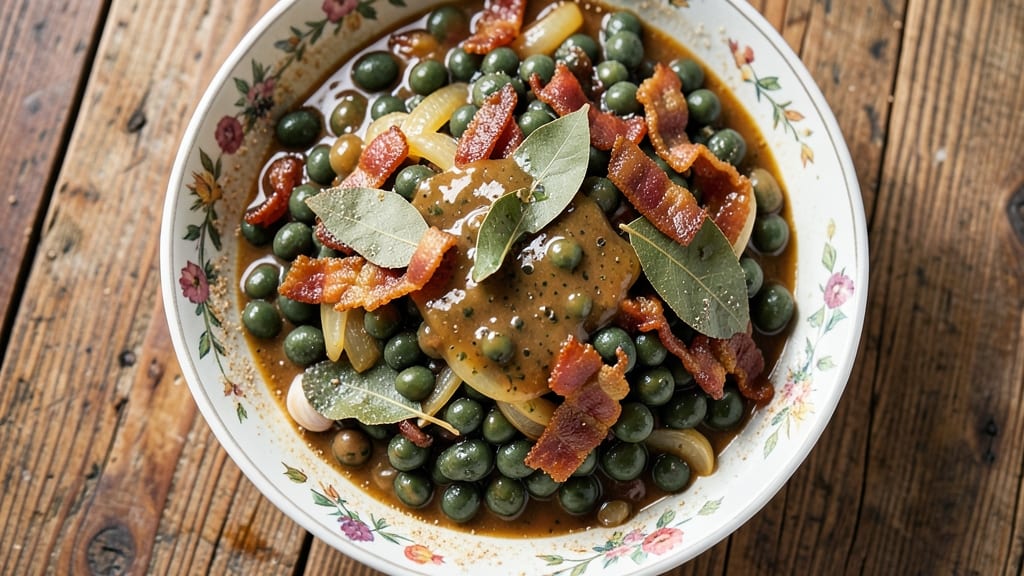
This funeral beans recipe brings a taste of Southern tradition to your table with its rich, smoky flavors and hearty texture. Born from a dish served at Southern funerals, these black-eyed peas simmered with bacon and bay leaves create a comforting side that feels like a warm embrace.
The slow-cooked pork and cornmeal base transforms simple ingredients into something deeply satisfying, perfect for family gatherings or special occasions.
What sets these funeral beans apart is the balance of smoky bacon, aromatic bay leaves, and the earthy sweetness of black-eyed peas. Unlike typical bean dishes, this recipe incorporates pork and cornmeal for a texture that's both tender and slightly gritty—a signature of Southern cooking.
The result is a dish that's hearty enough to stand alone but elegant enough to complement grilled meats or cornbread.
The magic happens in the slow cooking process, where flavors meld into a deep, smoky harmony that fills your kitchen with warmth. Each bite delivers a perfect balance of savory, slightly sweet, and herby notes, making it a dish that's as nostalgic as it is delicious.
Whether you're honoring tradition or simply craving a taste of home, these beans deliver comfort in every spoonful.
Serve these funeral beans alongside grilled chicken, fried catfish, or cornbread for a full Southern feast. The recipe is designed to feed a crowd, making it ideal for holidays, family dinners, or any time you want to bring a little Southern hospitality to your table.
Let's get started on creating this timeless dish.
Ingredients for funeral beans
Pantry staples meet Southern soul—just 12 ingredients for a dish that feels like home.
| Ingredient | Amount | Notes |
|---|---|---|
| Dried Black-Eyed Peas 🌱 | 2 cups | Rinsed before cooking |
| Thick-Cut Bacon 🥓 | 1 lb | Cut into 1/2-inch pieces |
| Yellow Onion 🧅 | 1 whole | Diced, medium size |
| Fresh Bay Leaves 🌿 | 4 whole | Crushed slightly |
| Garlic Cloves 🧄 | 4 cloves | Minced, fresh preferred |
| Cornmeal 🌾 | ½ cup | Fine grind preferred |
| Dried Thyme 🌿 | 1 tsp | Or 1 tbsp fresh |
| Smoked Paprika 🌶️ | 1 tsp | For smoky depth |
| Salt 🧂 | 1 ½ tsp | Kosher or sea salt |
| Black Pepper 🌶️ | ½ tsp | Freshly ground |
| Chicken Broth 💧 | 4 cups | Low-sodium preferred |
| Water 💧 | 2 cups | For soaking beans |
The bacon is non-negotiable here—thick-cut from Costco gives that perfect smoky crunch, but any good-quality bacon works. Look for applewood-smoked if you want extra depth. The black-eyed peas? Bob's Red Mill or store-brand dried work fine, but avoid canned—they're pre-soaked and lack texture. Fresh bay leaves are a must; dried just won't cut it for that aromatic punch. I always grab a bunch from the grocery store's produce section—Trader Joe's has them for about $1.50, and they last for months if you store them properly.
No bacon? Smoked sausage or ham hock adds a similar depth (ham hock is a Southern secret weapon). Short on bay leaves? Dried thyme at double the amount helps, but it won't be the same. The cornmeal gives that signature gritty texture—stone-ground is best, but fine grind works too. No smoked paprika? Regular paprika plus a pinch of liquid smoke gets you close. The broth matters—low-sodium so you can control the salt, and homemade or high-quality store-bought makes all the difference. Canned beans? Soak them overnight first—they won't be as tender otherwise.
These beans taste even better the next day, so make a double batch if you can. Store in the fridge for 5-6 days or freeze for up to 3 months—portion into containers for easy reheating. The bacon grease solidifies when cold, so skim it off before storing if you're picky about texture. Leftovers reheat beautifully in a skillet with a splash of water or broth—just stir until warmed through. Serve with cornbread to soak up every last bit of that smoky goodness.
Why You'll Love This Recipe
- No-Soaking Needed: I just toss the dried black-eyed peas in cold water for 12 hours—no fancy pre-soaking, no stress. The bacon renders down while you prep, and by the time the onions caramelize, those peas are tender without falling apart. (Yes, even on a Tuesday night.)
- Smoky-Savory Magic: That thick-cut bacon? It’s the star—crispy edges clinging to creamy peas, with bay leaves and garlic turning the broth into something rich and layered. Honestly, the first bite makes me want to skip dinner for leftovers.
- Potluck Hero: This dish thrives when doubled. Bring it to a gathering, and it’ll disappear before dessert—no one cares if it’s "fancy." The flavors only deepen overnight, so it’s perfect for meal prep or feeding a crowd without extra effort.
- Budget Win: Dried peas and bacon stretch like nothing else. I make this for $3 a serving, and it still feels like a special meal. Between us, it’s my go-to when grocery money’s tight, but no one guesses the secret.
Step-by-step instructions for smoky black-eyed peas with bacon and bay
Here's how to create rich, smoky funeral beans that'll impress everyone at your table.
Soak and Prepare the Black-Eyed Peas
Start by rinsing the 2 cups dried black-eyed peas under cold water in a colander, then transfer them to a large bowl. Add the 2 cups water and let them soak for at least 4 hours or overnight. This soaking step is crucial—it ensures even cooking and prevents tough, dry peas. I like to soak them in the refrigerator for better flavor development.
While the peas soak, cut the 1 lb thick-cut bacon into ½-inch pieces and set aside. Dice the 1 whole yellow onion into medium-sized pieces and crush the 4 whole fresh bay leaves slightly between your palms to release their aromatic oils. These aromatics will infuse the beans with deep, savory flavor throughout the cooking process.
Cook the Bacon and Build the Flavor Base
In a large Dutch oven or heavy pot, cook the bacon pieces over medium heat until they're crispy and the fat has rendered out—about 8-10 minutes. You'll know it's ready when the bacon turns golden brown and the fat begins to bubble. Remove the bacon with a slotted spoon and set it aside on paper towels, leaving the fat in the pot.
In the same pot, add the diced onion and cook for 5 minutes until softened. Stir in the minced 4 cloves garlic and cook for another 30 seconds until fragrant. Add the crushed bay leaves, 1 tsp dried thyme, 1 tsp smoked paprika, 1.5 tsp salt, and 0.5 tsp black pepper. Stir everything together and cook for 1 minute to toast the spices and deepen their flavors.
Simmer the Beans Until Tender
Drain the soaked black-eyed peas and add them to the pot along with the 4 cups chicken broth. Stir well to combine, then bring the mixture to a boil over high heat. Once boiling, reduce the heat to low, cover the pot, and let the beans simmer gently for 45-50 minutes. You want to maintain a very gentle simmer—the peas should cook slowly and evenly without breaking apart.
After 45 minutes, check the doneness by tasting a pea. It should be tender but still hold its shape. If they're not quite tender, continue simmering for another 5-10 minutes. The beans will continue to absorb liquid as they cook, so you may need to add a splash of water if it gets too dry. Stir occasionally to prevent sticking.
Thicken and Finish the Beans
Once the beans are tender, stir in the 0.5 cup cornmeal and the reserved bacon pieces. The cornmeal will help thicken the beans slightly, giving them that classic funeral beans texture. Increase the heat to medium and let the mixture simmer uncovered for 5-7 minutes, stirring occasionally. You're looking for a slightly thickened consistency—almost like a hearty stew.
Taste and adjust the seasoning if needed. The beans should be flavorful with a balance of smoky, savory, and slightly sweet notes. If they need more salt, add it gradually. The final dish should have a rich, smoky aroma with visible bacon pieces throughout. Serve warm with cornbread or crusty bread to soak up all that delicious broth.
Pro Tips For Making Funeral Beans
- CRACK THE PEAS FIRST: Soak them overnight in plenty of water—at least 8 cups for a pound of peas—and add a pinch of baking soda. I learned this the hard way: dry peas take forever to soften, and even then, they might stay slightly tough. The baking soda helps break down the skins faster, so they absorb flavor like sponges.
- COOK THE BACON LOW: Thick-cut bacon needs patience—render it slow over medium heat until the fat pools but the meat stays crisp. Dumping it straight into the beans too soon makes them greasy. My shortcut? Save the bacon fat in a jar; it’s liquid gold for finishing the beans later.
- CHOP THE ONIONS SMALL: Tiny dice, not rough slices—they melt into the beans without turning mushy. I used to rush this, and the onions would linger like sad, chewy ghosts. A sharp knife and a steady hand make all the difference here.
- DON’T SKIP THE BAY LEaves: Toss them in early, but remove them before serving—unless you’re feeling fancy. They add depth, but their texture can be polarizing. I was skeptical until I tried it; now, I swear they’re the reason funeral beans taste like home.
Perfect pairings for these flavors
Classic Southern Sides
Serve these funeral beans alongside cornbread—the perfect Southern pairing. I like to make a batch of stone-ground cornmeal cornbread with honey butter for dipping. The slightly sweet, crumbly texture contrasts beautifully with the smoky depth of the beans.
Another must-try is buttermilk biscuits, especially if you want to soak up every last bit of that rich, bacon-infused broth. 🥖
Meat Pairings
Funeral beans complement smoked meats like nothing else. Try them with pulled pork or fried catfish—the smoky flavors from both dishes harmonize perfectly. For a lighter option, grilled chicken (especially with a lemon-pepper rub) balances the richness of the beans.
I often serve them at family gatherings with slow-cooked brisket for a true Southern feast experience.
Beverage Pairings
Sweet Southern sweet tea is the classic choice—its tartness cuts through the richness of the beans. For something stronger, a bourbon cocktail like a whiskey sour adds a sophisticated touch.
If you prefer beer, a light lager (like Bud Light or Miller Lite) keeps the meal refreshing without overpowering the flavors. For non-alcoholic options, sparkling lemonade with fresh mint works beautifully. 🍹
Garnish Ideas
Add a final touch with chopped fresh parsley or green onions for brightness. A sprinkle of crushed red pepper flakes gives a subtle kick, while toasted pecans add crunch.
I also love drizzling a little hot honey over the top—it enhances the smoky-sweet balance and makes the dish feel extra special.
Holiday Centerpieces
These beans are a New Year's Day staple in the South, symbolizing prosperity. Serve them in a cast-iron skillet or ceramic bowl as the centerpiece of your holiday table.
Pair with collard greens and macaroni and cheese for a full Southern spread. The deep, smoky flavors make them feel like a warm hug on cold winter days. 🏡
Make-Ahead Magic
Funeral beans taste even better the next day, so make them ahead for gatherings. Store in an airtight container in the fridge for up to 5 days or freeze for 3 months.
Reheat gently on the stove with a splash of broth—never microwave, as it can make the bacon greasy. This makes them perfect for Thanksgiving leftovers or Christmas potlucks where you want to impress with minimal last-minute work. 💫
Nutrition facts
Frequently asked questions
Why are these called "funeral beans" instead of just black-eyed peas?
This dish earned its name from Southern tradition where it was served at funerals as a comforting, hearty meal for grieving families. The rich, smoky flavors and substantial texture made it perfect for feeding large crowds during difficult times. Today, it's still associated with Southern hospitality and special occasions like New Year's Day, where black-eyed peas symbolize prosperity.
Can I make funeral beans without bacon? What's the best substitute?
Yes! For a vegetarian version, use smoked sausage or ham hock (which adds incredible depth). If avoiding meat entirely, try liquid smoke (½ teaspoon) or extra smoked paprika (½ teaspoon) to mimic the smoky flavor. The cornmeal and bay leaves will still give that signature texture and aroma.
How do I know when the black-eyed peas are fully cooked?
They're done when they're tender but still hold their shape—like al dente pasta. After 45 minutes of simmering, taste one: it should be soft with no hard center. If they're still crunchy, add ¼ cup water and simmer 5-10 more minutes. Overcooking turns them mushy, so check frequently.
Can I use canned black-eyed peas instead of dried?
Technically yes, but the texture won't be the same. Canned peas are pre-soaked and often softer. If using them, drain and rinse well, then simmer in the broth for only 15-20 minutes (they cook much faster than dried). For best results, stick with dried peas—they absorb flavors better and give that classic gritty texture.
What's the secret to getting that perfect smoky flavor?
The magic comes from three things: thick-cut bacon (for maximum fat and smokiness), fresh bay leaves (crush them to release oils), and smoked paprika. Don't skip toasting the spices in the bacon fat—this step builds layers of flavor. For extra depth, use applewood-smoked bacon or add a pinch of liquid smoke at the end.