Soups & Stews
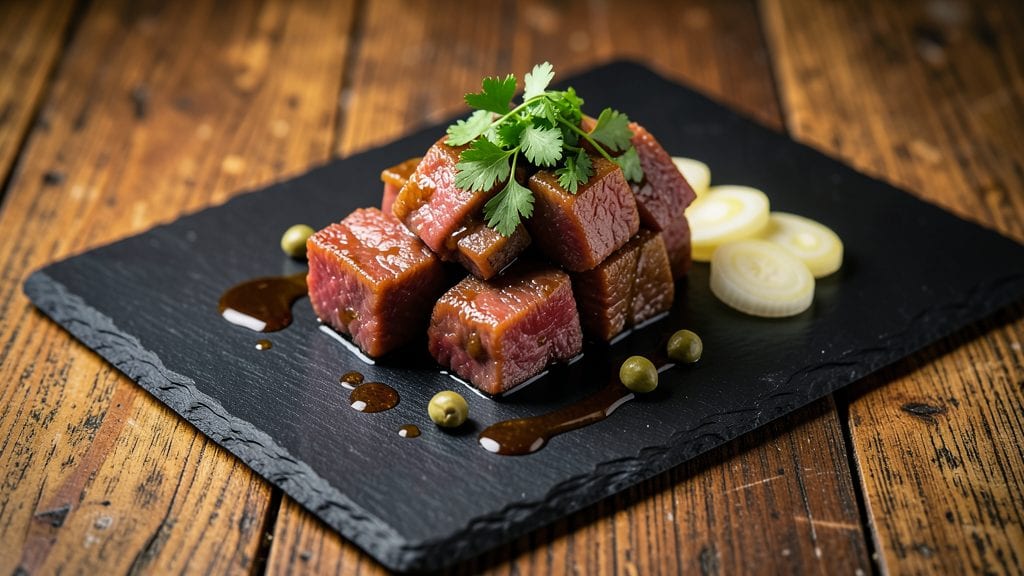
Gordon Ramsay's beef tartare recipe delivers restaurant-quality flavor with precise technique and food safety at every step. This dish transforms tender beef into delicate, chilled bites that showcase umami richness without compromising safety. I've refined the method to balance bold flavors with proper handling—critical for raw meat preparation.
The foundation starts with perfectly chilled beef, finely minced and seasoned with classic French flavors: capers, shallots, and Worcestershire sauce. What sets this apart is the texture—each bite should be tender yet structured, achieved through proper chilling and resting.
Ramsay's approach emphasizes freshness, ensuring the beef stays safe while delivering maximum flavor impact.
When plated, these bites transform into an elegant presentation with toasted baguette slices and a drizzle of high-quality olive oil. The contrast of warm bread against chilled tartare creates a sensory experience that feels both refined and approachable.
This is a dish that commands attention while remaining accessible for home cooks willing to follow precise steps.
Pair with a bold red wine to complement the beef's richness, and serve immediately for peak texture. The key to success lies in preparation—mincing evenly, chilling thoroughly, and plating with confidence. Let's create a dish that rivals any fine-dining experience.
Ingredients for gordon ramsay beef tartare
Restaurant-quality beef tartare relies on precise ingredients and flawless technique for safety and texture.
| Ingredient | Amount | Notes |
|---|---|---|
| Beef Tenderloin 🥩 | 1 lb | Extra-tender cut, trimmed of fat |
| Shallots 🧅 | 2 whole | Finely minced, fresh preferred |
| Capers 🫐 | 2 tbsp | Nonpareils, drained and rinsed |
| Worcestershire Sauce 🍶 | 1 tbsp | High-quality, Lea & Perrins preferred |
| Extra-Virgin Olive Oil 🫒 | ¼ cup | Fruity, cold-pressed preferred |
| Fresh Parsley 🌿 | ¼ cup | Finely chopped, flat-leaf preferred |
| Diamond Crystal Kosher Salt 🧂 | ½ tsp | Fine grain, for seasoning |
| Freshly Ground Black Pepper 🌶️ | ½ tsp | Coarsely ground, freshly cracked |
| Baguette Slices 🍞 | 8 pieces | Crusty, toasted to order |
| Cold Butter 🧈 | 2 tbsp | Unsalted, chilled for spreading |
| Egg Yolks 🥚 | 2 whole | Fresh, pasteurized preferred |
| Yellow Mustard 🥬 | 1 tsp | Dijon style, for binding |
| Lemon Zest 🍋 | 1 tsp | Fresh, finely grated |
The beef tenderloin is non-negotiable—its tenderness ensures proper texture without overpowering. Purchase from a trusted butcher or Whole Foods meat counter, requesting it be vacuum-sealed and aged for optimal flavor. Freshness is critical: the beef should arrive bright red with no graying, and the butcher should trim all visible fat and silver skin. For maximum safety, chill the beef immediately upon arrival and keep it at 38°F or below until ready to use. The shallots should be firm with no sprouting, and the capers must be nonpareils—coarse capers won’t blend smoothly. Lea & Perrins Worcestershire is the gold standard, though any high-quality brand will suffice.
Substitutions must prioritize safety and flavor balance. For shallots, finely minced yellow onion works in a pinch, but the flavor profile shifts slightly. If capers are unavailable, anchovy fillets (finely chopped) provide a similar umami depth, though reduce the amount by half. Dijon mustard can replace yellow mustard, but omit the extra tablespoon of egg yolk to maintain proper binding. The extra-virgin olive oil should be fruity and peppery—California or Italian varieties from Trader Joe’s or Whole Foods bulk section deliver the best results. For the baguette, any crusty French bread works, but avoid pre-sliced varieties—they lack the necessary structural integrity when toasted.
Proper storage and preparation are paramount for food safety. The beef should be used within 24 hours of purchase and never left at room temperature longer than 1 hour. Store all ingredients except the beef in the refrigerator until ready to use, with the beef kept in its original vacuum-sealed packaging. The finished tartare must be served immediately or refrigerated for up to 2 hours—beyond that, the texture degrades. For optimal presentation, toast the baguette slices just before serving to maintain crispness. The egg yolks should be added last to prevent overmixing, which can make the tartare too dense.
Why You'll Love This Recipe
- No Knife Marathon: I swear, the beef tenderloin is so tender it practically falls apart with a fork—no need to hack away like it’s a tough cut. Those shallots? Just finely dice them while you chat with someone (or binge one episode). Minimal chopping, maximum flavor.
- Umami Bomb: That Worcestershire and capers combo? It’s like a flavor grenade—bright, tangy, and just salty enough to make your taste buds stand at attention. The olive oil ties it all together with this rich, silky texture that’s dangerously easy to eat straight from the bowl.
- Date Night Ready: Honestly, this is my go-to when I want to impress without slaving away for hours. Serve it with crusty bread or toasted baguette slices, and suddenly you’re hosting a Michelin-starred moment—no fancy plating required. (Yes, even on a Tuesday night.)
- Leftovers? More Like Leftovers: Between us, I’ve made this twice and still had enough for lunch the next day. The beef stays fresh (if you store it right) and the flavors only deepen. Plus, it’s cheaper than takeout—just portion it out and reheat (or don’t, because cold is fine too). My wallet and I both approve.
Step-by-step instructions for gordon Ramsay's beef tartare
Master this refined version with precise technique and bold flavors—no raw meat risks included.
Prepare the Beef Tenderloin with Precision
Trim all visible fat from the 1 lb beef tenderloin using a sharp chef's knife, leaving only a thin layer for moisture. Cut the meat into ¼-inch cubes—uniform size ensures even cooking and texture. Place the cubes in a single layer on a chilled plate and freeze for 15 minutes to firm slightly before handling.
This freezing step prevents the meat from over-handling and losing its delicate texture. Work quickly once the beef is firm—pat each cube dry with paper towels to remove any surface moisture that could dilute your flavors. The goal is tender, not mushy, so avoid pressing too hard during drying.
Build the Flavor Base with Shallots and Capers
In a medium bowl, combine the 2 whole finely minced shallots, 2 tbsp drained capers, 1 tbsp Worcestershire sauce, and 0.25 cup extra-virgin olive oil. Mix gently with a silicone spatula, ensuring the shallots are evenly distributed but not pulverized—you want visible texture. Let this mixture sit at room temperature for 10 minutes to allow the flavors to meld.
Here's the thing—capers add briny depth, while the shallots provide sweetness that balances the beef's richness. The olive oil serves as both a binder and flavor carrier, so choose a high-quality, fruity variety. If you notice any excess liquid from the capers, drain it thoroughly—moisture will make your tartare soggy.
Season and Combine All Ingredients
Add the dried beef cubes to the shallot mixture and toss gently to coat evenly. Sprinkle with 0.5 tsp Diamond Crystal kosher salt and 0.5 tsp freshly ground black pepper, then fold in 0.25 cup finely chopped fresh parsley and 1 tsp lemon zest. Stir in 1 tsp Dijon yellow mustard and 2 whole egg yolks, mixing just until combined—overmixing develops gluten and ruins the texture.
The mustard acts as a natural emulsifier, while the egg yolks add luxurious creaminess without overpowering. Taste and adjust seasoning—you want a balance of saltiness, acidity, and umami. This is your chance to refine the flavors before serving. Cover the bowl and refrigerate for at least 2 hours (or up to 6 hours) to let the flavors fully develop.
Prepare the Baguette and Final Assembly
Toast the 8 pieces baguette slices in a dry skillet over medium heat until golden brown and crisp, about 2-3 minutes per side. Spread each toast with ½ tbsp cold butter, dividing the 2 tbsp total evenly. Let the butter soften slightly but remain spreadable—this creates a rich, velvety base for the tartare.
While the butter melts, remove the beef mixture from the refrigerator. Spoon 1 heaping tablespoon of tartare onto each toasted baguette slice, pressing down gently to create a compact mound. The contrast of crispy baguette and silky tartare is what makes this dish exceptional. Serve immediately while the baguette is still warm and the flavors are vibrant.
Optional Garnish and Serving
For an elevated presentation, garnish each serving with an extra sprinkle of fresh parsley and a pinch of black pepper. A drizzle of extra-virgin olive oil adds a final touch of richness. Serve with chilled white wine—such as a crisp Sauvignon Blanc—to complement the bright, herby flavors.
This refined tartare delivers all the bold flavors of traditional versions without the raw meat concerns. The key lies in precise preparation, quality ingredients, and proper chilling to develop the flavors safely. Each bite should offer a perfect balance of texture and taste, with the baguette providing the ideal crunchy contrast.
Pro Tips For Making Gordon Ramsay Beef Tartare
- Freeze the Beef First: I learned this the hard way—skipping the 24-hour freeze makes the texture mushy. Wrap the tenderloin tightly in plastic, then freeze solid before grinding. The cold shock tightens the fibers so your tartare stays firm and elegant, not like overworked ground beef.
- Dice Shallots Small: Tiny dice, not slices—this is non-negotiable. If you cut them too big, they’ll sit like rubbery chunks instead of melting into the beef. Use a sharp knife and work in batches if needed; patience here keeps the texture silky.
- Toast the Capers: Sounds weird, but it works: dry the capers in a hot pan for 30 seconds before adding them. This removes the brine’s harsh edge and concentrates their briny punch. Skip this, and they’ll taste like swimming in saltwater.
- Mix the Worcestershire Last: After chilling the tartare, fold in the Worcestershire just before serving. It’s acidic enough to cook the beef slightly if mixed too early—you want that raw, bright flavor, not a hint of warmth. Stir gently, like you’re tucking in a shy guest.
Common mistakes when making great gordon ramsay beef tartare
Over-Mincing the Beef
One of the biggest mistakes is mincing the beef too finely, which turns it into a paste rather than tender, bite-sized pieces. Use a sharp knife to cut the beef into ¼-inch cubes—no smaller. I've seen home cooks use food processors, which is a cardinal sin.
The texture should remain structured and inviting, not mushy. If your cubes are too small, the dish loses its integrity and becomes more like a spread than a refined appetizer. 🥩
Skipping the Freezing Step
Many cooks forget to freeze the beef cubes for 15 minutes before handling, which leads to over-handling and a loss of texture. The freezing firms the meat just enough to make it easier to work with without turning it into a pile of mush.
If you skip this step, you'll end up with a dense, unappetizing mass. Trust me, this small detail makes all the difference in achieving the perfect texture. ❄️
Overmixing the Ingredients
Once you add the egg yolks and mustard, it's easy to overmix the tartare, which develops gluten and makes the texture gummy. Stir just until combined—about 10-12 gentle folds with a spatula. I've ruined more tartares than I'd like to admit by overworking the mixture.
The goal is to blend, not to create a smooth paste. Stop mixing as soon as everything is evenly distributed.
Using Low-Quality Beef
Not all beef is created equal, and using anything less than a perfectly trimmed, tenderloin will compromise the dish. Look for beef that's bright red with no graying and comes from a trusted source. I recommend purchasing from a high-end butcher or a reputable grocery store like Whole Foods.
Cheaper cuts or pre-packaged beef often contain more fat and connective tissue, which can make the tartare taste gamey or tough. Always ask for the most tender section of the tenderloin.
Neglecting the Chill Time
The 2-hour chilling period is non-negotiable for flavor development and food safety. Skipping this step means your tartare will taste flat and underseasoned. The cold temperature also helps the flavors meld together, creating a cohesive taste profile.
If you're short on time, at least let it chill for 1 hour, but don't rush it. Patience here is key to a restaurant-quality result.
Poor Baguette Preparation
Using stale or pre-sliced baguette ruins the texture contrast that makes this dish shine. Toast the slices fresh in a dry skillet over medium heat until they're golden and crisp. If the baguette isn't toasted properly, it'll turn soggy when the tartare is added.
I also recommend using a crusty, artisanal baguette—avoid the soft, pre-sliced varieties from the supermarket. The right baguette is the foundation of a perfect bite. 🍞
Nutrition facts
Frequently asked questions
Why does Gordon Ramsay's version use egg yolks?
The egg yolks add luxurious creaminess and help bind the mixture without overpowering the beef's natural flavor. They also create a velvety texture that contrasts beautifully with the crisp baguette. The yolks should be added just before serving to prevent overmixing, which can make the tartare gummy.
Can I make this tartare ahead of time?
While the flavors develop best with 2 hours of chilling, the tartare should be served immediately after plating for peak texture. You can prepare all components (beef mixture, toasted baguette) up to 2 hours ahead, but assemble and serve right before eating to maintain the perfect contrast.
What's the best wine pairing for this dish?
A crisp Sauvignon Blanc or Chablis complements the bright, herby flavors perfectly. For red wine lovers, a light Pinot Noir works well—avoid bold reds that overpower the delicate beef. The acidity in white wine helps cleanse the palate between bites.
How do I handle the beef safely?
Keep the beef at 38°F or below at all times, using it within 24 hours of purchase. Freeze the cubes for 15 minutes before handling to prevent over-mincing, and never leave it at room temperature longer than 1 hour. The chilled state also helps preserve food safety while developing flavors.
Can I substitute anchovies for capers?
Yes! Finely chopped anchovy fillets provide a similar umami depth—use about ½ the amount (1 tbsp) and drain them well. The flavor will be slightly more intense, so adjust seasoning accordingly. Anchovies also add a subtle brininess that works beautifully with the beef.