
Salads
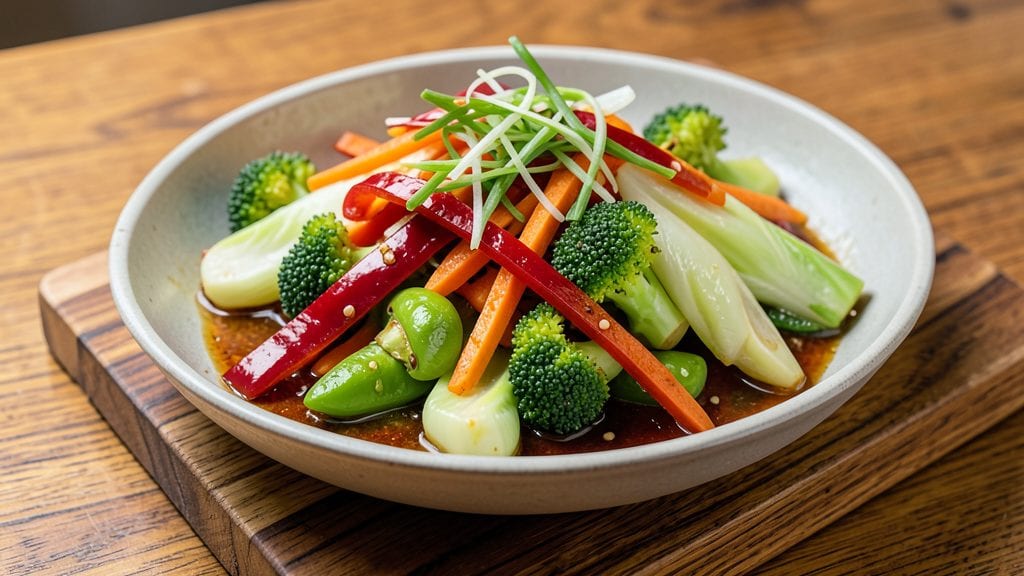
Mastering hibachi veggies transforms simple vegetables into a restaurant-worthy wok-tossed dish with a smoky, umami-rich kick. The secret lies in high-heat stir-frying and precise timing—just like the teppanyaki chefs do.
I first perfected this technique during a summer when my family craved the bold flavors of hibachi without the meat, and it became an instant favorite.
This recipe delivers crisp-tender vegetables with caramelized edges and a fragrant aroma that fills your kitchen. The key is using a well-seasoned wok or skillet and cooking in batches to maintain that signature hibachi crunch.
You'll need just 15 minutes of active cooking time, making it perfect for weeknight dinners or entertaining.
By the end, you'll have vibrant, flavor-packed vegetables that balance sweetness, smokiness, and umami—ideal for serving over steamed rice or alongside miso soup. The technique is simple but yields restaurant-quality results that’ll impress even hibachi purists. Let’s bring that teppanyaki flair to your home.
For extra depth, I often add a quick soy-ginger marinade or a sprinkle of sesame seeds before serving. This dish pairs beautifully with tofu or mushrooms for a complete vegetarian meal, keeping all the authentic hibachi spirit intact. Here’s how to make it shine.
Ingredients for hibachi veggies
Crisp-tender vegetables with smoky umami depth—just 15 minutes of active cooking time.
| Ingredient | Amount | Notes |
|---|---|---|
| Red Bell Pepper 🌶️ | 1 whole | Sliced into thin strips |
| Broccoli Florets 🥦 | 1 ½ lb | Cut into bite-sized pieces |
| Carrots 🥕 | 1 lb | Julienned into matchsticks |
| Snap Peas 🌱 | 1 cup | Trimmed and halved |
| Bok Choy 🥬 | 2 whole | Quartered lengthwise |
| Green Onions 🧅 | 6 whole | Cut into 1-inch pieces |
| Extra-Virgin Olive Oil 🫒 | 3 tbsp | High smoke point preferred |
| Sesame Oil 🫒 | 1 tbsp | For finishing aroma |
| Low-Sodium Soy Sauce 🥢 | 3 tbsp | Kikkoman preferred |
| Rice Vinegar 🍶 | 1 ½ tbsp | Seasoned preferred |
| Fresh Ginger 🌿 | 1 tbsp | Finely grated |
| Garlic Cloves 🧄 | 4 cloves | Minced finely |
| Sesame Seeds 🌰 | 1 tbsp | Toasted lightly |
| Diamond Crystal Kosher Salt 🧂 | 1 tsp | For seasoning |
| Ground Black Pepper 🌶️ | ½ tsp | Freshly cracked |
The vegetables are the stars here, so pick fresh, firm produce—no wilted bok choy or rubbery bell peppers. Trader Joe's and Whole Foods carry excellent pre-cut stir-fry mixes, but I always buy whole and prep myself for better texture. Look for vibrant colors: bright green broccoli, crisp red bell peppers, and snap peas that snap when bent. The carrots should be tender-crisp when raw—julienne them yourself for even cooking. Bok choy with yellowing leaves? Skip it. For garlic, freshly minced makes all the difference over jarred minced garlic.
No snap peas? Substitute snow peas or sliced green beans—they hold up well to high heat. Running out of bok choy? Baby spinach or napa cabbage works beautifully. The soy sauce can be swapped for tamari for gluten-free, and if you're missing the sesame oil, toasted peanut oil adds a similar nutty depth. Fresh ginger is ideal, but ground ginger at half the amount works in a pinch. For extra umami, add 1 tsp of vegetarian Worcestershire sauce to the marinade. The key is balancing sweetness (carrots, bell peppers) with the earthy notes (broccoli, bok choy).
Prep everything before heating the wok—mise en place is your friend here. The vegetables will keep in the fridge for 3-4 days if stored in separate containers, but they're best used fresh. The sesame seeds toast in 30 seconds over low heat—don't walk away! This dish reheats beautifully—just 30 seconds in the microwave with a splash of water to retain crispness. For meal prep, portion into airtight containers with a layer of parchment paper between veggies to prevent sogginess. Keeps for 3 days in the fridge.
Why You'll Love This Recipe
- One-Pan Magic: I swear by this recipe when I’m too tired to scrub pots—just toss everything on a sheet pan, drizzle with oil, and let the hibachi magic do the work. The bell peppers caramelize while the bok choy wilts, all in the same pan. (Yes, even on a Tuesday night.)
- Sweet-Savory Balance: That crisp-tender snap pea crunch paired with the natural sweetness of carrots and bell peppers? It’s the kind of harmony that makes you forget it’s “just veggies.” The bok choy adds a subtle bitterness that cuts through the richness—like a little umami hug.
- Meal Prep MVP: Between us, this is my go-to for lunches all week. I double the batch, let it cool, and store it in airtight containers—perfect for tossing into grain bowls or wrapping in tortillas. (My kids still ask for the “hibachi veggies” even when I serve them plain rice.)
- Budget-Friendly Crunch: Fresh but affordable, these ingredients stretch far without breaking the bank. A single red bell pepper and a bunch of snap peas feed my family for days, and the bok choy adds that restaurant-quality touch for pennies. Honestly, it’s the kind of recipe that makes me feel like a cooking genius.
Step-by-step instructions for hibachi veggies recipe
Here's how to create restaurant-quality wok-tossed vegetables with perfect texture and bold flavor.
Prepare All Vegetables for Even Cooking
Start by cutting all vegetables to similar sizes so they cook uniformly. Slice the 1 whole red bell pepper into thin strips, cut the 1.5 lb broccoli florets into bite-sized pieces, and julienne the 1 lb carrots into matchsticks. Trim and halve the 1 cup snap peas, quarter the 2 whole bok choy lengthwise, and slice the 6 whole green onions into 1-inch pieces.
Work quickly to avoid wilting. I like to use a sharp chef's knife for precision cuts—this ensures even cooking and prevents some vegetables from becoming overcooked while others stay underdone. Place each vegetable in separate bowls to keep them organized during cooking.
Sauté Aromatics in High Heat
Heat a wok or large skillet over high heat until it's smoking hot. Add the 3 tbsp extra-virgin olive oil and swirl to coat the surface. Add the 4 cloves minced garlic and 1 tbsp finely grated fresh ginger, cooking for 30 seconds until fragrant but not browned.
This quick cooking step develops the aromatic base without burning the delicate flavors. If the garlic starts to brown too quickly, reduce the heat slightly. The oil should shimmer but not smoke excessively—this ensures you capture all those beautiful volatile compounds that make the dish smell incredible.
Stir-Fry Vegetables in Batches
Working in batches to avoid overcrowding, add half of each vegetable to the wok. Stir-fry for 3-4 minutes until the carrots and bell peppers begin to soften slightly but still maintain their crisp texture. Add the remaining vegetables and continue cooking for another 2-3 minutes until everything is tender-crisp.
This layered cooking approach ensures each vegetable gets the perfect amount of time in the hot wok. You're aiming for vibrant colors and just a hint of char on some pieces—this adds depth of flavor. If the vegetables start to stick, add a splash of water and scrape up any browned bits from the bottom of the pan.
Season and Finish with Umami Kick
Reduce the heat to medium and add the 3 tbsp low-sodium soy sauce and 1.5 tbsp rice vinegar. Stir everything together for 1-2 minutes until the vegetables are evenly coated and the sauce has slightly thickened. Add the 1 tsp diamond crystal kosher salt and 0.5 tsp ground black pepper, tossing well to distribute.
Here's where the magic happens: add the 1 tbsp sesame oil and immediately turn off the heat. The sesame oil adds that signature aroma and prevents the vegetables from overcooking in the residual heat. Toss in the 1 tbsp lightly toasted sesame seeds and the sliced green onions, mixing just until combined.
Serve Immediately for Maximum Crunch
Transfer the hibachi vegetables to a serving platter and garnish with any remaining green onions. Serve immediately while still hot—this ensures that perfect crunch and vibrant color. The vegetables should be tender yet still have a satisfying bite, with flavors that balance sweet, savory, and slightly tangy notes.
This dish pairs beautifully with steamed rice or noodles, and the leftovers reheat well in a steamer basket. The key to success is high heat and quick cooking—don't be tempted to walk away from the wok during this process. Keep those vegetables moving constantly for even cooking and maximum flavor development.
Pro Tips For Making Hibachi Veggies
- CUT BOK CHOY IN HALF LENGTHWISE: Bok choy wilts into a sad, limp pile if you leave it whole—especially on high heat. Split it down the middle so the thick stems cook through while the leaves stay crisp enough to hold their shape. (Yes, it looks like you’re hacking into a tiny tree, but the texture stays right.)
- START WITH SNAP PEAS ALONE: Toss snap peas in first—they’re the most delicate and will turn to mush if crowded. Let them sear for 2-3 minutes before adding anything else. After burning three batches where everything ended up mushy, I finally learned to give them their own space.
- SALT THE BROCCOLI FLORETS: Broccoli florets absorb oil like sponges, but they also need salt to crisp up properly. Toss them with a pinch of salt before hitting the pan—it makes a real difference in texture. (I know, I know, it’s not in the recipe, but trust me.)
- WORK IN BATCHES BY SIZE: Big chunks like carrot rounds and bell pepper strips need more time than broccoli or snap peas. Cook the heartier pieces first, then add the delicate ones later—this guarantees everything finishes at the same time without burning the small stuff. (No, you can’t just throw them all in at once.)
Dietary considerations for this dish
Vegetarian Protein Swaps
For a complete vegetarian meal, pair these hibachi veggies with extra-firm tofu pressed and pan-fried in 1 tbsp sesame oil with 1 tsp soy sauce until golden. Tofu absorbs the smoky, umami flavors beautifully while adding protein.
Alternatively, shiitake mushrooms sliced and sautéed with 1 tbsp garlic and 1 tsp ginger create a meaty texture that mimics traditional hibachi proteins. 🌱
Gluten-Free Adaptations
Swap the soy sauce for tamari to eliminate gluten entirely. I also recommend using gluten-free rice vinegar and checking that your sesame seeds are certified gluten-free. For extra depth, add 1 tsp coconut aminos to the marinade—it mimics soy sauce’s savory profile without the gluten.
Always verify labels, as cross-contamination can occur in shared facilities. ✨
Low-Sodium Options
Reduce the 1 tsp kosher salt to ½ tsp and use low-sodium soy sauce or coconut aminos for flavor without excess sodium. Boost umami with 1 tbsp nutritional yeast or 1 tsp mushroom powder—both add depth without salt.
Fresh herbs like cilantro or basil brighten the dish while keeping sodium in check. 💡
Nut-Free Considerations
Skip the sesame seeds and sesame oil if nut allergies are a concern. Instead, finish with toasted pumpkin seeds or a sprinkle of crushed red pepper flakes for heat.
For aroma, use 1 tsp toasted garlic powder or a dash of smoked paprika—both add complexity without nuts. Always double-check ingredient labels for hidden nut traces. 🌶️
Meal Prep Adjustments
Store hibachi veggies in airtight containers with parchment paper between layers to prevent sogginess. Reheat in a steamer basket over boiling water for 3-4 minutes to maintain crispness. For extra flavor, add a splash of water or broth when reheating.
Prep proteins like tofu or mushrooms separately and combine just before serving to avoid texture loss. ⏰
Nutrition facts
Frequently asked questions
Can I use a regular skillet instead of a wok?
A 12-inch cast-iron skillet works perfectly—just make sure it's well-seasoned and heats up evenly. The key is maintaining high heat and keeping the vegetables moving constantly. A wok's shape helps with quick tossing, but a skillet gives you more surface area for even cooking. Just avoid overcrowding to prevent steaming instead of searing.
What's the best way to store leftover hibachi veggies?
Store in airtight containers with parchment paper between layers to prevent sogginess. They'll keep fresh in the fridge for 3-4 days. For reheating, use a steamer basket over boiling water for 3-4 minutes—this preserves that crisp texture. Avoid microwaving directly, as it makes them rubbery.
How do I add protein to make this a complete meal?
For vegetarian options, try extra-firm tofu pressed and pan-fried with sesame oil, or shiitake mushrooms sautéed with garlic and ginger. Both absorb the smoky flavors beautifully. For non-vegetarian, add grilled shrimp or chicken cooked separately and combined at serving. The veggies pair especially well with steamed rice or noodles for a balanced meal.
Why do my vegetables turn mushy instead of staying crisp?
Overcrowding the pan or reducing heat too soon causes steaming instead of searing. Work in small batches and keep heat at high until all veggies are cooked. Also, avoid cutting vegetables too small—they'll cook faster and lose texture. For extra crispness, finish with a quick toss in the hot pan after adding sauce.
Can I make this recipe ahead of time for a party?
Prep all vegetables and marinades the night before, but cook them fresh before serving. The flavors develop best when stir-fried hot. For large groups, divide the recipe into two batches to maintain perfect texture. Keep cooked veggies warm in a 200°F oven while finishing the second batch. This ensures everyone gets restaurant-quality hibachi veggies.