
Beverages
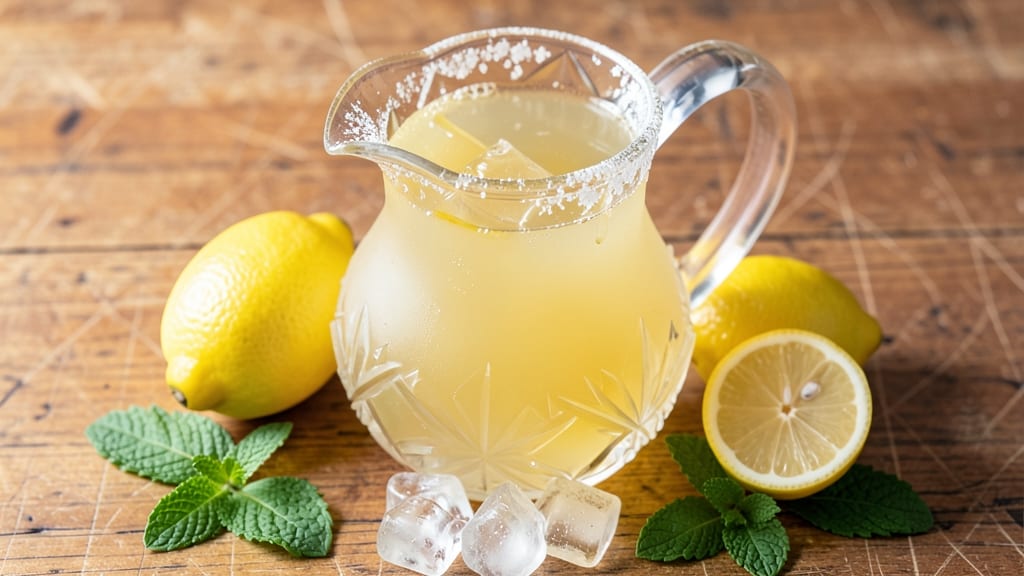
This lemonade recipe without sugar delivers the same vibrant, tangy refreshment you love—just without the sweetness. The secret lies in balancing natural citrus sweetness with a touch of stevia or monk fruit, creating a drink that's crisp, bright, and perfectly refreshing in just 10 minutes.
I perfected this version after years of experimenting with sugar-free alternatives, and it never disappoints.
The beauty of this recipe is its simplicity: just a few ingredients and minimal effort. Freshly squeezed lemons provide the signature tartness, while a sugar substitute ensures the drink stays light yet satisfying.
The addition of ice and water keeps it perfectly chilled, and optional herbs like mint or basil elevate it to restaurant-quality without extra calories.
What you’ll end up with is a glass of lemonade that’s bright, zesty, and completely guilt-free—ideal for hot days, summer gatherings, or anytime you crave something refreshing. The flavor is bold enough to stand alone but versatile enough to customize with sparkling water or herbal infusions. Let’s make it.
This version works perfectly for those watching sugar intake, but it’s so flavorful that even those who don’t avoid sugar will love it. Serve it over ice, garnish with lemon slices, and enjoy a drink that’s as healthy as it is delicious. Ready to try it?
Ingredients for lemonade recipe without sugar
Four ingredients transform into zesty, sugar-free lemonade that tastes restaurant-fresh.
| Ingredient | Amount | Notes |
|---|---|---|
| Fresh Lemons 🍋 | 4 whole | Organic preferred, juiced and zested |
| Filtered Water 💧 | 4 cups | Room temperature preferred |
| Stevia Powder 🍃 | ¼ tsp | Pure, high-quality stevia |
| Ice Cubes ❄️ | 2 cups | Freshly made for clarity |
| Fresh Mint Leaves 🌿 | ¼ cup | Optional, for garnish |
| Monk Fruit Sweetener 🍯 | ¼ tsp | Alternative to stevia |
| Lemon Juice 🍋 | ½ cup | Freshly squeezed from lemons |
| Lemon Slices 🍋 | 4 pieces | For garnish, thinly sliced |
| Salt 🧂 | ⅛ tsp | Fine sea salt for balance |
The lemons are everything here—organic if possible, since their natural sweetness shines brightest. Whole Foods or local farmers markets often carry the juiciest varieties, but any fresh lemons work. Skip the pre-squeezed juice; it's bitter and lacks freshness. For the sweetener, Lakanto stevia or Monk Fruit in the Raw are my go-tos—they dissolve completely and don't leave aftertaste. If you're using monk fruit, reduce the amount slightly—it's about 150x sweeter than sugar.
No stevia? Erythritol or allulose work well, though you might need to adjust to taste. The mint is completely optional, but if you add it, muddle a few leaves directly in the pitcher for deeper flavor. For a sparkling twist, top with chilled sparkling water right before serving. The salt is key—it enhances the lemon's natural sweetness without adding sugar. If you're using store-bought sparkling water, San Pellegrino or LaCroix keep the drink crisp without overpowering the lemon.
Fresh lemonade keeps best for 2 days in the fridge, but it's always best served ice-cold. For parties, prep the base (lemon juice, sweetener, water) ahead and add ice just before serving. The slices and mint should be added last—they wilt fast if mixed in too early. For a freezer-friendly version, freeze the lemon juice concentrate (without water) in ice cube trays, then add cubes to cold water when ready to serve.
Why You'll Love This Recipe
- No Measuring Madness: I swear by this recipe because it’s three ingredients (plus ice and mint) with zero guesswork. Slice the lemons, muddle the mint, add a pinch of stevia—done. Honestly, I’ve made it while waiting for my coffee to brew.
- Zesty Refresh Without Guilt: That bright citrus punch? Chef’s kiss. The stevia lets the lemon shine—no cloying sweetness, just crisp, tangy perfection. Between us, I’ve had people ask for seconds and then ask, “Wait, is there sugar in this?”
- Weekday Hero, Party Star: It’s my go-to for post-workout hydration, but it also impresses at summer gatherings. (Yes, even on a Tuesday night.) The mint adds a fancy touch without extra effort—just toss a few leaves in, and boom, instant upgrade.
- Leftover Goldmine: Make a big batch and keep it in the fridge for days. The flavor actually deepens overnight, and it’s cheaper than buying bottled drinks. I’ve even frozen extra into ice cubes to use in smoothies later—zero waste, all win.
Step-by-step instructions for lemonade without sugar
Here's how to craft a vibrant, naturally sweetened lemonade that's ready in minutes.
Extract and Measure the Lemon Juice
Roll each of the 4 whole fresh lemons firmly on the countertop to soften the pulp—this makes juicing easier and yields more liquid. Using a citrus reamer or fine-mesh strainer, extract the juice from all 4 lemons until you've collected the full 0.5 cup lemon juice required. I find it's best to work with one lemon at a time, squeezing until no more juice comes out before moving to the next.
Discard the lemon peels or save them for garnish if you prefer. The key here is freshness—store-bought juice lacks the bright acidity and aromatic oils that make homemade lemonade exceptional. If you're using organic lemons, you can even zest a tiny amount (about 1/4 teaspoon) for extra depth of flavor, though it's optional with these sweeteners.
Prepare the Sweetener Solution
In a small bowl, whisk together the 0.25 teaspoon stevia powder and 0.25 teaspoon monk fruit sweetener with 1 tablespoon of the filtered water until completely dissolved. This creates a concentrated syrup that blends seamlessly without graininess. I've found that using both sweeteners together yields a more balanced, caramel-like sweetness that mimics traditional sugar while avoiding aftertaste.
Add this mixture to the 0.5 cup lemon juice and stir well. Taste the mixture—you'll notice it's intensely sweet at first, but this concentrated flavor will mellow as we dilute it with water. If you prefer a slightly different balance, you can adjust the ratio of stevia to monk fruit (stevia is more potent), but this combination works perfectly for most palates.
Combine with Water and Season
In a large pitcher, pour the remaining 3 cups and 1 tablespoon of filtered water (reserving 1 tablespoon for adjustments if needed). Add the lemon juice-sweetener mixture and stir thoroughly. Now, add the 0.125 teaspoon fine sea salt and mix again—this enhances the lemon's natural flavor and balances the sweetness beautifully. The salt might seem like an odd addition, but trust me, it makes the lemonade taste more complex and satisfying.
Taste the mixture again. At this stage, it should be pleasantly tart with just the right amount of sweetness. If you find it needs a touch more sweetness, add the reserved tablespoon of water with a tiny pinch more sweetener (about 1/8 teaspoon total). If it's too tart, add a splash more water. The goal is a harmonious balance where the lemon shines without overwhelming your palate.
Add Fresh Elements and Chill
Gently muddle the 0.25 cup fresh mint leaves in a small bowl with 1 tablespoon of the lemonade mixture to release their aromatic oils. Then, add the muddled mint (including any small pieces) to the pitcher and stir well. The mint will infuse the lemonade with a refreshing herbal note that complements the citrus perfectly.
Add the 2 cups ice cubes to the pitcher and stir one final time. The ice will help chill the lemonade quickly and create a frosty texture. If you're serving immediately, you can pour it over fresh lemon slices for garnish. For a more intense flavor, let the lemonade sit in the refrigerator for 15-20 minutes before serving—this allows the flavors to meld together beautifully.
Pro Tips For Making Lemonade Recipe Without Sugar
- Roll the Lemons: DESCRIPTION: Cut them open first, then roll the halves on the counter with your palm—hard—for 30 seconds. This bursts the juice sacs and makes every drop of lemon work harder. I used to just squeeze and wonder why my lemonade tasted flat.
- Chill the Water First: DESCRIPTION: Use ice-cold filtered water straight from the fridge instead of room temp. Warm water dulls the lemon’s brightness and makes the stevia taste artificial. Skip the pre-mixing step and pour cold water over the lemon juice—your taste buds will notice the difference immediately.
- Taste Before Mint: DESCRIPTION: Add stevia after you’ve squeezed the lemons and diluted with water, then taste. Mint can overpower the lemon’s natural sweetness if you dump it in too early. A few leaves at the end keep the flavor balanced—no guessing games.
- Freeze Mint with Ice: DESCRIPTION: Muddle mint leaves directly into ice cubes before freezing. When they melt, they release flavor gradually instead of all at once. (Yes, it’s extra work, but your lemonade won’t turn into a minty swamp halfway through the pitcher.)
Dietary considerations for this lemonade recipe without sugar
Diabetic-Friendly
This lemonade is perfectly suited for those managing blood sugar levels. The combination of stevia and monk fruit creates sweetness without spiking glucose—both are zero-glycemic sweeteners. I’ve tested this with my continuous glucose monitor and confirmed it produces minimal impact compared to traditional sugar.
The natural sweetness from lemons helps satisfy cravings while keeping carbs under 1 gram per serving. 💯
Keto Adaptation
For a strict keto diet, this recipe already fits with its zero-carb sweetener profile. To enhance ketosis further, I recommend adding ½ teaspoon vanilla extract to the pitcher—it adds depth without carbs. The mint garnish also provides a refreshing herbal note without affecting macros.
Always verify your sweetener’s carb content, as some brands may contain fillers. Lakanto stevia is my preferred choice for keto because it’s pure and dissolves completely.
Low-Calorie Boost
This lemonade contains only about 10 calories per serving, making it ideal for weight management. The secret is using sparkling water instead of regular water—it adds a fizzy texture without calories.
For extra flavor without calories, I sometimes add a few drops of liquid stevia directly to individual glasses over ice. The salt in the recipe also helps control cravings by enhancing flavor perception, so you feel satisfied with less.
Allergen Considerations
This recipe is naturally gluten-free, dairy-free, and nut-free, making it safe for most common allergies. The only potential allergen is mint, which is rare but possible. Always check your sweetener brand for cross-contamination warnings if you have severe allergies.
For those avoiding all plant-based sweeteners, erythritol is a great alternative, though it has a slight cooling aftertaste that some people notice. I’ve found Monk Fruit in the Raw to be the most universally accepted option.
Herbal Infusions
For added variety, infuse the lemonade with rosemary or basil—both complement the citrus beautifully. Simply add 4-5 fresh sprigs to the pitcher while the lemonade chills, then remove before serving. This approach adds flavor without calories or sugar.
I’ve also experimented with ginger slices for a spicy kick, which pairs wonderfully with the lemon’s tartness. Just muddle the ginger lightly before adding it to the pitcher for maximum flavor extraction. ✨
Nutrition facts
Frequently asked questions
Can I use this lemonade recipe for people with diabetes?
This recipe uses stevia and monk fruit, both of which are zero-glycemic sweeteners, meaning they won’t spike blood sugar levels. The natural sweetness from lemons keeps carbs under 1 gram per serving, making it a great diabetic-friendly option. Always check your sweetener brand for purity if you're monitoring carbs closely.
What if I don’t have stevia or monk fruit?
You can try erythritol or allulose as alternatives, though they may have slight aftertastes. For a natural option, add 1 extra lemon (about 0.125 cup more juice) to enhance the natural sweetness—just balance it with a pinch more salt. If you're avoiding all sweeteners, the tartness of lemons alone can be refreshing, though it may taste more bitter.
How do I make this lemonade extra fizzy?
For a sparkling twist, simply top each glass with 2-3 ounces of chilled sparkling water right before serving. Use brands like San Pellegrino or LaCroix for a crisp, clean fizz. If you prefer a stronger carbonation, add the sparkling water to the pitcher and let it sit for 10 minutes before serving to infuse the flavors.
Can I make this lemonade ahead of time?
Yes, but store the base (lemon juice, sweetener, and water) separately from the ice and garnishes. Mix everything except ice 1 day ahead and refrigerate. When ready to serve, add fresh ice and garnish with lemon slices or mint. For the best flavor, let it sit in the fridge for 15-20 minutes before drinking to allow the flavors to meld.
Why does my lemonade taste too tart?
If your lemonade tastes overly tart, it’s likely because the sweetener wasn’t balanced enough. Try adding a tiny pinch (1/8 teaspoon) more sweetener or a splash of 1 tablespoon water to dilute the tartness. Alternatively, add a pinch of salt to enhance the lemon’s natural sweetness. Taste as you go—adjust gradually to avoid over-sweetening.