
Side Dishes
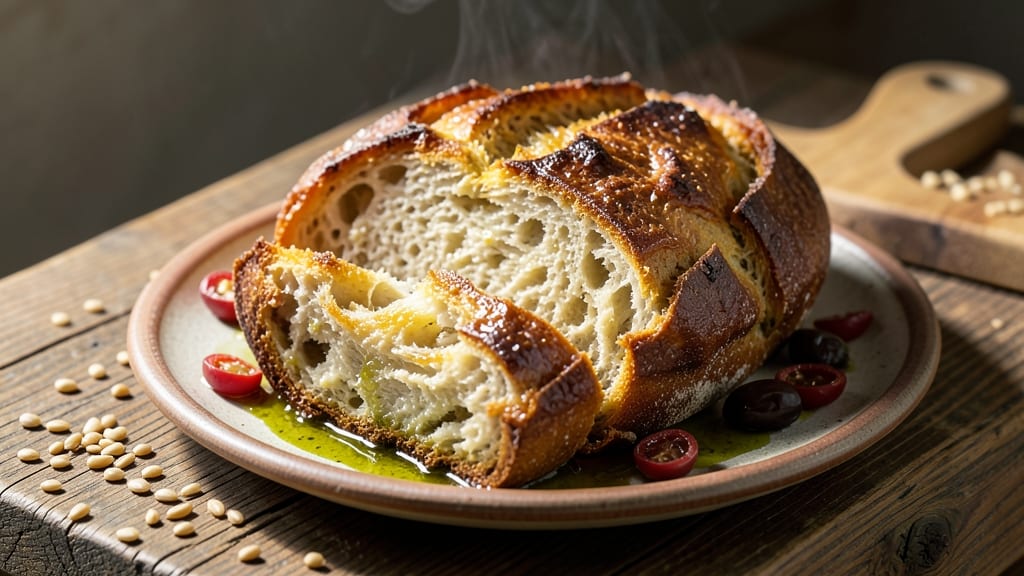
This Markouk bread recipe brings the aromatic streets of Lebanon into your kitchen with its signature flaky layers and fragrant za’atar zing. 🌟 The secret lies in a precise dough technique that creates those signature puffs—no special equipment needed, just patience and a hot griddle.
I’ve perfected this method over years of baking, ensuring every bite delivers that satisfying crunch with a tender interior.
The dough starts with simple ingredients—flour, yeast, and olive oil—but the magic happens in the folding and resting. Each fold builds layers like delicate pastry, while the za’atar topping adds a tangy, herby aroma that defines this bread.
Unlike traditional pita, Markouk’s flaky texture comes from a slower rise and careful shaping, making it worth the extra effort.
Once baked, you’ll have golden-brown bread with crisp edges and soft centers, perfect for scooping up dips or wrapping around grilled meats. The za’atar topping adds a savory kick that pairs beautifully with hummus, labneh, or even as a side to roasted vegetables.
This recipe delivers restaurant-quality results with just a few pantry staples.
For added depth, try infusing the dough with garlic or using whole wheat flour for a nuttier flavor. Whether you’re serving a mezze spread or looking for a unique side dish, Markouk bread elevates any meal with its distinct texture and bold taste. Let’s get baking!
Ingredients for markouk bread
Simple ingredients transform into restaurant-quality Markouk with flaky layers and za’atar aroma.
| Ingredient | Amount | Notes |
|---|---|---|
| All-Purpose Flour 🌾 | 5 cups | Sifted for light texture |
| Active Dry Yeast 🍞 | ¼ oz | Or 2 1/4 tsp (1 packet) |
| Extra-Virgin Olive Oil 🫒 | ½ cup | High-quality, fruity variety |
| Granulated Sugar 🍚 | 1 tbsp | Activates yeast quickly |
| Salt 🧂 | 1 ½ tsp | Fine sea salt preferred |
| Warm Water 💧 | 1 ¼ cups | 110°F for yeast activation |
| Za’atar Seasoning 🌿 | ¼ cup | Homemade or store-bought blend |
| Toasted Sesame Seeds 🌰 | 2 tbsp | For topping crunch |
| Garlic Cloves 🧄 | 2 cloves | Minced for dough infusion |
| Cornmeal 🌽 | ¼ cup | For dusting work surface |
| Semolina Flour 🌾 | ¼ cup | For rolling and dusting |
| Vegetable Oil 🫒 | 2 tbsp | For griddle brushing |
The flour is non-negotiable here—King Arthur or Gold Medal brands yield the best results for that signature flakiness. Za’atar seasoning should include sesame seeds, sumac, and dried thyme; Penzeys or Middle Eastern markets carry the best blends. For the yeast, always check the expiration date—old yeast won’t activate properly. The olive oil should be extra-virgin with a fruity aroma (none of that cheap cooking oil). If you’re using whole wheat flour for a nuttier twist, replace half the all-purpose flour and add an extra tablespoon of water to the dough.
No za’atar? Mix 2 tbsp sesame seeds, 1 tbsp sumac, 1 tsp dried thyme, and 1 tsp salt for a close approximation. Short on sesame seeds? Poppy seeds or crushed pistachios add a different but still delicious crunch. For the garlic infusion, roasted garlic paste works in a pinch (use half the amount). The dough can be made ahead—just let it rise overnight in the fridge for deeper flavor. If you’re baking for a crowd, double the recipe, but keep the dough balls smaller for even cooking.
Store baked Markouk in an airtight container at room temperature for up to 3 days, though it’s best enjoyed fresh. For longer storage, freeze the bread in a paper bag for 1 month. Reheat in a 350°F oven for 5 minutes to restore crispness. The za’atar topping stays potent for 6 months if stored in a cool, dark place. To save time, prep the dough the night before—it’s one less thing to worry about on baking day.
Why You'll Love This Recipe
- No-Knead Magic: I swear by this dough—just mix, let it rise, and bake. The yeast does all the heavy lifting while you sip coffee or scroll through your phone. Honestly, my lazy weekends have never tasted better.
- Olive Oil Luxury: That splash of extra-virgin olive oil? It’s the secret weapon. The bread develops a golden crust with a tender crumb, and the flavor? Rich, buttery, and way more sophisticated than store-bought. (Yes, even on a Tuesday night.)
- Everyday Star: Tear it for soup, toast it for breakfast, or use it to soak up marinara. It’s my go-to for meal prep because it stays fresh for days, and the simple dough means I never run out of excuses not to bake.
- Budget Baking: Five ingredients, zero guilt. The flour and yeast stretch further than you’d think, and the sugar just barely sweetens—no fancy substitutions needed. My wallet (and my taste buds) thank me every time.
Step-by-step instructions for Markouk bread
Master the art of flaky layers with this proven method for authentic markouk bread.
👨🍳 Step 1: Activate the Yeast and Mix the Dough
In a large bowl, combine the 1.25 cups warm water (around 110°F) with the 1 tbsp granulated sugar and 0.25 oz active dry yeast. Let it sit for 5-10 minutes until frothy—this confirms your yeast is active. If it doesn't bubble, start over with fresh yeast.
In a separate bowl, whisk together the 5 cups all-purpose flour, 1.5 tsp salt, 0.25 cup za'atar seasoning, and 2 minced garlic cloves. Create a well in the center and pour in the yeast mixture along with the 0.5 cup extra-virgin olive oil. Mix with a wooden spoon until a shaggy dough forms, then knead by hand on a lightly floured surface for 8-10 minutes until smooth and elastic.
🥘 Step 2: First Rise and Layering Preparation
Place the dough in a lightly oiled bowl, cover with a damp towel, and let rise in a warm place for 1-2 hours or until doubled in size. The dough should be soft and springy when poked—this indicates proper fermentation. While it rises, prepare your work surface by sprinkling 0.25 cup cornmeal evenly across it.
Punch down the dough to release air, then divide it into 8 equal pieces (about 6 oz each). Roll each piece into a 12-inch circle, brushing each with a little water. Sprinkle each circle with 1 tsp za'atar seasoning and ½ tsp toasted sesame seeds, then roll up tightly from one side to form a log. Seal the ends well to prevent unraveling during baking.
🔥 Step 3: Bake the Flaky Layers
Preheat your oven to 375°F with a baking sheet inside to heat up. Brush the hot baking sheet with 2 tbsp vegetable oil, then arrange the sealed logs side by side. Bake for 25-30 minutes until the bread is deep golden brown and sounds hollow when tapped on the bottom.
Here's the secret for flaky layers: as soon as you remove the bread from the oven, immediately cut each log diagonally into ½-inch thick slices while still hot. The residual steam will create those signature flaky layers. Transfer to a wire rack to cool for 10 minutes before serving.
🍽️ Step 4: Serve Warm for Maximum Flakiness
Serve the markouk bread immediately while still warm to enjoy the perfect combination of crispy exterior and flaky, buttery layers. The za'atar seasoning should infuse each bite with its signature tangy, herby flavor. For extra authenticity, brush the slices with melted butter before serving.
If storing, keep in an airtight container for up to 3 days, but I recommend making fresh batches—they reheat beautifully in a 350°F oven for 5-7 minutes to restore that bakery-fresh texture.
Pro Tips For Making Markouk Bread
- Bloom the Yeast First: DESCRIPTION:
- Use Olive Oil Sparingly: DESCRIPTION:
- Don’t Over-Knead the Dough: DESCRIPTION:
- Shape Loaves Tightly: DESCRIPTION:
Common mistakes when making this recipe
Over-Kneading the Dough
Markouk dough develops gluten naturally during the rise, so over-kneading creates a tough, chewy texture instead of the delicate layers you want. I stop kneading when the dough is smooth and springs back slightly when poked—about 8-10 minutes total.
Using a stand mixer with a dough hook can easily overwork it, so always knead by hand for this recipe. 🌾
Skipping the Folding Technique
The signature flaky layers come from the rolling and sealing process, not just baking. Many home bakers skip this step and end up with dense bread. After rolling each dough circle, brush it with water and sprinkle za’atar before sealing tightly—this creates steam pockets during baking.
I recommend practicing on one dough ball first to perfect the technique.
Using Cold Ingredients
Cold water or oil slows yeast activation, leading to an uneven rise and poor texture. Always use warm water (110°F) and room-temperature olive oil. I test water temperature by sprinkling a few drops on my wrist—it should feel warm but not hot.
Cold ingredients also make the dough harder to handle during shaping.
Inconsistent Dough Weight
Uneven dough balls result in bread that cooks at different rates, causing some pieces to burn while others stay undercooked. Weigh each ball on a kitchen scale for precision—aim for 6 oz each.
If you don’t have a scale, use measuring cups and divide the dough into equal portions by volume, then adjust by feel.
Overbaking or Underbaking
Markouk should be golden brown with crisp edges but still soft inside. Overbaking dries it out, while underbaking leaves it gummy. I check doneness by tapping the bottom—it should sound hollow.
Bake time varies by oven, so start checking at 25 minutes. The bread continues cooking slightly after removal, so pull it out when just set.
Ignoring Resting Time
Cutting the hot bread immediately collapses the flaky layers. Always let it rest on a wire rack for 10 minutes before slicing. This allows steam to escape and the structure to set properly.
I’ve seen many bakers rush this step and end up with a sad, flat pile of bread instead of beautiful layers. Patience pays off here! ✨
Nutrition facts
Frequently asked questions
Why does Markouk bread have flaky layers?
The flaky layers come from a combination of the dough's rolling and sealing technique and the steam created during baking. When you roll each dough circle tightly and seal the ends, the trapped steam expands as it bakes, creating those signature puffy layers. The za'atar topping also adds an aromatic contrast that enhances the texture.
Can I make Markouk bread without za'atar?
Yes! If you can't find za'atar, substitute with 2 tbsp sesame seeds, 1 tbsp sumac, 1 tsp dried thyme, and 1 tsp salt. For a simpler version, just use toasted sesame seeds and garlic powder. The bread will still taste delicious—just lose the signature tangy flavor. The key is still the layering technique, not the seasoning.
How long should I let the dough rise?
The dough needs 1-2 hours to double in size at room temperature (about 75°F). If your kitchen is cooler, extend the rise to 2-3 hours. For deeper flavor, refrigerate the dough overnight after the first rise—just let it come to room temperature before shaping. A slow rise enhances the bread's complexity.
Can I bake Markouk bread on a stovetop griddle?
Heat your griddle to medium-high heat and brush with oil. Cook each sealed dough log for 2-3 minutes per side until golden brown. The stovetop method gives a slightly crispier exterior, but oven-baking creates more even layers. For best results, use both: bake in the oven, then finish on the griddle for extra crunch.
What’s the best way to store leftover Markouk?
Keep baked Markouk in an airtight container at room temperature for up to 3 days. For longer storage, freeze the bread in a paper bag for 1 month. To revive, reheat in a 350°F oven for 5 minutes or warm on the griddle for 1-2 minutes per side. The layers stay crispy when properly stored!