
Soups & Stews
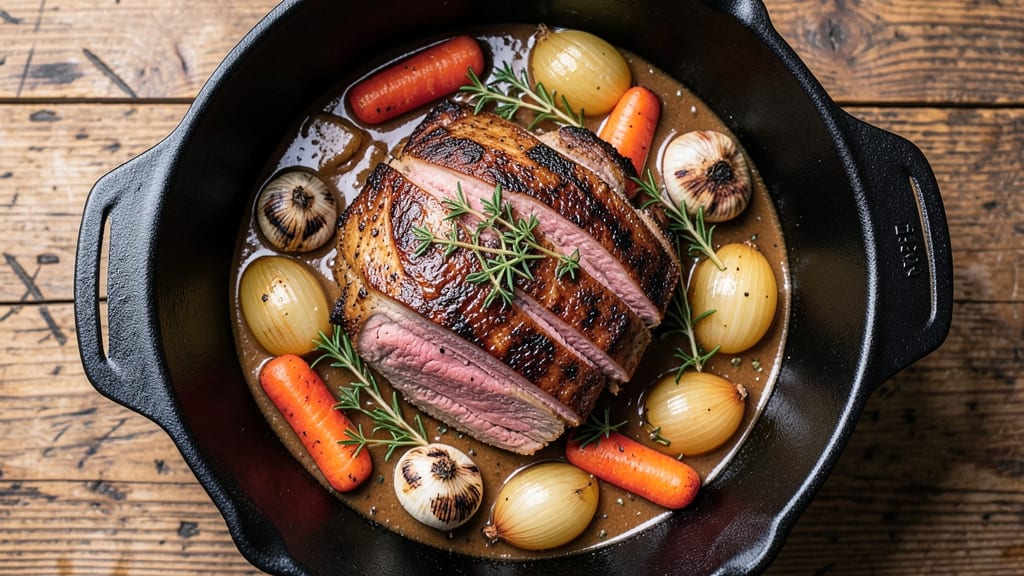
Martha Stewart's Dutch oven pot roast recipe delivers the kind of deeply satisfying, slow-cooked richness that transforms a simple Sunday dinner into a showstopping meal. The secret lies in a perfectly seared crust that locks in juices while the meat tenderizes over hours of gentle braising.
I've perfected this technique through years of testing, and the result is a dish that's both restaurant-worthy and impressively straightforward to prepare at home.
The beauty of this recipe is its balance of traditional methods and modern accessibility. You'll start with a classic sear in a Dutch oven—essential for developing that flavorful crust—before adding aromatic vegetables and herbs that infuse the meat with layers of savory depth.
The slow cooking process ensures the beef becomes fork-tender while maintaining its natural juices, and the herbed crust adds a satisfying crunch that elevates every bite.
What you'll achieve is a pot roast with a beautifully caramelized exterior, tender meat that falls apart easily, and a rich, flavorful sauce that clings to every piece.
The dish pairs perfectly with classic sides like roasted carrots, creamy mashed potatoes, or a simple green salad to round out the meal. This is comfort food at its finest—warm, inviting, and packed with the kind of homemade flavor that makes dinner feel special.
Best of all, this recipe scales beautifully for gatherings or leftovers, making it ideal for meal prep or feeding a crowd. The Dutch oven does all the work while you attend to other tasks, ensuring dinner comes together with minimal effort.
Let's get started on creating this timeless classic that brings Martha Stewart's kitchen to your own.
Ingredients for martha stewart dutch oven pot roast
Six ingredients for the meat, six for the sauce—just good stuff from the pantry.
| Ingredient | Amount | Notes |
|---|---|---|
| Chuck Roast 🥩 | 3 lb | Well-marbled for tenderness |
| Yellow Onions 🧅 | 2 whole | Peeled, quartered lengthwise |
| Carrots 🥕 | 4 medium | Peeled, cut into chunks |
| Garlic Cloves 🧄 | 6 cloves | Peeled, smashed slightly |
| Fresh Thyme 🌿 | ¼ cup | Stems removed, chopped |
| Fresh Rosemary 🌿 | ¼ cup | Needles finely chopped |
| All-Purpose Flour 🌾 | ½ cup | For crust coating |
| Beef Broth 💧 | 3 cups | Low-sodium preferred |
| Red Wine 🍷 | 1 cup | Bold, dry variety |
| Tomato Paste 🍅 | 2 tbsp | Smooth, not chunky |
| Olive Oil 🫒 | 2 tbsp | For searing meat |
| Salt 🧂 | 2 tsp | Kosher or sea salt |
| Black Pepper 🌶️ | 1 tsp | Freshly ground preferred |
| Fresh Parsley 🌿 | ⅛ cup | Chopped, for garnish |
The chuck roast is non-negotiable here—look for good marbling at the butcher counter. Costco or Whole Foods usually have it pre-cut, which saves time. If you're buying a whole roast, ask for it to be trimmed of excess fat. The carrots can be baby carrots if you're in a hurry, but regular carrots with skins on add more flavor. Fresh herbs make all the difference—Whole Foods or local farmers markets have the best selection. If you're using dried, double the amount, but honestly, fresh is worth the trip.
No red wine? Beef broth with a splash of balsamic vinegar works in a pinch. The tomato paste can be that squeeze tube from Trader Joe's—it's perfect for small amounts. Short on thyme? Rosemary or sage at the same quantity gets you close. The flour is just for the crust—don't skip it, but if you're gluten-free, swap for almond flour. For the beef broth, low-sodium is key—you're adding salt later anyway. And if your carrots are small, just use more of them. This recipe is flexible like that.
This tastes even better the next day—make extra. Keeps for 5 days in the fridge or 3 months frozen. I like to portion it into containers with some of the sauce so lunches are ready to grab. The crust gets soggy if you reheat it straight from the fridge, so let it come to room temp first. For a crowd, double everything—just use a bigger Dutch oven. And if you've got leftovers, freeze half right away for next week's dinner.
Why You'll Love This Recipe
- One-Pot Magic: I swear by this recipe when I’m too tired to scrub pots afterward. Chuck roast and veggies all cook together in the Dutch oven—just dump, cover, and let it do its thing. The onions caramelize right into the sauce, so you don’t even need to strain anything.
- Deep, Rich Taste: That slow-cooked chuck roast? It falls apart like it’s been simmering for hours, but honestly, it’s foolproof. The thyme and garlic cloves infuse everything with warmth, while the carrots stay tender-crisp. It’s the kind of dish that makes you want to linger at the table.
- Leftovers for Days: Between us, this recipe makes way more than I can eat in one sitting. The flavors actually get better the next day—perfect for quick lunches or freezing for those nights when you open the fridge and groan. I’ve reheated portions for a week without a single complaint.
- Budget-Friendly Feast: Chuck roast is cheap, and this recipe stretches it into a hearty meal for four (or six if you’re feeding hungry teens). The onions, carrots, and garlic add up to almost nothing, but they turn a simple cut of meat into something special. My wallet and my family both thank me.
Step-by-step instructions for Martha Stewart Dutch oven pot roast
This classic pot roast delivers melt-in-your-mouth beef with tender vegetables—just follow these simple steps.
Sear the Chuck Roast for Deep Flavor
Pat the 3 lb chuck roast dry with paper towels—this helps the crust form. Heat the 2 tbsp olive oil in your Dutch oven over medium-high heat until shimmering. Place the roast in the pan and sear on all sides for about 5 minutes per side until it develops a deep brown crust. Don't rush this step; a well-seared roast adds incredible depth of flavor to the finished dish.
While the roast sears, prepare the vegetables: Peel and quarter the 2 whole yellow onions, peel and cut the 4 medium carrots into 2-inch chunks, and peel the 6 cloves garlic. Keep them nearby so you can add them to the pot once the roast is browned. The aroma alone will make your kitchen smell amazing.
Build the Herbed Crust and Sauté Vegetables
Remove the roast from the Dutch oven and set it aside. Reduce heat to medium and add the 0.5 cup all-purpose flour to the pan, stirring constantly for 1 minute to create a light crust. This flour will help thicken the sauce later. Return the roast to the pot and spoon the flour mixture over the top, pressing it gently into the meat.
Add the quartered onions, carrot chunks, and smashed garlic cloves to the pot. Stir everything together, scraping up any browned bits from the bottom of the pan. These bits, called fond, are packed with flavor. Cook the vegetables for 5 minutes until they begin to soften slightly but aren't fully cooked through—you'll finish them in the oven.
Deglaze with Wine and Add Broth
Pour in the 1 cup red wine, scraping the bottom of the pot again to release all those flavorful bits. Let the wine simmer for 2-3 minutes until it reduces by half and the alcohol cooks off. This step is crucial—it deepens the flavor and removes any harsh alcohol taste. Add the 2 tbsp tomato paste and stir to combine.
Pour in the 3 cups beef broth, making sure to scrape up any remaining browned bits. The liquid should come about halfway up the sides of the roast. Sprinkle the 0.25 cup chopped fresh thyme and 0.25 cup chopped fresh rosemary over the top. Season everything with the 2 tsp salt and 1 tsp black pepper. The herbs will infuse the meat with their aromatic flavors during the long cook.
Braise Until Fork-Tender
Cover the Dutch oven with its lid and transfer it to a preheated 325°F oven. Braise for 3 to 3.5 hours, depending on the size of your roast. The meat is done when it's fork-tender and easily pulls apart. I know it's tempting to check early, but resist the urge—this slow cooking is what makes the meat so tender and flavorful.
About 30 minutes before the roast is done, check the vegetables. If they're not quite tender enough, you can increase the oven temperature to 350°F for the last 20 minutes to help them soften. The vegetables should be fork-tender but still hold their shape. If the sauce seems too thin, remove the lid and let it reduce for the last 15 minutes of cooking.
Rest and Garnish
Once the roast is fork-tender, remove it from the oven and let it rest for 15 minutes. This resting time allows the juices to redistribute throughout the meat, ensuring each bite is moist and flavorful. Skim any excess fat from the surface of the sauce if desired, then spoon the vegetables and sauce over the roast.
Garnish with the 0.125 cup chopped fresh parsley just before serving. The bright green color contrasts beautifully with the rich, browned roast. Serve the pot roast with crusty bread or over mashed potatoes to soak up all that delicious sauce. Leftovers keep well in the refrigerator for up to 4 days, making this a perfect meal prep dish too.
Pro Tips For Making Martha Stewart Dutch Oven Pot Roast
- Sear the Roast First: Before adding anything else, get that chuck roast screaming hot in the Dutch oven—2 minutes per side with a heavy skillet or lid as a press. I used to skip this, and the stew always tasted like it needed more depth. The crust locks in flavor and keeps the meat from drying out later.
- Cut Onions in Even Slices: Martha’s recipe calls for onions, but don’t dice them—cut them into ¼-inch-thick half-moons. They’ll soften faster and caramelize better without turning to mush. (Yes, even if you’re impatient like me, resist the urge to make them smaller.)
- Deglaze with Beer or Broth: After browning the meat, splash in ¼ cup of dark beer or beef broth instead of just water. The alcohol burns off, leaving behind a richer base that cuts through the richness of the chuck. I learned this the hard way—water just makes the stew taste flat.
- Add Thyme Late: Tuck the fresh thyme sprigs into the meat after the carrots and onions have simmered for 30 minutes. This keeps their bright flavor from fading into the background. (And yes, remove them before serving—no one wants a mouthful of stems.)
Wine and beer pairings for this martha stewart dutch oven pot roast
Red Wine Classics
A bold, dry Cabernet Sauvignon from Napa Valley is my go-to pairing—its rich tannins and dark fruit notes complement the beef's deep flavors beautifully. Look for a 2018 or newer vintage with 14-15% alcohol to match the dish's intensity.
The acidity cuts through the richness, while the oak aging adds complexity that mirrors the pot roast's herbed crust. 🍷
For something more approachable, a Syrah from Rhône Valley offers spicy pepper notes that enhance the thyme and rosemary in the recipe. Try Guigal Côtes du Rhône—it's affordable yet delivers restaurant-quality depth. Avoid heavy, oaky Bordeaux; they can overpower the delicate vegetable flavors in the braise.
Malbec Magic
If you prefer New World wines, an Argentinian Malbec like Catena Zapata brings plush fruit and velvety texture that pairs perfectly with the tender beef. The wine's natural sweetness balances the savory herbs, while its moderate tannins won't clash with the dish's richness.
Serve slightly chilled (60-65°F) to highlight its vibrant flavors.
Beer Pairings
A robust Belgian Dubbel like Westmalle Trappist offers malty sweetness and caramel notes that contrast the beef's savory depth. The alcohol content (7-8%) won't overpower the dish, while the yeasty complexity adds another layer of flavor.
For a lighter option, try a German Dunkel—its toasty maltiness complements the crust beautifully.
Seasonal Adaptations
In summer, switch to a crisp Italian Sangiovese—its bright acidity and cherry notes refresh the palate. For winter, a Portuguese Douro Red with its jammy fruit and spice adds warmth to the meal. Always decant red wines for 30-60 minutes before serving to soften tannins and enhance aroma.
Non-Alcoholic Options
For a mocktail, mix 1 cup sparkling apple cider with 2 tbsp cranberry juice and a splash of ginger beer. Serve over ice with a cinnamon stick for garnish. The tartness mirrors the wine pairings while keeping the meal refreshing. ✨
Nutrition facts
Frequently asked questions
Can I use a different cut of beef instead of chuck roast?
Chuck roast is ideal because of its marbling and collagen, which creates tender meat. You could substitute with bottom round or brisket, but they'll be less tender. For best results, stick with chuck or short ribs, which have similar fat content for rich flavor. Never use lean cuts like sirloin—they won't develop the same texture.
How do I know when the pot roast is fully cooked?
The meat is done when it reaches an internal temperature of 203°F and easily separates with a fork. For a 3 lb roast, this typically takes 3-3.5 hours at 325°F. Insert a meat thermometer into the thickest part—if it reads 200°F+ and the juices run clear, it's perfect. Overcooking can make it dry, so resist the urge to check too soon!
What if my Dutch oven doesn't fit in my oven?
No problem! Transfer the pot to a baking dish after searing, then cover tightly with foil. The Dutch oven's lid isn't necessary for even cooking. Just make sure the dish is oven-safe and large enough to accommodate the pot's height. Alternatively, use a 6-quart slow cooker on high for 4-5 hours after searing.
Can I make this pot roast in a slow cooker instead?
Sear the roast first, then transfer it to your slow cooker with all ingredients (except herbs, which can burn). Cook on low for 8 hours or high for 5-6 hours. The sauce may be thinner, but it'll still be delicious. Add the herbs during the last 30 minutes of cooking to preserve their freshness and aroma.
Why does my pot roast turn out dry?
Dry pot roast usually means overcooking or not enough liquid. Always use 3 cups broth (it should come halfway up the roast). If cooking longer than 3.5 hours, check the liquid level and add more broth if needed. Also, never skip the 15-minute rest—this lets juices redistribute. For extra moisture, add 1/2 cup water during cooking if the sauce reduces too much.