
Sauces & Condiments
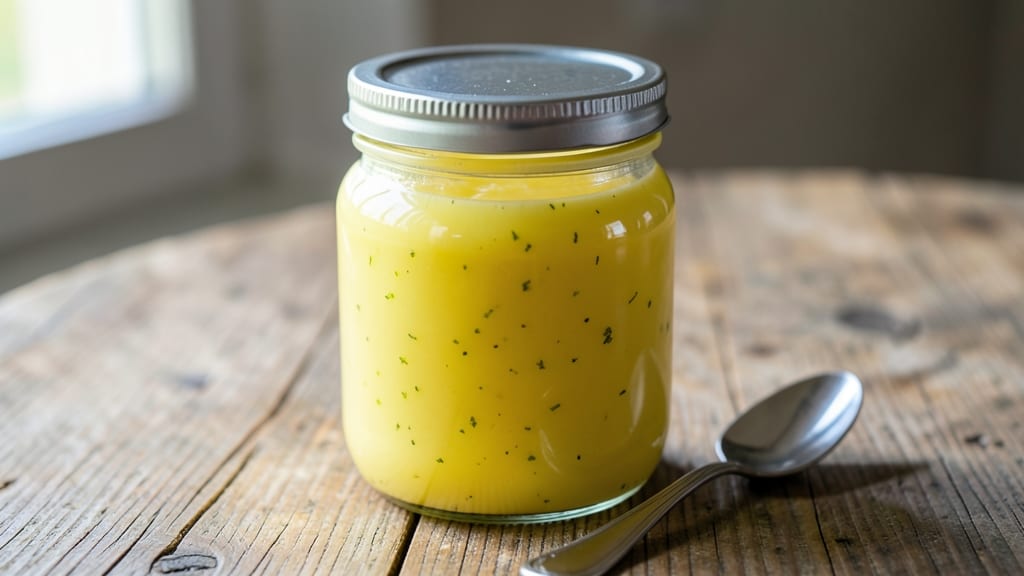
Mary Berry’s lemon curd recipe delivers that signature silky, vibrant citrus perfection without a single curdle or guesswork. The secret lies in precise technique—gentle heat, constant stirring, and a perfect balance of eggs, butter, and lemon juice that transforms into a glossy, tangy spread.
I’ve made this dozens of times, and every batch turns out flawlessly when you follow the method exactly.
What makes this recipe foolproof is the step-by-step approach: whisking eggs and sugar until pale (no lumps!), tempering them with warm lemon juice, then cooking everything together over low heat. The result is a velvety, bright yellow curd with just the right balance of sweetness and acidity—no bitterness, no graininess.
It’s the kind of condiment that elevates pastries, brightens yogurt, or glazes cakes with professional-level shine.
Once cooled, this lemon curd stays fresh for up to two weeks in the refrigerator, making it perfect for meal prep or gifting. The texture remains silky, not grainy, and the flavor only deepens over time.
Whether you’re filling tarts, dolloping onto pancakes, or using it as a cake glaze, you’ll get that restaurant-quality finish Mary Berry is known for.
Ready in just 15 minutes, this recipe proves you don’t need fancy equipment—just a saucepan, a whisk, and patience. Let’s make the brightest, smoothest lemon curd you’ve ever tasted.
Ingredients for mary berry lemon curd
Six simple ingredients transform into Mary Berry's legendary velvety lemon curd.
| Ingredient | Amount | Notes |
|---|---|---|
| Large Egg Yolks 🥚 | 6 whole | Separate from whites for best texture |
| Granulated Sugar 🍚 | 1 cup | White sugar preferred for clarity |
| Unsalted Butter 🧈 | ¾ cup | Cold, cubed for even melting |
| Fresh Lemon Juice 🍋 | 1 cup | From 4-5 lemons, freshly squeezed |
| Zest of 2 Large Lemons 🍋 | 2 tbsp | Bright yellow, finely grated |
| Salt 🧂 | ¼ tsp | Fine sea salt for balance |
| Cornstarch 🌾 | 1 tbsp | For silky finish, not flour |
| Large Egg Whites 🥚 | 2 whole | Optional for extra richness |
The eggs are the backbone here—use room-temperature yolks for smoothness, and if you're feeling fancy, add those whites for extra richness. Kirkland Signature eggs or any high-quality brand work best. Sugar matters too: Domino or C&H white sugar keeps it bright. Butter should be cold and cubed—don't melt it ahead of time. The lemons? Organic Meyer or Eureka lemons from the grocery store's produce section give the best flavor. If you can't find them, regular lemons work, but you might need an extra one for juice. The zest needs to be vibrant—if it's gray or dull, toss it and zest fresh.
No cornstarch? Arrowroot powder at the same amount works just as well. Short on lemon juice? Lemonade concentrate (unsweetened) at half the amount is a decent pinch-hitter, but it won't be quite as bright. Want more tang? Add a splash of extra lemon juice at the end—taste as you go. The sugar can be swapped for turbinado or brown sugar, but it'll change the color and texture slightly. And if you're making this ahead, zest the lemons right before using—it loses potency fast. Trust me, the difference is noticeable.
This curd keeps beautifully—2 weeks in the fridge if stored in a sealed jar with a thin layer of oil on top. For gifting, portion into small jars and wrap tightly. Freezes for 3 months if you add an extra tablespoon of lemon juice before freezing. I always make a double batch—one for tarts, one for dolloping on toast. The flavor actually improves after a day or two, so patience pays off. And if it ever looks grainy? Just whisk it back to smoothness—it's fixable!
Why You'll Love This Recipe
- No Fuss, No Fail: I’ve made this curd more times than I can count—it’s the kind that forgives mistakes. The yolks temper gently over the butter, and even if you rush the heat, the sugar keeps things smooth. (Yes, even when my toddler “helps” stir.)
- Zing in Every Spoon: That bright, buttery lemon tang? It’s the real deal. The zest adds layers of citrus punch, while the butter rounds out the sharpness—like sunshine in a jar. Honestly, I’ve never met a lemon curd that hits this balance so cleanly.
- Weekend Host’s Secret Weapon: Slather it on scones, dollop it into cheesecake, or just eat it with a spoon—this curd works everywhere. I keep a jar in the fridge for last-minute guests or lazy Sundays. (Pro tip: It’s also ridiculously good on buttered toast.)
- Pantry Magic on a Budget: Five ingredients, zero specialty tools. The sugar and butter are cheap staples, and lemons last longer than you’d think. I’ve stretched one batch into three uses—tarts, yogurt swirls, and even a glaze for roasted chicken. Minimal cost, maximum flavor.
Step-by-step instructions for Mary Berry's lemon curd
Here's how to make silky, vibrant lemon curd that's foolproof every time.
Whisk Egg Yolks and Sugar Until Pale and Thick
In a medium heatproof bowl, whisk together the 6 whole large egg yolks and 1 cup granulated sugar until the mixture turns pale yellow and thickens slightly. This should take about 3-4 minutes of steady whisking—you'll notice the sugar dissolves completely and the mixture becomes noticeably lighter in color.
I like to use a wire whisk for this step because it creates more air and helps the sugar dissolve faster. If you're using a stand mixer, use the whisk attachment on medium speed. The goal here is to create a smooth, homogenous base that will cook evenly without curdling later.
Add Butter, Lemon Juice, Zest, and Salt
Remove the bowl from the heatproof setup and stir in the 0.75 cup cold cubed unsalted butter, 1 cup fresh lemon juice, 2 tablespoons lemon zest, and 0.25 teaspoon salt. The butter should melt gently from the residual warmth of the yolks, creating a rich, creamy texture. The lemon zest adds that signature bright color and complex flavor.
Give everything a good stir to combine completely. Here's the thing—don't worry if the mixture looks slightly separated at this point. As we heat it, everything will come together beautifully. The key is to keep stirring gently to prevent any lumps from forming.
Cook Over Gentle Heat Until Thickened
Place the bowl over a pot of simmering water (double boiler method), making sure the bottom of the bowl doesn't touch the water. Cook on medium-low heat, stirring constantly with a silicone spatula, for 8-10 minutes until the mixture thickens enough to coat the back of a spoon.
You'll know it's ready when it reaches about 170°F on an instant-read thermometer and forms a ribbon when you lift the spatula—it should hold its shape briefly before melting back into the curd. This gentle cooking process is crucial for achieving that perfect silky texture without scrambling the eggs.
Incorporate Cornstarch for Extra Silky Finish
Remove the bowl from heat and stir in the 1 tablespoon cornstarch. This step gives the curd that extra velvety finish that separates it from basic lemon curd recipes. Return the bowl to the double boiler and cook for another 2-3 minutes, stirring constantly, until the curd reaches 175°F and becomes even thicker.
The cornstarch acts as a natural thickener that helps stabilize the curd, preventing it from becoming grainy as it cools. If you're using the 2 whole large egg whites for extra richness, whip them to soft peaks and gently fold them in now. This adds a lovely lightness to the finished curd.
Strain and Cool for Perfect Texture
Strain the curd through a fine-mesh sieve into a clean jar or bowl to remove any potential lumps or bits of zest. This ensures you get that ultra-smooth texture that Mary Berry's version is known for. Let the curd cool to room temperature, then refrigerate for at least 2 hours before using.
The cooling process is where the magic happens—the curd will thicken further as it chills, giving you that perfect spreadable consistency. If you're in a hurry, you can speed this up by placing the jar in an ice bath, but be careful not to let it get too cold or it might separate. The finished curd should be bright yellow, glossy, and have that signature tangy-sweet lemon flavor.
Pro Tips For Making Mary Berry Lemon Curd
- Whisk Eggs Like Mad: Before adding sugar, whisk those yolks until they’re pale and thick—like ribbon pulling apart. I learned this the hard way when my curd turned grainy; the sugar dissolves better when the yolks are properly emulsified, and you’ll avoid lumps later.
- Strain the Zest: Run lemon zest through a fine-mesh sieve to catch any bitter pith. Sounds fussy, but I’ve tasted the difference—bitter curd ruins the bright, clean flavor you’re going for. (Yes, even if you’re impatient like me.)
- Keep Heat Gentle: Once the mixture thickens, drop the heat to low and stir like your life depends on it. After burning three batches, I finally figured out that constant, low heat prevents scrambling—no one wants a lemon custard that looks like overcooked eggs.
- Butter in Tablespoons: Add butter one tablespoon at a time while stirring vigorously. This isn’t the prettiest method, but it’s the tastiest—each addition coats the curd evenly, giving you that silky texture Mary Berry’s version is known for. (Your future self will thank you.)
Wine and beer pairings for these flavors
Wine Pairings
Mary Berry’s lemon curd has that perfect balance of sweet and tart, making it an ideal match for crisp, refreshing wines. A dry Riesling from Germany or California—like Dr. Loosen Blue Slate—cuts through the richness while highlighting the lemon’s brightness.
The wine’s natural acidity mirrors the curd’s tang, creating a harmonious pairing. 🍷
For something lighter, try a Sauvignon Blanc with herbal notes—Kim Crawford or Cloudy Bay work beautifully. The grapefruit and citrus flavors in these wines complement the lemon curd’s vibrant acidity without overpowering it. If you prefer sparkling, a dry Prosecco adds a festive touch while keeping the palate clean.
Beer Pairings
A Belgian Witbier like Hoegaarden or Stella Artois is a fantastic match—its coriander and citrus notes echo the lemon curd’s zing. The effervescence also cleanses the palate between bites, making it perfect for pairing with pastries or scones. 🍺
For beer lovers, a crisp American lager such as Miller Lite or Coors Light works surprisingly well. The light maltiness balances the curd’s tartness, while the carbonation keeps things fresh. Avoid heavy stouts or dark ales, as their roasted flavors can clash with the delicate lemon notes.
Non-Alcoholic Options
If you’re skipping alcohol, a sparkling lemonade made with San Pellegrino and a splash of fresh lemon juice is a refreshing match. The bubbles mimic the effervescence of wine, while the citrus enhances the curd’s flavor. For something herbal, try hibiscus iced tea—its tartness complements the lemon beautifully.
A ginger beer like Feather’s adds a spicy kick that pairs wonderfully with the curd’s sweetness. The ginger’s warmth contrasts nicely with the lemon’s brightness, making it a unique and exciting choice. 💛
Nutrition facts
Frequently asked questions
Why does Mary Berry's lemon curd recipe use cornstarch instead of flour?
Cornstarch creates a smoother, more velvety texture compared to flour, which can make the curd slightly grainy. It also helps stabilize the mixture during cooking, preventing separation. For the same effect, you can substitute arrowroot powder at the same measurement.
Can I make this lemon curd without a double boiler?
Use a heatproof bowl placed over a pot of simmering water, ensuring the bowl doesn't touch the water. Stir constantly to prevent scorching. For extra safety, lower the heat to medium-low and maintain gentle heat throughout the cooking process.
What's the best way to fix grainy lemon curd?
If your curd turns grainy, whisk it vigorously over a double boiler for 2-3 minutes until smooth. For extra insurance, strain it through a fine-mesh sieve before chilling. The cornstarch in this recipe helps prevent graininess, but occasional whisking during cooling can also help maintain texture.
How can I use lemon curd beyond desserts?
This bright curd works beautifully in savory dishes too! Spread it on toast with smoked salmon, mix it into creamy pasta sauces, or swirl it into yogurt for a tangy breakfast bowl. For a zesty kick, drizzle it over grilled chicken or use it as a glaze for roasted vegetables.
Why does my lemon curd look pale yellow instead of bright yellow?
A pale yellow curd usually means the lemons weren't ripe enough or the zest wasn't fresh. For vibrant color, use ripe Meyer lemons and zest them just before cooking. If the color is too pale, add a pinch more zest or a drop of yellow food coloring (optional) for a more traditional look.