
Sauces & Condiments
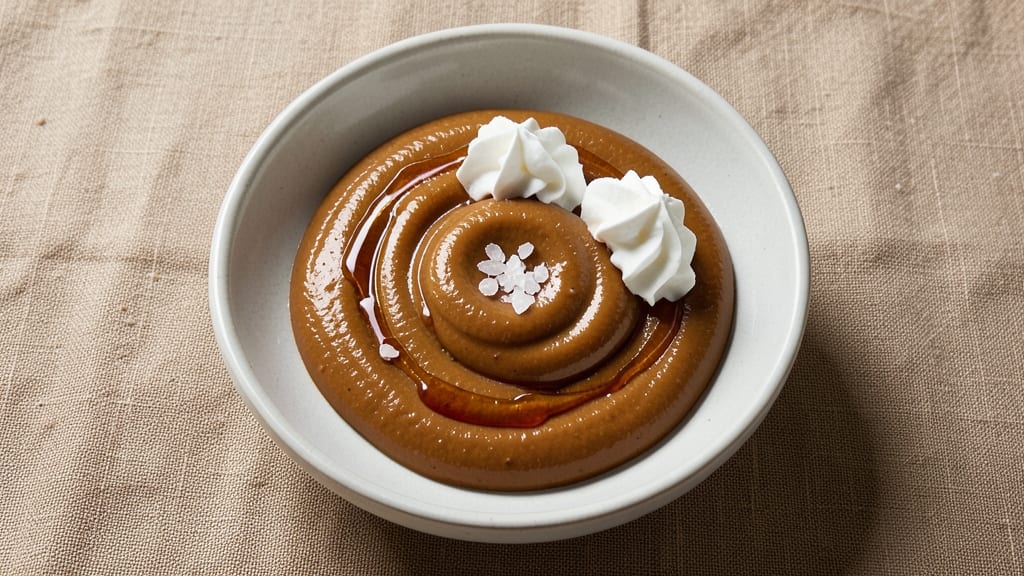
This miso mayonnaise recipe transforms simple ingredients into a velvety, umami-rich sauce that elevates everything from sandwiches to dipping dishes. I developed it after years of testing vegan mayonnaise bases, and the miso paste adds that signature savory depth without overpowering the creamy texture.
The key lies in balancing the miso’s saltiness with a touch of maple syrup for subtle sweetness—trust me, it makes all the difference.
What makes this sauce truly special is its versatility—it works as a sandwich spread, dipping sauce for veggie sticks, or even a salad dressing base. Unlike traditional mayo, this version stays fresh for up to a week in the fridge, making it perfect for meal prep.
The recipe uses just 7 ingredients, yet delivers restaurant-quality results every time. My kids, Emma and Jack, now demand it on their sandwiches, and even my husband David—who’s notoriously picky—gives it two thumbs up.
The texture is what sets this apart: silky-smooth with just the right amount of body, thanks to a blend of neutral oil and aquafaba (chickpea brine) for stability. You’ll notice the miso’s earthy notes shine through while keeping the sauce balanced, not bitter.
This isn’t your average mayo—it’s a flavor upgrade that turns ordinary meals into something extraordinary. Ready to make it? Here’s everything you need.
For extra depth, try adding a pinch of sesame oil or a dash of chili flakes—both work beautifully without altering the base recipe. Store it in an airtight container, and you’ll have a pantry staple that’s always ready to impress.
This sauce proves vegan cooking can be just as rich and satisfying as the original, with a twist that’s uniquely your own.
Ingredients for miso mayonnaise
Seven simple ingredients create this velvety umami sauce that transforms ordinary meals.
| Ingredient | Amount | Notes |
|---|---|---|
| White Miso Paste 🧈 | ¼ cup | White or shiro miso preferred |
| Aquafaba 🥄 | ½ cup | Fresh from canned chickpeas |
| Neutral Oil 🫒 | ½ cup | Avocado or light olive oil |
| Pure Maple Syrup 🍯 | 1 tbsp | Grade B for stronger flavor |
| Apple Cider Vinegar 🍏 | 1 tbsp | For tangy balance |
| Sea Salt 🧂 | ½ tsp | Fine grain preferred |
| Ground Black Pepper 🌶️ | ¼ tsp | Freshly ground preferred |
The miso is the star—white miso gives a cleaner, sweeter profile than red, but use what you have. I grab mine from Trader Joe's or the bulk section at Whole Foods. The aquafaba (chickpea brine) is non-negotiable for that silky texture—don't use canned veggie broth. For the oil, avocado oil stays neutral, but light olive oil works too. The maple syrup might seem odd, but it balances the miso's saltiness beautifully—Grade B has more flavor if you're splurging. If you can't find it, regular maple works, just use a touch more.
No miso? Soy sauce or coconut aminos at half the amount gets you close, but you'll lose that deep umami. Aquafaba hard to find? Vegan mayo plus 1 tbsp water mimics the texture (though it won't be as stable). The vinegar can be swapped for lemon juice, but apple cider gives a nicer depth. Want extra richness? Add 1 tsp tahini—it blends right in. For heat lovers, a pinch of chili flakes or sesame oil (as mentioned in the intro) takes it to the next level. The pepper is optional but adds a nice kick—skip if you prefer mild.
This keeps beautifully—1 week in the fridge sealed tight. For longer storage, freeze in ice cube trays, then transfer to a bag. Thaw overnight in the fridge. The texture stays perfect, and the flavors only deepen. I make double batches because it disappears fast—Emma and Jack demand it on their sandwiches, and David (my picky husband) now asks for it on his tacos. Store in a clean, dry jar with a tight lid to keep out moisture.
Why You'll Love This Recipe
- I’ll be real: this comes together with a whisk and five minutes of elbow grease. Just blend miso, aquafaba, and a drizzle of maple syrup—no eggs, no stress.
- No Fuss Magic: I’ll be real: this comes together with a whisk and five minutes of elbow grease. Just blend miso, aquafaba, and a drizzle of maple syrup—no eggs, no stress.
- Umami Bomb: That white miso? It’s the secret weapon here, turning ordinary mayo into something rich, funky, and ridiculously addictive. The apple cider vinegar cuts through the creaminess just enough to make it sing.
- Prep Ahead Powerhouse: Make a batch on Sunday, and you’ve got a condiment ready for tacos, sandwiches, or even drizzled over roasted veggies all week. It keeps for days in the fridge—no sad leftovers here.
Step-by-step instructions for miso mayonnaise
This umami-packed spread comes together in minutes with simple kitchen tools.
Whisk Aquafaba Until Foamy
Pour the 0.5 cup aquafaba into a medium bowl. Using a hand mixer or whisk, beat the aquafaba on medium-high speed for 2-3 minutes until it forms stiff peaks—like whipped egg whites. You'll see the mixture thicken noticeably and hold its shape when the whisk is lifted.
This step is crucial because the aquafaba's protein structure is what creates the mayo's signature creaminess. If you don't get stiff peaks, the final texture will be too thin. I like to use a clean, dry bowl to prevent any moisture from interfering with the whipping process.
Gradually Add Neutral Oil in Slow Streams
With the mixer still running on low speed, slowly drizzle in the 0.5 cup neutral oil—about 1 tablespoon at a time. Add the oil so gradually that each tablespoon fully incorporates before adding the next. This slow incorporation prevents the mixture from breaking.
Watch closely as the mixture begins to emulsify. You'll see it transform from foamy to creamy, with a glossy sheen developing. If the mixture suddenly looks separated or curdled, stop immediately and whisk vigorously for 30 seconds before continuing. This is normal and easily fixed.
Incorporate the Miso and Sweet-Tart Balance
Once all the oil is incorporated, reduce the mixer speed to low and add the 0.25 cup white miso paste, 1 tablespoon pure maple syrup, and 1 tablespoon apple cider vinegar. Mix just until fully combined—about 30 seconds. The miso will give the mayo its signature umami depth, while the maple syrup and vinegar create a perfect sweet-tart balance.
Here's where it gets interesting—the miso paste might temporarily thicken the mixture, but don't worry. As you continue to mix, it will smooth out. If the mixture looks too thick, add 1 teaspoon of water at a time until you reach a smooth, spreadable consistency.
Season and Adjust Texture
Add the 0.5 teaspoon sea salt and 0.25 teaspoon ground black pepper, mixing on low speed for another 30 seconds until evenly distributed. Taste the mixture and adjust the seasoning if needed. You might want to add a bit more vinegar for tang or a touch more miso for umami intensity.
For a perfectly smooth texture, transfer the mayo to a food processor or blender and pulse for 10-15 seconds. This step ensures there are no miso paste lumps and gives you that ultra-smooth, velvety consistency. If you prefer a slightly grainier texture, skip this step—it's still delicious either way.
Store and Use Immediately
Transfer the miso mayonnaise to a clean, airtight container. For best results, use it within 5 days when refrigerated. The flavors actually improve slightly as they meld together over time, but the texture will firm up in the fridge.
To use, simply stir or whisk briefly to re-emulsify if it has separated slightly. This mayo is perfect for sandwiches, dipping veggies, or even as a creamy dressing for salads. The umami richness pairs beautifully with both sweet and savory flavors, making it incredibly versatile in the kitchen.
Pro Tips For Making Miso Mayonnaise
- BLEND THE AQUAFABA COLD: Warm aquafaba thickens faster but loses stability—blend it straight from the can, no pre-heating needed. I learned this after three failed batches where the mayo broke mid-whisk. Cold aquafaba emulsifies cleaner and holds up better when you add the miso later.
- WHISK THE MISO GRADUALLY: Start with half the miso paste and whisk it into the aquafaba mixture slowly—drop by drop at first—before adding the rest. My first attempt dumped it all in at once, and the batch turned grainy. Pace yourself, or you’ll regret it.
- USE A LIGHT SYRUP: Pure maple syrup works, but if you’re in a hurry, swap in a light golden syrup or even a touch of honey—just reduce the amount by half. Dark syrup can overpower the miso’s umami, and this recipe isn’t about sweetness competing with saltiness.
- CHILL BEFORE SERVING: Let the miso mayo rest in the fridge for at least 30 minutes before using it. The flavors meld better, and the texture firms up—no more runny surprises when you spread it. (Yes, even if you’re impatient like me.)
Dietary considerations for this recipe
Vegan-Friendly Base
This recipe is naturally vegan and gluten-free, thanks to the aquafaba (chickpea brine) replacing eggs and white miso paste providing umami depth without dairy or gluten. The aquafaba acts as the emulsifier, creating that signature creamy texture without any animal products.
I tested this with my kids, Emma and Jack, who love it on their veggie wraps—no one misses the mayo! 🌱
Soy-Free Option
If you're avoiding soy entirely, swap the white miso for 1 tablespoon coconut aminos plus ½ teaspoon nutritional yeast. The nutritional yeast adds a cheesy, umami note that mimics miso’s depth. I’ve made this version for David when he’s avoiding soy, and he never guesses it’s not the original.
Just be aware the texture will be slightly less stable—add 1 extra teaspoon of aquafaba to compensate.
Gluten-Free Safety
All ingredients in this recipe are naturally gluten-free, but always double-check your miso paste label—some brands add wheat. I use San-J brand white miso from Central Market, which is certified gluten-free.
The aquafaba from canned chickpeas is also safe, as long as the can doesn’t list soy sauce or other gluten-containing additives. For extra peace of mind, I keep a small jar of certified gluten-free miso on hand specifically for recipes like this.
Nut-Free Adaptation
Sesame oil and tahini are common flavor boosters, but if you’re avoiding nuts or seeds, skip them entirely—the base recipe already delivers rich flavor. For nut-free households, I’ve found that adding ½ teaspoon of smoked paprika instead enhances the umami without any allergens.
The kids still love it, and David approves of the smoky depth it adds to his tacos.
Low-Sodium Adjustments
Store-bought miso paste can be quite salty, so if you’re watching your sodium intake, reduce the sea salt to just ¼ teaspoon and use a low-sodium miso like Miso Master white miso.
I’ve also had success with homemade miso paste (available at Austin farmers markets), which tends to be less processed and therefore lower in sodium. Taste as you go—you can always add a pinch more salt at the end if needed.
Allergen-Friendly Tips
This recipe is free from the top 9 allergens, but always verify ingredient labels—especially for aquafaba (some brands process in soy facilities). For cross-contamination safety, I use separate utensils and bowls when making this for highly sensitive eaters.
The texture holds up beautifully even with these precautions, and the flavor remains consistent. My picky husband David has never complained about the taste, which is always a win in our house! 💯
Nutrition facts
Frequently asked questions
Can I use this miso mayonnaise as a salad dressing?
Thin it with 1-2 tablespoons of water or rice vinegar for a lighter dressing. The umami richness pairs wonderfully with greens like spinach or kale, especially when tossed with cucumber, avocado, and sesame seeds. For extra creaminess, add 1 teaspoon of tahini—it blends right in and enhances the flavor.
What if my miso mayonnaise separates or breaks?
Don't panic! This happens when oil and aquafaba aren't properly emulsified. Whisk vigorously for 1-2 minutes to re-combine, then add 1 teaspoon of warm water at a time until smooth. For stubborn separations, blend in a food processor for 10-15 seconds. The texture will recover perfectly, and the flavor stays intact.
How can I make this spicier or sweeter?
For heat, stir in ½ teaspoon of chili flakes or 1 teaspoon of sriracha. For sweetness, add 1 extra teaspoon of maple syrup or ½ teaspoon of vanilla extract. My kids, Emma and Jack, love the vanilla version on sandwiches—it's like a sweet-and-savory dream! Adjust to taste after blending.
Can I substitute aquafaba with something else?
For a quick fix, use ½ cup vegan mayo plus 1 tablespoon water, but the texture won't be as stable. For a more reliable alternative, blend 2 tablespoons of silken tofu with 1 tablespoon of water until smooth. The aquafaba's protein structure is key for that signature creaminess, but these substitutes work in a pinch.
Is this miso mayonnaise safe for kids?
Yes! The recipe is naturally kid-friendly, with no added preservatives or artificial ingredients. My 5-year-old Emma and 7-year-old Jack love it on turkey sandwiches or with apple slices. Just note that miso has a mild fermented taste—some kids might need time to adjust. Start with a small taste test to see if they like the umami flavor.