
Snacks
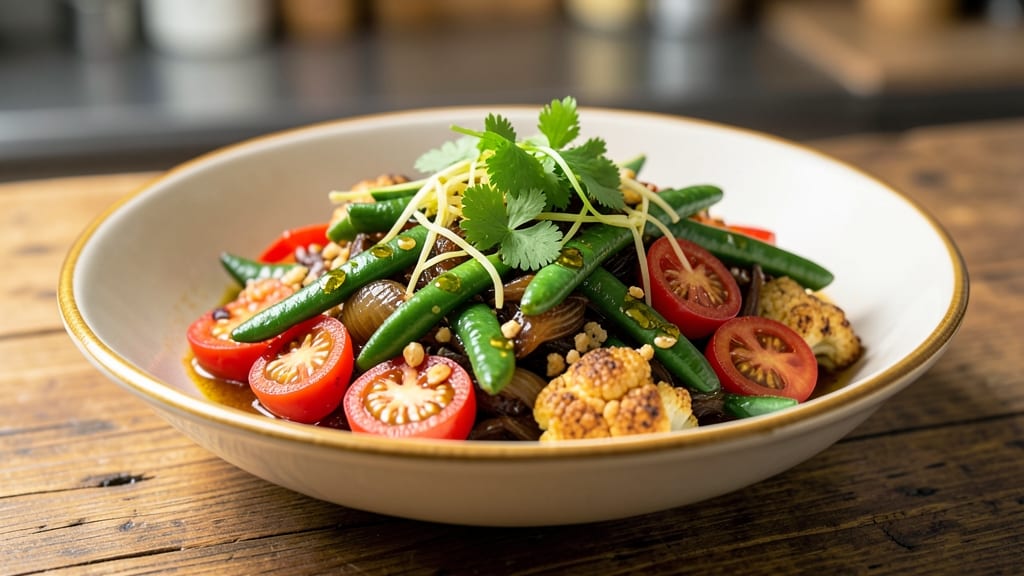
This one-pot mix veg sabzi recipe transforms everyday vegetables into a fragrant, spiced curry that comes together in just 25 minutes—perfect for busy weeknights or when you crave the comforting flavors of home.
The secret lies in layering spices through traditional Indian tempering (tadka), where whole spices bloom in hot oil to release their aromatic magic. I’ve simplified the process without sacrificing authenticity, using pantry staples and a mix of seasonal vegetables that stay vibrant and tender.
The beauty of this dish is its versatility—swap in your favorite vegetables (potatoes, peas, carrots, or even spinach) while keeping the core technique intact. The spices—cumin, coriander, turmeric, and garam masala—infuse every bite with warmth, while a touch of lemon brightens the finish.
This isn’t just a side dish; it’s a hearty, protein-rich meal when paired with rice or roti, making it ideal for vegetarians or anyone looking for a balanced plate.
What makes this recipe truly foolproof is the one-pot method, which minimizes cleanup and ensures even cooking. The vegetables soften gently in a flavorful gravy, while the spices create depth that elevates simple ingredients into something extraordinary.
Whether you’re feeding a family or meal prepping for the week, this sabzi delivers restaurant-quality results with minimal effort—no fancy techniques required.
For extra richness, stir in paneer or cashews at the end, or adjust the spice level to taste. The possibilities are endless, but the foundation remains the same: bold flavors, tender veggies, and a dish that feels like a hug in a bowl. Let’s get cooking!
Ingredients for mix veg sabzi
Pantry staples meet vibrant vegetables for this aromatic one-pot sabzi.
| Ingredient | Amount | Notes |
|---|---|---|
| Extra-Virgin Olive Oil 🫒 | ½ cup | High-quality, fruity variety preferred |
| Yellow Onion 🧅 | 1 whole | Finely diced, about 1.5 cups |
| Garlic Cloves 🧄 | 6 cloves | Peeled and minced finely |
| Ginger Root 🌿 | 1 tbsp | Freshly grated, about 0.5 oz |
| Cumin Seeds 🌶️ | 1 tbsp | Whole seeds, toasted in oil |
| Ground Coriander 🌿 | 1 tbsp | Freshly ground preferred |
| Turmeric Powder 🌶️ | ½ tsp | Bright yellow, high-quality |
| Garam Masala 🌶️ | 1 tsp | Authentic blend preferred |
| Medium Tomatoes 🍅 | 3 whole | Ripe, chopped, about 1.5 cups |
| Potatoes 🥔 | 1 lb | Yukon gold, cubed evenly |
| Green Beans 🌱 | ½ lb | Trimmed, cut into 1-inch pieces |
| Carrots 🥕 | ½ lb | Peeled, sliced into rounds |
| Fresh Spinach 🌿 | 2 cups | Chopped roughly, packed |
| Paneer Cheese 🧀 | ½ cup | Cubed, optional for protein |
| Lemon Juice 🍋 | 1 tbsp | Freshly squeezed |
| Salt 🧂 | 1 tsp | Diamond Crystal preferred |
| Black Pepper 🌶️ | ½ tsp | Freshly cracked |
| Water 💧 | 1 cup | Room temperature |
The spices are the soul of this dish. Whole cumin seeds must be toasted in hot oil until fragrant—this releases their full aroma and depth. For the best quality, source your garam masala from Indian specialty stores like Patel Brothers or Masala Road, where blends are freshly ground. Turmeric should be a vibrant yellow, not dull or grayish, indicating freshness. The fresh ginger and garlic should be firm and free of mold, as their pungency is crucial for balancing the dish's flavors. Opt for organic produce when possible, as the skin of vegetables like carrots and potatoes adds subtle sweetness when cooked in the sabzi.
Substitutions should preserve the dish's integrity. No fresh ginger? Use 0.5 tbsp ground ginger, but toast it first in the oil to mimic the fresh flavor. Out of paneer? Swap in chickpeas or cashews for protein, though texture will differ slightly. The tomatoes can be replaced with 1 cup tomato purée if fresh isn't available, but avoid canned tomatoes with added salt. For a milder heat, reduce the garam masala by half and add 0.25 tsp mild paprika instead. The green beans can be swapped for cauliflower florets or zucchini, but adjust cooking time as needed—cauliflower stays firm longer while zucchini softens quickly.
This sabzi reheats beautifully, making it ideal for meal prep. Store in an airtight container in the refrigerator for up to 4 days, though the flavors deepen overnight. For longer storage, freeze portions in single-serving containers for 3 months. To revive, gently reheat on the stove with a splash of water or coconut milk. The dish pairs perfectly with basmati rice or whole wheat roti, and the leftovers make an excellent lunchbox addition. Always taste before serving—adjust salt or lemon juice as needed, as spices can vary in intensity.
Why You'll Love This Recipe
- No-Chop Chaos Allowed: I swear by this one—just toss in whatever veggies you have (potatoes, carrots, beans, whatever) and let the cumin and garlic work their magic. Between us, my kids call it "the lazy person’s sabzi," but honestly? It’s my secret weapon when I’m too tired to dice anything.
- Garlic-Ginger Magic: That first sizzle of cumin in olive oil, then the raw garlic and ginger hitting the pan? Pure satisfaction. The aroma alone makes me forget I’m cooking, and the flavor? It’s the kind of thing that turns a simple meal into something you’ll crave for days.
- Weeknight to Party Table: Make a big batch on Sunday and use it all week—with rice, roti, or even as a filling for wraps. (Yes, even on a Tuesday night.) But here’s the kicker: it’s just as welcome at a casual family dinner as it is when unexpected guests show up. No stress, all flavor.
- Budget-Friendly Pantry Hero: Uses whatever veggies you’ve got sitting around, and the spices? A few cumin seeds and a clove of garlic go a long way. I’ve fed six people for under $5 with this—no fancy ingredients, just good, honest taste that doesn’t break the bank.
Step-by-step instructions for one-pot spiced veggie medley
Here's how to create a vibrant, aromatic mix veg sabzi in a single pot with minimal cleanup.
Toast Spices and Build the Flavor Base
Heat the 0.5 cup extra-virgin olive oil in a deep, heavy-bottomed pot over medium heat. Add the 1 tbsp cumin seeds and toast for 30-45 seconds until they release their nutty aroma and begin to sizzle gently. Immediately add the 1 whole finely diced yellow onion and cook for 4-5 minutes until softened and translucent.
Next, add the 6 minced garlic cloves and 1 tbsp freshly grated ginger root, stirring constantly for 1 minute until the raw garlic scent disappears. This step is critical—it develops the foundational flavors before adding any moisture. The spices should be fragrant but not browned, as burned spices impart bitterness to the dish.
Add Aromatics and Cook the Potatoes First
Stir in the 1 tbsp ground coriander, 0.5 tsp turmeric powder, and 1 tsp garam masala, mixing well to distribute the spices evenly through the oil. Add the 1 lb cubed potatoes and 1 cup water, then bring to a gentle simmer. Cover the pot and cook for 8-10 minutes until the potatoes are tender when pierced with a fork.
This layered cooking method ensures the potatoes cook through while the other vegetables absorb their flavors. The water creates steam that prevents burning while the spices infuse the potatoes. If the water evaporates before the potatoes are tender, add 1-2 tablespoons more water as needed.
Incorporate Remaining Vegetables and Tomatoes
Once the potatoes are tender, add the 0.5 lb sliced carrots, 0.5 lb trimmed green beans, and 3 chopped medium tomatoes. Stir well to combine, then reduce heat to medium-low and simmer uncovered for 8-10 minutes. The vegetables should soften but retain their shape—bright orange carrots and vibrant green beans indicate proper cooking.
During this time, the tomatoes will break down slightly, releasing their juices and creating a light sauce. If the mixture appears too dry, add 2-3 tablespoons water to maintain moisture. The goal is to develop a balanced texture where all vegetables are cooked through but still hold their individual identities.
Finish with Spinach, Paneer, and Acidic Brightness
When the vegetables are nearly tender, stir in the 2 cups chopped fresh spinach and cook for 2-3 minutes until just wilted. Remove from heat and fold in the 0.5 cup cubed paneer cheese (if using) and 1 tbsp freshly squeezed lemon juice. Sprinkle with 1 tsp salt and 0.5 tsp freshly cracked black pepper, tossing gently to combine.
The lemon juice brightens the dish and balances the richness of the paneer, while the spinach adds a fresh, vibrant green element. The paneer should warm through in the residual heat—do not overcook it, as it will continue to firm up as it sits. This final step transforms the sabzi from a simple vegetable medley into a harmonious, restaurant-quality dish.
Pro Tips For Making Mix Veg Sabzi
- Bloom the Cumin Slowly: Toss those cumin seeds in hot olive oil on medium-low—no rushing. I used to blast the pan and end up with bitter, burnt seeds that ruined the whole dish. Let them sizzle gently for 30 seconds until they just start to pop, then add onions. That’s when the real magic begins.
- Grate Ginger Like You Mean It: Skip the pre-grated jar—it’s waterlogged and flavorless. Use a microplane or fine grater, then squeeze out excess moisture with a clean towel. Fresh ginger releases oils that pre-grated versions can’t match, and dry ginger won’t turn your sabzi into a mushy mess.
- Sweat Onions Until Translucent: Don’t just chop and toss onions into the pan. Cook them on low heat until they’re soft, golden, and nearly caramelized—about 8-10 minutes. This builds depth of flavor that raw onions can’t provide, and it’s the foundation of your sabzi’s taste.
- Toss Veggies in Stages: Dump all your mix veggies in at once, and you’ll end up with uneven cooking. Start with the hardest veggies (like carrots or potatoes) first, then add softer ones (like peas or beans) in the last 5 minutes. This guarantees everything finishes tender-crisp, not mushy or raw.
Pro cooking tips for this dish
Spice Blooming Mastery
Toast your cumin seeds in hot oil until they sizzle for 30-45 seconds—this releases their full aroma. I use a heavy-bottomed pot to prevent burning, and stir constantly to avoid scorching. The moment they turn golden and fragrant, add onions immediately to lock in those flavors. 🌶️
For deeper flavor, lightly toast your ground coriander and garam masala in the same oil for 10 seconds before adding liquids. This step is often skipped but makes a noticeable difference. I keep a small bowl of spices ready to measure quickly during cooking.
Layered Cooking Technique
Cook potatoes first since they take the longest—8-10 minutes covered with water. This ensures they're tender before adding delicate vegetables like green beans. I pierce a potato with a fork to test doneness. If the water evaporates too quickly, add 1-2 tablespoons more to maintain steam cooking.
Add harder vegetables (carrots, green beans) after potatoes, then softer ones (spinach) last. This prevents mushy textures while maintaining vibrant colors. The tomatoes should break down slightly to create natural gravy—no need for extra sauce.
Tempering Perfection
For an authentic tadka finish, heat 1 teaspoon ghee in a small pan and add ½ teaspoon mustard seeds and 1 pinch asafoetida (hing). Pour this over the cooked sabzi just before serving. This adds a smoky depth that elevates the dish instantly.
If you're short on time, skip the ghee step but still add ½ teaspoon lemon juice at the end. The acidity brightens all the flavors and balances the richness. I always taste before serving and adjust salt or lemon as needed—spice blends vary in intensity!
Vegetable Texture Control
For crisp-tender green beans, blanch them in boiling water for 2 minutes before adding to the sabzi. This preserves their texture while ensuring they cook through in the pot. I use thin green beans as they cook faster than thick ones.
If using cauliflower instead of potatoes, cut it into small florets and add it with the carrots. It takes 5-7 minutes longer to cook, so adjust your timing accordingly. The key is to keep the heat at medium-low to prevent burning.
Paneer Integration
Add paneer cubes only in the final 2 minutes of cooking to prevent them from turning rubbery. I like to pan-fry paneer cubes separately in 1 teaspoon oil until golden before adding to the sabzi for extra texture contrast.
For a vegan version, replace paneer with ½ cup cooked chickpeas or ¼ cup cashews (soaked for 30 minutes). The cashews add a creamy richness that mimics paneer's texture beautifully. Both options should be added with the spinach for even warming.
Nutrition facts
Frequently asked questions
What vegetables work best in this mix veg sabzi?
This recipe is designed to be flexible! The original uses potatoes, green beans, carrots, and spinach, but you can swap in seasonal veggies like cauliflower, zucchini, or bell peppers. For best results, pair starchy veggies (potatoes) with tender ones (spinach) and firm veggies (carrots) to maintain texture contrast.
Can I make this sabzi without paneer?
Paneer is optional—simply omit it or replace it with ½ cup chickpeas or ¼ cup cashews (soaked for 30 minutes) for protein. The dish will still be flavorful and satisfying. For extra richness, stir in 2 tablespoons coconut milk at the end if you're skipping paneer.
How do I adjust the spice level?
Start with the recipe as written for a balanced flavor. For milder heat, reduce garam masala to 0.5 tsp and add 0.25 tsp mild paprika. For extra kick, increase garam masala to 1.5 tsp and add ½ tsp red chili powder. Always taste before serving—spice blends vary in intensity!
Can I prepare this sabzi ahead of time?
Yes! This dish reheats beautifully. Store in an airtight container in the fridge for up to 4 days or freeze for 3 months. To reheat, add 1-2 tablespoons water and simmer on low heat for 3-4 minutes. The flavors actually deepen overnight, making it perfect for meal prep!
Why did my sabzi turn out too dry?
This usually happens if the water evaporates too quickly. To fix it, add 2-3 tablespoons water during cooking and simmer uncovered for 8-10 minutes to develop natural gravy. For extra moisture, stir in ½ cup coconut milk at the end. Always keep heat at medium-low to prevent burning.