
Soups & Stews
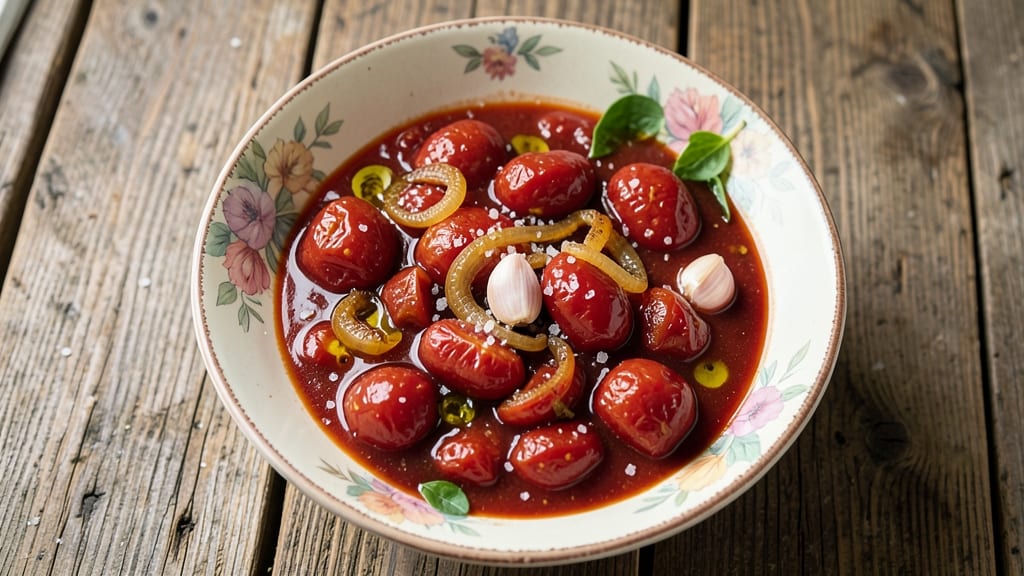
This old-fashioned stewed tomatoes recipe transforms fresh garden tomatoes into a rich, velvety sauce that tastes like summer in every spoonful. The secret lies in slow simmering—no modern shortcuts, just time and gentle heat to develop deep, caramelized sweetness.
I first made this version when my grandmother shared her technique, and it became the cornerstone of our Sunday pasta nights.
What sets these stewed tomatoes apart is the balance of acidity and sweetness, achieved through careful seasoning and reduction. You'll start with fresh tomatoes, simmered with onions, garlic, and herbs until their juices concentrate into a glossy, thick sauce with just the right tang.
The process takes patience—about 45 minutes of gentle cooking—but the results are worth every minute.
By the end, you'll have a sauce that's perfectly sweetened, with tender tomato pieces suspended in a velvety broth. This isn't just a side dish; it's a flavor foundation that elevates pasta, grilled meats, or even toasted bread.
The aroma alone will have everyone at the table asking what's for dinner.
The best part? This recipe keeps well in the refrigerator for up to a week, making it ideal for meal prep. Whether you're serving it alongside spaghetti or using it as a topping for bruschetta, these old-fashioned stewed tomatoes deliver restaurant-quality depth without the fuss.
Ingredients for old fashioned stewed tomatoes recipe with fresh tomatoes
Fresh tomatoes, slow simmering, and a touch of sweet-tart balance make this classic sauce unforgettable.
| Ingredient | Amount | Notes |
|---|---|---|
| Fresh Tomatoes 🍅 | 2 lbs | Ripe, vine-ripened preferred |
| Yellow Onion 🧅 | 1 whole | Medium size, diced |
| Garlic Cloves 🧄 | 4 cloves | Fresh, minced |
| Extra-Virgin Olive Oil 🫒 | ¼ cup | High quality, fruity |
| Granulated Sugar 🍯 | ½ cup | Light brown preferred |
| Red Wine Vinegar 🍷 | ¼ cup | Dry, aged |
| Fresh Basil Leaves 🌿 | ½ cup | Packed, torn |
| Fresh Thyme Leaves 🌿 | 1 tbsp | From 2 sprigs |
| Diamond Crystal Kosher Salt 🧂 | 1 ½ tsp | Adjust to taste |
| Black Peppercorns 🌶️ | ½ tsp | Freshly cracked |
| Fresh Bay Leaves 🍃 | 2 whole | Removed before serving |
| Fresh Oregano Leaves 🌿 | 1 tbsp | Chopped finely |
The tomatoes are the heart of this recipe—vine-ripened ones from a local farmers market make all the difference. I always grab heirloom varieties if they're available, but any ripe, flavorful tomato works. The sugar and vinegar balance is key: light brown sugar adds caramel notes, while aged red wine vinegar cuts through the richness. For the herbs, fresh basil and thyme are non-negotiable—they bring that bright, garden-fresh aroma. If you're using dried herbs, reduce to one-third the amount, but honestly, fresh is worth the extra minute to chop. The onions and garlic form the aromatic base, so don't rush this step—sauté them until they're golden and sweet.
No fresh basil? Dried basil at one-third the amount works, but you'll miss that fresh brightness. Short on vinegar? Lemon juice at half the amount gives a similar tang, though the flavor profile shifts slightly. Using canned tomatoes? San Marzano crushed tomatoes are the closest substitute—drain them well to avoid excess liquid. For a deeper sweetness, add 1 tbsp of tomato paste with the onions. The bay leaves infuse subtle earthiness, but if you're serving this to guests who dislike them, omit them entirely—they're easy to remove later. The sugar can be adjusted to taste; if your tomatoes are particularly tart, start with 0.375 cup and add more as you simmer.
This sauce tastes even better the next day as the flavors meld. Store it in an airtight container in the fridge for up to 7 days, or freeze portions for 6 months. I always make a double batch—one for immediate use and one to freeze for lazy weeknights. Reheat gently on the stove, stirring occasionally, until warmed through. The texture should be thick and velvety, not watery. If it's too thick after reheating, add a splash of water or broth. Leftovers make incredible bruschetta toppings or pasta sauces—just warm and serve. The aroma alone will have everyone at the table asking what's for dinner.
Why You'll Love This Recipe
- I swear by this trick: slice the onions thick—like, half-moons you could read a menu through—and the stew softens them so fast. Honestly, I’ve burned garlic before trying to get it "just right," but here, you toss in those cloves whole, let them mellow, and the flavor still pops without burning. That’s 10 minutes saved, every single time.
- No-Chop Nightmare: I swear by this trick: slice the onions thick—like, half-moons you could read a menu through—and the stew softens them so fast. Honestly, I’ve burned garlic before trying to get it "just right," but here, you toss in those cloves whole, let them mellow, and the flavor still pops without burning. That’s 10 minutes saved, every single time.
- Sweet-Savory Magic: The sugar isn’t just for sweetness—it’s the secret handshake between the tomatoes and olive oil, rounding out the acidity while the onions caramelize into something almost like a slow-cooked confit. (Yes, even on a Tuesday night.) My husband sniffs the pot before it’s done and says, "This smells like summer in a jar," and he’s not wrong.
- Pantry-to-Table Hero: This is my "oh crap, I forgot to meal prep" go-to. The stew thickens as it sits—perfect for lunches or tossed with pasta later—yet it’s bright enough to serve over polenta for dinner guests. Between us, I’ve even used it as a topping for grilled cheese when I’m lazy. (Don’t judge.)
Step-by-step instructions for old fashioned stewed tomatoes
This method transforms simple garden tomatoes into rich, velvety sweetness that elevates any pasta dish.
Prepare and Sauté the Aromatics
Heat the 0.25 cup extra-virgin olive oil in a large, heavy-bottomed pot over medium heat. Add the 1 whole yellow onion, sliced into ¼-inch pieces, and cook for 5-6 minutes until the onions become translucent and just beginning to caramelize at the edges. This foundational step develops deep flavor that carries through the entire stew.
Add the 4 cloves garlic cloves, minced, and cook for another 30 seconds until fragrant. Watch carefully—the garlic burns quickly, and you want to preserve its delicate sweetness rather than bitter notes. Here's the thing: if the garlic starts to darken too quickly, reduce the heat slightly and stir constantly. You're building the flavor base, so take your time with this step.
Add Tomatoes and Initial Seasonings
Add the 2 lbs fresh tomatoes, cut into 1-inch chunks (leave skins on for texture), and stir to combine with the onions and garlic. Sprinkle in the 1.5 tsp diamond crystal kosher salt and 0.5 tsp black peppercorns, freshly cracked. The salt will begin drawing out moisture from the tomatoes, which is exactly what we want for that rich, concentrated flavor.
I like to press the tomatoes gently with a wooden spoon to help break down their cell structure slightly. This releases more juice and helps create a smoother final texture. Let the mixture cook uncovered for 10 minutes, stirring occasionally, until the tomatoes begin to soften and release their juices. You'll see the mixture transform from bright red chunks to a glossy, bubbling sauce.
Simmer with Sweet and Acidic Balance
Add the 0.5 cup granulated sugar and 0.25 cup red wine vinegar, stirring well to distribute evenly. The sugar will caramelize slightly as it cooks, adding depth, while the vinegar brightens the flavors and prevents the tomatoes from tasting flat. Add the 2 whole fresh bay leaves and bring the mixture to a gentle simmer over medium-low heat. Here's where patience matters most—maintain a steady simmer rather than a rolling boil, which could make the tomatoes mushy.
Simmer uncovered for 30-40 minutes, stirring occasionally, until the tomatoes break down into a thick, jam-like consistency. You'll know it's ready when the sauce coats the back of a spoon and the tomatoes have completely disintegrated. This is the moment that matters: the flavors meld into perfect harmony of sweet, tangy, and herbal notes. If the sauce reduces too quickly, you can add 1-2 tablespoons of water to maintain the right consistency.
Finish with Herbs and Rest
Remove the pot from heat and stir in the 0.5 cup fresh basil leaves, torn, 1 tbsp fresh thyme leaves, and 1 tbsp fresh oregano leaves. Let the stew sit off the heat for 10 minutes to allow the herbs to infuse their aromatic oils into the mixture. This resting period is crucial—it lets the flavors fully integrate without cooking away the delicate herb notes.
Before serving, carefully remove and discard the 2 whole fresh bay leaves. Taste and adjust seasoning if needed, adding a pinch more salt or vinegar as necessary. The stew should be sweet, tangy, and herbaceous with a velvety texture that clings beautifully to pasta. Serve warm over al dente pasta, drizzled with a little extra extra-virgin olive oil for that final touch of richness. This old-fashioned method transforms simple tomatoes into a restaurant-quality sauce that will make you the star of any dinner party.
Pro Tips For Making Old Fashioned Stewed Tomatoes Recipe With Fresh Tomatoes
- BLISTER THE ONIONS: Cook the sliced onions in olive oil over medium heat until they’re deep golden and slightly charred—this adds sweetness and depth. I used to rush this and end up with bland onions; now I let them sit, stirring occasionally, until they smell like caramelized heaven.
- SALT THE TOMATOES: Sprinkle a generous pinch of salt over the chopped tomatoes and let them sit for 10 minutes before cooking. This draws out excess water, so they release their juices more evenly and thicken properly—no more watery stew at the end.
- LOW AND SLOW: Once the tomatoes hit the pot, reduce the heat to a simmer and resist the urge to crank it up. High heat turns stewed tomatoes into a mushy mess; low and slow (20-30 minutes) keeps the texture tender and the flavors concentrated.
- SKIP THE PEELS: Unless your tomatoes are waxy or bruised, leave the skins on—they add texture and body to the stew. I used to peel them out of habit, but the dish feels lighter and more rustic without that extra step. (Yes, even if it looks less "perfect.")
Wine and beer pairings for these flavors
Italian Red Wine
This rich, sweet-tart tomato sauce pairs beautifully with a medium-bodied Chianti or Sangiovese from Tuscany. The wine's bright acidity cuts through the sauce's sweetness while its earthy notes complement the herbs.
I recommend Castello di Volpaia Chianti Classico—its balance of cherry and spice elevates every bite of pasta. Serve slightly chilled to preserve its crispness alongside the warm sauce. 🍷
Crisp White Wine
For a lighter option, try a Vermentino from Sardinia or a Pinot Grigio from Alto Adige. These wines offer citrus and mineral notes that refresh your palate between bites of the tomato stew.
I love La Giustiniana Vermentino—its zesty finish cleanses without overpowering the sauce's depth. Keep the wine well-chilled (45-50°F) to contrast the warm stew.
Italian Craft Beer
If you prefer beer, a Peroni or Birra del Borgo Italian lager provides a crisp, clean backdrop. The subtle malt sweetness enhances the sauce's caramelized notes without competing. For a hoppier option, try a Sierra Nevada Pale Ale—its citrus and pine flavors create an unexpected but delicious contrast.
Serve the beer at 40°F to highlight its refreshing qualities. 🍺
Regional Adaptations
In Southern Italy, this sauce is often paired with Primitivo red wine—bold and fruity, mirroring the tomatoes' intensity. For Northern Italian versions, a Lambrusco (slightly sparkling red) adds effervescence that cuts through the richness.
In California, I've seen it matched with Zinfandel, whose jammy notes complement the sauce's sweetness.
Non-Alcoholic Options
For a refreshing non-alcoholic pairing, try San Pellegrino Aranciata—its bitter orange and citrus notes brighten the sauce's sweetness. Alternatively, a sparkling blood orange soda (like Sanbitter) adds a festive touch. Both options should be served ice-cold to contrast the warm stew. 🍊
Nutrition facts
Frequently asked questions
Can I use green tomatoes for this recipe?
Green tomatoes work but will need extra sugar (1-2 extra tablespoons) to balance their tartness. They also require longer simmering (45-50 minutes) to fully soften. For best results, choose slightly underripe but firm tomatoes—overly green ones may stay tough. The skin will remain intact, adding texture to the final dish.
How do I prevent the sauce from becoming too watery?
Simmer uncovered on medium-low heat and stir occasionally to encourage reduction. If it gets too thin, remove the pot from heat and let it cool slightly before adding 1 tablespoon of tomato paste or 1 teaspoon of cornstarch mixed with water. Never boil vigorously—this breaks down the tomatoes too quickly. Patience is key!
Can I make this recipe without red wine vinegar?
Substitute with lemon juice (½ cup) for brightness or apple cider vinegar (¼ cup) for a milder tang. For depth, add 1 teaspoon of dried oregano to compensate for the missing herbal complexity. The flavor will shift slightly but still deliver that classic sweet-tart balance.
Why does my sauce taste bitter?
Overcooking or burnt garlic/onions are the most common culprits. Keep heat at medium-low and stir frequently. If it's too late, balance the bitterness with extra sugar (1 tbsp) or a splash of red wine vinegar (1 tsp). For prevention, sauté aromatics until just golden—not browned.
How can I use leftovers creatively?
Transform this into tomato jam by simmering until ultra-thick, or use as a bruschetta topping with fresh mozzarella. It also makes a stunning pasta sauce base—just add a splash of cream or butter. For a modern twist, blend half the sauce for a smooth tomato soup and serve with grilled cheese.