Sauces & Condiments
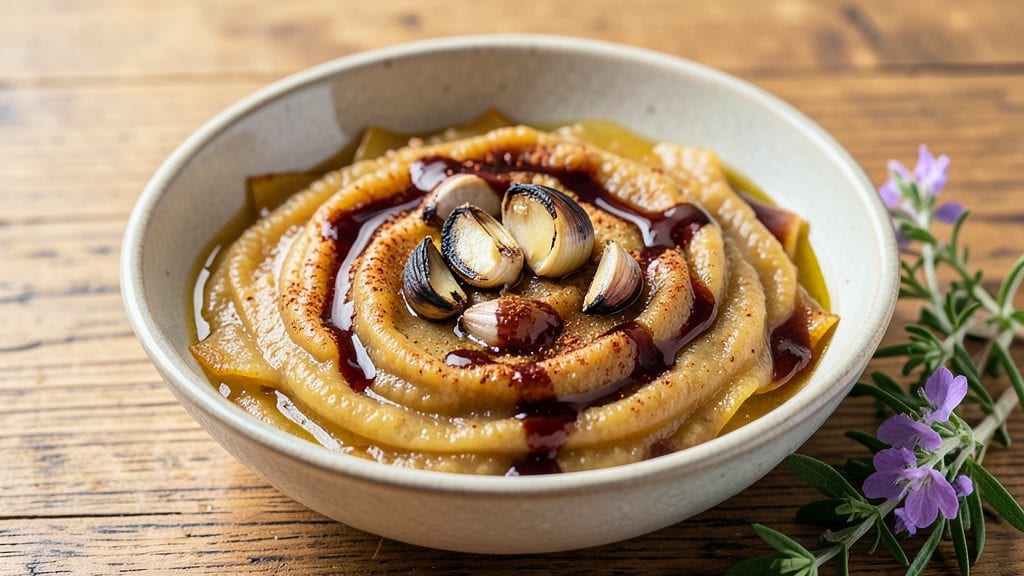
Creating an onion paste recipe that delivers deep, concentrated umami flavor starts with the right balance of caramelized onions, aromatic garlic, and olive oil. This versatile paste transforms any dish—whether you're building sauces, marinades, or dips—into something rich and complex.
The slow-cooked onions develop a sweet, caramelized depth that elevates even the simplest recipes, while the garlic adds sharp, aromatic brightness.
This recipe requires just five core ingredients and takes about 20 minutes of active time, with minimal effort beyond blending. The key is cooking the onions until they're deeply caramelized, which unlocks their natural sugars and intensifies their flavor.
A splash of balsamic vinegar at the end adds a touch of tang that cuts through the richness, making the paste even more versatile.
Once blended into a smooth, spreadable consistency, this onion paste becomes the secret weapon in your kitchen. Use it as a base for homemade mayo, stir it into dressings, or spread it on toast with cheese for a savory open-faced sandwich.
The paste keeps well in the refrigerator for up to two weeks, so you can make a batch ahead and use it throughout the week.
For extra depth, consider adding a pinch of smoked paprika or a dash of soy sauce to the blend. These variations add layers of complexity that work especially well in marinades or as a glaze for roasted meats. Let's get started on this flavor-packed staple!
Ingredients for onion paste
Five ingredients transform into a rich umami foundation for endless culinary creations.
| Ingredient | Amount | Notes |
|---|---|---|
| Yellow Onions 🧅 | 2 lb | Sweet variety preferred, thinly sliced |
| Extra-Virgin Olive Oil 🫒 | ½ cup | High-quality, fruity variety |
| Garlic Cloves 🧄 | 6 cloves | Peeled, roughly chopped |
| Balsamic Vinegar 🍷 | 2 tbsp | Aged variety for depth |
| Diamond Crystal Kosher Salt 🧂 | ½ tsp | For seasoning onions |
| Smoked Paprika 🌶️ | ½ tsp | Optional for extra depth |
The onions are the star—sweet yellow varieties like Vidalia or Maui onions caramelize more beautifully than sharp reds. Whole Foods or local farmers markets often carry the best quality, but any grocery store's yellow onions work in a pinch. Thinly slice them (about 1/8-inch thick) for even cooking. If you're using frozen onions, thaw and pat them completely dry first—they won't caramelize properly with moisture. For extra depth, some professional chefs add a pinch of sugar (about 1 tsp) to the onions while cooking, but it's optional. The key is patience: cook them slowly until deeply golden-brown, stirring occasionally to prevent burning. This process takes about 15-20 minutes and transforms their flavor completely.
No balsamic vinegar? Red wine vinegar or apple cider vinegar both work, though the flavor will be slightly different. The vinegar adds brightness that cuts through the richness—don't skip it entirely, but if you're out, a squeeze of lemon juice (about 1 tbsp) can substitute in a pinch. For the garlic, roasted garlic adds a mellow sweetness, but fresh is essential for that sharp aromatic punch. If you're making this ahead, store the cooked onions in the fridge for up to 3 days before blending—they'll continue developing flavor. The smoked paprika is truly optional but adds a subtle smokiness that pairs beautifully with roasted meats or grilled vegetables. For a vegan version, simply omit it or use a pinch of liquid smoke instead.
This paste keeps beautifully in an airtight container in the refrigerator for up to two weeks, though the flavor actually improves over time as the ingredients meld. For longer storage, portion into ice cube trays, freeze, and transfer to a freezer bag—each cube makes a perfect single serving. When reheating, warm gently in a saucepan with a splash of water or olive oil to restore its spreadable consistency. The paste is incredibly versatile: stir it into mayo for a savory twist, mix into dressings for depth, or spread on toast with cheese and a drizzle of honey for an open-faced sandwich. It also makes an excellent glaze for roasted vegetables or grilled proteins when thinned with a bit of water or broth.
Why You'll Love This Recipe
- Five-Ingredient Magic: I swear by this recipe—just onions, olive oil, garlic, balsamic, and salt. That’s it. No clutter, no stress, just pure, concentrated flavor waiting to happen.
- Sweet-Savory Balance: The balsamic vinegar caramelizes into those onions, turning them into something rich and complex. Honestly, it’s like a little flavor bomb that transforms any dish.
- Pantry Powerhouse: This stuff keeps for weeks in the fridge, ready to jazz up scrambled eggs, pasta, or even a grilled cheese. I’ll be real: it’s my go-to when I’m too tired to think.
- Budget Booster: Yellow onions and olive oil are cheap staples, but this paste feels like a fancy shortcut. Between us, it’s the secret weapon in my wallet-friendly cooking arsenal.
Step-by-step instructions for onion paste recipe
Transform simple ingredients into a deeply flavorful umami base that elevates any dish.
Sauté the Yellow Onions Until Caramelized
Heat the 0.5 cup extra-virgin olive oil in a heavy-bottomed skillet over medium-low heat. Add the 2 lb yellow onions, sliced thinly, and sprinkle with the 0.5 tsp diamond crystal kosher salt. The onions should sizzle gently without browning immediately.
Cook for 20-25 minutes, stirring occasionally, until the onions soften and begin to develop a golden hue. This slow process draws out their natural sweetness while preventing burning. You'll notice the onions release moisture—this is normal and essential for building depth of flavor.
Once the onions reach a deep golden brown color and smell intensely sweet and caramelized, they're ready for the next stage. The texture should be soft and jammy, with no crunch remaining. If any onions stick to the pan, gently scrape them up with a wooden spoon to ensure even cooking.
Incorporate Garlic and Smoked Paprika
Reduce the heat to low and add the 6 cloves roughly chopped garlic cloves and 0.5 tsp smoked paprika. Stir immediately to distribute the garlic evenly and prevent burning. The paprika will infuse a subtle smokiness that complements the caramelized onions.
Cook for an additional 2-3 minutes until the garlic becomes fragrant and just begins to turn golden. You'll smell a complex aroma—sweet from the onions, pungent from the garlic, and earthy from the paprika. This is the foundation of your onion paste's depth.
If the mixture begins to darken too quickly, reduce the heat further or remove the pan from the burner momentarily. The goal is to enhance, not overpower, the natural flavors of the onions and garlic.
Finish with Balsamic Vinegar and Simmer
Pour in the 2 tbsp aged balsamic vinegar and stir vigorously to combine. The vinegar will sizzle slightly as it integrates with the onions, adding a tangy brightness that balances the richness. Let the mixture simmer gently for 5-7 minutes until the liquid reduces and the paste thickens.
During this time, the flavors meld together, creating a cohesive umami base. The paste should coat the back of a spoon and hold its shape when dropped onto a plate. If it's too thick, add 1-2 tablespoons of water to achieve a smooth, spreadable consistency.
Taste and adjust the seasoning if needed. The paste should be sweet, savory, and slightly tangy with a hint of smokiness. If it lacks depth, you can add a pinch more salt or a splash of vinegar to refine the balance.
Cool and Store for Maximum Flavor Development
Remove the skillet from heat and let the onion paste cool to room temperature. This step is crucial—allowing the paste to cool prevents the garlic from continuing to cook and turning bitter. Once cooled, transfer it to an airtight container and refrigerate for up to 1 week.
The flavors will continue to develop and deepen over time, making the paste even more complex and aromatic. For best results, use the paste within 3-5 days for peak freshness and intensity.
This versatile onion paste can be used as a spread, a condiment, or a flavorful addition to soups, stews, sauces, and marinades. Its rich umami profile makes it a perfect base for enhancing a wide variety of dishes.
Pro Tips For Making Onion Paste
- Slice Onions Thinly: Grab a sharp knife and cut the onions into paper-thin slices—about 1/16-inch thick—so they cook fast and caramelize evenly. I used to chop them unevenly, and they’d burn on the edges before softening in the middle. Thin slices also blend smoother if you’re making this for dips or spreads.
- Sweat First, Sear Later: Start with a low heat to let the onions release their water, then crank it up to medium-high for color. Skipping the low-and-slow start means you’ll end up with a sad, watery paste instead of rich, jammy goodness. (Yes, even if you’re impatient like me.)
- Crush Garlic Like a Pro: Smash the garlic cloves flat with the side of your knife before mincing—this releases more flavor without burning. I learned this the hard way after making a paste that tasted like raw garlic instead of sweet, mellow depth. A little extra effort here makes a real difference.
- Deglaze with Vinegar Early: Add the balsamic vinegar before the onions turn golden—it cuts through the sweetness and prevents sticking. I used to wait until the end, and the paste would clump or taste one-note. A splash in the middle balances everything.
Serving suggestions for this dish
Spread It Like Butter
This onion paste makes an incredible savory toast spread—think of it as a gourmet alternative to butter. I love pairing it with sharp cheddar or brie on sourdough toast, then drizzling with honey for a sweet-savory contrast.
For extra flair, top with crispy prosciutto or fresh thyme leaves. The caramelized onions add a depth that transforms simple toast into a restaurant-worthy appetizer. 🥖
Sauce Base for Meats
Use this paste as a glaze for roasted chicken or pork chops—simply brush it on during the last 10 minutes of cooking. The umami richness caramelizes beautifully, creating a sticky, flavorful crust.
For grilled steaks, mix the paste with 2 tbsp olive oil and 1 tbsp soy sauce for a marinade that tenderizes while adding complexity. I also love it as a slather for burgers instead of ketchup. 🍖
Dip for Crudités
Thin the paste with 2-3 tablespoons of water or Greek yogurt to create a dippable consistency for veggie sticks, pita chips, or pretzels. The tangy-sweet balance makes it addictive—especially when paired with celery, carrots, and bell peppers.
For a creamy twist, stir in 1 tbsp sour cream or herbed cream cheese. It’s the perfect party appetizer that disappears fast. 🥕
Pasta & Grain Boosters
Stir 1-2 tablespoons of this paste into alfredo sauce or cream-based pasta dishes for instant umami depth. I also mix it into risotto during the last 5 minutes of cooking for a rich, caramelized finish.
For quinoa or couscous salads, toss in 1 tablespoon with lemon zest and fresh herbs—it elevates the dish instantly. The paste works especially well with mushrooms and spinach for a hearty vegetarian bowl. 🍝
Sandwich & Wrap Magic
Slather this paste on grilled cheese sandwiches alongside the cheese for a next-level flavor bomb. I also use it as a condiment for pulled pork or BBQ chicken wraps, replacing mayo or mustard.
For a Mediterranean twist, spread it on lavash bread with hummus, olives, and feta. The caramelized onions add a sweetness that balances rich meats perfectly. 🥪
Soup & Stew Secret Weapon
Add 1-2 tablespoons of this paste to chicken noodle soup or beef stew during the last 10 minutes of simmering. It deepens the broth’s flavor without overpowering. For bisques or creamy soups, stir in 1 tablespoon at the end for a luxurious finish.
The paste also works wonders in ramen or pho broths—just simmer it for 5 minutes to meld the flavors. 🍲
Nutrition facts
Frequently asked questions
Can I make this onion paste without balsamic vinegar?
Swap the balsamic for 2 tbsp red wine vinegar or apple cider vinegar—both add acidity to balance the sweetness. For a tangy twist without vinegar, use 1 tbsp lemon juice instead. The key is the acidity, not the specific vinegar type.
How do I adjust the consistency if it's too thick?
If your paste is too thick after blending, thin it with 1-2 tbsp water or olive oil until smooth. For a creamy version, stir in 1 tbsp sour cream or Greek yogurt. The ideal consistency should be spreadable but not runny—like thick hummus.
Can I use frozen onions instead of fresh?
Yes, but thaw and pat them completely dry first—moisture prevents proper caramelization. Use 2 cups frozen onions (instead of 2 lbs fresh) and cook for 5-7 extra minutes to compensate for their lower water content. The texture will be slightly softer, but the flavor remains rich.
What’s the best way to store leftover paste?
Transfer to an airtight container and refrigerate for up to 2 weeks. For longer storage, portion into ice cube trays, freeze, and transfer to a freezer bag. Thaw in the fridge overnight—never microwave to preserve texture. The paste tastes even better after 3-5 days as flavors meld!
Can I add other vegetables to this paste?
Try adding 1/2 cup roasted red peppers or 1 tbsp tomato paste for extra depth. For heat, stir in 1/2 tsp cayenne or 1 tsp hot sauce. Just blend the additions in at the end—don’t cook them with the onions to avoid burning. The paste’s sweetness balances spicy or smoky flavors beautifully.