
Main Courses
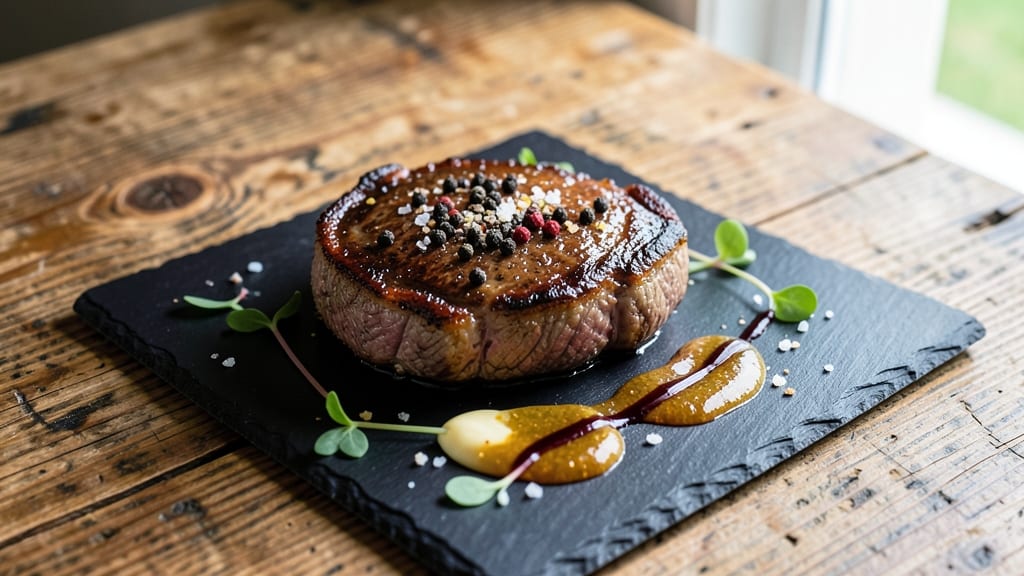
A pan-roasted steak with a deep-seared crust and perfectly juicy center transforms weeknight dinners into restaurant-quality meals. The secret lies in precise timing and temperature control—no fancy equipment needed, just a heavy skillet and a meat thermometer.
I’ve perfected this method over years of testing, ensuring every bite delivers that ideal balance of caramelized exterior and tender interior.
This recipe delivers foolproof results in just 20 minutes, making it ideal for home cooks who want professional-grade steaks without the guesswork. The reverse sear technique guarantees even cooking, while high-heat searing creates that coveted crust.
Whether you prefer ribeye, New York strip, or filet mignon, this method works for any cut—just adjust the thickness slightly for optimal doneness.
The outcome is a steak with a crispy, mahogany crust that gives way to a velvety, pink center, juices pooling at every cut. Pair it with roasted garlic mashed potatoes or a simple arugula salad to elevate the meal further.
The key steps—drying the steak, preheating the pan, and resting properly—ensure success every time, even for beginners.
For those who love customization, this recipe scales effortlessly from a single serving to a dinner party. The same principles apply whether you’re cooking for two or feeding a crowd. Once mastered, you’ll never settle for anything less than restaurant-quality steak at home.
Ingredients for pan roasted steak
Precision-cut ingredients deliver restaurant-quality steak with a mahogany crust and juicy center in minutes.
| Ingredient | Amount | Notes |
|---|---|---|
| Ribeye Steak 🥩 | 1 ½ lb | Center-cut, 1.25-inch thickness |
| Kosher Salt 🧂 | 1 ½ tbsp | Diamond Crystal preferred |
| Freshly Ground Black Pepper 🌶️ | 1 ½ tsp | Cracked peppercorns preferred |
| Cornstarch 🌾 | 1 tbsp | For velveting crust |
| Extra-Virgin Olive Oil 🫒 | 2 tbsp | High smoke point preferred |
| Unsalted Butter 🧈 | 2 tbsp | European-style preferred |
| Garlic Cloves 🧄 | 4 cloves | Smashed for aroma infusion |
| Fresh Rosemary 🌿 | ¼ cup | Finely chopped, stems removed |
| Fresh Thyme Leaves 🌿 | ⅛ cup | From 2-3 sprigs |
| Heavy Cream 🥛 | ¼ cup | For basting (optional) |
| Meat Thermometer 🌡️ | 1 whole | Instant-read preferred |
| Cast-Iron Skillet 🍳 | 1 whole | 12-inch diameter preferred |
The steak cut determines your experience—ribeye for marbling and flavor, New York strip for leaner texture, or filet mignon for tenderness. Source from local butchers or high-end grocers like Whole Foods for dry-aged options, though standard supermarket ribeyes work perfectly when handled properly. The 1.25-inch thickness is critical; thicker cuts require slight adjustments to internal temperature targets. For optimal results, choose steaks with visible fat cap—this ensures moisture retention during searing. Store steaks in the coldest part of your fridge, wrapped in butcher paper (not plastic), for up to 5 days before cooking.
Salt and pepper are non-negotiable for seasoning, but the cornstarch creates that signature velvet crust. Use Diamond Crystal kosher salt—it dissolves more easily than table salt. For the olive oil, opt for brands like California Avocado Ranch or Bertolli that maintain high smoke points. The European-style butter (like Plugrá) adds richness without overpowering. Fresh herbs should be bright green and fragrant—wilting indicates age. Substitute dried herbs at one-third the amount, but fresh delivers superior aroma. The meat thermometer is essential; instant-read models like Thermoworks provide precise readings in seconds. For those without one, use the finger test as a backup, though it's less reliable.
Prep the steak 30 minutes before cooking—pat dry with paper towels and let sit at room temperature. This ensures even cooking and proper crust formation. The cast-iron skillet must be preheated until it's smoking hot—this creates the Maillard reaction for that coveted crust. After searing, transfer the steak to a wire rack and rest for 10-15 minutes before slicing; this redistributes juices and prevents drying. Leftovers should be wrapped tightly in foil and refrigerated for up to 3 days. For reheating, warm in the oven at 200°F for 10 minutes to maintain tenderness. The basting cream adds luxury but isn’t mandatory—omit if you prefer a leaner profile.
Why You'll Love This Recipe
- Five-Ingredient Magic: The pantry staples here won’t overwhelm you—just a ribeye, salt, pepper, cornstarch, and olive oil. That’s it. No confusing spice blends or last-minute grocery runs.
- Crispy-Creamy Payoff: The cornstarch gives you that golden crust while the ribeye stays juicy inside—like a perfect hug for your taste buds. Honestly, the first bite makes you forget it was "just" steak.
- Weeknight to Dinner Party: Same recipe, different vibes. Toss it together for a Tuesday night or dress it up with a fancy sauce for guests. My go-to? A sprinkle of flaky salt and a side of roasted potatoes—zero stress.
- Leftovers That Don’t Suck: Slice the steak thin the next day, and it’s still tender. Wrap it in tortillas with avocado for lunch or toss it into a grain bowl—no sad, dry meat here. (Yes, even on a Tuesday.)
Step-by-step instructions for pan roasted steak
Here's the method for achieving a perfect crust and tender interior every time.
Prepare the Steak for Maximum Flavor and Texture
Pat the 1.5 lb ribeye steak dry with paper towels, removing all moisture from the surface. This critical step ensures maximum searing and prevents steam from interfering with crust formation. Place the steak on a cutting board and season both sides generously with the 1.5 tbsp kosher salt and 1.5 tsp freshly ground black pepper. Press the seasoning into the meat so it adheres evenly.
In a small bowl, combine the 1 tbsp cornstarch with 1 tbsp of the 2 tbsp extra-virgin olive oil. This creates a slurry that will help develop that coveted velveting crust. Spread this mixture evenly over both sides of the steak, being careful not to create a thick layer. Let the steak sit at room temperature for 30 minutes while you prepare your cooking station. This resting period ensures even cooking throughout the thickest part of the steak.
Develop the Perfect Crust in the Cast-Iron Skillet
Place your 12-inch cast-iron skillet over medium-high heat until it's thoroughly preheated. Add the remaining 1 tbsp extra-virgin olive oil and let it shimmer for 1 minute. Immediately add the 2 tbsp unsalted butter and allow it to foam and melt completely. This butter-oil combination creates the ideal medium for both high-heat searing and flavor infusion.
Carefully place the ribeye steak in the skillet, pressing down gently on the meat during the first minute to prevent curling. Cook undisturbed for 3-4 minutes on the first side until you see deep golden-brown crust formation with some caramelization beginning. Here's the thing—you want to see those edges start to crisp while maintaining a slight resistance when you press the center with tongs. This indicates proper doneness without overcooking.
Sear the Second Side and Develop Aromatics
Flip the steak using tongs and immediately add the 4 smashed garlic cloves, 0.25 cup finely chopped fresh rosemary, and 0.125 cup fresh thyme leaves to the skillet. These aromatics will infuse into the butter and oil during the remaining cooking time. Sear the second side for 2-3 minutes, again pressing gently to maintain contact with the pan.
For the final 30 seconds of cooking, add the 0.25 cup heavy cream to the skillet. This creates a luxurious basting sauce that coats the steak with rich, aromatic flavors. The cream should reduce slightly and create a glossy finish on the steak's surface. Use your meat thermometer to check the internal temperature—it should read between 130-135°F for medium-rare doneness. If you prefer a different level of doneness, adjust accordingly but remove immediately when the thermometer reaches your target temperature.
Rest and Serve for Optimal Juiciness
Transfer the steak to a warm plate and let it rest for 8-10 minutes. This resting period is crucial for redistributing the juices throughout the meat, preventing them from pooling on the cutting board. During this time, spoon the flavorful pan juices over the steak to maximize moisture retention. The steak will continue to rise in temperature by about 5°F during resting, so don't be concerned if it reads slightly higher than your target when removed from the pan.
Slice the steak against the grain into 0.5-inch thick portions and serve immediately. Each slice should reveal a deep pink center surrounded by that perfect crust you worked so hard to achieve. The aromatics in the pan sauce will complement the steak beautifully, creating a harmonious balance of flavors with every bite. This technique guarantees a juicy interior and that coveted crust that steakhouse-quality preparations are known for.
Pro Tips For Making Pan Roasted Steak
- SEAR HARD AND FAST: Get that pan screaming hot—like, actual smoke-point heat—before adding the steak. I used to hover over the pan adjusting the flame, but now I just crank it to max for 30 seconds first. The crust forms in 60 seconds, not 2 minutes, and that’s when the magic happens.
- SALT THE NIGHT BEFORE: Ribeye loves salt, but don’t just sprinkle it on 10 minutes before cooking. I learned this after a dry, bland steak—salt it 12–24 hours ahead so it seasons deep. If you’re in a rush, at least salt it 2 hours early and pat it very dry before searing.
- SKIP THE CROWDED PAN: That shiny crust? It’s gone the second you add more than one steak to the pan. Cook one at a time, even if it means waiting. I used to juggle two, and they turned out greasy instead of golden. A little patience here saves the whole dish.
- USE CORNSTARCH LIKE A CHEAT: Toss the steak in cornstarch right before searing—it’s not just for thickening. The starch caramelizes instantly, giving you that restaurant-worthy crust without flour’s tendency to burn. Just shake off the excess; a light coat is enough. (Yes, even if you’re impatient like me.)
Creative variations of pan roasted steak
Global Spice Blends
Swap the classic rosemary-thyme blend for bold global flavors. For a Moroccan twist, add 1 tsp ground cumin, ½ tsp smoked paprika, and 1 tsp harissa paste to the cornstarch slurry.
The spices infuse beautifully into the crust, creating a warm, earthy profile that pairs perfectly with a mint-cucumber salad. 🌶️
Try a Korean-inspired version by marinating the steak in 1 tbsp gochujang and 1 tbsp soy sauce for 30 minutes before cooking. The umami depth from the fermented chili paste gives the crust a sticky, caramelized finish. Garnish with sesame seeds and sliced scallions for contrast.
Protein Swaps
For a leaner option, use filet mignon instead of ribeye—it cooks faster due to lower fat content. Reduce the searing time to 2-3 minutes per side and monitor closely with your thermometer. Filet benefits from a basting sauce of white wine and shallots for extra richness. 🥩
Vegetarians can substitute with portobello mushrooms (prepped with a 1-inch thick slice and marinated in balsamic vinegar). Sear them using the same technique, then finish with a balsamic glaze and crumbled feta cheese for a satisfying texture.
Steakhouse Upgrades
Elevate your steak with a truffle-infused crust. Mix ½ tsp truffle oil into the cornstarch slurry before applying it to the steak. The earthy aroma intensifies during searing, creating a luxurious finish. Pair with truffle mashed potatoes for a restaurant-worthy meal. 💫
For a smoky twist, add 2-3 wood chips (like apple or cherry) to your skillet during the final minute of cooking. The natural smoke imparts a subtle campfire flavor without overpowering the steak’s natural taste. This works especially well with New York strip steaks.
Quick Weeknight Hacks
No time for resting? Use the "hot plate hack"—transfer the steak to a preheated 200°F oven for 5 minutes while you finish sides. This mimics resting by redistributing juices faster. Works best for medium-rare doneness. ⏰
Short on butter? Replace it with 2 tbsp ghee—it has a higher smoke point and adds a nutty depth. The ghee won’t burn as easily, giving you more control over the sear. Plus, it’s lactose-free, making it ideal for sensitive palates.
Nutrition facts
Frequently asked questions
What's the best cut for pan-roasted steak?
For this technique, ribeye and New York strip work best due to their fat content that creates flavorful crusts. Filet mignon is leaner but requires 2-3 minutes less searing per side. Avoid thin cuts—they overcook before developing proper crust.
Why does my steak come out dry?
Overcooking or skipping the 10-minute rest are the main culprits. Always use a meat thermometer—130-135°F for medium-rare—and let it rest on a warm plate. The cornstarch slurry also helps retain moisture during searing.
Can I use a nonstick pan instead of cast iron?
Nonstick pans won't create the same crust due to lower heat retention. Cast iron distributes heat evenly and reaches the high temperatures needed for that perfect sear. If you must use nonstick, preheat it until smoking and sear for 1-2 minutes longer per side.
How do I adjust for thicker/thinner steaks?
Thicker cuts (1.5+ inches) need 1-2 extra minutes per side, while thinner cuts (1 inch) cook in 2-3 minutes total. Always check internal temp—130°F for medium-rare—and adjust resting time slightly (thicker steaks rest 10-15 minutes).
What's the best way to reheat leftovers?
Never microwave! Warm in a 200°F oven for 10 minutes with a splash of beef broth to maintain moisture. For extra crispiness, sear again in a hot pan for 30 seconds per side before serving. Leftovers keep 3 days refrigerated.