
Sauces & Condiments
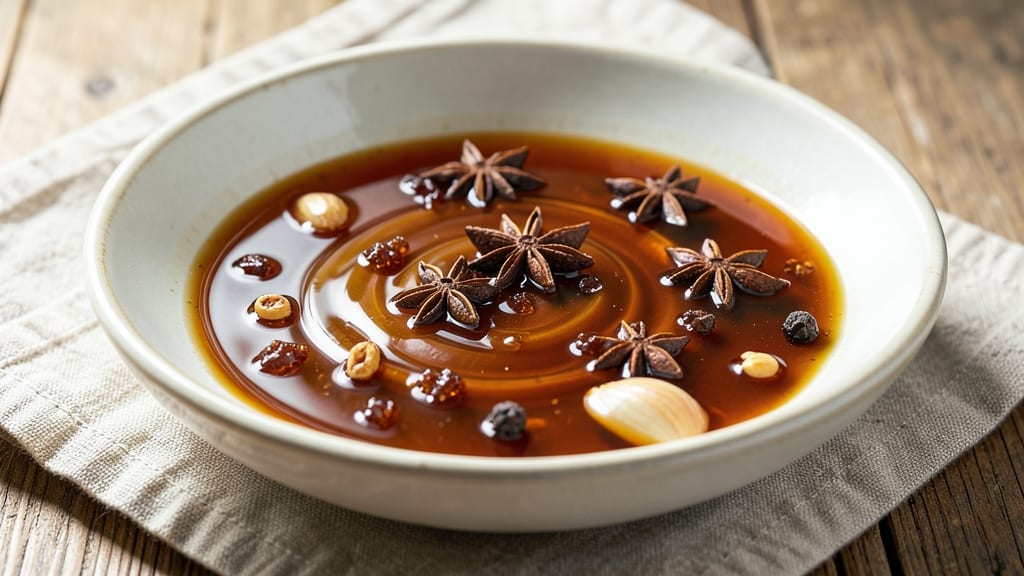
This Peking duck sauce recipe transforms simple pantry staples into a sweet-spicy glaze that elevates stir-fries and dipping dishes to restaurant quality. The secret lies in balancing soy sauce, vinegar, and sugar while simmering until thick and aromatic—just like the sauces served alongside Peking duck in Beijing’s legendary restaurants.
I’ve refined this version to deliver that signature tangy-sweet depth with minimal effort, using spices like star anise and Sichuan peppercorns for complexity.
The beauty of this sauce is its versatility—whether you’re glazing roasted meats, drizzling over noodles, or serving as a dipping sauce for dumplings, it adds a bold, umami-rich finish. The reduction process concentrates flavors, turning a basic blend into something deeply savory with just a hint of heat.
What sets this apart is the authentic texture: glossy yet clingy, with a perfect balance of sweetness and acidity that cuts through rich dishes.
With just five core ingredients and 20 minutes of active time, you’ll have a sauce that tastes like it took hours to perfect. The key is patience during simmering—letting the liquid reduce slowly builds layers of flavor you won’t find in store-bought versions.
This isn’t just a sauce; it’s the secret weapon that transforms ordinary meals into something extraordinary. Ready to make it?
Once you’ve mastered the base, you can adjust the sweet-to-tangy ratio to suit your taste—more vinegar for brightness, extra sugar for richness. Pair it with grilled chicken, tofu, or even fries for a fusion twist.
The possibilities are endless, but the foundation remains the same: simple ingredients, precise technique, and professional results.
Ingredients for peking sauce
Five pantry staples and two aromatic spices create this restaurant-worthy Peking duck glaze.
| Ingredient | Amount | Notes |
|---|---|---|
| Light Soy Sauce 🥢 | ½ cup | Kikkoman preferred for authentic flavor |
| Rice Vinegar 🍶 | ¼ cup | White or seasoned variety |
| Dark Brown Sugar 🍚 | ⅓ cup | Packed firmly for accurate measure |
| Star Anise Pods 🌿 | 2 whole | Whole pods for easy removal |
| Sichuan Peppercorns 🌶️ | 1 tsp | Crushed lightly for aroma |
| Garlic Cloves 🧄 | 3 cloves | Minced finely for depth |
| Fresh Ginger 🌿 | 1 tbsp | Grated finely for zing |
| Sesame Oil 🫒 | 1 tbsp | Toasted for nutty aroma |
The soy sauce is non-negotiable—Kikkoman delivers that authentic umami punch you can't get from generic brands. Grab the light variety, not the dark. For vinegar, Mushroom or seasoned rice vinegar from Trader Joe's adds subtle depth. The brown sugar should be packed firmly; don't scoop it loosely. As for spices, Penzeys carries whole star anise pods that stay potent for months, while Sichuan peppercorns can be found in the international aisle at most grocery stores. If you can't find them, substitute 1/4 tsp ground white pepper, but you'll lose that signature tingling heat.
No star anise? 1/2 tsp anise extract works in a pinch, but the flavor won't be identical. Short on sesame oil? Toasted peanut oil gives a similar nutty profile. The garlic and ginger can be swapped for 1 tbsp garlic-ginger paste>—just adjust the sugar slightly if using pre-packaged versions. For a smokier twist, add 1/2 tsp smoked paprika with the Sichuan peppercorns. The key is balancing sweetness and acidity—taste as you go. If it's too sharp, add a pinch more sugar; if too flat, a splash of vinegar. This sauce builds flavor as it reduces, so patience is everything.
This sauce keeps for 3 months in the fridge, sealed tightly with a layer of plastic wrap pressed directly on the surface to prevent a skin from forming. For longer storage, freeze in ice cube trays—just thaw overnight in the fridge. The texture thickens as it cools, so reheat gently over low heat with a splash of water if it becomes too stiff. I like to make a double batch; the extra goes perfectly on grilled corn or as a marinade for tofu. Store any leftovers in a small glass jar—it looks pretty on your pantry shelf too.
Why You'll Love This Recipe
- Pantry Magic: I swear by this sauce because it only needs five things you’re already keeping in your cupboards. No last-minute grocery runs—just soy sauce, vinegar, and a few spices that’ll transform your stir-fries or roasted chicken into something special.
- Umami Bomb: That star anise and Sichuan peppercorn combo? It’s like a flavor time machine. The deep, nutty warmth from the star anise lingers, while the peppercorns add a subtle, tingling kick—no chili flakes needed. It’s the kind of taste that makes you pause mid-bite.
- Weeknight Hero: I make a big batch on Sundays and keep it in the fridge. Drizzle it over noodles, toss it with greens, or glaze some pork—it’s my secret weapon for turning simple meals into something that feels restaurant-worthy without extra effort.
- Budget Stretch: Honestly, this sauce costs pennies to make but feels luxurious. A little goes a long way, and since it keeps for weeks, you’re not scrambling to use it up. Plus, the spices are cheap and versatile—use them again in stews or marinades. Win-win.
Step-by-step instructions for Peking duck sauce
This sweet-spicy glaze transforms simple pantry staples into a restaurant-worthy sauce that pairs perfectly with crispy duck.
Toast the Spices for Maximum Flavor
Heat a small dry skillet over medium-low heat. Add the 2 whole star anise pods and 1 teaspoon Sichuan peppercorns, stirring constantly for 1-2 minutes until fragrant. The star anise should smell piney and the peppercorns should release their subtle citrusy aroma. Remove from heat immediately—you're not trying to brown them, just awaken their flavors. Let cool for 5 minutes before grinding.
Using a mortar and pestle or spice grinder, crush the star anise and Sichuan peppercorns into a coarse powder. This releases their essential oils and creates the aromatic base for your sauce. If you don't have a grinder, wrap the pods in a clean kitchen towel and gently crush with a rolling pin—just enough to break them open. Set aside for the next step.
Bloom the Garlic and Ginger in Sesame Oil
In a medium saucepan, combine 1 tablespoon toasted sesame oil, 3 minced garlic cloves, and 1 tablespoon freshly grated ginger. Heat over medium-low heat for 2-3 minutes, stirring constantly until the garlic becomes golden and fragrant. You'll see the oil shimmer and the aromatics will fill your kitchen—this is where the sauce builds its depth of flavor.
Watch carefully to avoid burning. Garlic turns bitter quickly, and ginger can scorch in seconds. If it starts to darken too much, remove from heat for 30 seconds to cool before continuing. The mixture should smell like a spice market in Beijing—bright, warm, and slightly spicy.
Combine Wet Ingredients and Simmer
Add 0.5 cup light soy sauce, 0.25 cup rice vinegar, and 0.33 cup packed dark brown sugar to the pan. Stir vigorously to dissolve the sugar completely—it should melt into the liquid within 1-2 minutes. Bring the mixture to a gentle simmer over medium heat, then reduce to low heat and let it cook uncovered for 15-20 minutes.
You're looking for a sauce that reduces by about one-third, becoming syrupy and glossy. Stir occasionally to prevent sticking, and taste as you go. The sauce should balance sweetness from the sugar, tang from the vinegar, and umami from the soy. If it's too thin, simmer uncovered for another 5 minutes—the evaporation will thicken it naturally.
Finish with Crushed Spices and Strain
Return the pan to medium heat and stir in the crushed star anise and Sichuan peppercorn mixture. Simmer for 2-3 minutes to infuse the flavors, then immediately strain through a fine-mesh sieve into a clean bowl. This removes the spice particles, leaving you with a smooth, velvety sauce. Press gently on the solids with a spoon to extract every last drop of flavor.
The finished sauce should coat the back of a spoon and have a beautiful mahogany hue. Let it cool to room temperature—it will thicken slightly as it sits. For best results, use within 2 days or refrigerate for up to 1 week. This sauce elevates everything from roasted duck to grilled meats and even as a dipping sauce for spring rolls.
Pro Tips For Making Peking Sauce
- CRUSH PEPPERCORNS FIRST: Toss Sichuan peppercorns in a dry skillet over medium heat for 30 seconds before adding them to the sauce—this wakes up their aroma and numbing kick without burning. I used to just toss them in raw, and the flavor was always half as strong.
- STIR CONSTANTLY AT LOW HEAT: Simmer the sauce on the lowest heat setting you can tolerate, and keep it moving with a wooden spoon. I learned this the hard way after one batch turned into a sticky, caramelized mess from scorching. Two minutes of constant stirring saves you from starting over.
- USE WET BROWN SUGAR: Pack the dark brown sugar into the pan with a splash of water or vinegar first—this prevents grainy bits and helps it dissolve smoothly into the sauce. My first attempt with dry sugar left me scraping lumps out of the bottom for 10 minutes.
- STRAIN THE STAR ANISE: Remove the star anise pods after 5 minutes of simmering, then strain the sauce through a fine-mesh sieve to catch any floating bits. Leaving them in too long makes the sauce bitter, and skipping the straining gives it a gritty texture—neither is worth the effort.
Serving suggestions for this dish
Glazing Roasted Duck
This sauce was born for Peking duck, but it shines just as brightly on roasted duck legs or breast. Brush the sauce on generously during the last 10 minutes of roasting at 375°F—the high heat caramelizes the sugars while keeping the duck crispy.
I like to glaze both sides, then finish with a final coat after resting. For extra drama, drizzle the sauce over sliced duck just before serving and garnish with toasted sesame seeds. 🥢
Dipping Sauce Perfection
Serve this sauce warm in a small ceramic bowl alongside crispy spring rolls, dumplings, or potstickers. The perfect ratio is 2 tablespoons of sauce per person, served with a side of hot mustard for those who crave extra heat.
I always keep a small bowl of the sauce on the table during Asian-inspired dinners—it disappears faster than the main dish!
Noodle & Rice Elevator
Stir this sauce into steaming bowls of jasmine rice or udon noodles for an instant flavor upgrade. Use 1-2 tablespoons per serving, adjusting to taste. For extra richness, add a splash of chicken broth to loosen the sauce slightly.
I love pairing it with sesame-ginger chicken or tofu stir-fries—it adds that signature restaurant-quality finish. 🍚
Grilled Meat Glaze
Transform simple grilled chicken, pork, or even shrimp into a showstopper by brushing with this sauce during the last 5 minutes of cooking. The sweet-spicy balance cuts through fatty meats beautifully.
For grilled salmon, use just 1 tablespoon per fillet—it adds a surprising umami depth that pairs perfectly with the fish's natural oils.
Unexpected Fusion Uses
Don't limit this sauce to traditional dishes! Drizzle it over crispy fries for a sweet-spicy twist on loaded fries, or use it as a marinade for tofu or tempeh before grilling.
I've even used it as a glaze for roasted Brussels sprouts—the caramelized edges with the tangy sauce create a flavor explosion. The possibilities are endless once you break free from the Peking duck box!
Nutrition facts
Frequently asked questions
Can I make this sauce without Sichuan peppercorns?
Yes! If you can't find them, substitute 1/4 teaspoon ground white pepper for the aroma, though you'll lose the signature tingling heat. For a similar citrusy note, add 1/4 teaspoon lemon zest> along with the garlic. The sauce will still taste delicious—just slightly less complex.
How do I adjust the sweetness or tanginess?
Start with the recipe as written, then taste as it simmers. For more sweetness, add 1 extra tablespoon sugar> and reduce by another 5 minutes. Need more tang? Stir in 1 teaspoon extra vinegar> and simmer 2 minutes> longer. The sauce should balance all flavors harmoniously.
Why does my sauce turn out too thin?
Sauce thickness depends on simmering time. If it's too thin, return the pan to medium heat> and cook uncovered for 5-10 minutes, stirring occasionally. The liquid will evaporate naturally. For a thicker texture immediately, mix 1 teaspoon cornstarch> with 1 tablespoon water, stir into the sauce, and simmer 1 minute> until it thickens.
Can I use this sauce as a marinade?
Use it as a marinade for tofu, chicken, or pork> by combining 1/4 cup sauce> with 1/4 cup oil> and letting it sit for 30 minutes> (tofu) or 2 hours> (meat). The sauce's sweet-spicy profile works beautifully with grilled or roasted proteins. Just pat the meat dry before cooking for better browning.
How long will this sauce keep in the fridge?
The sauce stays fresh for up to 3 months> when stored in an airtight container> with plastic wrap pressed directly on the surface. For longer storage, freeze in ice cube trays—thaw overnight in the fridge. The texture thickens as it cools, so reheat gently over low heat> with a splash of water if needed.