
Main Courses
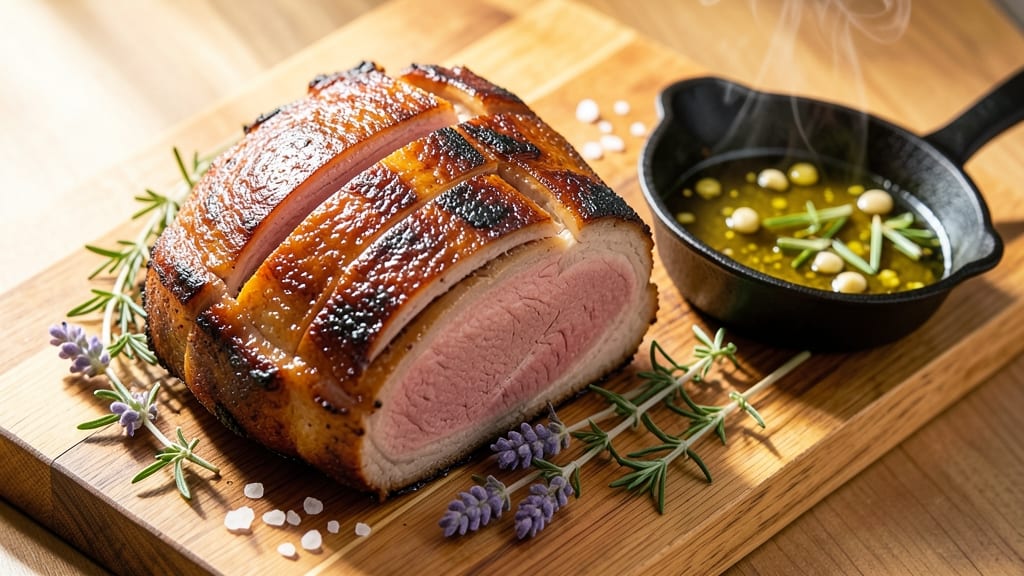
The Pioneer Woman pork loin roast recipe delivers restaurant-quality results with a garlic-herb crust that seals in moisture while creating a flavorful bark. Growing up in small-town Georgia, I learned pork roasts should be tender, juicy, and packed with flavor—this method delivers exactly that.
The secret lies in a precise balance of high heat and careful basting, ensuring every slice stays succulent from edge to edge.
This recipe transforms a simple pork loin into a showstopper with minimal effort. A garlic-herb crust made from fresh rosemary, thyme, and minced garlic forms a flavorful seal that locks in juices while adding depth.
Roasting at 375°F ensures even cooking without drying out the meat, while basting every 15 minutes guarantees a golden, crisp exterior and a moist, tender interior.
By the time you serve this roast, your kitchen will smell like a Southern Sunday dinner, and every slice will be perfectly juicy and flavorful. The crust stays intact, holding all those aromatic herbs and garlic, while the meat remains fork-tender.
This is the kind of pork roast that disappears quickly—guaranteed to impress even the most critical guests.
Pair it with roasted potatoes and a simple green salad for a complete meal. The leftovers reheat beautifully, making this the perfect recipe for feeding a crowd or prepping ahead. Let’s get cooking—your table is about to get an upgrade.
Ingredients for pioneer woman pork loin roast
Six ingredients create a showstopping garlic-herb crust that locks in moisture and flavor for perfect pork loin every time.
| Ingredient | Amount | Notes |
|---|---|---|
| Pork Loin Roast 🥩 | 3 lb | Bone-in, center-cut preferred |
| Extra-Virgin Olive Oil 🫒 | ¼ cup | High-quality, fruity variety |
| Garlic Cloves 🧄 | 8 whole | Minced, fresh preferred |
| Fresh Rosemary 🌿 | ¼ cup | Finely chopped, stems removed |
| Fresh Thyme Leaves 🌿 | ¼ cup | Stripped from stems |
| Kosher Salt 🧂 | 1 ½ tbsp | Coarse grain preferred |
| Freshly Ground Black Pepper 🌶️ | 1 tbsp | Cracked peppercorns preferred |
| Unsalted Butter 🧈 | ½ cup | Cold, cubed for basting |
| Yellow Onion 🧅 | 1 whole | Sliced for basting liquid |
| Garlic Powder 🧄 | 1 tsp | For additional flavor depth |
| Dried Oregano 🌿 | 1 tsp | For crust complexity |
| Apple Cider Vinegar 🍎 | 1 tbsp | For basting liquid tang |
The pork loin is the heart of this recipe—bone-in, center-cut stays juicier than boneless. Look for a roast with good marbling at Whole Foods or your local butcher shop; the fat renders beautifully during roasting. Fresh herbs make all the difference: rosemary and thyme from the grocery store's produce section should be vibrant green, not wilted. If you can't find fresh, dried oregano works in a pinch, but fresh is ideal for that bright aroma. The garlic should be firm and clove-shaped—avoid any sprouting cloves.
No fresh rosemary? Dried rosemary at one-third the amount works, though the flavor won't be as intense. Substitute fresh parsley for thyme if needed, but the earthy notes of thyme are key. For the basting liquid, low-sodium chicken broth can replace onion and vinegar if you're short on time. The butter should be cold and cubed—this ensures it bastes properly without melting prematurely. If you're roasting a larger cut, increase the butter by 0.25 cup per extra pound of meat.
This roast reheats beautifully—350°F for 10-15 minutes in a covered dish keeps it moist. Store leftovers in the fridge for up to 4 days, wrapped tightly in foil to retain moisture. For longer storage, freeze portions for up to 3 months. The crust stays crispy when reheated, so it's perfect for meal prep. I always make a double batch—one for dinner and one to freeze for lazy weeknights.
Why You'll Love This Recipe
- Foolproof Timing: I swear by this method—just sear the pork, sprinkle the garlic and herbs, then let the oven do the work. No hovering, no guesswork, and that internal temp hits just right every single time.
- Herb-Packed Magic: That combo of rosemary and thyme? It’s like a flavor hug for your pork. The olive oil keeps it juicy while the herbs caramelize into a fragrant crust—simple, but ridiculously satisfying.
- Weeknight or Company: Serve it sliced with crusty bread for a lazy Sunday supper, or carve it dramatically for guests. Same recipe, zero stress—because it’s already foolproof.
- Leftover Goldmine: This roast actually tastes better the next day. Shred it for sandwiches, dice it into salads, or toss it into pasta. Honestly, I make it twice in one week just to have leftovers.
Step-by-step instructions for garlic-herb crusted pork loin roast
This method ensures a perfectly moist roast with a flavorful crust that locks in every drop of juices.
Prepare the Pork Loin and Herb Paste
Begin by removing the pork loin roast from its packaging and patting it dry thoroughly with paper towels. This step is critical for achieving a crispy crust. Place the roast on a cutting board and make a series of shallow cuts about ½ inch deep across the surface. These slashes allow the marinade to penetrate deeply and create a more flavorful interior.
In a small bowl, combine the 0.25 cup extra-virgin olive oil, 1.5 tbsp kosher salt, 1 tbsp freshly ground black pepper, 1 tsp garlic powder, 1 tsp dried oregano, and the 1 tbsp apple cider vinegar. Mix well to create a cohesive paste. Add the 8 minced garlic cloves, 0.25 cup finely chopped fresh rosemary, and 0.25 cup fresh thyme leaves. Stir until the herbs are evenly distributed throughout the mixture. This herb paste will form the flavorful crust that locks in moisture.
Spread the herb paste evenly over the entire surface of the pork loin, pressing gently to ensure it adheres well. Place the roast on a plate and refrigerate uncovered for 30 minutes. This resting period allows the flavors to meld and the crust to set, ensuring it doesn't slip off during roasting.
Sear the Roast for Maximum Flavor
Preheat your oven to 400°F. Once preheated, heat a large oven-safe skillet over medium-high heat. Place the pork loin roast in the skillet and sear for 4-5 minutes per side until it develops a deep golden-brown crust. You'll know it's ready when the crust is firm to the touch and the edges begin to caramelize.
This searing step is essential for creating a flavorful barrier that locks in moisture during roasting. If you notice the roast browning too quickly, reduce the heat slightly to prevent burning. The goal is to develop a rich, caramelized crust without cooking the meat through completely.
After searing, transfer the skillet to the preheated oven. Roast the pork loin for 20-25 minutes until the internal temperature reaches 145°F when measured with a meat thermometer. The roast should be slightly pink in the center, as it will continue to cook slightly during resting.
Create the Basting Liquid and Finish Roasting
While the pork loin roasts, prepare the basting liquid in a small saucepan. Melt the 0.5 cup unsalted butter over low heat, then add the 1 whole sliced yellow onion. Cook for 5-7 minutes until the onions soften and the butter takes on a golden hue. Remove from heat and stir in the 1 tbsp apple cider vinegar to add a bright, tangy note to the basting liquid.
Once the pork loin reaches 145°F, remove it from the oven and brush the basting liquid generously over the top. Return the roast to the oven and continue roasting for another 10-15 minutes until the internal temperature reaches 150°F. This basting step ensures the crust remains moist and flavorful, while the higher temperature helps carry over the cooking process.
Remove the roast from the oven and let it rest on a cutting board for 15-20 minutes before slicing. This resting period allows the juices to redistribute throughout the meat, ensuring each slice is moist and tender. Tent the roast loosely with aluminum foil to keep it warm during resting.
Slice and Serve
After resting, slice the pork loin roast into ½-inch thick medallions against the grain for maximum tenderness. The slices should be juicy and well-seasoned, with a crispy, herb-infused crust that locks in every drop of flavor. Serve immediately with the remaining basting liquid spooned over the top for extra richness.
This method guarantees a perfectly moist roast with a flavorful crust that delivers on every promise. The combination of searing, basting, and proper resting ensures a dish that's both impressive and delicious.
Pro Tips For Making Pioneer Woman Pork Loin Roast
- Trim the Fat Cap: Pork loin can hide a thin layer of fat on one side—leave it on. That’s where the flavor concentrates, and it protects the meat from drying out. If you’re worried about calories, just trim it after roasting, but don’t skip this step entirely.
- Smash Those Garlic Cloves: I used to just slice them—big mistake. For this recipe, crush the garlic cloves with the flat side of your knife first. That releases more flavor, and the oils in the pork will grab onto it better. (Yes, it’s extra work, but it’s worth it.)
- Don’t Overcrowd the Pan: If you’re searing the pork first, resist the urge to throw all the garlic and herbs in at once. Cook the garlic in batches—2 minutes per side max—so it browns instead of steaming. Burnt garlic ruins everything.
- Use a Meat Thermometer: Pork loin hits its sweet spot at 145°F (63°C) for medium-rare, but guesswork leads to dry meat. Stick it in the thickest part—no peeking until it’s done. If you don’t have one, pull it out 5°F early and let it rest.
Perfect pairings for this dish
Classic Southern Sides
This roast pairs beautifully with creamy mashed potatoes—I use Yukon Gold potatoes boiled in salted water until tender, then mashed with ½ cup cultured butter and ½ cup warm whole milk. The richness complements the pork’s herbaceous crust without overpowering it.
For a lighter option, roasted garlic green beans with 1 tbsp olive oil, 2 minced garlic cloves, and a pinch of red pepper flakes add freshness. 🥔
Bread Pairings
A crusty French baguette is perfect for soaking up those basting juices. Toast slices lightly with garlic-infused olive oil and sprinkle with flaky sea salt for a simple yet elegant touch.
For a Southern twist, serve with cornbread—I love Jiffy corn muffin mix baked in a cast-iron skillet until golden. The slight sweetness balances the pork’s savory depth.
Wine Recommendations
A dry Riesling from Germany or California cuts through the pork’s richness with its crisp acidity and subtle honeyed notes. I reach for Dr. Loosen Blue Slate Riesling—it’s bright enough to cleanse the palate while complementing the garlic and herbs.
For red wine lovers, a Pinot Noir from Oregon offers enough acidity to match the dish without overpowering it. Avoid heavy Cabernets that could clash with the delicate herb crust. 🍷
Beer Pairings
A Belgian witbier like Stella Artois or Hoegaarden brings citrusy notes that echo the apple cider vinegar in the basting liquid. For a local favorite, Georgia’s SweetWater 420 IPA adds a hoppy contrast that highlights the pork’s caramelized crust.
If you prefer lagers, a Peroni or Heineken keeps things light and refreshing, ensuring the meal stays balanced. 🍺
Dessert Balance
Finish the meal with peach cobbler—I use fresh Georgia peaches simmered with brown sugar and vanilla, topped with a buttery biscuit crust. The sweetness contrasts the savory pork beautifully.
For a lighter option, lemon bars with a shortbread crust and tangy glaze provide a bright finish that resets the palate. 🍑
Make-Ahead Garnishes
Prep ahead with pickled red onions—slice 1 small red onion thinly and soak in ½ cup apple cider vinegar, 1 tbsp sugar, and a pinch of salt for 20 minutes.
The tangy crunch adds a fresh pop of color and flavor. For extra elegance, garnish with chopped fresh parsley or microgreens just before serving. These touches elevate the dish without extra effort. ✨
Nutrition facts
Frequently asked questions
How do I choose the best pork loin for this recipe?
Look for a bone-in, center-cut pork loin weighing about 3 pounds—this keeps the meat juicy. Ask your butcher for a cut with good marbling (visible fat) for extra flavor. Avoid lean cuts, as they dry out faster. Freshness matters too: the meat should smell mild and have a vibrant pink color, not gray or brown.
Can I make this roast ahead of time?
Cook the roast as directed, then let it cool completely. Wrap tightly in plastic wrap and refrigerate for up to 4 days. To reheat, warm in a 350°F oven for 10-15 minutes with a splash of water in the pan to keep it moist. For longer storage, freeze for up to 3 months. Thaw overnight in the fridge before reheating.
What’s the best way to slice the pork loin?
Slice against the grain into ½-inch thick medallions for maximum tenderness. Use a sharp knife and cut at a 45-degree angle for elegant presentation. Let the roast rest 15-20 minutes first—this ensures juices redistribute and your slices stay moist. A hot knife works wonders for clean cuts!
Why did my roast turn out dry?
Dry pork usually means overcooking or skipping the rest. Use a meat thermometer—remove at 145°F (it’ll rise to 150°F while resting). Avoid cutting into it too soon; juices need time to settle. For extra moisture, baste every 15 minutes with butter and onions. A leaner cut or high oven temp can also dry it out—stick to 375°F and bone-in pork.
Can I substitute fresh herbs with dried ones?
Yes, but adjust quantities: use ⅓ the amount of dried herbs (e.g., 1 tsp dried rosemary instead of 0.25 cup fresh). Fresh herbs add vibrant flavor, but dried work in a pinch. For thyme, dried leaves are fine, but avoid dried stems—they’re tough. Toast dried herbs in a dry pan for 30 seconds to deepen their aroma before mixing.