
Main Courses
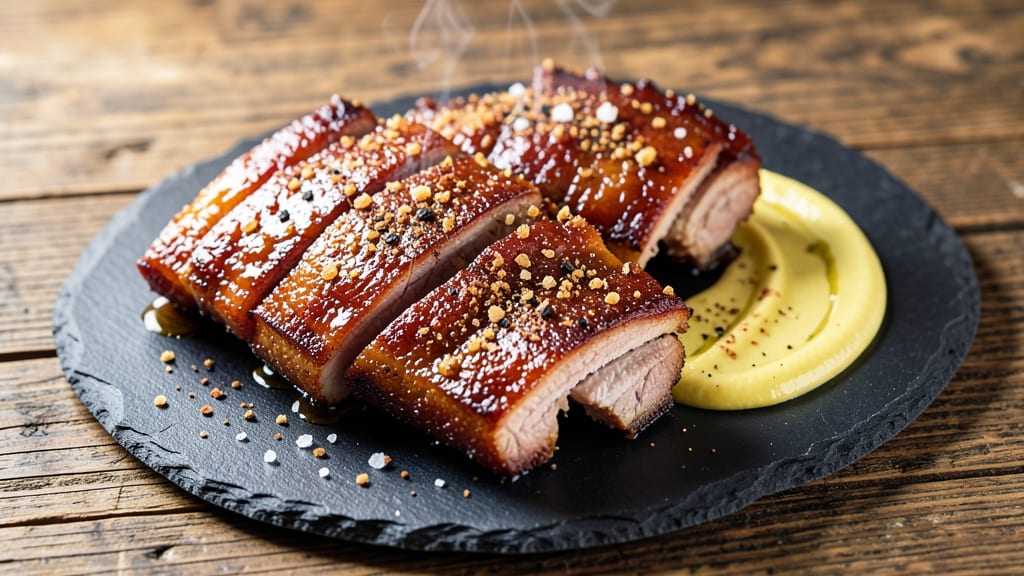
When you want tender pork spareribs that fall apart with a single touch, this oven-baked method delivers restaurant-quality results without the smoker. 🌟 I developed this recipe during a particularly busy week when I needed a foolproof technique that didn't require hours of babysitting—just precise seasoning, slow cooking, and patience.
The key lies in transforming tough, meaty ribs into melt-in-your-mouth perfection through a combination of dry rub and controlled oven heat.
This method begins with a simple yet powerful dry rub—just five spices that penetrate the meat and create a flavorful bark without overpowering the natural taste of the pork. Unlike traditional smoking, which requires specialized equipment, this oven technique uses everyday tools and delivers consistent results every time.
The ribs cook low and slow, allowing collagen to break down and transform into rich, juicy tenderness that's impossible to resist.
By the time they emerge from the oven, your ribs will be tender, caramelized at the edges, and infused with deep, smoky flavors that make them the centerpiece of any meal.
The beauty of this recipe is its versatility—serve them whole for a dramatic presentation or shred them for tacos, sandwiches, or pulled pork applications. The method is designed to be repeatable, so you'll achieve the same level of success whether you're cooking for two or feeding a crowd.
Pair these ribs with classic sides like creamy coleslaw, buttery cornbread, or a crisp green salad to complete the meal. The slow-cooked tenderness pairs beautifully with bright, acidic elements that cut through the richness. Let's get started on creating ribs that will have everyone asking for seconds—and maybe even thirds.
Ingredients for pork spareribs oven
Six ingredients transform tough spareribs into melt-in-your-mouth perfection without a smoker.
| Ingredient | Amount | Notes |
|---|---|---|
| Pork Spareribs 🍖 | 4 lb | Bone-in, trimmed of excess fat |
| Yellow Mustard 🍯 | ¼ cup | For initial coating |
| Brown Sugar 🍚 | ½ cup | Packed, light variety |
| Smoked Paprika 🌶️ | 2 tbsp | For deep smoky flavor |
| Ground Black Pepper 🌶️ | 1 ½ tbsp | Freshly cracked for intensity |
| Garlic Powder 🧄 | 1 tbsp | No garlic salt |
| Diamond Crystal Kosher Salt 🧂 | 1 ½ tbsp | For balanced seasoning |
| Apple Cider Vinegar 🍎 | ¼ cup | For tenderizing and tang |
| Onion Powder 🧅 | 1 tbsp | For subtle depth |
| Olive Oil 🫒 | 2 tbsp | For moisture retention |
| Fresh Rosemary 🌿 | ¼ cup | Chopped, for aromatic complexity |
| Water 💧 | ½ cup | For steam during cooking |
The spareribs are the foundation—look for bone-in cuts with good marbling from Whole Foods or your local butcher. Costco often carries them pre-cut, which saves time. Trim any excess fat to prevent flare-ups during cooking, but leave enough to keep the meat moist. The apple cider vinegar is non-negotiable here; it tenderizes the collagen while adding a subtle tang that balances the sweetness. For the brown sugar, opt for light over dark—it caramelizes better without overpowering. Diamond Crystal kosher salt is preferred over table salt for its coarse texture, which clings better to the ribs.
No smoked paprika? Substitute 1 tbsp regular paprika plus 0.5 tsp liquid smoke for depth. Fresh rosemary unavailable? Dried rosemary at one-third the amount works, but toast it first in a dry pan for 30 seconds to intensify the flavor. The olive oil should be extra-virgin—it adds fruity notes that complement the smokiness. For a quicker prep, skip the fresh rosemary and use 1 tsp dried thyme instead. The onion powder can be swapped for 1 tbsp finely minced onion if you prefer raw flavor, but it loses intensity during cooking.
Prep the ribs the night before for optimal tenderness—pat them dry and store in a sealed container with the apple cider vinegar for up to 12 hours. This marinade step is crucial for breaking down collagen. The dry rub can be made ahead of time and stored in an airtight container for 2 weeks. For serving, ribs hold well at room temperature for 2 hours, but reheat gently in a 350°F oven for 10-15 minutes if kept longer. Leftovers? Shred and freeze for 3 months—perfect for tacos or sandwiches later.
Why You'll Love This Recipe
- No-Fuss Oven Magic: I swear by this method—just toss the ribs on a sheet pan, slather them with that sticky mustard-brown sugar glaze, and let the oven do the work. No babysitting, no smoker, no stress.
- Sweet-Smoky Crunch: That crispy bark? Pure satisfaction. The smoked paprika and brown sugar caramelize into something dangerously addictive—tender meat with a snap that makes every bite worth it.
- Leftovers That Don’t Suck: Between us, these ribs taste better the next day. I pack them for lunches or reheat slices in a pan for quick tacos—no one complains, and my wallet thanks me for the bulk buy.
- Weeknight Crowd-Pleaser: Honestly, this is my go-to for game day or lazy Sundays. The kids grab them straight off the pan, my partner asks for seconds, and I don’t have to slave over a grill. Win.
Step-by-step instructions for slow-baked pork spareribs
Here's the method for achieving melt-in-your-mouth tenderness with a perfectly balanced spice crust.
👨🍳 Step 1: Create the Tenderizing Marinade
In a medium bowl, combine the 0.25 cup yellow mustard, 0.25 cup apple cider vinegar, and 2 tbsp olive oil. This marinade does double duty—it tenderizes the tough rib meat while adding a tangy backbone to the flavor profile. Whisk until fully emulsified, then stir in the 0.25 cup chopped fresh rosemary and 1 tbsp onion powder. The rosemary's piney aroma will infuse the meat beautifully during the long cook.
Place the 4 lb pork spareribs in a large resealable plastic bag and pour the marinade over them. Seal the bag and massage the marinade into every crevice of the ribs, ensuring complete coverage. Let them marinate in the refrigerator for at least 4 hours, but overnight is ideal. This extended time allows the acid in the vinegar to break down connective tissues, guaranteeing that fork-tender result you're after.
🍳 Step 2: Build the Dry Rub and Prepare the Ribs
In a small bowl, combine the 0.5 cup packed brown sugar, 2 tbsp smoked paprika, 1.5 tbsp ground black pepper, 1 tbsp garlic powder, and 1.5 tbsp diamond crystal kosher salt. This blend creates the perfect balance of sweetness, heat, and savory depth. Use your fingers to thoroughly mix the ingredients, breaking up any sugar clumps to ensure even distribution.
Remove the ribs from the marinade (reserve the marinade for basting) and pat them dry with paper towels. This step is crucial—any moisture left on the surface will prevent the rub from adhering properly. Working in batches if needed, apply the dry rub generously to all sides of the ribs, pressing it into the meat so it clings firmly. The sugar will caramelize beautifully during cooking, creating that coveted sticky-sweet bark.
🔥 Step 3: Slow-Bake for Maximum Tenderness
Preheat your oven to 275°F—this low temperature is key for breaking down collagen without drying out the meat. Place the ribs on a wire rack set inside a rimmed baking sheet (the rack allows air to circulate underneath). Pour the reserved marinade into the bottom of the pan and place a second rack about 2 inches above the ribs. This creates a steam chamber that keeps the meat moist throughout the long cook.
Bake the ribs for 3 hours, then carefully flip them over and add the 0.5 cup water to the pan. The steam will help tenderize the meat further. Continue baking for another 2 hours, basting the ribs with any accumulated juices every 30 minutes. You'll know they're ready when they pull apart easily with two forks and the internal temperature reaches 195-200°F—this is when all that collagen has transformed into gelatin, creating that luxurious tenderness.
🥘 Step 4: Caramelize the Bark for Perfect Finish
Once the ribs are tender, increase the oven temperature to 425°F. This high heat step is what creates that beautiful caramelized bark. Return the ribs to the oven (no need to add more water) and bake for an additional 15-20 minutes, basting occasionally with the pan juices. Watch closely—the sugar in the rub will turn golden brown and begin to bubble, creating that irresistible sticky glaze.
The ribs are done when the bark is deep amber in color and slightly crisp. For best results, let them rest for 10 minutes before serving. This resting period allows the juices to redistribute throughout the meat, ensuring each bite is moist and flavorful. Serve with the pan juices spooned over the top for maximum impact.
Pro Tips For Making Pork Spareribs Oven
- CRANK THE OVEN TO 425°F FIRST: I learned this the hard way—starting at 375°F means your ribs will spend too much time in the "meh" zone. Blast that oven to 425°F for the first 20 minutes to render fat and kickstart the crust. Then drop to 275°F for the slow cook. The initial sear locks in flavor before the long bake.
- TRIM THE FAT BUT KEEP THE MEMBRANE: You can peel off that thin membrane on the bone side, but it’s not worth the effort for oven ribs. Just score it lightly with a knife—it’ll crisp up and add texture. And trim excess fat before seasoning, not after; it’ll burn and make your mustard glaze bitter.
- DON’T SKIP THE MUSTARD SLATHER: Yellow mustard isn’t just a binder—it’s the glue that makes your brown sugar and paprika stick. Apply it generously (about 2 tablespoons per pound of ribs) and pat it in, not just a drizzle. If you’re lazy and use too little, your ribs will taste like a sad, dry sugar crust instead of sticky, smoky perfection.
- REST THE RIBS UNDER FOIL: After pulling them from the oven, give them a solid 5–10 minutes under foil before serving. This lets the juices redistribute—cutting them too soon means dry, stringy meat. (Yes, even if you’re impatient like me.) Trust the process; the ribs will stay tender, and you’ll avoid the "I wasted good meat" moment.
Dietary considerations for this recipe
Gluten-Free Adaptation
This recipe is naturally gluten-free, but there are a few adjustments to ensure safety and flavor. First, swap the yellow mustard for a certified gluten-free version like Mustard Brand's Gluten-Free Dijon—it has the same tangy backbone without the wheat.
For the dry rub, use gluten-free smoked paprika (check labels, as some brands process in shared facilities). The brown sugar and apple cider vinegar are safe as-is, but always verify that your kosher salt comes from a dedicated gluten-free facility.
The ribs themselves are gluten-free, but be mindful of cross-contamination if using shared tools or surfaces. 🌾
Dairy-Free Considerations
This recipe doesn't contain dairy, but if you're serving it alongside dairy-based sides (like coleslaw with mayo or cheesy cornbread), opt for dairy-free alternatives. Use vegan mayo (like Hellmann's Vegan) for coleslaw and nutritional yeast or dairy-free cheese (like Miyoko's) for any toppings.
The ribs themselves are completely dairy-free, so no adjustments are needed to the main dish. For extra richness, brush the ribs with olive oil during the final caramelization step instead of butter.
Low-Sodium Options
If you're watching your sodium intake, reduce the kosher salt to 1 tbsp and boost flavor with an extra 0.5 tbsp garlic powder and 1 tbsp onion powder. For a deeper umami punch, add 1 tsp fish sauce or 1 tbsp soy sauce (ensure it's low-sodium) to the marinade.
The smoked paprika and black pepper will also enhance the savory profile without extra salt. Monitor the ribs closely—they'll still develop great flavor with these adjustments. 💡
Allergen-Friendly Swaps
For nut allergies, ensure your olive oil is nut-free (some brands process in shared facilities). If rosemary is a concern, substitute with 1 tbsp dried thyme or 1 tsp dried oregano. For egg allergies, no changes are needed—this recipe is egg-free.
Always double-check ingredient labels, especially for spices and vinegars, which can sometimes contain hidden allergens. When in doubt, opt for single-ingredient spices from trusted brands like Penzeys or Simply Organic.
Keto-Friendly Adjustments
This recipe is already keto-friendly, but you can optimize it further by reducing the brown sugar to 0.25 cup (or omitting it entirely) and increasing the smoked paprika to 3 tbsp for a smokier, less sweet profile.
The apple cider vinegar and mustard keep it low-carb, and the ribs themselves are a great source of protein and healthy fats. Serve with cauliflower mash or a zucchini noodle salad to keep the meal fully keto-compliant.
The ribs will still caramelize beautifully with less sugar—just watch them closely during the final step. 🥩
Nutrition facts
Frequently asked questions
Why do I need to marinate the ribs overnight?
The overnight marinade with apple cider vinegar breaks down collagen in the tough rib meat, transforming it into gelatin that creates melt-in-your-mouth tenderness. The acid also tenderizes the fibers while infusing flavor—skipping this step means less juicy, more chewy results. For best results, don't exceed 12 hours or the meat may become mushy.
Can I use baby back ribs instead of spareribs?
Yes! This method works beautifully with baby back ribs, but adjust cooking time to 2-2.5 hours at 275°F since they're smaller and more tender. The same dry rub and marinade work, but reduce sugar to 0.25 cup to prevent excessive caramelization. Baby backs will finish in 10-15 minutes at 425°F instead of 20.
What if my oven doesn't go below 250°F?
Use your oven's lowest setting (likely 250°F) and extend cooking time by 30-45 minutes). Cover the pan tightly with foil to retain moisture, and add 0.5 cup water every 1 hour to maintain steam. The ribs are done when they reach 195-200°F internally—use a meat thermometer to avoid overcooking.
How do I prevent the ribs from drying out?
Never skip the wire rack—it allows air circulation underneath while keeping the meat elevated. Add 0.5 cup water to the pan during cooking to create steam, and baste every 30 minutes with pan juices. The final 425°F step should only be 15-20 minutes—watch closely to avoid burning the sugar before the meat finishes.
Can I make this recipe in a slow cooker?
Follow the same marinade and dry rub steps, then cook on LOW for 8 hours or HIGH for 5 hours with 0.5 cup water added. Skip the final 425°F step—just broil for 5 minutes at the end to caramelize the bark. The slow cooker method is even more forgiving for beginners.