
Appetizers
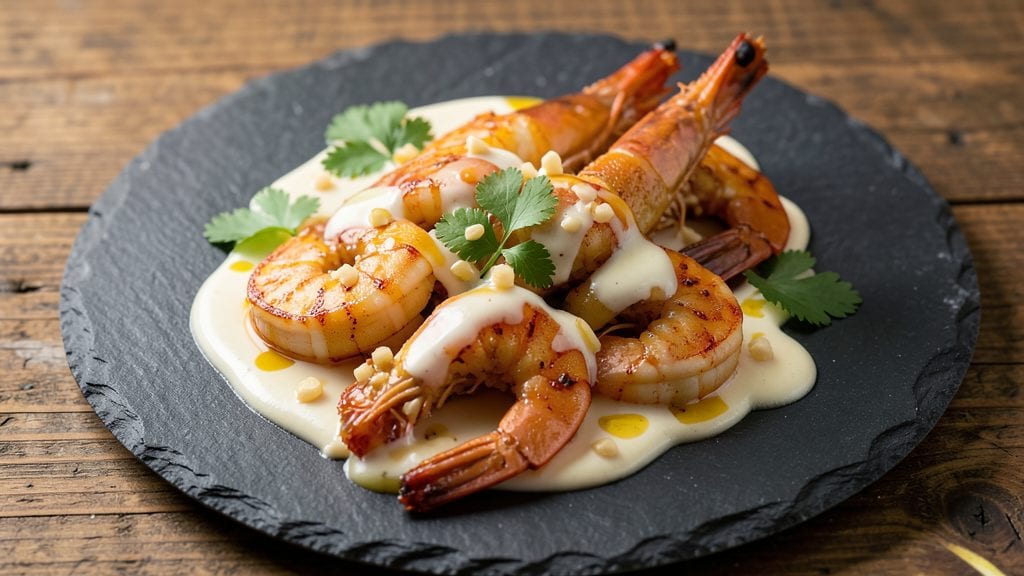
This Portuguese shrimp recipe delivers the garlicky, lemon-kissed butter perfection you’d expect from a Lisbon tavern, but with a method that’s simple enough for weeknight cooking.
The secret lies in balancing bold aromatics—fresh garlic, white wine, and cilantro—with the bright acidity of lemon and the richness of butter, creating a dish that’s both rustic and refined.
I first tasted this version in a small family-run restaurant in Porto, where the shrimp arrived sizzling in a cast-iron skillet, their edges just crisp enough to hold the sauce.
The recipe relies on a few key techniques: high-heat searing to lock in flavor, deglazing the pan with white wine to build depth, and finishing with a splash of lemon to brighten the dish.
Portuguese cuisine often uses simple ingredients elevated by technique, and this shrimp dish is no exception—it’s all about timing and layering flavors. The result is tender shrimp swimming in a velvety, aromatic sauce that’s equally at home on a charcuterie board or as a standalone appetizer.
What makes this recipe stand out is how it captures the essence of Portuguese coastal cooking without requiring specialty ingredients. The dish balances heat, acidity, and richness in every bite, with the garlic and cilantro adding a fresh, herbaceous note that cuts through the butter’s richness.
Whether you’re serving it at a dinner party or enjoying it as a quick weeknight meal, this shrimp dish delivers restaurant-quality results with minimal effort.
Pair it with crusty bread to soak up the sauce or serve alongside a simple green salad for a complete meal. The flavors only deepen as it sits, making it perfect for prepping ahead and reheating gently.
Here’s how to make it—just as the Portuguese do, but with a home-cook’s shortcuts.
Ingredients for portuguese shrimp
Simple ingredients that transform into restaurant-quality Portuguese shrimp with garlicky lemon butter sauce.
| Ingredient | Amount | Notes |
|---|---|---|
| Large Shrimp 🦐 | 1 ½ lb | Peeled and deveined, tails on |
| Unsalted Butter 🧈 | ½ cup | Cold, cubed for searing |
| Garlic Cloves 🧄 | 6 cloves | Thinly sliced, not minced |
| Fresh Cilantro 🌿 | ½ cup | Chopped, stems removed |
| Lemon Juice 🍋 | ¼ cup | Freshly squeezed |
| Dry White Wine 🍷 | ½ cup | Vinho Verde preferred |
| Olive Oil 🫒 | 2 tbsp | For initial searing |
| Salt 🧂 | 1 ½ tsp | Kosher or sea salt |
| Black Pepper 🌶️ | ½ tsp | Freshly cracked |
| Fresh Lemon Zest 🍋 | 1 tbsp | For finishing touch |
| Fresh Parsley 🌿 | ¼ cup | Chopped, for garnish |
| Crusty Bread 🍞 | 1 loaf | For serving (optional) |
| Green Onions 🧅 | 2 whole | Sliced, for garnish |
The shrimp quality makes all the difference here. Look for wild-caught or sustainably farmed shrimp with a vibrant pink color and firm texture—avoid any with a fishy odor or dull appearance. Whole Foods or local seafood markets typically carry the best options, though most grocery stores have frozen shrimp that works in a pinch. For the garlic, use fresh cloves rather than powder or jarred minced garlic—the flavor is far superior. The cilantro should be bright green with no yellowing, and the lemons should feel heavy for their size, indicating juiciness. Trader Joe's often has excellent prices on these staples, and their organic selection is particularly reliable for herbs.
No white wine? Substitute with shrimp or vegetable stock—just add an extra splash of lemon to compensate for the missing acidity. Fresh cilantro unavailable? Use flat-leaf parsley at the same quantity, though it won't have the same bright flavor. The butter should be unsalted and cold when cubed for searing—this creates a better crust. If you're short on time, pre-slice the garlic and chop the herbs ahead of time and store them in airtight containers in the fridge. The green onions can be swapped for regular onions if needed, though they add a milder, fresher note. For extra richness, add a pat of butter at the end—this is a common Portuguese technique.
The shrimp cooks in minutes, so keep everything prepped while the pan heats. This dish reheats beautifully—gently warm it over low heat with a splash of water to prevent drying. Store leftovers in an airtight container for up to 2 days in the fridge, though the sauce will thicken slightly. For longer storage, freeze the sauce separately from the shrimp for up to 3 months. The crusty bread pairs perfectly—toast it while the shrimp cooks to keep it fresh. Garnish with extra lemon zest and parsley right before serving to maintain vibrant colors.
Why You'll Love This Recipe
- One-Pan Magic: I swear by this recipe when I’m too tired to scrub pots—just toss the shrimp in butter, garlic, and lemon, then let the pan do the work. No extra bowls, no fuss, and the garlic butter clings to every bite like it’s begging to be eaten.
- Garlic Butter Bliss: That moment when the shrimp hits your plate—tender, garlicky, with a bright lemon finish—is pure satisfaction. The butter gives it a velvety richness, while the cilantro adds a fresh kick that cuts through the richness perfectly.
- Weeknight to Dinner Party: Honestly, this dish works for everything. Toss it over rice for a quick weeknight meal, or serve it on toasted baguette slices for a fancy appetizer. My in-laws asked for seconds at our holiday dinner, and they’re not easy to impress.
- Budget-Friendly Luxury: Shrimp feels special, but this recipe makes it feel like a splurge without the price tag. A single pound of shrimp and a stick of butter stretch far—great for leftovers, meal prep, or feeding a crowd without breaking the bank. (Yes, even on a Tuesday night.)
Step-by-step instructions for garlicky lemon butter shrimp
Here's how to recreate this classic Portuguese tavern dish with perfectly seared shrimp and rich, aromatic sauce.
Sear the Shrimp Until Golden
Heat 2 tablespoons olive oil in a large skillet over medium-high heat until shimmering. Add the 1.5 pounds large shrimp in a single layer, leaving space between each piece. Cook undisturbed for 1-2 minutes per side until they develop a deep golden color and begin to curl slightly at the edges.
I press down gently on the shrimp during the first minute to ensure even contact with the pan. This prevents them from curling too much and ensures they cook through evenly. You'll know they're ready when they release easily from the pan and the edges turn opaque. Transfer the shrimp to a plate and set aside, leaving the rendered oil in the skillet.
Build the Garlicky Wine Base
Reduce the heat to medium and add 6 cloves thinly sliced garlic to the same skillet. Cook for 30-45 seconds until the garlic becomes fragrant and just begins to turn golden—don't let it burn. Pour in 0.5 cup dry white wine and scrape up any browned bits from the bottom of the pan with a wooden spoon.
Let the wine simmer for 2-3 minutes until reduced by half. This step develops the foundational flavor of the sauce. If the wine reduces too quickly, lower the heat slightly to prevent scorching. The aroma should be rich and complex, with notes of garlic and wine.
Create the Lemon Butter Sauce
Add 0.5 cup cold cubed unsalted butter to the skillet and stir constantly over low heat until the butter melts completely and the sauce begins to thicken slightly. This should take about 2 minutes. The sauce should coat the back of a spoon but still be pourable.
Stir in 0.25 cup freshly squeezed lemon juice and 1 tablespoon fresh lemon zest, then season with 1.5 teaspoons salt and 0.5 teaspoon black pepper. The sauce should now have a vibrant yellow color and a bright, citrusy aroma. Taste and adjust seasoning if needed—this is where the dish comes together.
Finish with Fresh Herbs and Garnishes
Return the shrimp to the skillet and toss gently to coat them evenly in the lemon butter sauce. Cook for an additional 1 minute to heat through and allow the flavors to meld. Remove from heat and stir in 0.5 cup chopped fresh cilantro and 0.25 cup chopped fresh parsley. The herbs should brighten the sauce and add freshness to each bite.
Divide the shrimp among serving plates and garnish with 2 sliced whole green onions. Serve immediately with 1 loaf crusty bread on the side for dipping. The shrimp should be tender with a slight snap, perfectly coated in a glossy, garlicky lemon butter sauce that balances richness with bright acidity.
Pro Tips For Making Portuguese Shrimp
- PAT THE SHRIMP DRY: I learned this the hard way—wet shrimp steams instead of sears. Use paper towels to blot them thoroughly before hitting the pan. The butter will sing if you give it something to cling to, not a sad, watery pool.
- SMASH THE GARLIC: Whole cloves? Skip it. Mince the garlic finely and press it into the butter with the flat side of your knife for 10 seconds—this releases more flavor and fuses it faster. Yes, even if you’re impatient like me.
- LOW AND SLOW: After searing the shrimp, drop the heat to medium-low immediately. High heat finishes them too fast, leaving them rubbery. You want them just opaque—about 2 minutes total after the initial sear.
- ZEST THE LEMON: Juice alone is forgettable. Grate the zest into the butter while it’s melting—it brightens the whole dish without overpowering. (And no, bottled zest doesn’t cut it.)
Perfect pairings for this portuguese shrimp
Portuguese Wine Pairings
For this garlicky lemon butter shrimp, I always reach for a crisp Vinho Verde—a Portuguese white wine from the Minho region.
Its slight effervescence and citrus notes mirror the dish’s bright lemon and garlic flavors. Quinta da Pacheca or Casa Ferreirinha are excellent choices, both under $20 and widely available. The wine’s natural acidity cuts through the butter’s richness, cleansing your palate between bites. 🍷
Beer Complements
A light Portuguese lager like Sagres or Super Bock works surprisingly well, balancing the dish’s richness without overpowering it. For craft beer lovers, try a Belgian witbier—the coriander and citrus notes in Hoegaarden or Stella Artois harmonize beautifully with the lemon and herbs.
Avoid heavy stouts or IPAs, which would clash with the delicate shrimp flavors.
Bread Pairings
Serve with crusty Portuguese bread like pão de ló or a baguette-style loaf to soak up the sauce. I toast mine in the oven while the shrimp cooks to keep it fresh and crisp.
For extra authenticity, try broa, a traditional cornmeal bread from the Alentejo region—its nutty flavor contrasts nicely with the lemon butter. 🍞
Salad Contrasts
A simple arugula salad with lemon vinaigrette adds freshness to the meal. Toss 4 cups baby arugula with 2 tbsp olive oil, 1 tbsp lemon juice, and a pinch of salt.
The peppery greens balance the richness of the shrimp, while the lemon ties the flavors together. For a heartier option, add cherry tomatoes and shaved fennel for crunch.
Cheese Boards
Turn this into a shareable appetizer by pairing it with a Portuguese cheese board. Include queijo da Serra (a tangy sheep’s milk cheese), queijo São Jorge (smoky and creamy), and fresh figs for sweetness.
The contrast of salty, creamy, and sweet complements the shrimp’s garlicky notes perfectly. Add almonds for crunch and honey drizzle for a touch of sweetness.
Dessert Pairings
Finish the meal with a Portuguese custard tart (pastel de nata) or orange-infused sorbet. The sweetness of the tart or the citrus notes of the sorbet provide a refreshing contrast to the garlicky shrimp.
For a lighter option, serve almond cookies (bolo de amêndoa)—their nutty flavor pairs beautifully with the dish’s herbal notes. 🍊
Nutrition facts
Frequently asked questions
Can I use frozen shrimp for this Portuguese shrimp recipe?
Yes, but thaw them properly first! Place frozen shrimp in a colander under cold running water for 5-10 minutes until flexible. Pat completely dry before cooking to prevent steaming. For best results, use shrimp that's been frozen no longer than 3 months—freshness impacts texture and flavor.
What's the best way to adjust this recipe for spicier flavors?
Add 1-2 teaspoons of piri-piri sauce or ½ teaspoon cayenne pepper when building the wine base. For heat lovers, finish with chopped fresh chili peppers or a sprinkle of smoked paprika. The Portuguese often balance heat with acid—extra lemon juice helps too.
Can I make this shrimp dish ahead of time?
Prepare the sauce up to 1 day ahead and store it in an airtight container in the fridge. Reheat gently over low heat with a splash of water, then add fresh herbs and shrimp just before serving. The flavors deepen overnight, making it perfect for meal prep.
Is there a vegetarian substitute for the shrimp?
For a similar texture, use king oyster mushrooms or hearts of palm sliced into shrimp-like shapes. Sauté them the same way, but reduce cooking time to 1-2 minutes per side to avoid overcooking. The sauce will still cling beautifully!
Why did my shrimp turn rubbery instead of tender?
Overcooking is the most common cause—shrimp cook in 1-2 minutes! Use a meat thermometer to check: 145°F internal temp ensures perfect doneness. Also, avoid crowding the pan and ensure your shrimp are fully thawed before cooking.