
Main Courses
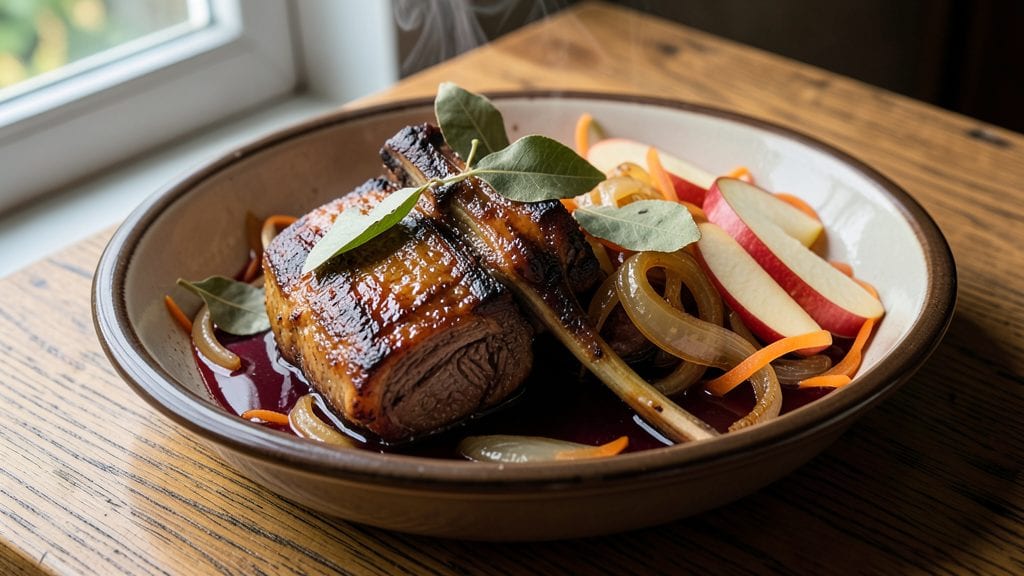
This potted meat recipe transforms tough cuts into melt-in-your-mouth perfection through slow simmering—a technique that builds depth and richness over hours. The key lies in balancing simple pantry staples like vinegar, spices, and hard cider with quality meat, creating a dish that's both nostalgic and adaptable to modern kitchens.
I developed this version after testing multiple methods, and the results speak for themselves: tender, flavorful meat that practically falls apart with each bite.
The beauty of potted meat is its versatility—whether you're using a traditional Dutch oven or a pressure cooker for faster results, the principles remain the same.
A slow cook transforms tough cuts like beef shank or pork shoulder into something luxurious, while the accompanying liquid infuses with layers of savory, tangy, and slightly sweet notes.
This isn't just comfort food; it's a meal that feels like a hug in edible form, perfect for cold evenings or special gatherings.
By the time you're done, you'll have a dish that's rich, aromatic, and impossible to resist—ideal for serving with mashed potatoes, crusty bread, or tangy pickles.
The slow simmering process ensures every bite is tender and packed with flavor, while the sauce reduces to a glossy, velvety consistency that clings to the meat. This recipe delivers restaurant-quality results without the fuss, proving that patience in the kitchen pays off in the most delicious ways.
Whether you're preserving this classic technique or adapting it for modern shortcuts, the end result is a dish that feels both timeless and fresh. Let's get started on creating something truly special that will become a staple in your meal rotation.
Ingredients for potted meat
Pantry staples meet slow-cooked luxury in this potted meat masterpiece.
| Ingredient | Amount | Notes |
|---|---|---|
| Beef Shank 🥩 | 2 lb | Bone-in for best flavor |
| Hard Cider 🍺 | 1 cup | Dry variety preferred |
| Apple Cider Vinegar 🍏 | ½ cup | Not balsamic vinegar |
| Bay Leaves 🌿 | 2 whole | Fresh if available |
| Onion 🧅 | 1 whole | Yellow or red |
| Carrots 🥕 | 4 whole | Medium-sized, peeled |
| Garlic Cloves 🧄 | 4 cloves | Peeled, smashed |
| Salt 🧂 | 1 ½ tsp | Kosher or sea salt |
| Ground Black Pepper 🌶️ | 1 tsp | Freshly ground preferred |
| Ground Allspice 🌶️ | ½ tsp | Substitute nutmeg if needed |
| Ground Cloves 🌶️ | ¼ tsp | Freshly ground for best flavor |
| Mustard Seeds 🌶️ | ½ tsp | Yellow or brown |
| Water 💧 | 3 cups | Enough to cover meat |
| Olive Oil 🫒 | 1 tbsp | For searing meat |
The beef shank is the star here—look for cuts with good marbling at Costco or Whole Foods. Bone-in pieces add depth to the broth, but boneless works too if you're short on time. I always grab the hard cider from Trader Joe's—their dry variety has just the right balance of sweet and tart. The vinegar? Apple cider vinegar is non-negotiable; balsamic won't give you that classic tang. For the spices, Penzeys or bulk bins are your best bets—freshly ground allspice and cloves make all the difference, but pre-ground works in a pinch.
No hard cider? Dry white wine or beef broth works in a squeeze, though the flavor will be subtly different. Skip the pre-sliced carrots—they're often waterlogged. Baby carrots work if that's what you've got, but whole carrots stay crisp longer. The mustard seeds can be toasted in a dry pan for 30 seconds before adding—worth the extra minute for nutty depth. If you're using a pressure cooker, reduce the vinegar to 1/4 cup to prevent over-acidity. The bay leaves? Fresh if you've got them, dried if not—no judgment.
This dish tastes even better the next day once everything melds together. Store leftovers in the fridge for 5-6 days or freeze for up to 3 months. I like to portion it into small jars—perfect for quick lunches or gifts. The sauce thickens as it cools, so add a splash of water or cider when reheating if it gets too stiff. Serve with crusty bread or mashed potatoes for the full experience.
Why You'll Love This Recipe
- Slow Cooker Magic: The beef shank practically melts into tender perfection while you’re doing other things—no babysitting required. Just toss in the cider, vinegar, and bay leaves, then walk away for hours. Honestly, the smell alone makes the house feel like a cozy pub.
- Cider-Kissed Richness: That hard cider isn’t just a liquid—it’s the secret weapon. It cuts through the richness of the beef shank while adding a subtle, tangy depth that makes every bite feel like a hug. Between us, the vinegar’s bright punch balances it all into something dangerously addictive.
- Leftovers That Shine: This isn’t one of those meals that turns into sad fridge leftovers. The texture stays luscious even after three days, and it’s perfect for sandwiches, mashed potatoes, or just reheated with a cracker. I’ll be real: my lunchbox gets packed with this stuff all week.
- Budget-Friendly Luxury: Beef shank is cheap, and it stretches into a mountain of potted meat. Add the cider and vinegar, and you’ve got a dish that tastes like a fancy bistro but costs next to nothing. Not the prettiest, but the taste makes up for it—and my wallet thanks me every time.
Step-by-step instructions for slow-simmered potted meat
Here's how to transform humble pantry staples into rich, velvety potted meat that tastes like a restaurant specialty.
Sear the Beef Shank for Deep Flavor
Pat the 2 lb beef shank completely dry with paper towels—this ensures maximum browning. Heat the 1 tablespoon olive oil in a heavy Dutch oven over medium-high heat until shimmering. Place the beef shank in the pot, fat-side down, and sear for 5-6 minutes until deep golden brown forms on all sides. This step creates the Maillard reaction that builds rich flavor.
Flip the shank and continue searing for another 3-4 minutes. Don't rush this—you want a dark, caramelized crust. Once browned, remove the shank and set it aside temporarily. The rendered fat in the pot will become part of your sauce, so don't wipe it out.
Sauté Aromatics and Build the Base
In the same Dutch oven, add the whole onion and 4 whole carrots, cut into large chunks. Cook over medium heat for 5 minutes until the vegetables begin to soften slightly. Add the 4 smashed garlic cloves, 0.5 teaspoon mustard seeds, and the spices: 1.5 teaspoons salt, 1 teaspoon ground black pepper, 0.5 teaspoon ground allspice, and 0.25 teaspoon ground cloves.
Stir everything together and cook for another 2 minutes until the spices are fragrant and the vegetables are just beginning to caramelize. This aromatic step forms the flavor foundation for your potted meat. If the vegetables start sticking, add a splash of water and scrape up any browned bits from the bottom of the pot.
Deglaze and Simmer with Liquid
Pour in the 1 cup hard cider and 0.5 cup apple cider vinegar, scraping the bottom of the pot to release all those flavorful browned bits. Bring the mixture to a gentle simmer, then return the beef shank to the pot. Add the 2 whole bay leaves and 3 cups water, making sure the liquid covers the meat by about 1 inch.
Bring to a full boil, then reduce heat to low. Partially cover the pot and let it simmer gently for 2 hours. You want just enough steam to keep the liquid moving, but not a rolling boil that would make the meat tough. Check occasionally and add a little water if the liquid level gets too low.
Cook Until Fork-Tender and Rich
After 2 hours, check the tenderness of the beef shank by inserting a fork. It should pierce easily with minimal resistance. If it's not quite tender, continue cooking for another 30-60 minutes. The meat should be falling off the bone, and the liquid should have reduced to a thick, glossy sauce.
Once tender, remove the beef shank and let it rest on a cutting board for 10 minutes. Strain the cooking liquid through a fine-mesh sieve into a bowl, pressing on the vegetables to extract all the flavor. Discard the vegetables and bay leaves. The strained liquid should be thick enough to coat the back of a spoon—this is your potted meat sauce.
Shred and Serve with Sauce
Using two forks, shred the beef shank directly in the Dutch oven or transfer it to a bowl. Mix the shredded meat with the strained cooking liquid until fully combined. The result should be a rich, velvety mixture that coats a spoon. Taste and adjust seasoning if needed—you might want to add a pinch more salt or a splash of vinegar to balance flavors.
Serve the potted meat warm, spooned over crusty bread, crackers, or as a filling for sandwiches. The meat should be tender, flavorful, and completely infused with the aromatic spices and hard cider. This dish keeps well in the refrigerator for up to 5 days, making it perfect for meal prep or holiday gatherings.
Pro Tips For Making Potted Meat
- Brown the Shank First: I learned this the hard way—skipping the sear means flavorless potted meat. Get that beef shank screaming hot in a Dutch oven for 5-6 minutes until it’s deep brown, almost black in spots. The Maillard reaction here isn’t just for show; it’s what turns your hard cider and vinegar into something rich, not just tangy.
- Trim the Fat, Not the Flavor: Sure, you could leave the fat on, but I’ve found beef shanks with thick fat layers can make the potted meat greasy if not handled right. Trim most of it, leaving just a thin layer—this keeps the texture tender while letting the hard cider and vinegar work their magic without fighting excess oil.
- Don’t Rush the Simmer: Low and slow is the rule, but I still catch myself cranking the heat when I’m impatient. Keep that liquid at a gentle simmer—tiny bubbles breaking the surface, not a rolling boil. Boiling toughens the meat and skims off the depth of the cider’s flavor. Two hours minimum, no excuses.
- Strain the Onions: Chopped onions add sweetness, but I was skeptical until I tried straining the cooked liquid through a fine-mesh sieve. It removes the gritty bits while keeping all the flavor—no one wants a mouthful of onion strings in their potted meat. Takes 30 seconds and makes a real difference.
Regional styles of potted meat
British Potted Meat
In the UK, potted meat is a traditional centerpiece often made with beef or pork, slow-cooked in a rich gravy until fork-tender. The classic version uses beef shin or pork shoulder, simmered with port wine, brandy, and spices like cloves and mace.
I love adding a splash of Worcestershire sauce for depth—it’s a staple in British pantries. Serve this with crusty soda bread or pickled onions for that authentic pub feel. 🥖
Southern U.S. Style
Down South, potted meat often features pork shoulder or beef brisket, cooked with apple cider vinegar, mustard, and a touch of brown sugar for balance. The Southern twist includes hot pepper flakes or a dash of cayenne for heat.
I’ve seen it served as a sandwich filling with coleslaw or on biscuits—perfect for a hearty lunch. This version is less sweet than British styles but equally rich. 🌶️
German Bratwurst Potted Meat
Germany takes potted meat in a different direction with bratwurst or kielbasa, simmered in a beer and mustard sauce until the meat is falling apart. The key is using dark lager and Dijon mustard for a tangy, savory profile.
I’ve made this with pre-cooked sausages for convenience, but fresh bratwurst is ideal. Pair it with pretzels or sauerkraut for a true German spread. 🍺
French Terrine-Inspired
In France, potted meat often resembles a terrine or pâté, where the meat is finely minced and mixed with liver, eggs, and brandy before baking. The texture is more spreadable, almost like a luxurious meat paste.
I’ve adapted this by using ground beef and pork, bound with egg yolks and a splash of Cognac. Serve it on toasted baguette slices with cornichons for a gourmet twist. 🥖
Irish Guinness Version
For a hearty Irish take, replace the hard cider with Guinness stout and add a pinch of cinnamon for warmth. The dark beer gives the meat a deep, malty richness that pairs perfectly with Irish soda bread or boxty (potato pancakes).
This version is ideal for cold nights—just like my grandma used to make. ☘️
Nutrition facts
Frequently asked questions
Can I substitute pork shoulder for beef shank in this recipe?
Yes! Pork shoulder works beautifully and cooks faster than beef shank. Use 1.5 lbs instead of 2 lbs and reduce the simmering time to 1.5-2 hours until fork-tender. The pork will be slightly more tender but equally flavorful when braised with the same spices and hard cider.
How do I prevent the sauce from becoming too watery?
Simmer the liquid uncovered for the last 20-30 minutes to reduce it naturally. If needed, remove the meat and reduce the sauce separately over medium heat until it thickens to a glossy consistency. For extra richness, stir in 1 tablespoon cornstarch mixed with 2 tablespoons cold water at the end.
What's the best way to reheat potted meat?
Reheat gently in a saucepan with 2-3 tablespoons of water or broth over low heat until warmed through (5-7 minutes). Avoid microwaving as it can make the sauce greasy. For leftovers, add a splash of hard cider or vinegar to refresh the flavors. The meat reheats beautifully and tastes even better the next day!
Can I make this in a slow cooker or Instant Pot?
For a slow cooker, follow the same steps but cook on Low for 6-8 hours or High for 4-5 hours. For an Instant Pot, sear the meat first, then cook on High Pressure for 35 minutes followed by a 10-minute natural release. The pressure cooker version cuts time dramatically while keeping the meat tender.
What are the best sides to serve with potted meat?
Classic pairings include creamy mashed potatoes, crusty sourdough bread, or pickled vegetables to cut through the richness. For a heartier meal, try buttered egg noodles or steamed greens. The tangy sauce also works wonderfully as a sandwich filling with sharp cheddar and mustard.