
Main Courses
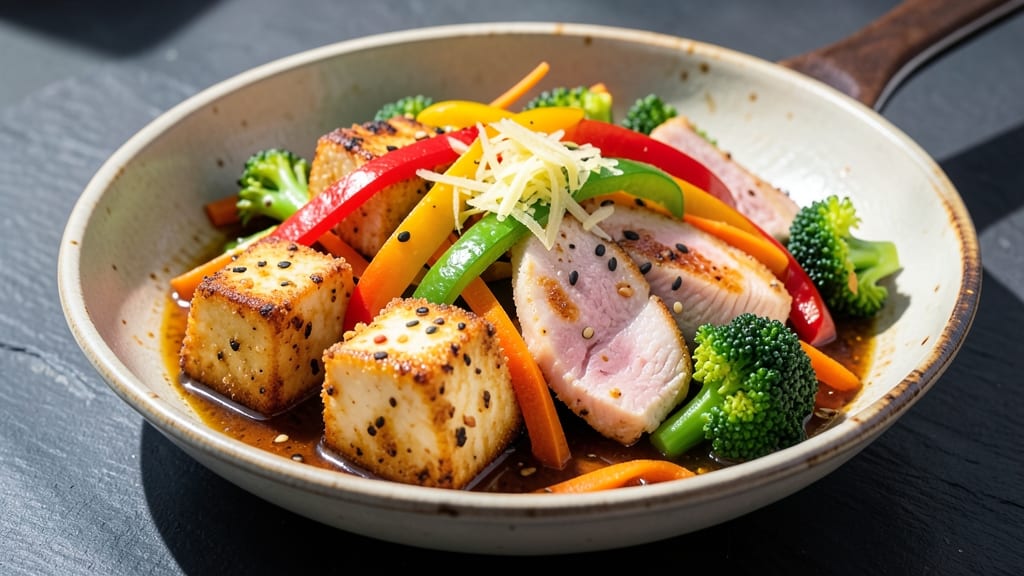
Rachael Ray’s stir fry recipe delivers restaurant-quality wok magic in under 30 minutes using just pantry staples—no fancy ingredients required. I’ve adapted her signature quick-cooking technique to create a balanced, flavor-packed dish that’s foolproof for weeknights. The secret lies in high-heat searing and a simple sauce that transforms simple vegetables and protein into something truly special.
What makes this recipe work is the 5-minute prep before cooking—chopping vegetables uniformly and prepping the sauce while the wok heats. Rachael Ray’s approach focuses on fast, flavorful searing rather than slow simmering, locking in freshness while building depth.
The sauce, made with soy sauce, ginger, and a touch of honey, cuts through the richness of the protein while complementing the natural sweetness of the vegetables.
By the time you’re done, you’ll have a crisp-tender stir fry with perfectly caramelized edges and vibrant colors that look as good as they taste. The protein stays juicy, the vegetables retain their crunch, and the sauce clings to every bite.
This is the kind of meal that feels indulgent but comes together effortlessly—ideal for busy nights when you still want something impressive.
Serve it over steamed rice or noodles for a complete dish, or double the sauce for leftovers. The beauty of this recipe is its flexibility—swap proteins or vegetables based on what you have, and the technique remains the same. Let’s get cooking!
Ingredients for rachael ray stir fry
Pantry staples and fresh vegetables transform into restaurant-quality stir fry magic.
| Ingredient | Amount | Notes |
|---|---|---|
| Extra-Firm Tofu 🍱 | 14 oz | Pressed and cubed into 1-inch pieces |
| Boneless Chicken Breast 🍗 | 1 lb | Cut into thin strips |
| Bell Peppers 🌶️ | 2 whole | Red and green, sliced into strips |
| Carrots 🥕 | 2 medium | Julienned into thin matchsticks |
| Broccoli Florets 🥦 | 2 cups | Cut into bite-sized pieces |
| Fresh Ginger 🌿 | 1 tbsp | Minced finely for sauce |
| Low-Sodium Soy Sauce 🥢 | ½ cup | For sauce and marinade |
| Honey 🍯 | 2 tbsp | For sauce sweetness |
| Sesame Oil 🫒 | 1 tbsp | Toasted for aroma |
| Garlic Cloves 🧄 | 4 cloves | Minced for sauce |
| Vegetable Oil 🫒 | ¼ cup | High smoke point for wok |
| White Rice 🍚 | 1 ½ cups | Uncooked, long-grain preferred |
| Cornstarch 🌾 | 1 tbsp | For velveting tofu |
| Sesame Seeds 🌰 | 1 tbsp | Toasted for garnish |
| Red Pepper Flakes 🌶️ | ½ tsp | Optional for heat |
The tofu and chicken should be prepped identically for even cooking. Extra-firm tofu from the refrigerated section (not the shelf-stable kind) yields the best texture—press it between paper towels for 15 minutes to remove excess moisture. For the chicken, boneless, skinless breasts work best, but thighs stay juicier if you prefer. Bell peppers should be firm and vibrant, not wilted or rubbery. Trader Joe's and Whole Foods carry pre-cut stir-fry vegetables, but fresh is always better. Carrots should be crisp and bright orange—avoid those with soft spots. Broccoli florets should be tight and green, not yellowing.
No fresh ginger? Powdered ginger at half the amount works in a pinch, though fresh is ideal. Substitute low-sodium soy sauce with coconut aminos for a gluten-free option. The honey can be swapped for maple syrup if preferred. For a vegetarian version, omit the chicken entirely. Sesame oil should be toasted sesame oil—regular sesame oil lacks the nutty depth. If you can't find extra-firm tofu, silken tofu blended with cornstarch creates a similar texture. The garlic and ginger should be finely minced for the sauce—no need to overcomplicate it.
Prepped vegetables keep for 3 days in airtight containers in the fridge. The sauce can be made 1 day ahead and stored separately. Tofu and chicken should be cooked fresh for best texture. Leftover stir fry reheats beautifully—2 minutes in the microwave or 3 minutes in a skillet over medium heat. Garnish with toasted sesame seeds and red pepper flakes just before serving to maintain crispness. This dish freezes for 1 month but texture may slightly degrade.
Why You'll Love This Recipe
- One-Pan Magic: I swear by this recipe when I’m too tired to scrub pots—just toss the tofu, chicken, and veggies in one skillet, and let the sauce do the work. The broccoli and bell peppers soften just enough to soak up that sticky, savory glaze while the chicken stays juicy. (Between us, I’ve made this while scrolling through my phone.)
- Crispy-Creamy Hack: That extra-firm tofu? Pressed, cubed, and pan-fried until golden—it’s the secret weapon here. The contrast between the crunchy edges and tender inside makes every bite feel like a little victory. Honestly, I’ll take this over soggy stir-fry any day.
- Lunchbox Hero: This keeps perfectly for days—pack it in containers for work lunches or reheat it for a lazy dinner. The carrots stay slightly crisp, the tofu holds its shape, and the sauce clings to everything like it’s glued on. My kid actually brings leftovers back the next day. (Yes, even on a Tuesday night.)
- Budget Flex: You can swap chicken for tofu or skip both and load it up with whatever veggies are on sale. The recipe doesn’t judge—just throw in what you’ve got. I’ve made this for under $8 for four servings, and it still feels like a restaurant dish. That’s the kind of meal math I love.
Step-by-step instructions for quick wok magic with pantry staples
This stir-fry delivers restaurant-quality results in under 30 minutes using just a few essential techniques.
Prepare the Protein for Perfect Texture
Start by pressing the 14 oz extra-firm tofu between paper towels for 15 minutes to remove excess moisture. Cut it into 1-inch cubes and toss with 1 tablespoon cornstarch until evenly coated. This creates a crispy exterior while keeping the interior tender. For the 1 lb boneless chicken breast, slice it into ¼-inch thick strips and marinate with ¼ cup low-sodium soy sauce for 10 minutes—just enough time to infuse flavor without overcooking.
While the proteins marinate, julienne the 2 medium carrots into thin matchsticks and slice the 2 whole bell peppers into ½-inch strips. Cut the 2 cups broccoli florets into bite-sized pieces. Keep all vegetables separate until ready to cook—this prevents premature wilting. The key to a quick stir-fry is having everything prepped and ready to go in the same order they'll cook.
Cook the Rice and Build the Sauce
Rinse the 1.5 cups white rice thoroughly under cold water to remove excess starch, then cook according to package instructions. While the rice simmers, prepare the sauce by combining 0.5 cup low-sodium soy sauce, 2 tablespoons honey, 1 tablespoon sesame oil, 4 minced garlic cloves, 1 tablespoon minced fresh ginger, and 0.5 teaspoon red pepper flakes in a small bowl. Let it sit while you cook the proteins—this allows the flavors to meld slightly before hitting the wok.
Heat ¼ cup vegetable oil in a wok or large skillet over high heat until shimmering. Add the chicken strips first and cook for 2-3 minutes until they turn opaque and develop a light golden crust. Remove and set aside—this prevents overcrowding the pan, which lowers the cooking temperature. Immediately add the tofu cubes and cook for 3-4 minutes, stirring occasionally, until golden brown on all sides. The cornstarch coating will create a satisfying crunch while keeping the interior soft.
Stir-Fry Vegetables to Crisp-Tender Perfection
Increase the heat to maximum and add the julienned carrots and bell pepper strips. Stir-fry for 2 minutes until they begin to soften but still retain a vibrant crunch. Add the broccoli florets and cook for another 2 minutes, tossing constantly to ensure even cooking. The vegetables should be bright green with just a slight give when pierced with a fork—this indicates they're cooked to a crisp-tender state.
Return the chicken and tofu to the wok, pour in the sauce, and toss everything together for 1-2 minutes until the vegetables are fully coated and the sauce thickens slightly. The residual heat will finish cooking the proteins while infusing them with the sweet-savory sauce. Taste and adjust seasoning—add a splash of water if the sauce is too thick, or a pinch more red pepper flakes if you desire more heat.
Finish and Serve with Garnish
Transfer the stir-fry to a serving platter and let it rest for 2 minutes to allow the sauce to set slightly. Toast 1 tablespoon sesame seeds in a dry skillet over medium heat for 30 seconds until fragrant and lightly golden. Sprinkle them over the stir-fry just before serving to add texture and aroma.
Serve the stir-fry immediately over the cooked rice, ensuring each portion gets a generous helping of both. The dish should be vibrant, with crisp-tender vegetables, perfectly cooked proteins, and a glossy sauce that clings to every bite. For an extra touch, drizzle a few drops of sesame oil over the top just before eating—this enhances the aroma and adds another layer of flavor.
Pro Tips For Making Rachael Ray Stir Fry
- CUT TOFU IN CHUNKS: Skip the crumbly mess—press the tofu first, then slice it into 1-inch cubes. I learned this the hard way: pre-cutting before pressing turns it into a sad, gluey pile. Do it after pressing, and it holds its shape like it’s supposed to.
- SALT CHICKEN BEFORE COOKING: Toss the chicken with 1 teaspoon of salt before searing—it crisps better and stays juicier. I used to skip this, thinking the stir-fry sauce would handle it, but the outside ends up dry. Trust me, the first bite makes the difference.
- STIR-FRY IN BATCHES: Don’t crowd the pan—cook chicken and tofu first, then remove them to make space. I’ve seen people try to fit everything in at once, and it steams instead of sears. A hot, empty wok is your friend here.
- USE FROZEN BROCCOLI: Frozen florets cut faster and stay crispier than fresh—no sad, wilted broccoli here. Chop the carrots and peppers first, then toss in the frozen broccoli last. It’s a game-changer for texture, and no one will guess you cheated.
Wine and beer pairings for rachael ray stir fry
Light Beer Pairings
A crisp, light lager like Budweiser Select or Miller Lite complements this stir-fry beautifully. The subtle malt sweetness balances the dish’s savory-sweet sauce without overpowering the delicate flavors. I reach for these when I want to keep the focus on the stir-fry’s vibrant ingredients and clean finish.
The carbonation also helps cut through the richness, cleansing the palate between bites. 🍺
Dry Riesling
For a white wine option, a dry Riesling from Germany or Washington State shines. Its bright acidity and hints of citrus and stone fruit mirror the ginger and honey in the sauce, while the wine’s mineral notes enhance the dish’s umami depth.
I’ve found Dr. Loosen Blue Slate or Chateau Ste. Michelle to be perfect matches—just chill them to 45-50°F for optimal balance. 🍷
Sake for Authentic Vibes
If you’re feeling adventurous, try a dry junmai sake like Dassai 23 or Kubota Junmai. The subtle earthiness and clean finish make it a surprisingly authentic pairing for Asian-inspired dishes.
Serve it slightly chilled (40-45°F) to let its delicate flavors complement the stir-fry’s fresh ingredients without competing. 🍶
Spiced Rum Cocktail
For a boozy twist, mix 2 oz spiced rum (like Bacardi Spiced), 1 oz ginger beer, and a squeeze of lime. The ginger echoes the dish’s sauce, while the rum’s warmth adds a cozy touch.
Serve over crushed ice for a refreshing sipper that pairs perfectly with the crisp-tender textures. 🍹
Non-Alcoholic Options
Skip the alcohol with a sparkling yuzu soda like Faygo or a homemade ginger-lime spritzer. Mix ½ cup sparkling water, 2 tbsp lime juice, and 1 tbsp honey>, then chill.
The effervescence and citrus notes cleanse the palate, making each bite of the stir-fry taste even fresher. 💧
Nutrition facts
Frequently asked questions
Can I make this stir-fry without a wok?
A large skillet or deep frying pan works perfectly—just make sure it has high sides to prevent splatter. The key is using high heat and keeping the pan hot throughout cooking. A cast-iron skillet is ideal for even heat distribution and crispy results.
What's the best way to keep tofu from getting soggy?
Press the tofu for 15 minutes between paper towels before cooking to remove excess water. Then coat it in 1 tbsp cornstarch—this creates a crispy exterior while keeping the inside tender. Don't skip this step, or your tofu will absorb too much oil and turn greasy.
Can I use frozen vegetables in this recipe?
Fresh vegetables work best for that crisp-tender texture, but if you must use frozen, thaw and pat them completely dry first. The extra moisture will make them steam instead of sear, resulting in a mushy texture. For best results, stick with fresh or pre-cut stir-fry mixes.
How do I adjust the heat level?
The recipe includes 0.5 tsp red pepper flakes for mild heat. For spicier versions, add 1-2 extra teaspoons or swap in 1 tbsp sriracha when tossing with the sauce. If you prefer less heat, simply omit the red pepper flakes entirely—the dish will still be flavorful.
Why does my stir-fry taste bland?
Most likely, your heat wasn't high enough—stir-fries need maximum heat to develop flavor quickly. Also check your soy sauce (use low-sodium and don't substitute with regular soy sauce). For extra depth, add 1 tsp fish sauce or ½ tsp MSG to the sauce. Taste as you go!