
Desserts
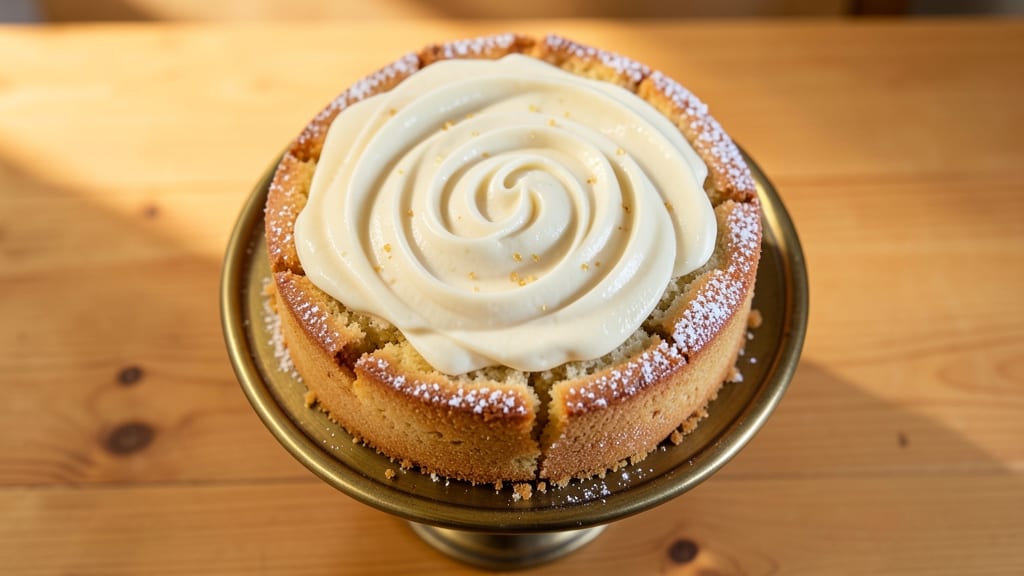
I recommend a simple yet delicious cake recipe that doesn’t require mixing bowls or fancy techniques—this one-bowl vanilla magic is your answer. Honestly, I’ve burned enough cakes in my time to know what truly works—and this recipe nails it every single time.
The secret? A single bowl, minimal ingredients, and a foolproof method that delivers moist, tender layers with just 20 minutes of active time. No fancy equipment, no stress—just pure, crowd-pleasing dessert magic.
This cake comes together faster than you can say "frosting," and the best part? It’s beginner-friendly without sacrificing flavor. You’ll only need a few pantry staples—flour, sugar, eggs, and vanilla—and a whisk to mix everything into a smooth batter.
The texture is what really sets it apart: soft, fluffy, and just sweet enough to satisfy any craving. It’s the kind of cake that disappears faster than you can pull it out of the oven, so be ready for seconds.
What makes this recipe special is how versatile it is. You can enjoy it plain with a dusting of powdered sugar, or go all out with a simple vanilla buttercream or fresh berries.
It’s perfect for birthdays, potlucks, or just because—no one will guess it took less time to make than most store-bought cakes. The key to success? Don’t overmix the batter, and let the cake cool completely before slicing. Trust me, that small step makes all the difference.
Once you try this one-bowl vanilla cake, you’ll never go back to complicated recipes again. It’s the kind of dessert that feels like a hug—comforting, familiar, and impossibly delicious. Let’s get baking!
Ingredients for recommend a simple yet delicious cake
Eight simple ingredients, one bowl, and a foolproof method for perfect vanilla cake every time.
| Ingredient | Amount | Notes |
|---|---|---|
| All-Purpose Flour 🌾 | 2 cups | Sifted for smooth batter |
| Granulated Sugar 🍚 | 1 ½ cups | White or light brown |
| Unsalted Butter 🧈 | 1 cup | Room temperature, full-fat |
| Large Eggs 🥚 | 2 whole | Room temperature preferred |
| Pure Vanilla Extract 🌸 | 2 tsp | Not imitation vanilla |
| Baking Powder 🧂 | 2 tsp | Aluminum-free preferred |
| Salt 🧂 | ½ tsp | Fine sea salt |
| Milk 🥛 | ½ cup | Whole milk for richness |
| Powdered Sugar 🍚 | ½ cup | For dusting or frosting |
| Lemon Juice 🍋 | 1 tbsp | Freshly squeezed |
| Vegetable Oil 🫒 | ¼ cup | Light or canola |
The butter and sugar are the stars here. Use full-fat butter at room temperature—it creates that tender crumb you can't get with margarine or low-fat spreads. Trader Joe's or Wegmans sell the best-priced butter in sticks, but any brand works if it's not ancient. The vanilla extract matters too—imitation vanilla (the cheap stuff) tastes artificial. I always grab Nielsen-Massey from the bulk section at Whole Foods, but the small bottle at the grocery store is fine for occasional baking. The flour? King Arthur or Gold Medal are my go-tos—they're reliable and give consistent results. If you're at a high altitude, reduce the baking powder by a quarter teaspoon to avoid a cake that's too light.
No vanilla extract? Vanilla bean paste works in a pinch—just use half the amount. Out of milk? Heavy cream or water both work, but the texture will be slightly different. The lemon juice brightens everything up—skip it if you're not a fan, but trust me, it makes the cake taste fresher. For the oil, vegetable or canola are neutral, but if you want extra richness, swap in melted butter (reduce the butter in the recipe by 2 tbsp). The baking powder is crucial—don't substitute baking soda unless you add an acid like buttermilk or vinegar. And if you're gluten-free, use a 1:1 flour blend, but expect a denser texture.
This batter keeps in the fridge for up to 2 days—perfect for when you're not quite ready to bake. The cake itself stays moist for 3 days at room temperature, wrapped in foil. For longer storage, freeze slices wrapped individually—they'll thaw in 10 minutes in the microwave. I always make a double batch because it disappears fast. The powdered sugar topping? Just dust it on right after cooling. For extra flair, add a sprinkle of colored sugar or a few berries before serving.
Why You'll Love This Recipe
- No Mixer Needed: I swear by this recipe when my stand mixer’s on vacation—just cream the butter and sugar by hand (yes, it’s more elbow grease than magic, but it’s doable). The eggs come in next, and before you know it, you’re folding in flour like you’re making a snow angel. No fancy gadgets, no stress.
- Butter-Sugar Magic: That creamed butter and sugar combo? It’s the secret weapon—rich, tender, and just sweet enough to make your taste buds do a happy dance. Add a splash of vanilla, and suddenly you’ve got pure, old-school cake flavor without any weird shortcuts.
- Birthday to Brunch: Honestly, this cake is my go-to for everything—birthday celebrations, potlucks, or even a lazy Sunday breakfast with whipped cream and berries. It’s the kind of cake that doesn’t scream “special occasion” but still feels like one.
- Cake for Days: Between us, this recipe makes two 8-inch layers, and those slices? They stay fresh for ages if you store them right. Plus, the leftovers? Perfect for quick breakfast toast or a midnight snack when you’re craving something sweet but don’t want to bake again.
Step-by-step instructions for one-bowl vanilla magic cake
This cake comes together in a single bowl with minimal effort—no fancy techniques, just delicious results.
Cream Butter, Sugar, and Oil Together
In a large mixing bowl, combine the 1 cup unsalted butter, 1.5 cups granulated sugar, and 0.25 cup vegetable oil. Use a hand mixer or stand mixer on medium speed for 3-4 minutes until the mixture becomes light and fluffy. You'll notice it nearly doubles in volume and turns pale, almost like whipped buttercream.
This step is crucial because it incorporates air into the batter, which helps create that tender, moist crumb. If you're using cold butter, let it sit at room temperature for 30 minutes first—this ensures it creams properly without becoming greasy. Scrape down the sides of the bowl with a spatula every minute to keep everything evenly mixed.
Add Eggs and Vanilla Extract
Add the 2 whole large eggs, one at a time, mixing well after each addition. Once both eggs are incorporated, add the 2 teaspoons pure vanilla extract and mix for another 30 seconds. The batter should look smooth and slightly thickened, with no visible streaks of egg.
I like to add the eggs one at a time because it prevents the mixture from becoming too runny too quickly. The vanilla extract might seem like a small amount, but it makes a noticeable difference in flavor. If you're using imitation vanilla, the cake will still taste good, but the aroma won't be as rich.
Mix in Dry Ingredients and Milk
In a separate bowl, whisk together the 2 cups all-purpose flour, 2 teaspoons baking powder, and 0.5 teaspoon salt. Gradually add this dry mixture to the wet ingredients while mixing on low speed. Once combined, pour in the 0.5 cup milk and mix just until the batter is smooth—about 30 seconds.
Don't overmix here; you want to see a few small lumps in the batter. Overmixing develops gluten, which can make the cake tough instead of tender. The batter should be thick but pourable. If it looks too thick, add 1 tablespoon of milk at a time until it reaches a smooth, spoonable consistency.
Fold in Lemon Juice and Prepare the Pan
Stir in the 1 tablespoon lemon juice until fully combined. This brightens the flavor and balances the sweetness. Grease an 8-inch round cake pan or 9-inch square pan with butter or nonstick spray, then dust lightly with flour. Pour the batter into the prepared pan and smooth the top with a spatula.
The lemon juice might seem like an odd addition, but it adds a subtle tang that cuts through the richness of the butter and sugar. If you're using a round pan, tap it gently on the counter a few times to remove any air bubbles. This ensures an even rise and a smooth top when baked.
Bake to Golden Perfection
Preheat your oven to 350°F and bake the cake for 25-30 minutes, or until a toothpick inserted into the center comes out clean. The edges should be golden brown, and the top should spring back when gently pressed.
Real talk: Your oven might run hot or cold, so start checking at the 20-minute mark. If the top browns too quickly, tent the cake with foil to prevent overbrowning. Once done, let the cake cool in the pan for 10 minutes, then transfer it to a wire rack to cool completely before frosting or serving.
Dust with Powdered Sugar (Optional)
While the cake cools, mix the 0.5 cup powdered sugar with 1 tablespoon lemon juice in a small bowl. Once the cake is completely cool, dust the top generously with this mixture for a light, sweet finish. This step is optional but adds a professional touch that makes the cake look and taste even better.
The powdered sugar mixture creates a delicate, almost syrup-like coating that caramelizes slightly on top, adding a hint of tangy sweetness. If you prefer a simpler presentation, skip this step and serve the cake plain—it's still delicious either way.
Pro Tips For Making Recommend A Simple Yet Delicious Cake
- Cream Butter Slowly: Don’t just dump cold butter into sugar and whip—let it soften first (room temp, 10-15 minutes). I learned this the hard way when my cake turned out dense and greasy because the butter fought the mixer instead of blending smoothly. A stand mixer on medium-high for 2-3 minutes will do the work for you.
- Sift the Flour: Even if your recipe doesn’t say it, sift the flour before measuring—especially if it’s lumpy or old. I was skeptical until I tried it; the cake rises better and has a lighter texture. Use a fine-mesh sieve or just shake it in a bowl with a fork to break up clumps.
- Avoid Overmixing: Once the flour hits the butter-sugar mix, stir just until combined—maybe 10-12 strokes. I’ve overmixed so many cakes that ended up tough, and it’s always because I thought "more mixing = better." Stop when the dry ingredients disappear, no more.
- Use Room-Temp Eggs: Cold eggs can curdle the butter and make the batter separate. Pop them in warm water for 5 minutes if they’re straight from the fridge—just enough to take the chill off. I skip this when I’m lazy, but the cake’s texture suffers when I do.
Best sauces and condiments for recommend a simple yet delicious cake
Classic Vanilla Buttercream
This is my go-to frosting for this cake—simple, creamy, and perfectly sweet. Whisk ½ cup unsalted butter (softened) with 2 cups powdered sugar, 2 tablespoons milk, and 1 teaspoon vanilla extract until smooth.
For extra richness, add 1 tablespoon lemon juice to brighten the flavor. Spread between layers or on top for a polished finish. 🌸
Berry Compote Swirl
For a fruity twist, make a quick compote by simmering 1 cup mixed berries (strawberries, raspberries, or blueberries) with 2 tablespoons sugar and 1 teaspoon lemon juice for 5 minutes.
Mash slightly, then spread between cake layers or drizzle over the top. The natural sweetness cuts through the richness beautifully.
Chocolate Ganache Drizzle
Melt ½ cup dark or semi-sweet chocolate chips with ¼ cup heavy cream in a microwave-safe bowl in 30-second intervals, stirring until smooth. Let cool slightly, then drizzle over the cake for a decadent touch. Pair with fresh berries for a restaurant-worthy presentation.
Cream Cheese Frosting
For a tangy contrast, beat 4 oz cream cheese (softened) with ½ cup butter, 2 cups powdered sugar, and 1 teaspoon vanilla until fluffy.
This frosting adds a subtle creaminess that balances the cake’s sweetness. Pipe swirls on top or use it to fill layers for a layered effect.
Lemon Glaze Finish
Mix ½ cup powdered sugar with 2 tablespoons lemon juice and 1 tablespoon milk until smooth. Drizzle over the cake while still slightly warm for a glossy, tangy finish. This glaze adds a professional touch without overwhelming the vanilla flavor.
Caramel Sauce Drizzle
Heat ½ cup granulated sugar in a saucepan over medium heat until melted, then add 2 tablespoons butter and 2 tablespoons heavy cream. Stir until smooth and let cool slightly before drizzling over the cake. The caramel adds a rich, buttery depth that pairs perfectly with vanilla. 💛
Nutrition facts
Frequently asked questions
Can I make this cake without eggs?
Yes! Replace the 2 eggs with 2 tablespoons ground flaxseed mixed with 6 tablespoons warm water (let sit for 5 minutes to thicken). The texture will be slightly denser but still moist. For a lighter version, use ½ cup unsweetened applesauce or ½ cup Greek yogurt instead.
Why does my cake turn out dense instead of light?
Overmixing the batter develops gluten, making the cake tough. Mix dry ingredients just until combined and stop when small lumps remain. Also, ensure your baking powder is fresh (test by mixing with water—it should bubble) and don’t overbake. A toothpick should come out with a few moist crumbs, not clean.
Can I bake this cake in a different pan size?
Yes, but adjust the baking time. For a 9-inch round pan, bake 20-25 minutes; for a 9x13-inch pan, reduce to 15-20 minutes. The cake is done when a toothpick comes out clean. Grease pans well and avoid overcrowding—this cake needs room to rise properly.
How do I store leftover cake?
Wrap cooled cake tightly in plastic wrap or aluminum foil and store at room temperature for up to 3 days. For longer storage, freeze slices individually for up to 3 months. Thaw at room temperature or microwave for 10-15 seconds to revive moisture. Avoid refrigerating—it dries out the texture.
What’s the secret to making this cake extra moist?
The butter and oil combo keeps it tender, but the real trick is the lemon juice—it reacts with baking soda (if used) to create extra lift and moisture. Also, don’t overbake: pull it out when the edges are golden but the center still jiggles slightly. Brushing warm layers with simple syrup (½ cup sugar + ¼ cup water, heated) before frosting adds extra moisture.