
Breakfast & Brunch
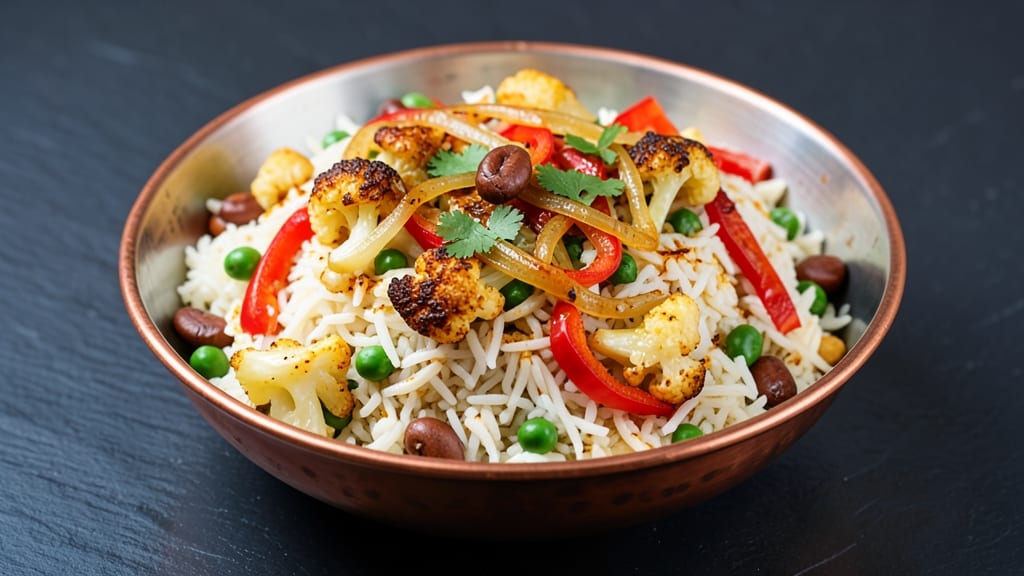
This restaurant-style veg pulao recipe transforms simple basmati rice into a fragrant, golden dish that tastes like it belongs on an Indian fine-dining menu. The secret lies in slow-cooked spices, saffron-infused milk, and perfectly layered vegetables that absorb every aromatic note.
I developed this version after years of testing—it’s the vegetarian pulao I wish I could order whenever I crave that restaurant-quality flavor at home.
The foundation begins with basmati rice soaked just long enough to soften without breaking, then parboiled until it’s tender but still holds its shape. Meanwhile, whole spices like cardamom, bay leaves, and cinnamon toast in ghee until they release their deep, earthy fragrance—this is where the magic happens.
The vegetables (carrots, peas, and potatoes) cook gently in the spiced broth, ensuring they stay vibrant and absorb the flavors without turning mushy.
By the time the rice finishes steaming, you’ll have a dish that’s golden, fragrant, and perfectly balanced—not too dry, not too mushy, with each grain distinct yet bound by the spiced broth.
The saffron milk drizzled at the end adds a luxurious touch, while fresh cilantro and lemon zest brighten the final presentation. This isn’t just pulao; it’s a restaurant-worthy centerpiece that will impress even the most discerning guests.
Serve it with raita or a simple cucumber salad to cut through the richness, or enjoy it as-is with warm naan. The technique is straightforward, but the results are undeniably restaurant-style—flavorful, aromatic, and impossible to resist. Let’s get started on creating this showstopper.
Ingredients for restaurant style veg pulao
Fragrant spices, golden rice, and vibrant vegetables—this pulao delivers restaurant-quality flavor at home.
| Ingredient | Amount | Notes |
|---|---|---|
| Basmati Rice 🍚 | 1 ½ cups | Long-grain, uncooked, rinsed thoroughly |
| Whole Milk 🥛 | 1 ½ cups | Full-fat for creaminess |
| Saffron Threads 🌼 | ¼ tsp | High-quality, soaked in milk |
| Ghee 🧈 | ½ cup | Pure, unsalted, clarified butter |
| Bay Leaves 🌿 | 2 whole | Fresh or dried, light brown |
| Green Cardamom Pods 🌶️ | 6 whole | Lightly crushed, aromatic |
| Cinnamon Sticks 🌿 | 2 whole | 1-inch pieces, lightly toasted |
| Carrots 🥕 | 1 ½ cups | Diced small, even pieces |
| Baby Potatoes 🥔 | 1 cup | Halved, peeled if preferred |
| Frozen Peas 🌱 | ½ cup | Thawed, bright green |
| Onion 🧅 | 1 whole | Medium, finely chopped |
| Garlic Cloves 🧄 | 4 cloves | Minced, fresh preferred |
| Fresh Cilantro 🌿 | ¼ cup | Chopped, stems removed |
| Lemon Zest 🍋 | 1 tbsp | Fresh, fine grated |
| Salt 🧂 | 1 ½ tsp | Diamond Crystal kosher |
The spices are non-negotiable here. Whole cardamom pods and cinnamon sticks from Penzeys or your local Indian grocery will give you the most authentic flavor—pre-ground spices just can’t compare. For the saffron, buy it by the thread from a specialty store; those tiny jars at regular grocery stores are overpriced and often stale. The basmati rice needs to be long-grain and uncooked—anything pre-cooked or short-grain will turn mushy. Rinse it thoroughly before soaking to remove excess starch. And trust me on the ghee—don’t substitute butter, especially if you're serving this to guests who might notice the difference.
No fresh cilantro? Dried cilantro at one-third the amount works in a pinch, though it lacks that bright freshness. Running low on saffron? Turmeric at one-quarter teaspoon can add a subtle golden hue, but it won’t replicate the floral aroma. The peas can be fresh, but frozen works perfectly—just thaw them first. For the potatoes, Yukon Golds hold up best to the long cooking time, but red potatoes add a nice contrast in color. The carrots? Baby carrots or julienned both work—just make sure they’re cut evenly so they cook at the same rate. And if you’re short on time, pre-chop all your vegetables before starting the rice.
This pulao tastes even better the next day as the flavors meld together. Store leftovers in an airtight container in the fridge for up to 4 days, or freeze for 3 months in portions. I always make a double batch because it’s perfect for meal prep—just reheat with a splash of water or milk to restore moisture. The saffron milk keeps for 5 days in the fridge if you make it ahead, and the cooked rice reheats beautifully. For serving, I like to sprinkle extra cilantro and lemon zest right before eating—that’s when the dish truly shines.
Why You'll Love This Recipe
- One-Pot Magic: I swear by this recipe because it’s all in one pot—no fussing with multiple pans or timers. Just layer the rice, veggies, and spices, then let the ghee and saffron work their magic while you sip chai.
- Golden Threads Glow: That first whiff of saffron-infused milk and ghee? It’s like a warm hug for your taste buds. The rice turns fragrant and golden, with each grain holding onto the creamy richness—no dry, sad rice here.
- Crowd-Pleaser Always: Between us, this is my go-to for birthdays, potlucks, or lazy Sundays. It’s neutral enough to pair with anything—dal, raita, even just a mango lassi—and everyone asks for seconds (even my picky teen).
- Leftovers That Shine: Honestly, I make this on Sundays because it tastes better the next day. The flavors meld, the rice softens just right, and reheating? Just a splash of water—no mushy disaster here. Budget-friendly and foolproof.
Step-by-step instructions for restaurant-style veg pulao
Here's how to craft this aromatic dish with layers of spice and texture that rival your favorite Indian restaurant.
Infuse the Milk with Saffron and Spices
In a small saucepan, combine the 1.5 cups whole milk with the 0.25 teaspoon saffron threads. Warm over medium heat until the milk reaches 160°F—just before it begins to simmer. The saffron will dissolve completely, releasing its vibrant golden color and delicate floral aroma.
While the milk warms, lightly crush the 6 whole green cardamom pods and 2 whole cinnamon sticks between your palms. Add these to the milk along with the 2 whole bay leaves. Let the spice infusion steep for 5 minutes off the heat, covered. This step develops the complex aromatic base that defines authentic pulao. The milk should smell rich and earthy, with hints of citrus and warm spices.
Sauté the Aromatics and Vegetables
Heat the 0.5 cup ghee in a heavy-bottomed pot over medium heat until it shimmers but doesn't smoke. Add the finely chopped 1 whole onion and cook for 5-6 minutes until translucent and golden at the edges. This slow cooking develops deep sweetness that forms the flavor foundation.
Add the 4 cloves minced garlic and cook for 30 seconds until fragrant—you'll smell that irresistible garlic-ghee aroma. Immediately stir in the 1.5 cups diced carrots, 1 cup halved baby potatoes, and 0.5 cup thawed frozen peas. Sauté for 4-5 minutes until the vegetables begin to soften slightly but maintain their distinct textures. Season with 1 teaspoon salt—just enough to enhance flavors without overpowering.
Layer the Rice and Infused Milk
Rinse the 1.5 cups basmati rice until the water runs clear, then drain thoroughly. Spread the rice evenly over the sautéed vegetables in the pot. Gently pour the spiced milk infusion over the rice, ensuring each grain is moistened. The liquid should just cover the rice—this creates the signature partially cooked texture.
Add the remaining 0.5 teaspoon salt and sprinkle the 1 tablespoon lemon zest over the top. The zest will brighten the dish with citrus notes that cut through the richness. Cover the pot tightly with a lid and reduce heat to low. Let it steam for 15 minutes—this initial cooking develops the rice's texture without fully cooking it.
Finish with the Dum Cooking Technique
After the initial 15 minutes, uncover the pot and increase heat to medium-low. Let the moisture evaporate for 5 minutes, stirring gently once to prevent sticking. The rice should look slightly dry at the edges but still moist in the center. This is where the magic happens—creating the signature "dum" texture.
Return the pot to low heat and cover again. Cook for another 10-12 minutes until the rice is tender but still has a slight bite. The bottom layer should be lightly toasted with crisp edges—this gives restaurant-style pulao its signature texture contrast. Remove from heat and let it rest, covered, for 5 minutes to allow flavors to meld.
Garnish and Serve with Confidence
Fluff the pulao gently with a fork, being careful not to break the grains. Sprinkle the 0.25 cup chopped fresh cilantro over the top and serve immediately. The dish should have distinct layers: tender rice, slightly crisp bottom, and vibrant vegetable pieces. Each bite should deliver aromatic spices, creamy milk notes, and bright citrus finish.
For restaurant-style presentation, serve in a deep platter with the garnish arranged artistically. The contrast of textures—soft rice, crisp edges, and tender vegetables—will impress even seasoned home cooks. This method ensures every grain stays separate, creating that signature "fluffy" texture that defines authentic pulao.
Pro Tips For Making Restaurant Style Veg Pulao
- Bloom the Saffron: Steep those threads in 2 tablespoons warm whole milk for at least 10 minutes—no rushing. I used to skip this, and the rice just tasted like bland rice, not the golden, aromatic magic it should be. The milk softens the saffron better than water, and the extra fat carries the flavor deeper into every grain.
- Parboil Rice Separately: Cook the basmati in plain salted water until 70% done, then drain and set aside. This keeps the grains intact when you layer them in the pulao later—no mushy, broken rice ruining the presentation. Trust me, your restaurant-style dish will look (and taste) like it came from a chef’s kitchen.
- Ghee Over Heat: Bloom the bay leaves and spices in ghee on medium-low heat until the ghee turns a pale gold—about 3-4 minutes. High heat burns the ghee fast, and you lose that nutty depth that makes veg pulao taste luxurious. Patience here pays off.
- Milk at the End: Stir in the whole milk and saffron after the rice is cooked, just before covering the pot. Adding it earlier turns the rice gummy, and you end up with a sad, sticky mess. The last-minute splash keeps the grains separate and adds that creamy, restaurant-worthy finish.
Storing and reheating your leftovers
Fridge Storage Tips
Store your restaurant-style veg pulao in an airtight glass container with a tight-sealing lid to maintain moisture and aroma. I recommend using Pyrex or CorningWare—they keep the dish fresh for up to 4 days at 40°F or below.
The key is letting the pulao cool completely before sealing to prevent condensation, which can make the rice soggy. 🌿
Freezer-Friendly Method
For longer storage, portion the pulao into quart-sized freezer bags or airtight containers, leaving 1 inch of headspace for expansion. Label with the date—it stays delicious for 3 months when frozen.
To reheat, thaw overnight in the fridge, then warm in a pot with 2 tablespoons of water or milk over medium-low heat for 5-7 minutes, stirring occasionally. This restores the creamy texture perfectly. ❄️
Reheating Without Dryness
Microwave reheating works best in short bursts to avoid drying out the rice. Cover with a damp paper towel and heat for 1 minute, then stir, repeating in 30-second intervals until reaching 165°F.
For stovetop reheating, use a heavy-bottomed pot with 1 tablespoon of ghee or milk—this adds richness and prevents sticking. The goal is to revive the golden color and aromatic spices that make this dish restaurant-worthy. 🔥
Reviving Texture
If your reheated pulao feels dry, sprinkle 1 tablespoon of warm milk or water over the top, cover, and let it steam for 2 minutes. The saffron-infused milk from the original recipe works best here—it restores the creamy, fragrant quality.
For extra fluffiness, gently fluff with a fork before serving. This technique ensures every bite tastes like it just came out of the pot. ✨
Garnish Refresh
Before serving reheated pulao, always add fresh cilantro and lemon zest—this brightens the flavors and makes it feel freshly made. I also like to drizzle a little extra saffron milk (reserved from the original recipe) for that restaurant-style luxury.
The contrast of fresh herbs against the warm spices elevates the dish instantly. 💛
Meal Prep Strategy
Double the batch and store half for lunches—this pulao reheats beautifully for up to 4 days. For variety, serve with yogurt-based raita or a cucumber salad to balance the richness.
The spices and saffron flavors actually deepen overnight, making leftovers taste even better. Plan to reheat portions in small batches for optimal texture. 📅
Nutrition facts
Frequently asked questions
Why does restaurant-style pulao have crispy bottom layers?
The signature crispy bottom (called "tadka" or "sootee") comes from the dum cooking technique. After the initial steaming, uncovering the pot lets the bottom layer dry out slightly on medium-low heat for 5 minutes before covering again. This creates a delicate caramelized texture that contrasts beautifully with the soft rice above.
Can I substitute whole milk with a dairy-free alternative?
Yes, but expect a slightly different texture. Use full-fat coconut milk (1:1 ratio) for creaminess, though it may have a subtle coconut flavor. For neutral taste, try unsweetened almond milk with 1 tablespoon ghee added to compensate for richness. The saffron will still infuse beautifully, but the dish may lack the same velvety mouthfeel.
How do I prevent my pulao from turning mushy?
Three key mistakes cause mushiness: over-soaking rice, overcooking, or using short-grain varieties. Rinse basmati until water runs clear, then soak for only 20-30 minutes. Parboil for 8-10 minutes (not until fully cooked), then finish with the dum technique. Never stir the rice after adding liquid—this breaks the grains. For extra insurance, use 1.5 cups rice to 2 cups liquid ratio.
What vegetables work best for this recipe?
The classic combo of carrots, potatoes, and peas creates perfect texture contrast, but feel free to swap in: cauliflower florets (for a lighter version), bell peppers (for sweetness), or green beans (for crunch). Avoid starchy veggies like sweet potatoes—they absorb too much moisture. For color, try red bell peppers or french beans instead of peas.
Can I make this pulao in an Instant Pot?
Yes! Sauté onions and spices as directed, then add rice, vegetables, and 1 cup spiced milk. Seal the lid, set to high pressure for 5 minutes, then quick-release. For the crispy bottom, transfer to a skillet over medium heat for 3-4 minutes** uncovered. The pressure cooker speeds up cooking but requires extra attention to achieve that restaurant-style texture.