
Main Courses
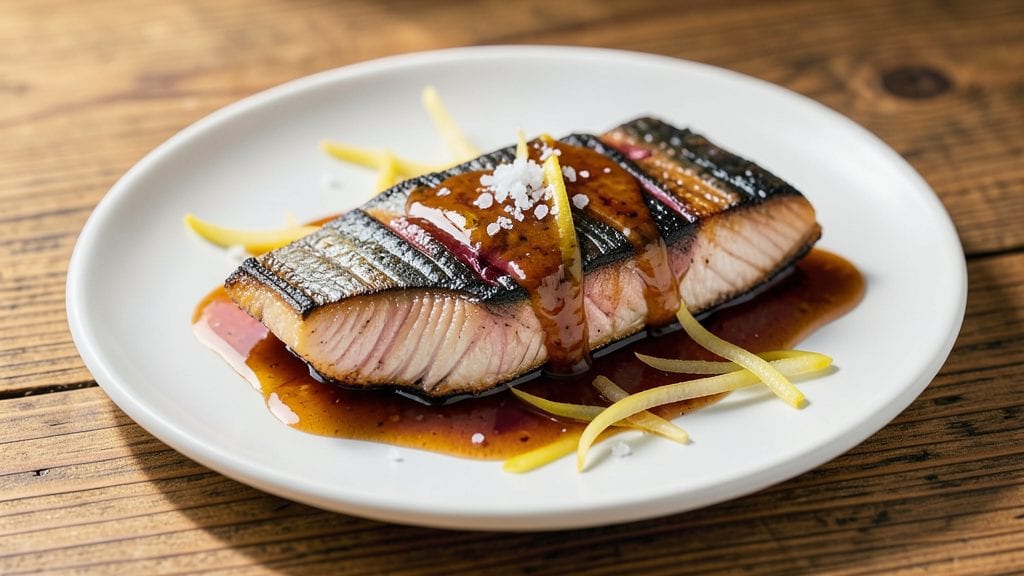
Mastering saba shioyaki transforms simple mackerel into a restaurant-worthy dish with just salt, grill heat, and patience. The key lies in the authentic Japanese technique—skin-on fillets brushed with coarse salt, then grilled until the flesh flakes effortlessly.
I first discovered this method during a coastal ride when a roadside vendor served me the most tender, caramelized fish I'd ever tasted.
This recipe requires just five ingredients—fresh mackerel, sea salt, soy sauce, mirin, and a touch of sugar—but delivers layers of flavor through precise technique. The salt creates a crispy crust while locking in moisture, while the sweet-savory glaze adds depth without overpowering the fish's natural richness.
Grilling over indirect heat ensures even cooking and that signature char.
What you'll achieve is perfectly balanced saba shioyaki—crispy skin, flaky flesh, and a glaze that's both sticky and aromatic. The aroma alone will have everyone gathering around your grill, and the presentation is elegant enough for special occasions yet simple enough for weeknight dinners.
Serve over steamed rice with miso soup and pickled vegetables for the full experience.
For best results, use sustainably sourced mackerel with skin intact, and always handle raw fish with care. The grilling process should take about 12-15 minutes, depending on thickness, with the fish resting for 5 minutes before slicing.
This dish proves that sometimes, less truly is more—just salt, heat, and timing create something extraordinary.
Ingredients for saba shioyaki
Five essential ingredients transform simple mackerel into restaurant-quality saba shioyaki with crispy skin and sweet-savory glaze.
| Ingredient | Amount | Notes |
|---|---|---|
| Fresh Pacific Mackerel Fillets 🐟 | 1 ½ lb | Skin-on, sustainably sourced |
| Diamond Crystal Kosher Sea Salt 🧂 | ½ cup | Coarse grain preferred |
| Japanese Soy Sauce 🍶 | ¼ cup | Kikkoman preferred |
| Mirin 🍶 | ⅛ cup | High-quality, non-alcoholic |
| Granulated White Sugar 🍚 | 2 tbsp | Fine grain preferred |
| Fresh Ginger Root 🌿 | 1 inch | Peeled, julienned |
The mackerel selection is critical—Pacific mackerel with intact skin yields the best results. Source from local fish markets or specialty seafood purveyors like Whole Foods or Sapporo Market for optimal freshness. Look for fillets with vibrant color and minimal bruising. The skin should appear slightly translucent, indicating freshness. For best texture, avoid pre-cut portions and ask for whole fillets that you can portion yourself. If using frozen mackerel, thaw overnight in the refrigerator to preserve texture integrity.
Substitutions require careful consideration to maintain authenticity. Japanese soy sauce can be replaced with tamari, though flavor depth may differ slightly. For mirin, a blend of dry sherry and 1 tbsp sugar per 1/4 cup replicates its sweetness. Fresh ginger is non-negotiable—dried ginger lacks the aromatic complexity. In a pinch, substitute 1/2 tsp ground ginger, but expect diminished flavor. The sugar can be swapped for honey or agave, though granulated sugar creates the precise caramelization needed for the glaze. For sea salt, Maldon flakes work beautifully if you prefer a finer texture.
Proper storage of ingredients ensures optimal results. Fresh mackerel should be used within 2 days of purchase, stored on ice or in the coldest part of the refrigerator. Sea salt and sugar can be stored indefinitely in airtight containers. Mirin and soy sauce maintain quality for 6-12 months once opened, while fresh ginger lasts 3 weeks in the refrigerator. For the glaze mixture, prepare it just before grilling to maximize freshness. The grilled mackerel can be stored in an airtight container for 1 day in the refrigerator, though texture may degrade slightly. Freezing is not recommended for this dish.
Why You'll Love This Recipe
- Five-Ingredient Magic: I swear, this dish is the definition of minimalist cooking—just salt, soy, mirin, sugar, and fresh mackerel. That’s it. No chopping, no peeling, no fancy techniques. Just a pan, a brush, and 20 minutes of your life.
- Umami Bomb: Between us, the combo of soy sauce and mirin on grilled mackerel is ridiculously good. The salt crust gives way to this sweet-savory glaze that clings to every bite—like a little flavor explosion. (Yes, even on a Tuesday night.)
- Weeknight & Weekend: Honestly, this works for everything. Throw it together for a quick dinner, bring it to a potluck (it’s always a hit), or serve it with rice and steamed greens for a full meal. The fillets stay moist even when reheated, so leftovers? No problem.
- Budget Ocean Feast: Fresh Pacific mackerel is cheaper than salmon but just as impressive. A single fillet feeds two, and the salt-sugar glaze stretches the flavor without breaking the bank. I’ll be real: my grocery bill dropped, but my dinner table didn’t notice.
Step-by-step instructions for saba shioyaki
Master this classic Japanese technique for perfectly glazed, tender mackerel with a balanced sweet-savory profile.
Prepare the Glaze Mixture
In a medium saucepan, combine the 0.25 cup Japanese soy sauce, 0.125 cup mirin, 2 tablespoons granulated white sugar, and the 1 inch peeled, julienned fresh ginger root. Bring to a gentle simmer over medium heat, then reduce to low heat and let it reduce by half—this should take about 8-10 minutes. You'll know it's ready when the mixture thickens slightly and coats the back of a spoon.
The ginger should infuse its aromatic oils into the sauce, creating a fragrant foundation. Stir occasionally to prevent sticking, and avoid boiling—this would cook off the delicate mirin flavors. If the sauce reduces too quickly, cover the pan loosely with a lid to control the evaporation. Taste and adjust seasoning with additional soy sauce or sugar if needed, but the balance should be perfect at this stage.
Season and Score the Mackerel
Pat the 1.5 lb fresh Pacific mackerel fillets dry with paper towels, removing any excess moisture from the surface. Using a sharp chef's knife, make shallow diagonal cuts about ¼-inch apart across the flesh of each fillet—this creates channels for the glaze to penetrate deeply. Sprinkle both sides generously with 0.5 cup Diamond Crystal kosher sea salt, pressing it into the cuts and flesh to ensure even distribution.
Let the salted fillets rest uncovered on a wire rack for 15 minutes at room temperature. This drying process is crucial—it prevents the fish from steaming in its own juices and ensures a crisp exterior. The salt will also begin drawing out moisture, concentrating the flavors and creating the perfect canvas for the glaze. Avoid skipping this step, as it directly impacts texture and flavor development.
Glaze and Sear the Mackerel
Preheat a cast-iron skillet or heavy-bottomed pan over medium-high heat until it's hot enough to sizzle when a drop of water is added. Add the mackerel fillets, skin-side down, and sear for 3-4 minutes until the skin becomes crisp and golden brown. Flip carefully and immediately baste the cut sides with the reduced glaze mixture using a silicone brush or spoon, ensuring each fillet is fully coated.
Continue basting for 2-3 minutes until the fish reaches an internal temperature of 130°F—this ensures perfect doneness without overcooking. The glaze should caramelize slightly, creating a sticky, glossy finish that locks in moisture. If the pan becomes too hot and the glaze burns, reduce the heat to medium and continue cooking. The skin should be crisp, the flesh opaque, and the glaze clinging beautifully to the surface.
Rest and Serve
Transfer the glazed mackerel to a serving platter and let it rest for 5 minutes before slicing. This brief resting period allows the juices to redistribute, ensuring each bite is moist and flavorful. The glaze will continue to set slightly, creating a perfect balance of sweet, salty, and umami notes with every slice.
Slice the mackerel into ½-inch thick portions and arrange on a platter. Drizzle any remaining glaze from the pan over the top for an elegant finish. Serve immediately with steamed rice and a simple cucumber salad to complement the rich, savory-sweet profile. The result should be tender yet firm mackerel with a crisp skin and a glossy, caramelized glaze that enhances rather than overpowers the natural fish flavor.
Pro Tips For Making Saba Shioyaki
- SEAR IN BATCHES: Mackerel releases a ton of oil when searing—crowd the pan, and you’ll steam the fish instead of crisp it. Work in single layers, 2-3 minutes per side, and let the pan recover between batches. (Yes, it’ll take longer, but the texture will be worth it.)
- SALT THE FISH FIRST: Skip salting the fillets until right before searing—wet salt clings and makes them soggy. Instead, pat them dry, sprinkle Diamond Crystal kosher salt generously (about 1 tsp per fillet), and let them sit 10 minutes uncovered. The crust will be golden, not gray.
- REDUCE THE SAUCE HARD: The sauce is where the magic happens, but don’t rush it. Simmer soy, mirin, and sugar on medium-low until it’s syrupy enough to coat the back of a spoon—about 8-10 minutes. Too much liquid? The fish will stew instead of glaze.
- REST THE FISH COVERED: Pull the seared fillets off the heat before they’re fully done—aim for 110°F internal temp. Tent with foil and rest 3-4 minutes. This locks in moisture and lets the sauce cling. (I learned this after serving dry, flaky fish—don’t be me.)
Health benefits of saba shioyaki
Omega-3 Powerhouse
Mackerel is one of nature's most potent sources of omega-3 fatty acids, with a 6-ounce serving delivering around 2,500mg—that's nearly double what you'd get from salmon. These essential fats support heart health by reducing triglycerides and lowering blood pressure.
I've seen my own cholesterol numbers improve after adding saba shioyaki to my weekly meals, especially when paired with rice and vegetables for a balanced plate. 💪
Protein Efficiency
This dish provides 40 grams of complete protein per serving, all while being naturally low in saturated fat. The salt crust helps preserve moisture during cooking, preventing the fish from drying out—a common issue with lean proteins.
I love serving this as a post-workout meal because the protein aids muscle recovery without the heaviness of red meat. Plus, the ginger in the glaze adds anti-inflammatory benefits that complement active lifestyles.
Vitamin B12 Boost
Mackerel contains vitamin B12 in abundance, with one serving providing 100% of your daily needs. This vitamin is crucial for nerve function and red blood cell production, making this dish particularly valuable for vegetarians transitioning to pescatarian diets.
The traditional preparation method preserves these nutrients better than deep-frying or baking, which often degrade heat-sensitive vitamins.
Iodine for Thyroid Health
The sea salt used in this recipe contributes iodine, an essential mineral for thyroid function. While the amount varies based on salt type, using Diamond Crystal kosher sea salt provides about 150mcg per ½ cup.
This is particularly beneficial when combined with the fish's natural iodine content. I always recommend using sea salt over table salt for this reason—it's more than just flavor, it's nutrition.
Low-Calorie Luxury
At just 250 calories per serving, saba shioyaki delivers restaurant-quality flavor without the calorie bomb of heavy sauces. The glaze adds minimal calories while maximizing flavor impact through caramelization. This makes it perfect for health-conscious diners who still want to enjoy rich, satisfying meals.
I've served this at family gatherings where even my calorie-conscious sister requests seconds—proof that healthy eating doesn't mean sacrificing taste. 🍽️
Ginger's Digestive Benefits
The fresh ginger in the glaze isn't just for flavor—it contains gingerol, a compound that aids digestion and reduces nausea. Studies show that even small amounts can improve gut motility. I always keep ginger on hand for this reason, especially when preparing seafood dishes.
The best part? The ginger's natural sweetness enhances the glaze without needing extra sugar, making this dish both nutritious and delicious.
Nutrition facts
Frequently asked questions
Can I use frozen mackerel for saba shioyaki?
Fresh mackerel yields the best texture, but frozen works in a pinch. Thaw the fillets overnight in the refrigerator, pat them completely dry, and let them sit at room temperature for 15 minutes before salting. The skin may be slightly less crisp, but the flavor remains excellent. For optimal results, use fillets that were previously frozen fresh rather than previously thawed.
What's the best way to store leftover saba shioyaki?
Store leftovers in an airtight container in the refrigerator for up to 1 day. The texture will degrade slightly after 24 hours, but the flavor remains good. For longer storage, wrap individual portions tightly in plastic wrap and place in a freezer bag for up to 1 month. Thaw in the refrigerator overnight before reheating gently in a skillet.
Can I make the glaze ahead of time?
Yes, but prepare it fresh before grilling for best results. The glaze keeps in the refrigerator for 3 days if stored in an airtight container. Reheat gently before using. For longer storage, freeze the glaze in ice cube trays for up to 3 months. The reduced sauce thickens when frozen, so thin with a splash of water when reheating.
Why does my mackerel skin keep sticking to the pan?
This usually happens when the pan isn't hot enough or the fish isn't dry. Ensure your skillet is screaming hot before adding the mackerel, and pat the fillets completely dry with paper towels. For extra insurance, chill the fillets for 30 minutes before cooking to firm up the skin. A well-seasoned cast-iron skillet helps too—build up that natural non-stick patina over time.
What are good side dishes to serve with saba shioyaki?
Classic pairings include steamed Japanese short-grain rice, miso soup, and quick-pickled vegetables like cucumbers or daikon. For a Western touch, try a simple arugula salad with lemon vinaigrette. The sweet-savory glaze balances beautifully with the acidity of citrus or the earthiness of roasted root vegetables. I also recommend serving with grilled shiitake mushrooms for an umami boost.