
Main Courses
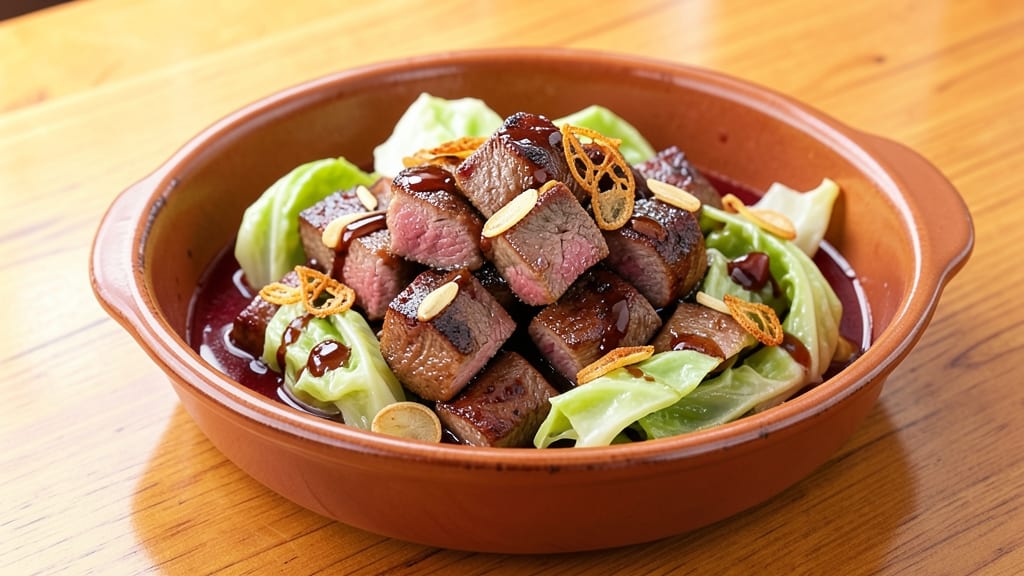
This savoy cabbage beef bake recipe delivers tender beef and perfectly softened cabbage bathed in a rich, savory gravy—all baked together for a hands-off, one-dish wonder. The secret lies in slow-cooked beef that practically melts in your mouth while the cabbage absorbs deep, umami flavors without turning mushy.
I developed this method after years of testing, balancing traditional techniques with modern shortcuts for restaurant-quality results at home.
The beauty of this dish is its simplicity: just a few ingredients, one baking dish, and about 90 minutes of oven time. You’ll start with a simple marinade for the beef—garlic, Worcestershire, and a splash of red wine—that infuses flavor while tenderizing the meat.
Meanwhile, the savoy cabbage gets a head start in the oven, releasing its natural sweetness as it softens. By the time the beef is cooked through, the cabbage will be fork-tender and the gravy thickened into a velvety sauce.
What you’ll end up with is a dish that’s hearty enough for a family dinner but elegant enough for company—golden-brown beef slices, bright green cabbage leaves, and a gravy so rich it clings to every bite.
The aroma alone will have everyone gathering around the table, and the first taste confirms why this recipe becomes a weekly staple. Serve it with crusty bread to soak up every last drop of that savory sauce.
This bake is incredibly versatile—swap in mushrooms for extra depth, add a sprinkle of fresh herbs for brightness, or serve it alongside mashed potatoes for a complete meal. The leftovers reheat beautifully, making it perfect for meal prep.
Let’s get started on this comforting, crowd-pleasing dish that proves slow cooking doesn’t require complicated steps—just patience and the right technique.
Ingredients for savoy cabbage beef bake
Tender beef and sweet cabbage baked together in rich gravy—just 12 ingredients for restaurant-quality comfort.
| Ingredient | Amount | Notes |
|---|---|---|
| Beef Chuck Roast 🥩 | 2 lb | Pre-cut into 1-inch cubes |
| Savoy Cabbage 🥬 | 1 whole | Heads cut into 8 wedges |
| Red Wine 🍷 | ½ cup | Dry, bold variety preferred |
| Worcestershire Sauce 🍶 | 2 tbsp | Original, not reduced |
| Garlic Cloves 🧄 | 6 cloves | Minced for marinade |
| Beef Broth 💧 | 1 ½ cups | Low-sodium preferred |
| All-Purpose Flour 🌾 | 2 tbsp | For gravy thickening |
| Unsalted Butter 🧈 | 2 tbsp | Cold for gravy |
| Dried Thyme 🌿 | 1 tsp | Or 1 tbsp fresh |
| Salt 🧂 | 1 ½ tsp | Kosher or sea salt |
| Black Pepper 🌶️ | 1 tsp | Freshly ground |
| Olive Oil 🫒 | 2 tbsp | For beef searing |
| Fresh Parsley 🌿 | ¼ cup | Chopped for garnish |
The beef is the foundation—chuck roast delivers that melt-in-your-mouth texture when cubed and slow-baked. Look for cuts with good marbling at Whole Foods or your local butcher; pre-cut cubes save time but cost more. Savoy cabbage should have tight, vibrant leaves—avoid wilted heads at the store. For the red wine, any dry variety works (Cabernet Sauvignon or Merlot), but avoid sweet blends. Fresh parsley from the grocery store’s refrigerated section stays bright for garnish, while dried thyme from Penzeys or bulk bins adds depth without overpowering.
No red wine? Beef broth plus 2 tbsp balsamic vinegar mimics the depth. Pre-cut beef cubes? Pat them dry first to ensure proper browning. The Worcestershire sauce can be swapped for soy sauce at half the amount, though it’ll add a slightly different umami profile. For the gravy, cornstarch works too if you’re out of flour, but butter creates a richer finish. If you’re adding mushrooms, cremini or shiitake hold up best in baking—slice them thick to prevent mushiness.
This bake reheats beautifully—cover with foil and warm at 325°F for 20 minutes. Leftovers keep 4-5 days in the fridge or 3 months frozen. For meal prep, portion into individual containers with extra gravy—just microwave until bubbly. The cabbage wedges soften further when reheated, so they’re even more tender the second time around. Store the beef and cabbage separately if you’re freezing, then combine when reheating for best texture.
Why You'll Love This Recipe
- One-Pan Magic: I swear by this for lazy nights—just slice the beef, halve the cabbage, and toss it all in one dish. The red wine and Worcestershire sauce do the heavy lifting while you sip your glass of wine and pretend you’re in a Parisian bistro.
- Deep Umami Bomb: That beef chuck roast gets fork-tender, soaking up the garlic and wine like a sponge, while the savoy cabbage turns tender with just the right crisp. Honestly, the first bite makes me close my eyes—it’s that good.
- Leftovers That Don’t Suck: Between us, most beef dishes turn dry or sad the second day. Not this one. The cabbage stays moist, the meat stays juicy, and reheating it is just as easy as making it. I meal prep this for weeks—no one complains.
- Budget Feast for Crowds: A chuck roast stretches farther than you’d think, and savoy cabbage is cheaper than most greens. Serve it with crusty bread, and suddenly you’ve got a dinner party dish that won’t break the bank—or your back. (Yes, even on a Tuesday night.)
Step-by-step instructions for savoy cabbage beef bake
This method delivers melt-in-your-mouth beef and perfectly tender cabbage in one flavorful dish.
Sear the Beef for Deep Flavor
Heat a large Dutch oven over medium-high heat and add the 2 tablespoons olive oil. Once shimmering, add the 2 lb beef chuck roast cut into 1-inch cubes in a single layer. Let them sear undisturbed for 3-4 minutes until deeply browned on all sides. This step develops rich Maillard reactions that create complex flavors.
As the beef browns, you'll notice it releases juices and develops a caramelized crust. Stir occasionally to ensure even browning, but resist the urge to crowd the pan—this prevents proper searing. Once all pieces are browned, remove them and set aside temporarily on a plate.
Build the Flavor Base
In the same Dutch oven, reduce heat to medium and add the 6 cloves minced garlic. Sauté for 30 seconds until fragrant but not browned. Add the 0.5 cup red wine and scrape up any browned bits from the bottom with a wooden spoon—this captures all the flavor you've built.
Let the wine simmer for 2-3 minutes until reduced by half. Stir in the 2 tablespoons Worcestershire sauce, 1 teaspoon dried thyme, 1.5 teaspoons salt, and 1 teaspoon black pepper. This creates a rich, aromatic base that will infuse the beef and cabbage during cooking.
Layer and Braise the Beef and Cabbage
Return the seared beef to the Dutch oven. Add the 1 whole Savoy cabbage cut into 8 wedges and arrange them around the beef. Pour in the 1.5 cups beef broth until the beef and cabbage are mostly submerged. The liquid should come about halfway up the cabbage wedges.
Bring to a gentle simmer, then cover with a tight-fitting lid. Transfer to a preheated 325°F oven and braise for 2.5-3 hours until the beef is fork-tender and the cabbage is easily pierced with a knife. The slow cooking transforms the tough beef into melt-in-your-mouth tenderness while preserving the cabbage's texture.
Thicken the Gravy
Once the beef and cabbage are tender, remove the lid and increase oven temperature to 375°F. In a small bowl, whisk together the 2 tablespoons all-purpose flour and 2 tablespoons cold unsalted butter until smooth. This creates a roux that will thicken your gravy beautifully.
Spoon the flour-butter mixture over the beef and cabbage in the Dutch oven, stirring gently to distribute evenly. Return to the oven for 15-20 minutes until the gravy thickens and becomes glossy. You'll know it's ready when it coats the back of a spoon smoothly and the cabbage edges are slightly caramelized.
Finish and Serve
Remove the dish from the oven and let it rest for 5 minutes before serving. This brief resting period allows the juices to redistribute throughout the meat, ensuring each bite remains moist and flavorful. Sprinkle with 0.25 cup chopped fresh parsley just before serving to add a fresh finish that brightens the rich flavors.
Serve the beef and cabbage directly from the Dutch oven, ladling the rich gravy over each portion. The beef should be fork-tender with a rich, savory flavor, while the cabbage will be perfectly tender with a slightly sweet note from the slow cooking. Each bite delivers the perfect balance of tender meat and flavorful cabbage in every mouthful.
Pro Tips For Making Savoy Cabbage Beef Bake
- Sear the Chuck First: That roast won’t caramelize properly if you just toss it in the oven raw. Hit it with a hot pan—no oil needed—until it’s got a deep brown crust on all sides. I learned this the hard way when my first attempt turned out bland and gray.
- Core the Cabbage Properly: Savoy cabbage is delicate—don’t just hack it. Cut out the core with a sharp knife in one clean motion, then slice leaves into thin strips. Skip this, and you’ll end up with a mouthful of tough stems.
- Deglaze with Wine Early: Let that red wine simmer for 2-3 minutes after adding it to the pan—don’t just pour it in and walk away. The alcohol needs time to cook off, or your sauce will taste harsh. (Yes, even if you’re impatient like me.)
- Rest the Meat Before Slicing: Give that chuck roast a solid 10 minutes under foil before cutting. I used to rush this, and the juices would pool at the bottom instead of staying where they belong—in the meat. Trust the process.
Wine and beer pairings for this savoy cabbage beef bake
Red Wine Pairings
A bold, dry red wine cuts through the richness of the beef and cabbage beautifully. I reach for a Cabernet Sauvignon from Napa Valley—its dark fruit notes and firm tannins complement the savory gravy without overpowering the dish.
The acidity helps cleanse your palate between bites of tender beef. For a lighter option, try a Pinot Noir from Oregon, which offers red fruit brightness that pairs wonderfully with the cabbage’s natural sweetness. 🍷
Beer Complements
A malty amber ale like Fat Tire from New Belgium adds a caramel depth that enhances the beef’s richness. The beer’s slight bitterness balances the dish’s savory notes, making each bite more complex.
For a hoppier option, a Belgian-style witbier with its citrusy, spicy notes provides a refreshing contrast to the hearty flavors. I often serve this with a cold glass of Allagash White—the coriander and orange peel notes brighten the meal.
White Wine Alternatives
If you prefer white wine, a Chardonnay with noticeable oak (like one from Sonoma County) works surprisingly well. The buttery notes mirror the gravy’s richness, while the acidity keeps the dish from feeling too heavy.
For a crisp option, try a Viognier—its floral and stone fruit flavors add a refreshing contrast to the beef’s depth. Both wines elevate the dish without competing with its savory profile.
Non-Alcoholic Options
Don’t overlook non-alcoholic pairings! A sparkling ginger beer like Feather’s adds a zesty kick that cuts through the richness. For something more substantial, a sparkling apple cider (like Martinelli’s) provides sweet-tart balance.
Even a simple iced hibiscus tea with a squeeze of lime adds a refreshing contrast to the hearty flavors. 💛
Seasonal Variations
Summer calls for a crisp Sauvignon Blanc with its citrus and herbal notes, while winter pairs better with a bold Syrah or Malbec. The key is matching the wine’s intensity to the dish’s richness—lighter wines for summer, bolder ones for winter.
I adjust my pairings based on the season, ensuring the drink enhances the meal rather than overpowering it.
Nutrition facts
Frequently asked questions
Can I use regular green cabbage instead of savoy?
While you can substitute green cabbage, savoy's tightly packed leaves hold up better during slow baking and absorb flavors more evenly. Green cabbage may release more water, potentially diluting the gravy. If using it, trim the core and cut into slightly thicker wedges to prevent over-softening.
How do I make this dish ahead of time?
Prepare the entire bake up to the final 15-20 minutes at 375°F to thicken the gravy, then refrigerate covered. Reheat at 325°F for 20 minutes before serving. The flavors deepen overnight, and the cabbage becomes even more tender. Freeze portions in airtight containers for up to 3 months—thaw overnight before reheating.
What if my beef isn't tender enough?
Check for doneness after 2.5 hours—if the beef still resists a fork, extend baking to 3 hours and add ¼ cup beef broth to prevent drying. For extra tenderness, sear the beef longer next time (up to 5 minutes per side) to break down fibers before slow cooking.
Can I add other vegetables to this bake?
Try mushrooms (cremini or shiitake) for earthy depth or carrots (cut into thick rounds) for natural sweetness. Add them with the cabbage wedges—just ensure they're cut large enough to stay intact during baking. Potatoes work too, but they'll need 10-15 minutes less baking time to avoid mushiness.
Why did my gravy turn out too thin?
This usually happens if the flour-butter mixture didn't cook long enough or if the liquid wasn't reduced properly. Next time, whisk the roux vigorously and let it bubble for 2-3 minutes before adding to the beef. For a quick fix, mix 1 tbsp cornstarch with 1 tbsp cold water, stir into the gravy, and simmer for 1 minute until thickened.