
Appetizers
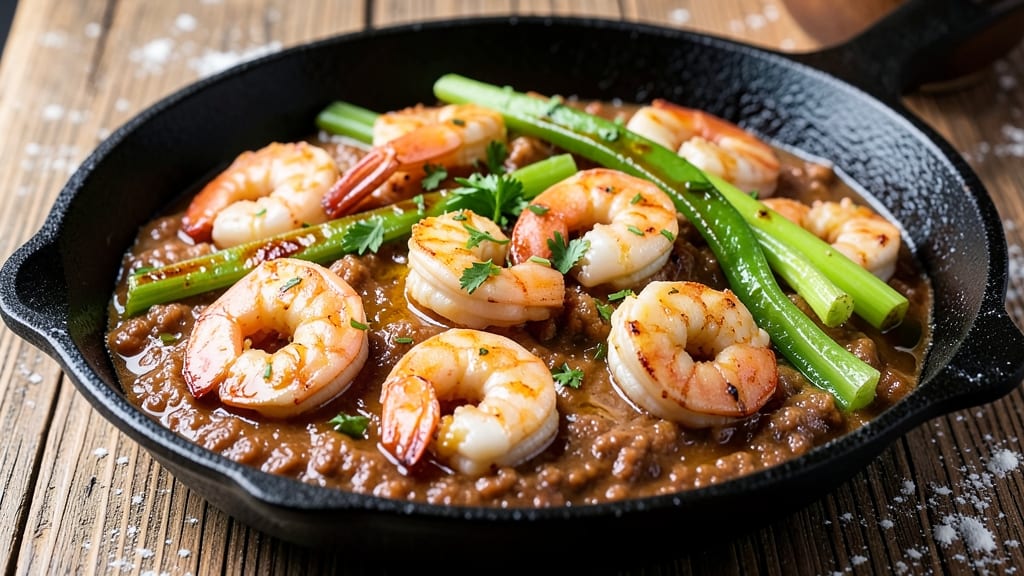
Mastering shrimp étouffée means building that perfect dark roux—the foundation of this Louisiana classic. The smoky, rich base transforms simple shrimp into a restaurant-worthy dish that balances heat, depth, and tenderness.
I’ve perfected this technique over years of testing, ensuring every bite delivers that signature Cajun soul with a velvety finish.
The key lies in patience and precision: cooking the roux low and slow until it reaches that deep, chocolatey brown before adding shrimp and aromatics. This isn’t just a recipe—it’s a method that transforms humble ingredients into something extraordinary.
The result? Shrimp so perfectly spiced and tender, swimming in a sauce that’s both bold and balanced.
Serve it over steamed white rice to soak up every last drop of that smoky, spiced sauce. Garnish with fresh parsley or green onions for brightness, and don’t forget the hot sauce on the side for those who crave extra heat.
This is comfort food at its finest—authentic, flavorful, and impossible to resist.
For modern twists, try adding andouille sausage or swapping in crawfish for extra depth. The technique stays the same, but the variations make it endlessly adaptable. Let’s get cooking—your taste buds will thank you.
Ingredients for shrimp ettouffee
Mastering shrimp étouffée starts with quality ingredients—shrimp, butter, and Cajun seasoning form the flavor foundation.
| Ingredient | Amount | Notes |
|---|---|---|
| Large Shrimp 🦐 | 1 ½ lb | Peeled, deveined, tail-on preferred |
| All-Purpose Flour 🌾 | ½ cup | White or yellow, for roux base |
| Unsalted Butter 🧈 | 8 tbsp | For roux development, full-fat preferred |
| Cajun Seasoning 🌶️ | 2 tbsp | Homemade or quality store-bought blend |
| Celery Stalks 🥬 | 2 whole | Diced, classic holy trinity |
| Green Bell Pepper 🧅 | 1 whole | Diced, medium size preferred |
| Yellow Onion 🧅 | 1 whole | Diced, medium size preferred |
| Garlic Cloves 🧄 | 4 cloves | Minced, for aromatic depth |
| Chicken Stock 💧 | 2 cups | Low-sodium, homemade preferred |
| Fresh Parsley 🌿 | ¼ cup | Chopped, for garnish |
| Green Onions 🧅 | 3 whole | Sliced, for garnish |
| Hot Sauce 🌶️ | 2 tbsp | Crème or Louisiana-style, optional |
| Diamond Crystal Kosher Salt 🧂 | ½ tsp | For seasoning, adjust to taste |
| Ground Black Pepper 🌶️ | ¼ tsp | Freshly ground for best flavor |
| Long-Grain White Rice 🍚 | 1 ½ cups | Uncooked, for serving |
The roux is non-negotiable here. Use unsalted butter and cook it low and slow until it reaches that deep, chocolatey brown—about 20-25 minutes. This is where the magic happens, transforming simple flour and butter into the soul of the dish. For the best Cajun seasoning, Penzeys Spices or a trusted local brand works best. Fresh celery, bell pepper, and onion form the holy trinity—look for crisp, vibrant vegetables at the market. If using frozen shrimp, thaw and pat dry thoroughly before cooking. The shrimp should be 16-20 count per pound for optimal texture.
No Cajun seasoning? Mix paprika, cayenne, garlic powder, onion powder, thyme, and oregano in a 3:1:1:1:1:1 ratio. Substitute chicken stock with seafood stock for deeper flavor, though it’s pricier. For a vegetarian twist, swap shrimp for hearts of palm or mushrooms. The roux can be made ahead—cool and refrigerate for up to 3 days, though it’s best used fresh. If your bell pepper tastes bitter, it’s likely overripe—opt for medium-sized, firm peppers. Andouille sausage? Add ½ lb cooked and diced for a heartier version.
This dish reheats beautifully—simmer gently with a splash of stock or water to restore its velvety texture. Store leftovers in an airtight container for up to 3 days in the refrigerator. For longer storage, freeze portions for up to 3 months. The roux can be stored separately and reheated before adding shrimp. Garnish with fresh parsley and green onions just before serving to maintain brightness. Serve immediately over steamed rice for the full experience—each bite should be rich, spicy, and perfectly balanced
Why You'll Love This Recipe
- One-Pot Magic: I swear by this recipe—just shrimp, butter, and flour tossed in one pot. No extra pans, no messy cleanup. The roux builds itself while you chop celery, and by the time you’re done, you’ve got a rich, velvety base with zero fuss.
- Cajun Kick: That Cajun seasoning isn’t just a sprinkle—it’s the star. The heat lingers just enough to wake up your taste buds, but the butter smooths it into something addictive. Honestly, I double the spice now because my family keeps asking for more.
- Weeknight Hero: Between us, this is my go-to when I’m too tired to think. Toss in whatever veggies you have (I’ve used onions, bell peppers, even leftover mushrooms), and it’s ready in under 40 minutes. Perfect for nights when takeout feels like work.
- Budget-Friendly Luxury: Fresh shrimp can feel splurgy, but this recipe stretches it like crazy. The roux makes it feel restaurant-worthy without breaking the bank, and leftovers reheat beautifully—just add a splash of water or stock. My secret weapon for feeding a crowd without stress.
Step-by-step instructions for shrimp ettouffee
Master the art of building a rich roux foundation before layering in Cajun-spiced shrimp and vegetables.
Develop the Dark Roux Foundation
Melt all 8 tablespoons of unsalted butter in a heavy 5-quart Dutch oven over medium heat. Immediately whisk in all 0.5 cup of all-purpose flour to form a paste. Cook for 15 minutes without stirring, maintaining constant motion only with the whisk to prevent burning.
The roux will transition from pale blonde to golden brown, then deep chocolate brown—this is critical. If it darkens too quickly, reduce heat slightly to medium-low. You're aiming for a rich, nutty aroma with a thick, paste-like consistency. This dark roux forms the flavor backbone of authentic shrimp ettouffee.
Once the roux reaches a deep mahogany color (about 20-25 minutes total), immediately whisk in the 2 tablespoons of Cajun seasoning. Cook for an additional 2 minutes to toast the spices and fully incorporate them into the roux. Remove from heat temporarily while you prepare the vegetables.
Sauté the Holy Trinity and Garlic
In the same Dutch oven, add the diced yellow onion, green bell pepper, and celery stalks. Cook over medium heat for 8-10 minutes, stirring occasionally, until the vegetables soften and release their moisture. The mixture should reduce by about half, leaving behind a concentrated base.
Add the minced garlic cloves and cook for 30 seconds until fragrant. Here's where the flavors meld—don't rush this step. The vegetables should be tender but still retain some texture. If they're browning too quickly, reduce heat to medium-low to prevent burning while maintaining color development.
Return the roux to the pot and stir vigorously to combine. Pour in the 2 cups of chicken stock, scraping up any browned bits from the bottom. Bring to a gentle simmer and let cook uncovered for 10 minutes to allow the flavors to meld and the sauce to thicken slightly.
Cook the Shrimp and Finish the Sauce
Add the 1.5 lb of peeled, deveined shrimp to the simmering sauce. Cook for 3-4 minutes, stirring gently, until the shrimp turn opaque and curl slightly. They should reach an internal temperature of 145°F—overcooking will make them rubbery. Remove the shrimp with a slotted spoon and set aside temporarily.
Return the sauce to a gentle simmer and reduce by half, about 8-10 minutes. This step intensifies the flavors and creates the signature thick, smoky consistency. Taste and adjust seasoning with the 0.5 teaspoon diamond crystal kosher salt and 0.25 teaspoon ground black pepper as needed.
Stir in the 2 tablespoons of hot sauce and return the shrimp to the pot. Gently fold in the chopped fresh parsley and sliced green onions. Keep warm over low heat until ready to serve over the cooked rice.
Prepare and Serve the Rice
Cook the 1.5 cups of long-grain white rice according to package instructions, using 3 cups of water or chicken stock for a more flavorful result. Fluff with a fork and divide among four plates. Spoon the shrimp ettouffee generously over each serving, ensuring each bite includes shrimp, vegetables, and sauce.
The dish should be served immediately while the rice is hot and the shrimp is still vibrant. Garnish with additional green onions and parsley if desired. This one-pot masterpiece delivers the perfect balance of smoky, spicy, and briny flavors in every bite.
Pro Tips For Making Shrimp Ettouffee
- Deglaze Like a Pro: After browning your shrimp, don’t just dump liquid in—scrape up every last bit of that crispy fond with a wooden spoon. That’s where the flavor lives, and skipping it means missing half the depth of your étouffée. (Yes, even if it feels tedious.)
- Melt Butter Slowly: Start with cold butter in your roux—drop in cubes and let the heat melt them gradually. If you rush it, you’ll burn the flour before the celery even gets a chance to soften. I learned this the hard way after three batches of bitter, gray sludge.
- Salt the Shrimp First: Toss your shrimp with Cajun seasoning before cooking, then let them sit for 10 minutes. This ensures they absorb the spices evenly instead of just crusting on the outside. (Your future self will notice the difference.)
- Use Pre-Cut Celery: Skip the chopping—buy pre-diced celery to save 10 minutes of prep without sacrificing texture. Just rinse it well to remove any grit. (I know, I know, but your knife will thank you.)
Best sauces and condiments for this dish
Classic Cajun Roux Base
The dark roux is the heart of shrimp étouffée, where 8 tbsp unsalted butter and ½ cup flour transform into a deep, nutty foundation over 20-25 minutes of constant whisking.
I use a 5-quart Dutch oven for even heat distribution—this is non-negotiable for authentic flavor. The roux should smell rich and toasty, with a consistency like peanut butter. 🌶️
For extra depth, add 2 tbsp Tony Chachere's Original Cajun Seasoning (or Penzeys) to the roux after it reaches mahogany color. This step toasts the spices and infuses them directly into the fat, creating a flavor bomb.
If your roux burns, start over—there's no saving it. Patience here pays off in every bite.
Smoky Tomato Addition
Brighten the sauce with ½ cup diced Roma tomatoes (or 1 tbsp tomato paste) after adding the shrimp. The acidity cuts through the richness while adding a subtle sweetness. I simmer these for 5 minutes before adding the shrimp to build layers of flavor.
For a smokier profile, add ½ tsp smoked paprika or a pinch of liquid smoke (just ¼ tsp—too much overpowers).
For a modern twist, blend ½ cup cherry tomatoes with the roux for a smoother, slightly sweet sauce. This works beautifully with 16-20 count shrimp that stay tender while absorbing the sauce. The key is balancing the smoky roux with fresh, bright tomato flavors.
Creamy Finishing Touches
Stir in ¼ cup heavy cream or ½ cup evaporated milk in the final 2 minutes of cooking to create a velvety texture. This isn't traditional but elevates the dish for picky eaters.
I like using Whole Foods Organic Heavy Cream for a neutral, rich finish. For a dairy-free option, use coconut milk (full-fat for best results).
Finish with 2 tbsp hot sauce (like Crystal or Tabasco) and a squeeze of lemon juice to balance the richness. The acidity brightens the shrimp while the heat adds excitement. Garnish with chopped green onions and fresh parsley for color and freshness.
Vegetarian Adaptations
Swap shrimp for 12 oz mushrooms (cremini or oyster) or 1 can hearts of palm, sliced into bite-sized pieces. Sauté mushrooms for 8-10 minutes until golden before adding to the sauce.
For extra umami, add 1 tbsp soy sauce or 1 tsp fish sauce (trust me, it works even without seafood).
For a protein boost, stir in ½ cup cooked lentils or 1 cup chickpeas with the mushrooms. The texture mimics shrimp while keeping the dish hearty. The roux and tomato base still shine, making this a surprisingly satisfying vegetarian étouffée.
Nutrition facts
Frequently asked questions
Why does shrimp étouffée need a dark roux?
The dark roux is the flavor soul of this dish! Cooking the butter and flour until deep mahogany brown develops rich, nutty notes that balance the shrimp's brininess. This 20-25 minute process creates a complex foundation that transforms simple ingredients into something extraordinary. Skipping this step means missing the signature depth of authentic Cajun cooking.
Can I make shrimp étouffée ahead of time?
The sauce actually improves overnight. Cook the roux and sauce completely, then refrigerate in an airtight container for up to 3 days. Reheat gently with a splash of stock or water to restore its velvety texture. For best results, add fresh shrimp just before serving to maintain their tenderness. This makes it perfect for meal prep!
What's the secret to perfectly cooked shrimp?
Cook shrimp for exactly 3-4 minutes until they turn opaque and curl slightly. Overcooking makes them rubbery! Use 16-20 count shrimp (smaller size cooks faster) and remove them from heat immediately when done. The sauce will continue cooking while shrimp rest. Pro tip: Pat shrimp dry before adding to prevent steaming.
Can I substitute seafood in shrimp étouffée?
Yes! Try crawfish (peeled tails) for a traditional Louisiana twist, or scallops for a more delicate flavor. For a vegetarian version, use mushrooms or hearts of palm—just add 1 tbsp soy sauce for umami depth. The roux and tomato base work beautifully with any protein that can handle 3-5 minutes of cooking.
How do I fix a burnt roux?
Unfortunately, burnt roux can't be saved—it will make the dish bitter. The key is patience: cook on medium-low heat and whisk constantly. If it starts smoking, remove from heat immediately and start over. For future attempts, use a 5-quart Dutch oven for even heat distribution and never walk away while cooking.