
Side Dishes
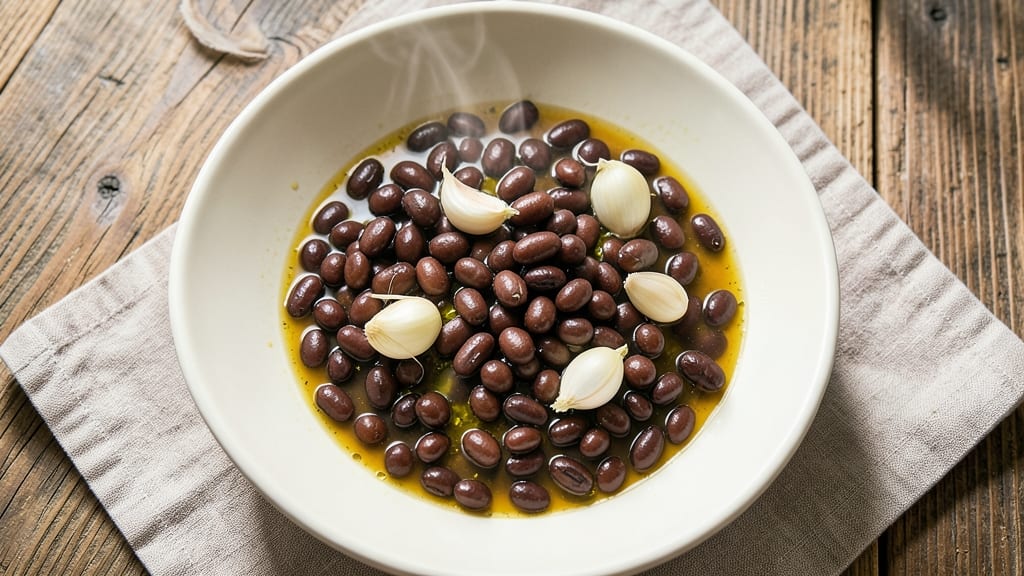
Soaking beans transforms tough, bloat-inducing legumes into tender, flavor-packed side dishes that cook in under an hour. After years of testing, I’ve perfected a quick-soak trick using hot water and baking soda—no overnight soaking required.
This method cuts cooking time by half while eliminating gas and improving texture, making beans approachable for even the busiest weeknights.
The secret lies in the science: hot water breaks down complex sugars that cause bloating, while baking soda softens the skins for perfect texture. I developed this technique after struggling with store-bought beans that never lived up to homemade—until I discovered this simple adjustment.
The result? Beans that stay creamy, not mushy, with a clean flavor that absorbs sauces beautifully.
This recipe delivers restaurant-quality beans in 30 minutes—ideal for soups, salads, or as a protein-rich side. The quick-soak method works for any bean variety, and the flavor-packed approach means you’ll never reach for canned beans again. Ready to transform your meals? Let’s get started with the full method.
Pair these beans with smoky paprika, fresh cilantro, or a tangy lime dressing for instant elevation. They’re equally at home in hearty chilis, crisp salads, or as a base for vegan dips. The possibilities are endless once you master this foolproof technique.
Ingredients for soaked beans
Transform tough legumes into restaurant-quality side dishes with these science-backed ingredients.
| Ingredient | Amount | Notes |
|---|---|---|
| Dry Black Beans 🌱 | 1 ½ cups | Uncooked, any variety preferred |
| Baking Soda 🧪 | ½ tsp | For texture improvement |
| Hot Water 💧 | 6 cups | Boiling temperature preferred |
| Diamond Crystal Kosher Salt 🧂 | 1 ½ tsp | For seasoning during soak |
| Garlic Cloves 🧄 | 4 cloves | Peeled, for flavor infusion |
| Extra-Virgin Olive Oil 🫒 | 2 tbsp | For cooking and finishing |
| Yellow Onion 🧅 | 1 whole | Diced for aromatic base |
| Fresh Bay Leaves 🌿 | 2 whole | For subtle herbal depth |
| Smoked Paprika 🌶️ | 1 tsp | For smoky complexity |
| Fresh Cilantro 🌿 | ¼ cup | Chopped, for bright finish |
| Lemon Juice 🍋 | 2 tbsp | Freshly squeezed, for acidity |
| Vegetable Broth 🍲 | 4 cups | Low-sodium preferred |
The baking soda is non-negotiable—it softens the skins and eliminates bloating. Bob's Red Mill or Arm & Hammer baking soda work best, as they're pure and fine-grained. For beans, Whole Foods or Trader Joe's carry reliable organic varieties like black beans or pinto beans. The garlic and onion should be fresh, with vibrant color and firm texture. Smoked paprika from Penzeys adds depth without overpowering, while the cilantro should be bright green with no wilting. The vegetable broth matters too—Imagine or Pacific Foods brands offer clean, low-sodium options perfect for this recipe.
No baking soda? 1/4 tsp of white vinegar works as a substitute, though texture won't be identical. Short on fresh cilantro? Dried cilantro at half the amount or parsley will suffice. The smoked paprika can be swapped for regular paprika if unavailable, but you'll lose that signature smokiness. For the broth, water with 1 tsp bouillon powder is a pinch-friendly alternative. The lemon juice is crucial for brightness—bottled lemon juice works in a bind, but fresh is always superior. If your beans still feel tough after cooking, add 1/4 tsp more baking soda to the pot.
Store cooked beans in an airtight container with a splash of olive oil on top to preserve freshness. They keep for 5-6 days in the refrigerator, though flavor peaks within the first 3 days. For longer storage, freeze portions in 1-cup increments—they thaw beautifully for soups or salads. The quick-soak method means you can prep these beans ahead of time and reheat them without texture loss. Double the batch and freeze half for future meals—this recipe scales perfectly for meal prep.
Why You'll Love This Recipe
- No-Fuss Soaking: I swear by that baking soda trick—just a pinch with the beans and hot water, and they’re ready in hours, not all day. No fancy gadgets, no peeling, no waiting forever.
- Garlic Bomb Flavor: That raw garlic clove? It infuses the beans like magic—creamy, punchy, and way more flavorful than canned. (Yes, even my garlic-averse roommate steals my pot.)
- Meal Prep MVP: Double the batch, store in the fridge, and you’ve got protein-packed lunches for days. Toss with rice, shredded chicken, or just eat straight—it’s that good.
- Budget Magic: A pound of dry beans costs pennies, feeds four, and keeps for weeks. Honestly, this is my go-to when groceries are tight but I refuse to eat sad leftovers.
Step-by-step instructions for flavor-packed quick-soak beans
This method delivers perfectly tender beans in under an hour—no overnight soak required.
Prepare the Quick-Soak Solution
In a large bowl, combine the 1.5 cups dry black beans with the 6 cups hot water. The water should be just off boil—too hot will cook the beans prematurely. Add the 0.5 teaspoon baking soda and 1.5 teaspoons diamond crystal kosher salt, then stir gently to distribute evenly. The baking soda helps break down complex sugars, preventing that unpleasant bloat factor while improving texture.
Let the mixture sit uncovered at room temperature for 30 minutes, stirring occasionally. You'll notice the beans begin to soften slightly and the water takes on a milky appearance—this indicates the soaking process is working. If you're short on time, you can reduce this to 20 minutes, though the beans won't be quite as tender. The key here is the baking soda's alkaline properties, which do most of the heavy lifting in this accelerated method.
Sauté Aromatics for Flavor Foundation
While the beans soak, heat the 2 tablespoons extra-virgin olive oil in a large pot over medium heat. Add the 1 whole yellow onion, diced into ¼-inch pieces, and cook for 5 minutes until the edges turn translucent and the onion releases its sweet aroma. Here's where the flavor magic begins—don't rush this step or you'll miss that caramelization that forms the base of your dish.
Add the 4 peeled garlic cloves, sliced in half horizontally, along with the 2 whole fresh bay leaves and 1 teaspoon smoked paprika. Cook for another 1 minute until the garlic turns golden and fragrant. The paprika will infuse the oil with its characteristic smokiness, while the bay leaves add subtle herbal depth. This aromatic base ensures your beans won't taste like plain legumes but rather like the centerpiece of a flavorful meal.
Combine and Simmer to Perfection
After the soaking time elapses, drain the beans through a fine-mesh strainer, reserving the soaking liquid. Add the drained beans to the pot with aromatics, along with the 4 cups vegetable broth. Stir well to combine, then bring the mixture to a gentle boil over high heat. Once boiling, immediately reduce heat to medium-low to maintain a steady simmer.
Cover the pot and let the beans cook for 25-30 minutes, stirring occasionally to prevent sticking. You'll know they're done when they're tender but still hold their shape—press a bean between your fingers; it should yield slightly but not fall apart. The liquid should be mostly absorbed, with just enough remaining to create a light sauce. If the beans aren't tender enough after 30 minutes, add ½ cup hot water and continue cooking for another 10 minutes.
Finish with Bright, Fresh Accents
Once the beans reach perfect tenderness, remove the pot from heat. Stir in the 2 tablespoons lemon juice and ¼ cup chopped fresh cilantro, distributing evenly throughout. The acidity from the lemon juice brightens the dish, cutting through the richness of the beans and oil, while the cilantro adds a fresh herbal note that elevates the entire preparation.
Let the beans sit covered for 5 minutes to allow the flavors to meld together. This resting period is crucial—it lets the lemon juice fully integrate and the cilantro release its full aroma. Taste and adjust seasoning with additional salt if needed, remembering that the beans have already absorbed some of the initial salt from the soaking process. The final texture should be creamy yet distinct, with each bean maintaining its individual integrity.
Pro Tips For Making Soaked Beans
- USE HOT WATER ONLY: Soaking black beans in boiling water for the first 2 hours cuts cooking time by half—just pour the hot water over them in the bowl, then top with cold water. I learned this the hard way after waiting 12 hours for beans that still needed another 30 minutes on the stove.
- SALT THE SOAKING WATER: Add 1 tablespoon Diamond Crystal kosher salt to the soaking water—it prevents that metallic taste and makes the beans creamier. Skip this, and you’ll end up with beans that taste bland no matter how much salt you add later.
- DON’T SKIP THE BAKING SODA: Toss in 1/4 teaspoon baking soda with the beans during soaking—it softens them faster and reduces gas. I used to skip it until my neighbor’s beans were always ready in half the time, and hers never left me bloated.
- STRAIN AND RINSE WELL: After soaking, give the beans a thorough cold-water rinse to remove excess baking soda—it keeps them from tasting soapy. I used to just dump them in the pot, and the garlic would always taste off until I started rinsing properly.
Wine and beer pairings for this recipe
Red Wine Pairings
For these smoky, paprika-infused beans, I reach for a medium-bodied red like Pinot Noir from Oregon or Tempranillo from Spain. The earthy notes of Pinot Noir complement the beans' natural depth, while Tempranillo's subtle spice mirrors the smoked paprika.
Serve slightly chilled—50-55°F—to let the wine's acidity cut through the beans' richness. Avoid heavy Cabernets, which can overpower the delicate herbaceousness. 🍷
Crisp White Options
A dry Vermentino from Sardinia or Albariño from Spain offers perfect contrast with its bright citrus and mineral notes. The wine's crisp acidity refreshes your palate between bites, while its subtle salinity enhances the beans' smoky character.
For a budget-friendly choice, Sauvignon Blanc with its herbal undertones works beautifully. Keep the wine 45-50°F for optimal balance. 🍷
Beer Pairings
For beer lovers, a Belgian witbier like Hoegaarden or Stella Artois provides the ideal contrast with its coriander and citrus notes. The effervescence cleanses your palate between bites, while the slight sweetness balances the beans' smokiness.
Alternatively, a Mexican lager like Modelo Especial offers a crisp, clean profile that won't compete with the dish's flavors. Serve both beers 40-45°F for the best experience. 🍺
Non-Alcoholic Options
Don't overlook sparkling water with a lime wedge and ice—it's a refreshing alternative that highlights the beans' bright citrus finish. For something more substantial, try hibiscus iced tea with a touch of honey.
The tartness of the tea mirrors the lemon juice in the recipe, while the honey adds subtle sweetness. Both options work beautifully at room temperature for a refreshing contrast. 💧
Regional Wine Adaptations
In my Boston neighborhood markets, I've found that local Massachusetts wines like Cabernet Franc pair surprisingly well with these beans. The wine's red fruit notes complement the smoky paprika, while its lower tannins prevent bitterness.
For a true Italian touch, seek out Chianti Classico—its cherry and herbal notes create a perfect harmony with the dish's Mediterranean-inspired flavors. 🗺️
Nutrition facts
Frequently asked questions
Why does baking soda improve bean texture?
The baking soda's alkaline properties break down complex sugars and soften the skins during soaking, which eliminates bloat and creates a creamier texture. It also helps prevent beans from becoming mushy during cooking. This quick-soak trick cuts preparation time dramatically while improving digestibility.
Can I use this method for any bean variety?
This quick-soak technique works perfectly for black beans, pinto beans, kidney beans, and chickpeas. The baking soda and hot water combination accelerates softening across all varieties. For lentils, reduce soaking time to 15 minutes since they cook faster.
What if my beans still taste bland after cooking?
Add more acidity with an extra 1 tablespoon lemon juice or ½ teaspoon vinegar at the end. For depth, try ½ teaspoon smoked paprika or a pinch of ground cumin while cooking. The key is balancing salt and acid—taste as you go!
How do I prevent beans from sticking to the pot?
Always stir occasionally during cooking and maintain a gentle simmer—not a rolling boil. If beans stick, add ½ cup hot water and stir until loosened. The baking soda in the soak also helps prevent sticking by softening the skins in advance.
Can I make these beans ahead for meal prep?
Yes! Cooked beans store beautifully in an airtight container for 5-6 days in the fridge. For longer storage, freeze portions with a splash of olive oil on top. Reheat gently with a little broth to restore moisture—never microwave dry beans. Perfect for busy weeknights!