
Sauces & Condiments
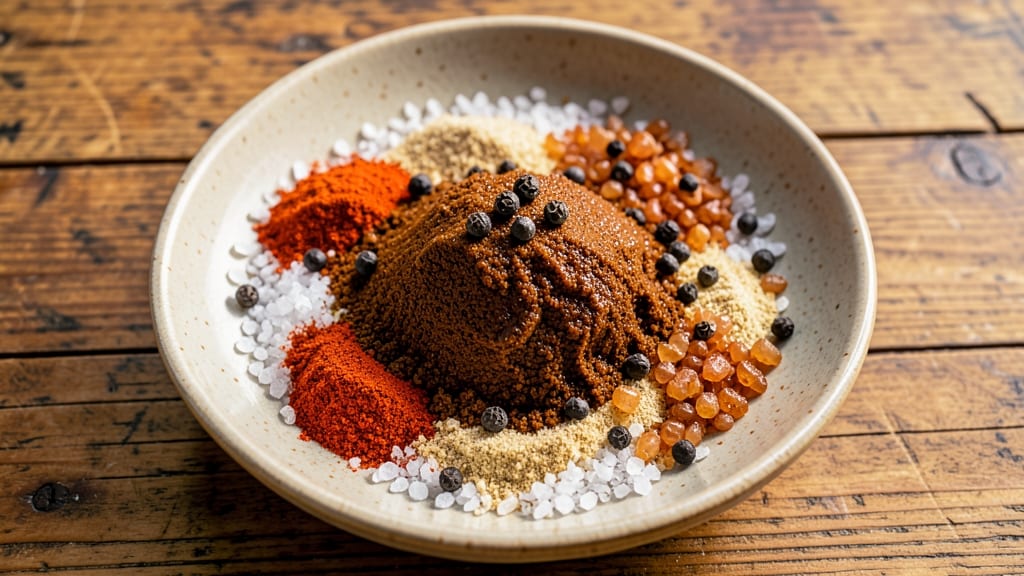
A standing rib roast deserves a dry rub that transforms its surface into a deep, smoky crust while keeping the meat tender inside. This blend uses pantry staples to create a balanced flavor profile—sweet, smoky, and savory—that locks in moisture and develops complexity over time.
The key is applying it generously 1–2 days before cooking, allowing the spices to penetrate and form that coveted bark.
The foundation of this rub is coarse kosher salt, which enhances flavor and helps create the crust, paired with black pepper for heat. Smoked paprika adds depth without overpowering, while brown sugar caramelizes into a glossy, flavorful glaze.
Garlic powder and onion powder build aromatic layers, and a touch of cayenne ensures a subtle kick. Every spice plays a precise role in delivering professional-level results.
What sets this rub apart is its versatility—it works for both oven-roasted and smoked standing rib roasts, and the flavors deepen the longer it sits on the meat.
The blend keeps well in an airtight container for up to 6 months, making it a cost-effective way to elevate your roasts. Once applied, the spices transform a simple cut into a showstopping centerpiece with minimal effort.
For best results, apply the rub evenly and let it sit uncovered in the refrigerator for 24 hours before cooking. This allows the spices to meld and the sugar to begin caramelizing, ensuring a perfectly balanced crust every time.
Store leftovers in the freezer for future use—this rub is worth making in bulk.
Ingredients for standing rib roast rub
Nine simple spices transform a rib roast into a smoky masterpiece.
| Ingredient | Amount | Notes |
|---|---|---|
| Coarse Kosher Salt 🧂 | 4 tbsp | Diamond Crystal preferred for flaky texture |
| Smoked Paprika 🌶️ | 2 tbsp | High-quality for authentic smokiness |
| Light Brown Sugar 🍚 | 2 tbsp | Turbinado preferred for caramelization |
| Garlic Powder 🧄 | 1 ½ tbsp | Freshly ground for maximum flavor |
| Onion Powder 🧅 | 1 ½ tbsp | Finely ground for even distribution |
| Black Pepper 🌶️ | 1 tbsp | Freshly cracked for robust heat |
| Cayenne Pepper 🔥 | ½ tsp | Adjust for desired heat level |
| Ground Mustard 🌿 | ½ tsp | Dry, finely ground for subtle tang |
| Ground Coriander 🌿 | ½ tsp | Freshly ground for citrusy brightness |
The kosher salt is non-negotiable—Diamond Crystal creates that perfect crust, while table salt can feel gritty. For smoked paprika, Penzeys or bulk bins at natural markets deliver the deepest flavor. Brown sugar should be light and turbinado to caramelize beautifully without clumping. I always double-check expiration dates on spices, especially ground ones—they lose punch fast. The mustard and coriander might seem minor, but they add complexity that separates this from basic rubs.
No smoked paprika? Substitute half with regular paprika plus a pinch of liquid smoke. Cayenne too spicy? Swap for half the amount of red pepper flakes. Freshly ground spices make all the difference—if you've got whole spices, toast them first in a dry pan for 30 seconds to wake up their flavors. The blend works beautifully for both oven-roasted and smoked roasts, so adjust cooking time accordingly. For a sweeter bark, add an extra half tablespoon of brown sugar.
Store in an airtight container away from light for up to 6 months. The spices intensify when mixed with meat—apply generously 1-2 days before cooking and refrigerate uncovered. For extra convenience, portion into small jars. This rub transforms even a basic roast into a restaurant-worthy centerpiece with minimal effort.
Why You'll Love This Recipe
- I use this for everything: a quick weeknight dinner when I’m exhausted, a showstopper for guests, or even sliced thin for sandwiches the next day. The rub works whether you sear it first or skip straight to the oven—no rules, just results.
- No-Fuss Prep: I swear by this rub—just mix, coat, and let the oven do the work. No fancy techniques, no last-minute stress. The coarse salt clings like magic, and the sugar caramelizes without me having to babysit it.
- Smoky-Sweet Magic: That smoked paprika? It’s the star—deep, warm, and just a little earthy. The brown sugar gives it this addictive caramel crust, while the garlic and onion powders sneak in layers of cozy flavor without overpowering. (Yes, even my picky husband licks the plate.)
- Weeknight or Weekend: I use this for everything: a quick weeknight dinner when I’m exhausted, a showstopper for guests, or even sliced thin for sandwiches the next day. The rub works whether you sear it first or skip straight to the oven—no rules, just results.
Instructions for crafting a standing rib roast rub
This simple blend delivers restaurant-quality depth with just a few pantry staples.
Combine the Dry Ingredients
In a medium bowl, whisk together the 4 tablespoons coarse kosher salt and 2 tablespoons smoked paprika until fully blended. The salt should be evenly distributed through the paprika, creating a uniform base for the rub. I always use a whisk for this step—it prevents clumping and ensures every particle gets coated.
Next, add the 2 tablespoons light brown sugar and mix thoroughly. The sugar will start to dissolve slightly, creating a fine, sandy texture. This is where the magic begins—the sugar will caramelize during cooking, giving your roast that coveted dark crust. Don't worry if it looks dry; the sugar will activate when heat is applied.
Incorporate the Aromatics
Add the 1.5 tablespoons garlic powder and 1.5 tablespoons onion powder to the bowl. These two ingredients form the flavor foundation of the rub, providing that savory depth that makes this blend so versatile. Mix well to ensure even distribution—you want every grain of salt and sugar to carry these aromatic compounds.
Here's where it gets interesting: sprinkle in the 1 tablespoon black pepper, 0.5 teaspoon cayenne pepper, 0.5 teaspoon ground mustard, and 0.5 teaspoon ground coriander. The mustard adds subtle tang, while the coriander brings a bright citrus note that balances the richness. The cayenne introduces just enough heat to make this rub memorable without overpowering.
Mix Until Uniform
Use your hands to thoroughly combine all ingredients. I like to scoop up the mixture and press it through my fingers, breaking up any remaining clumps. This tactile approach ensures the coarse salt crystals are evenly coated with the finer spices. You're looking for a texture that's fine but not powdery—think of it as a wet sand consistency where every grain carries flavor.
Taste the rub before proceeding. It should be salty, slightly sweet, with underlying notes of smoke, garlic, and a hint of heat. Adjust the cayenne if you want more or less heat—this is your opportunity to customize the blend to your preference. Once satisfied, transfer the mixture to an airtight container for storage.
Apply to Your Standing Rib Roast
Pat the rib roast dry with paper towels—this is crucial for developing that perfect crust. Generously coat all sides of the roast with the rub, pressing it into the meat so it adheres well. Pay special attention to the bone side and any crevices where the rub might collect. I like to work in layers: apply the rub, let it sit for 30 minutes, then reapply before cooking.
For best results, let the seasoned roast rest at room temperature for 1 hour before cooking. This allows the rub to penetrate the meat slightly and the spices to develop their full aroma. When you're ready to cook, the rub will transform into a beautiful, dark crust that's both flavorful and texturally satisfying.
Pro Tips For Making Standing Rib Roast Rub
- PAT THE RUB HARD: Don’t just sprinkle and call it good—press that rub into every crevice of the roast with your palm. The sugar and spices need to stick, especially on a standing rib roast where the bone gaps can hide dry spots. I used to skip this, and half the flavor would just fall off in the pan.
- SALT THE NIGHT BEFORE: Apply the rub at least 4 hours ahead (overnight is even better). The salt breaks down the meat fibers and lets the sugar caramelize properly. I learned this the hard way—rushing it means a sticky, uneven crust instead of that perfect golden-brown bark.
- SKIP THE OVERCROWDING: If you’re searing, don’t pile the roast in the pan. Work in batches if needed—crowding steams the meat instead of browning it. A hot, empty pan is your friend here; you want that sugar to crisp, not melt into syrup.
- USE A MEAT THERMOMETER: Standing rib roasts are forgiving, but don’t guess at doneness. Pull it at 125°F for medium-rare (it’ll rest to 130°F). I’ve seen people cut into roasts at 140°F and wonder why they’re dry—this cut needs patience.
Make-ahead tips for this standing rib roast rub
Prep Ahead Strategy
Make the rub up to 3 days in advance and store it in an airtight container. The flavors meld beautifully over time, intensifying as the spices interact. I like to portion it into small jars so I can grab just what I need without measuring each time.
This saves precious time on cooking day when you're already busy with other prep. 💡
Meat Prep Timeline
Apply the rub to your standing rib roast 2 days before cooking and refrigerate uncovered. This extended dry-brining period creates a deeper flavor penetration and allows the sugar to begin caramelizing.
I place the roast on a wire rack over a tray to catch any excess moisture—this prevents soggy bark. The longer it rests, the more complex the crust becomes.
Freezer-Friendly Rub
Portion the rub into 1-ounce portions in small, resealable bags or containers. These freeze beautifully for up to 6 months without losing potency. When you're ready to use, simply thaw in the refrigerator overnight.
I keep a stash in my freezer specifically for holiday roasts when I know I'll be busy. The frozen rub works just as well as fresh—just make sure to let it come to room temperature before applying.
Roast Pre-Cook Prep
Take the seasoned roast out of the refrigerator 1 hour before cooking to bring it to room temperature. This ensures even cooking and helps the rub form a consistent crust.
I like to place it on a bed of crushed ice for the first 15 minutes to remove any remaining surface moisture—this creates the perfect foundation for that dark, flavorful bark. 🔥
Leftovers Plan
If you have extra seasoned roast after your main cut, slice it thinly and use it for sandwiches, tacos, or a quick hash. The rub's flavors actually improve after cooking, making it perfect for repurposing.
I store cooked leftovers in the refrigerator for up to 4 days or freeze them for 3 months. The crust remains intact and adds incredible flavor to any dish.
Equipment Shortcuts
No food processor? No problem. A mortar and pestle works perfectly for crushing the spices and creating a uniform texture. For large batches, I use a spice grinder to break down whole spices into finer particles before mixing.
The key is ensuring all ingredients are evenly distributed—this is where the whisk or your hands become your best tools. A fine-mesh sieve helps remove any large salt crystals if you prefer a smoother texture. ✨
Nutrition facts
Frequently asked questions
How long should I let the rub sit on the meat before cooking?
For best results, apply the rub 1-2 days before cooking and refrigerate uncovered. This dry-brining period allows the spices to penetrate deeply and the sugar to begin caramelizing, creating a more complex flavor profile. The longer it rests, the better the crust will develop when cooked.
Can I adjust the heat level in this rub?
The recipe includes 0.5 teaspoon cayenne pepper for a subtle kick. For milder heat, reduce to 0.25 teaspoon or swap for 0.5 teaspoon red pepper flakes. If you prefer more heat, increase the cayenne to 1 teaspoon—just remember to taste and adjust before applying to your roast.
What’s the best way to store extra rub?
Store in an airtight container away from light for up to 6 months. For convenience, portion into small jars or freezer bags. The rub freezes beautifully for 6 months—just thaw overnight in the refrigerator before use. Keep it in a cool, dark place to preserve freshness and potency.
Does this rub work for other meats besides rib roast?
Yes! This versatile blend works well on pork shoulder, brisket, or even chicken thighs. The salt and sugar help create a crust, while the spices add depth. For poultry, reduce the cayenne to 0.25 teaspoon to avoid overpowering the delicate meat. The key is applying it generously and letting it rest before cooking.
Why does my crust turn out uneven or too light?
Uneven crusts often happen from excess moisture or inconsistent rub application. Always pat the meat dry before seasoning, and press the rub firmly into the surface. For a darker crust, increase the brown sugar to 2.5 tablespoons and sear the roast at high heat for 5-10 minutes before finishing in the oven.