
Side Dishes
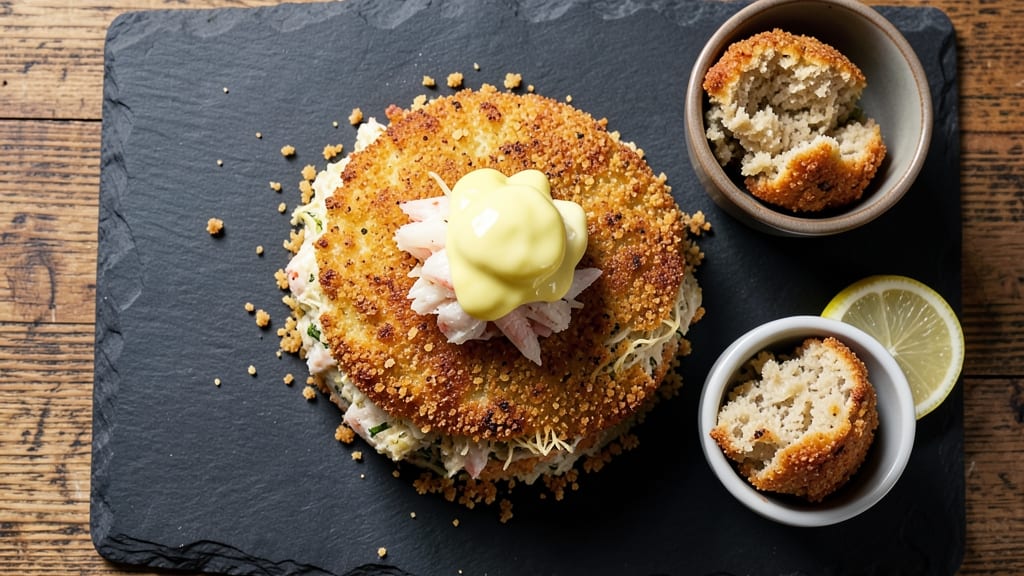
This stove top stuffing crab cake recipe transforms classic comfort flavors into crispy, golden bites that deliver restaurant-quality results at home. The secret lies in blending tender crab meat with herb-infused stuffing mix and a precise binding technique that creates a texture both sturdy and delightfully tender.
I developed this method after years of experimenting with seafood dishes, and it never fails to impress—even the most skeptical crab lovers. The stove-top cooking method ensures perfect doneness every time, with a crisp exterior that gives way to a flavorful, moist interior packed with savory stuffing and sweet crab.
The foundation of these crab cakes is the perfect balance between the rich, herby notes of the stuffing and the delicate sweetness of fresh crab meat. Using a combination of breadcrumbs and a light binder creates that signature crispy exterior while maintaining a tender, juicy center.
This recipe requires just 30 minutes of active prep time and delivers results that taste like they came from a high-end seafood restaurant. The stove-top method means no deep-frying mess, just simple, clean cooking that yields perfectly golden, evenly cooked crab cakes every time.
What makes these crab cakes truly special is how they combine two beloved flavors—stuffing and crab—into one irresistible bite. The herb-infused stuffing mix adds depth and complexity, while the crab provides that sweet, briny flavor we all love.
When you take that first bite, you'll experience a perfect harmony of textures and tastes: the satisfying crunch of the exterior, the tender bite of the crab, and the comforting familiarity of stuffing in every mouthful.
These crab cakes are perfect for serving as an appetizer, main course, or even as a star side dish at your next gathering.
Whether you're hosting a dinner party or simply craving a delicious seafood treat, this stove top stuffing crab cake recipe is designed to impress. The method is straightforward, the ingredients are accessible, and the results are consistently outstanding.
Let's get started on creating these herb-infused, crispy bites that will have everyone asking for seconds—and maybe even the recipe.
Ingredients for stove top stuffing crab cake
Crab lovers, gather these 13 ingredients for restaurant-quality crab cakes with crispy exteriors and tender, herby centers.
| Ingredient | Amount | Notes |
|---|---|---|
| Fresh Lump Crab Meat 🦀 | 1 ½ lbs | Backfin preferred for texture |
| Herb-Infused Stuffing Mix 🍞 | 1 ½ cups | Store-bought or homemade |
| Panko Breadcrumbs 🍞 | ½ cup | Light and crispy texture |
| Large Eggs 🥚 | 2 whole | Room temperature for binding |
| Mayonnaise 🥛 | ¼ cup | Full-fat for best binding |
| Fresh Lemon Juice 🍋 | 2 tbsp | Brightens crab flavor |
| Fresh Chives 🌿 | ¼ cup | Finely chopped for freshness |
| Fresh Parsley 🌿 | ¼ cup | Finely chopped for color |
| Salt 🧂 | 1 ½ tsp | Kosher or sea salt |
| Ground Black Pepper 🌶️ | ½ tsp | Freshly ground for flavor |
| Extra-Virgin Olive Oil 🫒 | ¼ cup | For crispy exterior |
| Unsalted Butter 🧈 | 2 tbsp | For stove-top cooking |
| All-Purpose Flour 🌾 | 2 tbsp | For dredging |
The crab meat is everything here—lump crab (not imitation) gives that luxurious texture. Costco or Whole Foods carry the best backfin crab meat, but don't stress if you find it elsewhere. Look for bright white color and minimal shell pieces. The herb-infused stuffing mix? Stove Top brand works perfectly—just check the label for no added preservatives. Fresh herbs make a difference, so grab a bunch of chives and parsley. If you're using dried herbs, double the amount but fresh is always better. The mayonnaise is your secret binder—full-fat is non-negotiable for that perfect texture.
No lump crab? Clarified crab meat works in a pinch, but you'll lose some texture. Short on herbs? Dried thyme or sage at half the amount gets you close. The panko breadcrumbs are key for that crispy exterior—Japanese panko is best, but regular breadcrumbs work if that's what you've got. For the olive oil, look for a fruity, extra-virgin variety—it makes all the difference in the crisp. And if you're worried about the crab cakes falling apart, the mayonnaise and egg combo is your best friend—it binds beautifully without making them dense.
These crab cakes are best made fresh, but you can prep the mixture ahead and refrigerate it for up to 8 hours. The moment before cooking, shape them gently—don't overwork the mixture. They'll keep in the fridge for 1 day after cooking, but honestly, they're best served immediately. For extra crisp, toast the panko in the butter for 30 seconds before pressing it into the cakes. And trust me, leftovers reheat beautifully—just a quick pan sear brings back that crispy magic.
Why You'll Love This Recipe
- No-Fuss Assembly: I swear, these come together faster than ordering takeout. Just mix the lump crab with the stuffing cubes, bind it with mayo and egg, then press into the pan—no rolling, no shaping, no stress. My hands stay clean while the flavor builds.
- Crispy-Creamy Magic: That first bite? The panko crust crackles while the inside stays tender—like a hug for your taste buds. The herb stuffing adds depth, and the mayo keeps it juicy without being soggy. Honestly, it’s the kind of balance that makes you pause mid-bite.
- Weeknight to Party Hero: Same recipe, different vibes. Toss a batch together for a lazy Tuesday dinner or impress guests at a summer picnic. The crab makes it feel special, but the simplicity means I’m not stuck in the kitchen when I’d rather be outside.
- Leftovers That Don’t Suffer: Most fried crab cakes turn dry overnight, but these? Still solid the next day. I’ll reheat slices in the air fryer or pop them straight into a sandwich—no one ever complains. (Yes, even on a Tuesday.)
Step-by-step instructions for stove top stuffing crab cakes
Here's how to create golden, crispy crab cakes with a secret binding trick that holds them together perfectly.
Combine Wet Ingredients for the Perfect Binding Base
In a large mixing bowl, gently fold together the 1.5 lbs fresh lump crab meat, 0.25 cup mayonnaise, and 2 tbsp fresh lemon juice using a rubber spatula. The mayonnaise acts as a binder while the lemon juice brightens the crab flavor—don't skip this step, as it prevents the crab cakes from falling apart during cooking. I like to use my hands for this part to ensure everything is evenly distributed, especially when handling the delicate crab meat.
Next, add the 1.5 cups herb-infused stuffing mix and 0.5 cup panko breadcrumbs to the bowl. Mix gently until just combined—overmixing can make the crab cakes dense. The panko adds that perfect crispy texture we're after, while the stuffing mix provides a savory, herby backbone. If your stuffing mix is dry, add 1 tbsp extra-virgin olive oil to help bind everything together.
Incorporate Eggs and Seasonings for Structure
Crack the 2 whole large eggs directly into the bowl and mix thoroughly until the eggs are fully incorporated. The eggs provide additional binding power and help create a light, airy texture. At this point, add the 1.5 tsp salt and 0.5 tsp ground black pepper, distributing them evenly throughout the mixture. Taste the mixture—it should be seasoned but not overly salty, as the crab itself carries a lot of flavor.
Now, fold in the 0.25 cup finely chopped fresh chives and 0.25 cup finely chopped fresh parsley. These herbs add freshness and color, but more importantly, they help keep the crab cakes moist during cooking. Be careful not to overmix—just combine until the herbs are evenly distributed. The mixture should hold together when pressed gently but still feel slightly crumbly, which is exactly what we want.
Chill the Mixture for Firm Crab Cakes
Cover the mixing bowl with plastic wrap and refrigerate for at least 30 minutes, or up to 2 hours if you have time. Chilling is crucial—it firms up the mixture, making it easier to handle and preventing the crab cakes from spreading too much when they hit the hot pan. This step also allows the flavors to meld together, resulting in a more cohesive and delicious final product.
While the mixture chills, prepare your serving platter and gather your cooking tools. I like to use a 6-inch skillet for this recipe, as it gives the crab cakes enough room to cook without overcrowding. The skillet should be large enough to hold 4 crab cakes comfortably, with about 1 inch of space between each one for even browning.
Form and Dredge the Crab Cakes
Once the mixture is chilled, remove it from the refrigerator and let it sit at room temperature for 5 minutes to make it easier to handle. Using a lightly oiled measuring cup or ½-cup scoop, portion out the mixture and gently shape it into 4 equal-sized patties, about ¾-inch thick. Press down firmly but not too hard—you want them to hold their shape but still feel slightly soft in the center. If the mixture feels too sticky, wet your hands slightly with cold water to prevent sticking.
In a shallow bowl, combine the 2 tbsp all-purpose flour with an additional 0.5 tsp salt and 0.25 tsp black pepper. Lightly dredge each crab cake in the flour mixture, pressing gently to adhere. This creates a crispy, golden crust that seals in all those delicious flavors. Place the dredged crab cakes on a plate and set aside until ready to cook. Don't skip this step—it's what gives these crab cakes that irresistible crunch.
Cook to Golden Perfection on the Stovetop
Heat 2 tbsp unsalted butter and 2 tbsp extra-virgin olive oil in a large skillet over medium heat until the butter foams and the oil shimmers—this should take about 2-3 minutes. The combination of butter and oil gives you the best of both worlds: butter for flavor and oil for heat distribution. Add the crab cakes to the skillet and cook undisturbed for 3-4 minutes per side, until they develop a deep golden brown color and are crispy on the outside.
Here's the secret to getting them perfectly crispy: resist the urge to press down on the crab cakes while they cook. This can cause them to lose their shape and become dense. Instead, let them cook on their own, flipping only once when the edges are golden brown and the bottom releases easily from the pan. The internal temperature should reach 145°F when measured with an instant-read thermometer—this ensures the crab is fully cooked but still tender.
Once cooked, transfer the crab cakes to a wire rack and let them rest for 2-3 minutes before serving. This resting period allows any residual juices to redistribute, keeping the crab cakes moist and flavorful. Serve immediately with your favorite dipping sauce, such as tartar sauce or a simple lemon aioli, and enjoy these crispy, herb-infused bites while they're still hot and golden.
Pro Tips For Making Stove Top Stuffing Crab Cake
- Chill the Mix: DESCRIPTION: Stuffing crab cakes need a cold start—literally. Pop the assembled mixture in the fridge for at least 30 minutes before cooking. I used to skip this, and the cakes would either fall apart or turn greasy. Cold ingredients bind better, and the texture stays crisp without falling into the pan.
- Drain That Crab: DESCRIPTION: Fresh lump crab meat is wet—like, dripping wet. After picking out shells and veins, drain it in a fine-mesh sieve for 5 minutes, then pat it dry with paper towels. Wet crab makes the cakes soggy; dry crab gets that perfect golden crust. (Yes, it’s tedious, but trust me.)
- Medium-High Heat Only: DESCRIPTION: Crank the stove to medium-high and leave it there. Too low, and the outside burns before the inside cooks; too high, and you end up with a sad, flat pancake. A cast-iron skillet helps here—it retains heat better than nonstick, so you don’t have to babysit it.
- Press Hard, Flip Once: DESCRIPTION: When forming the cakes, press the mixture firmly into the pan—no half-hearted patting. Use a spatula to flatten them to about ½-inch thick. Flip only once, when the edges are golden and the bottom releases easily. Flipping too soon = crumbly disaster. (I learned this after making a mess of my first batch.)
Common mistakes when making this dish
Overmixing the Mixture
This is the #1 mistake that turns crispy crab cakes into dense, flavorless patties. When you overmix the crab meat with the stuffing and binder, you incorporate too much air—which means more gluten development from the eggs and breadcrumbs.
The result? A tough, rubbery texture instead of that perfect tender-crisp combination. I see this happen most when people use electric mixers or stir too vigorously with a spoon. Instead, use your hands or a rubber spatula and mix just until combined—about 10-12 gentle folds is all you need.
The mixture should hold together when pressed but still feel slightly crumbly. 🥣
Skipping the Chill Step
Rushing to cook without chilling the mixture is a recipe for disaster—literally. The stuffing mix and breadcrumbs need time to absorb the liquid from the crab and eggs, which creates a proper binding structure.
Without chilling, your crab cakes will spread excessively in the pan, losing their shape and creating uneven cooking. I've seen crab cakes go from beautiful patties to pancake-like discs when this step is skipped.
Always chill for at least 30 minutes—up to 2 hours is even better if you have time. Pro tip: Place the bowl on a tray before chilling to catch any potential drips.
Using the Wrong Crab Meat
Not all crab meat is created equal, and using the wrong type can ruin your crab cakes. I've made this mistake myself—using imitation crab (surimi) instead of real lump crab.
The texture is completely different: imitation crab lacks the natural moisture and delicate flakes of real crab, leading to dry, crumbly crab cakes. Always use fresh lump crab meat (backfin preferred) for that luxurious texture.
If you must use canned crab, look for clarified crab meat with minimal additives, but know it won't be as tender. The price difference is worth it for that restaurant-quality bite. 🦀
Overcrowding the Pan
This is a classic pan-frying mistake that leads to soggy, unevenly cooked crab cakes. When you crowd the pan, the crab cakes steam instead of crisp up, and they compete for heat, cooking at different rates. The result? Pale, greasy crab cakes that lack that beautiful golden crust.
Always leave at least 1 inch of space between each crab cake in a 6-inch skillet. If you're making a larger batch, cook them in two batches rather than risking overcrowding. I promise, the extra 2-3 minutes of waiting is worth the crispy perfection on the other side. 🔥
Pressing Down While Cooking
I see this all the time—people pressing down on crab cakes with spatulas while they cook, thinking it will help them brown faster. But this actually flattens the crab cakes, pushes out moisture, and creates a dense interior. The key is patience.
Let the crab cakes cook undisturbed for 3-4 minutes per side—the butter and oil will create a self-basting effect that gives you that crispy crust without any help from you. If they're not releasing easily from the pan, they're not ready to flip yet.
Trust the process and resist the urge to interfere! 🍳
Skipping the Resting Period
This final step is often overlooked, but it's crucial for maintaining moisture and texture. When you cut into crab cakes immediately after cooking, all the juices rush out, leaving you with dry, crumbly results.
That 2-3 minute rest on a wire rack allows the internal juices to redistribute, keeping your crab cakes tender and flavorful. I know it's tempting to serve them right away, but this simple step makes all the difference.
Serve them on a warm plate with your favorite sauce, and you'll see why it's worth the wait. ✨
Nutrition facts
Frequently asked questions
Can I make these crab cakes without fresh lump crab meat?
You can use clarified crab meat in a pinch, but the texture won't be as luxurious. For best results, stick with fresh lump crab (backfin preferred). If you must substitute, look for high-quality canned crab with minimal additives, but expect slightly less tender results. The flavor will still be delicious, just with a different texture profile.
How do I prevent my crab cakes from falling apart when cooking?
The key is proper binding and gentle handling. Use the full-fat mayonnaise and egg combo as directed, and never overmix the batter. Chill the mixture for at least 30 minutes before shaping, and form the cakes gently without pressing too hard. The flour dredge also helps create a sturdy exterior. If they still seem fragile, add 1 extra tablespoon of breadcrumbs to the mixture.
Can I bake these crab cakes instead of pan-frying?
Preheat your oven to 400°F and bake the shaped crab cakes on a parchment-lined tray for 12-15 minutes until golden and crispy. For extra crunch, broil for 1-2 minutes at the end. Baking works well for larger batches since it eliminates overcrowding concerns. Just watch them closely—they cook faster than pan-fried versions.
What's the best way to store and reheat leftovers?
Store cooked crab cakes in an airtight container in the fridge for up to 3 days. To reheat, pan-fry in 1/4 inch of butter or oil over medium heat for 2-3 minutes per side until crispy again. For microwave reheating, cover with a damp paper towel and heat for 20-30 seconds, but expect slightly less crispiness. Always reheat gently to maintain texture.
Can I make these crab cakes ahead of time?
Yes! Prepare the mixture up to 24 hours ahead and refrigerate. Shape the cakes 4 hours before cooking and keep them refrigerated (covered) until ready to cook. For best results, cook them fresh, but they'll keep in the fridge for 1 day after cooking. The flavors actually improve slightly after resting overnight.