
Sauces & Condiments
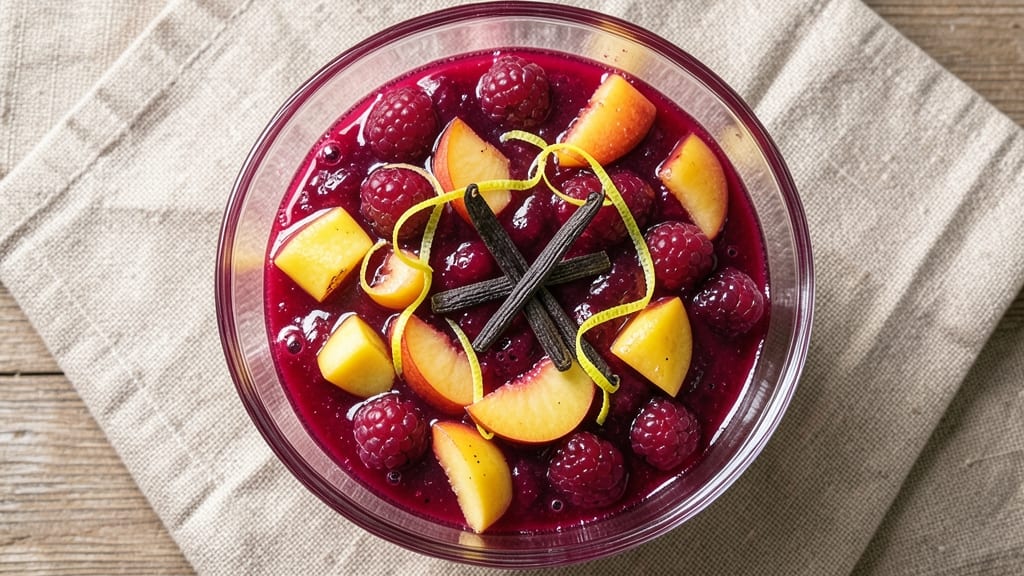
This sugar-free freezer jam recipe with pectin delivers vibrant, fruit-forward preserves that stay fresh for a full year—no sugar crash, no artificial sweeteners, just pure fruit flavor locked in your freezer.
The secret lies in using high-quality pectin to create a stable, spreadable texture while preserving the natural sweetness of the fruit. I developed this method after years of experimenting with freezer jams, and it never fails to produce jam that tastes homemade yet lasts months without refrigeration.
The process is simpler than you might think, requiring just three core components: your choice of fruit, pectin, and lemon juice for brightness. We'll cook the fruit until it breaks down naturally, then add pectin to create that perfect jam-like consistency without added sugar.
This method works equally well with berries, stone fruits, or even tropical blends, making it incredibly versatile for your pantry needs.
What you'll end up with is a batch of jam that's rich in natural fruit flavor, perfectly spreadable, and free from the sugar overload found in store-bought versions.
The pectin ensures it maintains its texture even after months in the freezer, while the lemon juice adds that bright tang that makes every jar taste fresh. Perfect for spreading on toast, dolloping into yogurt, or using as a glaze for meats.
Once you've mastered this technique, you can experiment with different fruit combinations or even make multiple batches for gifting. The best part? No need for water bath canning—just freeze and enjoy whenever you're craving that homemade jam taste. Let's get started on creating preserves that will last all year.
Ingredients for sugar free freezer jam recipe with pectin
Eight simple ingredients transform into jam that tastes homemade yet lasts a year.
| Ingredient | Amount | Notes |
|---|---|---|
| Fresh Fruit (Berries, Stone Fruits, or Tropical Blends) 🍓 | 4 cups | Pitted, chopped, or mashed |
| High-Methoxyl Pectin 🍯 | ¼ cup | Powdered or liquid type |
| Lemon Juice 🍋 | ½ cup | Freshly squeezed, no pulp |
| Granulated Fruit Sweetener (Optional) 🍬 | ¼ cup | Like erythritol or monk fruit |
| Lemon Zest 🍋 | 1 tbsp | For extra brightness |
| Vanilla Extract 🌸 | 1 tsp | Pure vanilla for depth |
| Ground Cinnamon 🌿 | ½ tsp | Optional, for warmth |
| Water 💧 | ¼ cup | For pectin activation |
The fruit is your star—local farmers markets or organic sections at Whole Foods deliver the best flavor. Stone fruits like peaches or plums work beautifully, but don't be afraid to mix berries for complexity. Ball or Pomona's pectin are the gold standards here, giving you that perfect set without sugar. The lemon juice? Freshly squeezed from Meyer lemons adds a floral note, but regular lemons work too. If you're using tart fruits like raspberries, you might skip the optional sweetener entirely—they're naturally sweet enough.
No pectin on hand? Substitute with 1 tbsp of chia seeds or flaxseed meal—they'll thicken it naturally, though the texture won't be quite as stable. Swapping stone fruits for tropical blends? Add 1 tsp of ginger powder for warmth. The vanilla extract can be swapped for almond extract at half the amount, but I prefer vanilla's classic depth. If you're worried about tartness, add 1 tsp of honey or maple syrup instead of the optional sweetener—just don't call it sugar-free then! The cinnamon is totally optional, but it adds a cozy touch that pairs perfectly with apples or pears.
This jam freezes like a dream—just portion into ice cube trays or small jars before freezing. Thaw in the fridge overnight when you're ready to use. Lasts 12 months in the freezer, and honestly tastes better after a few weeks as the flavors meld. For gifting, freeze in small mason jars—they're perfect for holiday presents. Pro tip: Label everything with the fruit type and date—you'll forget what's in that mysterious jar after six months!
Why You'll Love This Recipe
- No-Cook Magic: I just toss in fruit, pectin, and lemon juice—no boiling, no fuss. The pectin does all the work while I sip coffee and pretend I’m not actually making jam.
- Bright & Balanced: That lemon zest? It’s the secret—cuts through sweetness while keeping it vibrant. Honestly, it tastes like summer in a jar, but without the sugar crash.
- Year-Round Fruit: Use peaches in July or mangoes in January—this jam lasts months in the freezer. I’ve got jars ready for toast, yogurt, or even savory dishes when the mood strikes.
- Sweetener Control: Skip the granulated sweetener if you like it tart, or add a little for balance. Either way, it’s cheaper than store-bought and way healthier—my diabetic aunt actually asks for seconds.
Step-by-step instructions for sugar-free freezer jam
Here's how to create vibrant, naturally sweetened preserves that stay fresh for a full year.
Prepare Your Fruit Base
In a large mixing bowl, combine the 4 cups fresh fruit (berries, stone fruits, or tropical blends) with the 0.5 cup lemon juice. I like to use a potato masher or fork for berries to break them down while preserving some texture—this creates that perfect jam consistency without over-processing. For stone fruits or tropical blends, chop them into small, even pieces so they cook uniformly.
Add the 1 tbsp lemon zest and 0.5 tsp ground cinnamon (if using) and mix thoroughly. The lemon zest adds incredible brightness that cuts through the fruit's natural sweetness, while the cinnamon provides warm depth. If you're using the optional 0.25 cup granulated fruit sweetener, sprinkle it over the mixture now and stir until completely dissolved—this ensures even distribution throughout the jam.
Activate the Pectin
In a separate small bowl, whisk together the 0.25 cup high-methoxyl pectin with the 0.25 cup water until completely dissolved. This is the secret to getting that perfect set—pectin needs to be fully hydrated to work its magic. I like to use a fork or small whisk for this step to ensure no clumps remain, which could affect your jam's texture.
Pour this pectin mixture into the fruit bowl and stir vigorously for 1-2 minutes until everything is well combined. You'll notice the mixture starts to thicken slightly as the pectin activates. This is your cue that everything is ready for the next step—don't rush this mixing, as thorough incorporation guarantees a smooth, gelled texture in your final jam.
Cook to Proper Gel Stage
Transfer the fruit mixture to a large saucepan and bring it to a full rolling boil over medium-high heat. Once boiling vigorously, maintain this heat for exactly 5 minutes, stirring constantly with a wooden spoon. This cooking time is critical—it allows the pectin to fully activate and develop that perfect gel structure without overcooking the fruit flavors.
After those 5 minutes, test for doneness by placing a small spoonful on a chilled plate. If it wrinkles slightly when pushed with your finger, your jam is ready. If it runs, return it to the heat for another 30-60 seconds and test again. The key here is patience—overcooking can make your jam too firm or develop a cooked fruit taste.
Finish and Freeze for Long-Term Storage
Remove the jam from heat and stir in the 1 tsp vanilla extract. Let it cool for 5 minutes while stirring occasionally—this helps distribute the vanilla flavor evenly. The mixture will thicken as it cools, so don't be concerned if it looks too thin right after removing from heat.
Pour the jam into clean, airtight freezer-safe containers, leaving about ½-inch headspace at the top. Seal tightly and label with the date and fruit type. Place in the freezer, where these jams will maintain their quality and vibrant color for up to 12 months. The texture will be slightly softer when thawed, but still delicious—perfect for toast, yogurt, or dessert toppings!
Pro Tips For Making Sugar Free Freezer Jam Recipe With Pectin
- Weigh Your Fruit: Skip eyeballing—use a kitchen scale for fruit. Berries vary wildly in density, and pectin ratios assume precision. I learned this the hard way with a batch of raspberry jam that turned into mush because I undermeasured by a cup.
- Prep Pectin Like Powder: Whisk the pectin into the lemon juice first—it dissolves better that way. Dumping it dry into the fruit means clumps, and clumps mean uneven set. Stir like you’re mixing batter, not just sprinkling.
- Boil Hard, Fast: Bring the mixture to a full rolling boil within 5 minutes—no simmering. Pectin needs that heat shock to activate. I used to hover at 200°F, and my jam never gelled right. Crank the heat and commit.
- Cool Before Freezing: Let the jam sit at room temp for 10 minutes after cooking—just until it’s no longer piping hot. Dumping it straight into jars risks cracking the glass from thermal shock. (Yes, I’ve seen it happen.)
Troubleshooting perfect results
Pectin Not Setting Properly
If your jam isn't thickening enough after cooking, you likely didn't reach the proper gel stage. First, ensure you're using high-methoxyl pectin (like Ball or Pomona's)—low-methoxyl types require extra acid or calcium for activation.
I've found that 5 minutes of vigorous boiling is critical for pectin activation, so don't rush this step. Also, make sure your fruit is properly prepped—overly dry fruits (like peaches) may need 1 extra tablespoon of lemon juice to help the pectin work. 🌡️
Jam Too Tart or Sour
When your fruit is naturally tart (like raspberries or cranberries), the lemon juice can make it overwhelming. To balance flavors, reduce the lemon juice to ¼ cup and add 1 teaspoon of honey or maple syrup (not sugar) for sweetness.
For stone fruits, try adding ½ teaspoon of ground ginger to complement their natural sweetness. Taste as you go—adjustments are easier before freezing.
Freezer Burn or Ice Crystals
Ice crystals form when air gets into your containers or the jam isn't sealed properly. Always leave ½-inch headspace and use airtight freezer-safe containers (like Ball mason jars or silicone molds).
For extra protection, press plastic wrap directly onto the jam's surface before sealing. If you notice freezer burn, simply scrape off the affected top layer—what's underneath will still be perfect. ❄️
Jam Too Thin After Thawing
Freezer jams naturally soften when thawed, but if yours is completely runny, you likely didn't cook it long enough. For future batches, extend the boiling time by 30 seconds and test for doneness more carefully.
If you're working with very high-moisture fruits (like peaches), simmer them uncovered for 5 minutes before adding pectin to reduce excess liquid. The texture will firm up as it cools.
Fruit Pieces Too Large
If your jam has uneven chunks, your fruit wasn't chopped finely enough. For berries, use a potato masher or food mill to break them down while keeping some texture. For stone fruits, cut them into ¼-inch pieces before cooking.
If you prefer a smoother texture, blend the cooked fruit briefly before adding pectin—just don't over-blend, or you'll lose that jam-like quality. 🍓
Mold or Off Flavors After Freezing
This usually happens when containers weren't sealed properly or the jam was contaminated before freezing. Always use clean, sterile containers and ensure they're completely sealed. If you notice mold, discard the entire batch—freezer jams should stay safe for 12 months if stored correctly.
For extra peace of mind, freeze in smaller portions so you're not risking an entire batch if something goes wrong.
Nutrition facts
Frequently asked questions
Can I use this recipe with frozen fruit instead of fresh?
Fresh fruit works best for vibrant flavor, but you can use thawed frozen fruit in a pinch. Drain excess liquid first and pat dry with a paper towel to prevent a watery jam. For berries, this method works well, but stone fruits may release more moisture—simmer them uncovered for 5 minutes before adding pectin to reduce liquid.
How do I adjust the recipe for low-carb or keto diets?
This recipe is already keto-friendly! Skip the optional sweetener entirely if your fruit is naturally sweet (like peaches or mango). For tart fruits (raspberries, cranberries), add 1 tsp of erythritol or monk fruit sweetener instead. The pectin and lemon juice keep carbs minimal while maintaining perfect texture. Always check sweetener labels for hidden sugars.
Can I make this jam without a pectin thermometer?
The plate test is foolproof: spoon a small amount onto a chilled plate and push it with your finger. If it wrinkles slightly, your jam is ready. If it runs, cook for another 30 seconds and test again. For extra accuracy, use a candy thermometer set to 220°F—this ensures proper pectin activation without overcooking.
What's the best way to thaw and reheat freezer jam?
Transfer your jam to the fridge and let it thaw overnight (8-12 hours). For quick use, place the sealed container in warm water for 10-15 minutes, stirring occasionally. Never microwave directly—it can create hot spots and ruin the texture. Once thawed, stir well and enjoy! The texture will be slightly softer but still spreadable.
Can I use this jam in baking instead of just spreading?
Yes! This jam works beautifully in recipes calling for fruit preserves. Use it as a glaze for roasted chicken or pork tenderloin, fold into cheesecake fillings, or swirl into yogurt-based desserts. For baking, reduce any added liquid in the recipe by ¼ cup since the jam contains moisture. The pectin helps it hold up well to heat.