
Sauces & Condiments
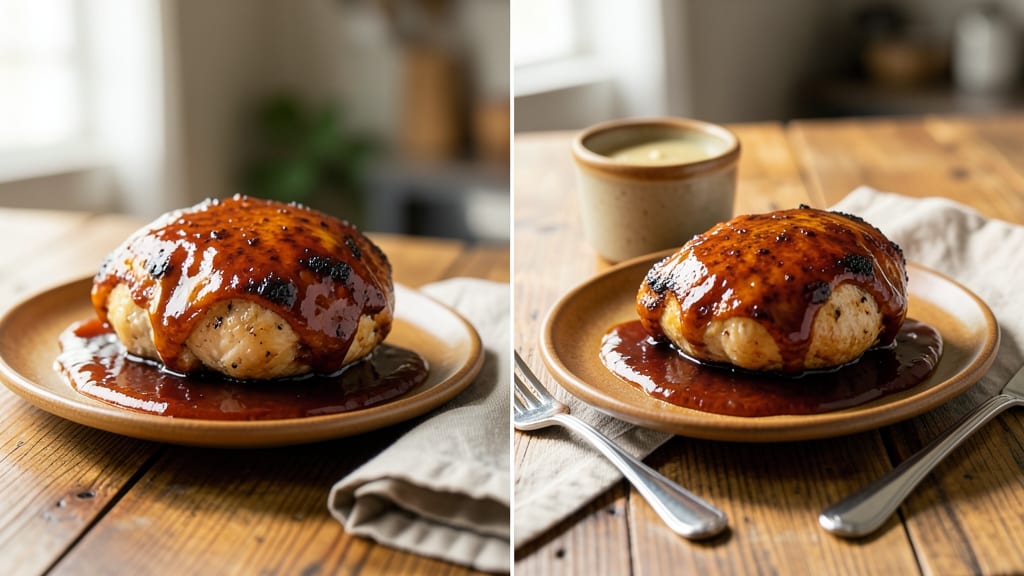
This sugar-free teriyaki marinade recipe transforms grilled meats into restaurant-quality dishes without the guilt of added sugar or gluten. This gluten-free, low-carb glaze uses coconut aminos and monk fruit to deliver the same bold, savory-sweet flavor while keeping carbs in check.
After perfecting this blend for clients with dietary restrictions, I can confidently say it rivals traditional teriyaki in depth and richness.
The secret lies in balancing umami-rich ingredients like mushrooms and garlic with the natural sweetness of monk fruit. This marinade works equally well for chicken, pork, or tofu, and its versatility extends beyond grilling—use it for stir-fries or as a glaze for baked dishes.
The recipe yields about 1.5 cups, perfect for multiple meals or meal prep.
What sets this apart is how it caramelizes beautifully on the grill, creating a glossy, sticky finish without burning. The ingredients are simple yet powerful: coconut aminos for saltiness, ginger for warmth, and a touch of apple cider vinegar for brightness.
No refined sugars here—just clean, flavorful ingredients that deliver satisfying results every time.
Store leftovers in the fridge for up to 2 weeks or freeze for 3 months, making this the ultimate pantry staple for flavorful, health-conscious cooking. Whether you're grilling, baking, or stir-frying, this marinade ensures your proteins stay juicy and packed with complex flavor—without the sugar crash.
Ingredients for sugar free teriyaki marinade
Clean ingredients delivering restaurant-quality depth without sugar or gluten—perfect for health-conscious grilling.
| Ingredient | Amount | Notes |
|---|---|---|
| Coconut Aminos 🥫 | ½ cup | Substitute for soy sauce in gluten-free recipes |
| Monk Fruit Sweetener 🍬 | 3 tbsp | Granulated, zero glycemic impact |
| Fresh Ginger Root 🌿 | 2 tbsp | Finely grated, aromatic and zesty |
| Garlic Cloves 🧄 | 4 cloves | Minced, for deep umami flavor |
| White Mushrooms 🍄 | ¼ cup | Finely chopped, for umami depth |
| Apple Cider Vinegar 🍎 | 2 tbsp | Raw, unfiltered for tanginess |
| Sesame Oil 🫒 | 1 tbsp | Toasted, for nutty aroma |
| Extra-Virgin Olive Oil 🫒 | 1 tbsp | Light, for smooth texture |
| Diamond Crystal Kosher Salt 🧂 | ½ tsp | Fine grain, for balanced seasoning |
| Ground Black Pepper 🌶️ | ¼ tsp | Freshly cracked, for subtle heat |
The coconut aminos is the cornerstone here—opt for Laotian brand if available, as it offers the most authentic umami profile without gluten. Monk fruit sweetener should be finely granulated (like Lakanto brand) to dissolve completely; avoid powdered varieties that clump. For ginger and garlic, fresh is non-negotiable—pre-minced jarred versions lack the aromatic complexity. White mushrooms from the gourmet section (like Shiitake or Oyster) elevate umami, but standard button mushrooms work in a pinch. Apple cider vinegar should be raw, unfiltered (like Bragg) for maximum tang and mineral content—pasteurized versions taste flat.
No coconut aminos? Tamari (certified gluten-free) works in a 1:1 ratio, though low-sodium soy sauce (like Kikkoman) can substitute at half the volume. Monk fruit unavailable? Erythritol or stevia blend (like Truvia) mimics sweetness, though texture may vary slightly. Sesame oil can be swapped for avocado oil if nutty notes are undesirable, though flavor will differ. Mushrooms can be omitted entirely if avoiding fungi, but tomato paste (1 tbsp) adds umami depth. For ginger, powdered works at half the amount, but fresh yields superior brightness. Garlic powder (1 tsp) lacks the pungency of fresh but functions in a bind.
This marinade caramelizes beautifully on the grill—preheat grill to 450°F for optimal browning. Store in an amber glass bottle (like Le Parfait) to preserve freshness; refrigerated, it lasts 2 weeks, while frozen portions retain potency for 3 months. For meal prep, portion into ice cube trays—thaw and use as needed. Reheat gently (microwave 20 seconds) to maintain viscosity; avoid boiling, which can degrade delicate flavors. Double the batch if grilling multiple proteins; the extra yields perfect stir-fry sauce.
Why You'll Love This Recipe
- Five-Ingredient Magic: I swear by this combo—just coconut aminos, monk fruit, ginger, garlic, and mushrooms. No measuring cups, no stress, just dump-and-stir while I chop veggies for the rest of dinner. The mushrooms soak up the marinade like sponges, turning into little flavor bombs.
- Umami Bomb: That first bite? Pure satisfaction. The coconut aminos give it that salty-sweet depth without the crash, while the ginger and garlic add a zing that lingers. Honestly, I’ve tried store-bought sugar-free versions, and this one actually tastes like teriyaki—not like someone forgot the sugar.
- Meal Prep MVP: Make a double batch and store it in the fridge. Toss it on chicken, tofu, or even roasted veggies all week—no reheating, just grab-and-go. I use half on Monday for stir-fry, the rest on Wednesday for sheet-pan salmon. Zero waste, maximum convenience.
- Budget-Friendly Flex: Mushrooms stretch this marinade further than anything else, and coconut aminos cost pennies compared to soy sauce. Between us, I’ve fed four people for under $10 using this—plus, the leftovers keep for weeks. Not the prettiest, but the taste makes up for it every time.
Step-by-step instructions for sugar-free teriyaki marinade
This method delivers a rich, umami-packed marinade that rivals traditional teriyaki while staying true to your dietary needs.
Prepare the Base Ingredients
In a medium saucepan, combine the 0.5 cup coconut aminos and 3 tbsp monk fruit sweetener over low heat. Stir continuously for 3-4 minutes until the sweetener fully dissolves and the mixture becomes smooth. You'll notice the coconut aminos develop a glossy sheen—this indicates proper incorporation.
Remove the pan from heat and let the mixture cool to room temperature. This prevents premature cooking when you add the fresh ingredients later. While cooling, finely grate the 2 tbsp fresh ginger root using a microplane or fine grater. The ginger should resemble wet sand in texture, releasing its aromatic oils for maximum flavor impact.
Build the Umami Foundation
Transfer the cooled coconut aminos mixture to a blender or food processor. Add the minced 4 cloves garlic, 0.25 cup finely chopped white mushrooms, 2 tbsp apple cider vinegar, 1 tbsp sesame oil, and 1 tbsp extra-virgin olive oil. The mushrooms will contribute deep umami notes while the vinegar adds essential tanginess to balance the sweetness.
Blend until completely smooth, scraping down the sides as needed. The resulting mixture should be velvety with no visible texture. Taste and adjust seasoning with 0.5 tsp diamond crystal kosher salt and 0.25 tsp ground black pepper. The marinade should be bold but not overpowering—this is your flavor baseline before marinating.
Simmer for Depth of Flavor
Return the blended marinade to the saucepan and bring to a gentle simmer over medium-low heat. Cook uncovered for 8-10 minutes, stirring occasionally, until the liquid reduces by about 20%. You'll notice the aroma intensify as the ingredients meld together—this is when the true teriyaki character emerges.
Remove from heat and let cool completely before using. The marinade should coat the back of a spoon with a thick, glossy consistency. If it's too thin after cooling, simmer an additional 2-3 minutes to achieve proper viscosity. Properly reduced marinade clings better to proteins and caramelizes beautifully during grilling.
Application and Storage
Use the cooled marinade immediately on grilled meats, baked tofu, or roasted vegetables. For best results, marinate proteins for at least 4 hours or overnight in the refrigerator. The acidity in the vinegar and coconut aminos will begin breaking down proteins, ensuring tender results.
Store any unused marinade in an airtight container in the refrigerator for up to 1 week. The flavors will continue developing over time, making it perfect for quick weeknight meals. When reheating, warm gently over low heat—never boil, as this can destroy the delicate balance of flavors you've carefully created.
Pro Tips For Making Sugar Free Teriyaki Marinade
- Grate, Don’t Mince Ginger: I learned this the hard way—minced ginger turns to mush in marinades and makes the sauce slimy. Use a box grater for fresh ginger instead; it keeps the texture fine but holds its shape, so your teriyaki stays bright and balanced. (Yes, even if you’re impatient like me.)
- Simmer Low and Slow: Monk fruit sweetener burns faster than you’d think. After adding it, drop the heat to a bare simmer—just enough to see tiny bubbles—and stir every 30 seconds. I’ve watched three batches turn bitter from rushing this step.
- Toast Mushrooms First: Skip the raw mushrooms in the marinade—sauté them in oil until golden before adding to the sauce. This concentrates their umami flavor and prevents a watery, bland teriyaki. (Your future self will notice the difference.)
- Measure Coconut Aminos Precisely: Coconut aminos is saltier than soy sauce, so eyeballing it ruins the balance. Use a kitchen scale or a measuring spoon—1 tablespoon per ½ cup liquid is a solid starting point. I used to overdo it, and the marinade tasted harsh.
Wine and beer pairings for this dish
Light Asian Beers
For your sugar-free teriyaki marinade, I recommend crisp, light Asian beers that won’t overpower the delicate balance of flavors. A Sapporo Classic or Asahi Super Dry provides a clean, slightly sweet profile that complements the umami richness without adding sugar.
The subtle maltiness in these beers enhances the caramelized notes when grilling, while their light body lets the marinade shine. 🍺
Dry Riesling
If you prefer wine, a dry Riesling from Germany or Austria is my go-to pairing. The bright acidity cuts through the marinade’s sweetness, while its citrus and mineral notes harmonize beautifully with the ginger and garlic.
Look for a Kabinett-level Riesling—it’s crisp enough to balance the umami depth without clashing. Chill it to 45°F for the best contrast with the warm, caramelized flavors of grilled meats.
Sake for Umami Harmony
For a more traditional pairing, dry junmai sake (like Dassai or Gekkeikan) elevates the teriyaki experience. The subtle umami and clean finish of sake mirror the marinade’s depth, creating a cohesive flavor profile.
Serve it slightly chilled (50-55°F) to enhance its aromatic qualities. This pairing works exceptionally well with grilled chicken or pork, where the sake’s earthiness complements the marinade’s caramelized crust.
Avoid These Pairings
Skip sweet or high-alcohol beverages—they’ll overwhelm the sugar-free marinade. Heavy reds like Cabernet Sauvignon or bold IPAs can clash with the delicate balance of ginger and vinegar.
Even fruity whites like Moscato or Gewürztraminer add unwanted sweetness. Stick to dry, crisp options that highlight the marinade’s natural complexity without competing for attention.
Nutrition facts
Frequently asked questions
Can I use this marinade on vegetables instead of meat?
This sugar-free teriyaki glaze works beautifully on roasted or grilled vegetables like broccoli, bell peppers, or Brussels sprouts. Just reduce the marinating time to 30-60 minutes to prevent over-softening. For extra flavor, toss them in a bit of sesame oil before applying the marinade.
How do I adjust the sweetness if monk fruit isn't available?
Use 1:1 erythritol or a stevia blend (like Truvia) for similar sweetness, though texture may vary slightly. For a more natural option, add 1 tbsp unsweetened applesauce or 1 tsp pure maple syrup (if avoiding sugar isn't strict). Always taste as you go!
Will this marinade work for stir-frying instead of grilling?
Yes! Use 2-3 tbsp of the marinade per stir-fry batch, adding it in the last 2 minutes of cooking. The reduced version clings perfectly to proteins and veggies, creating a glossy finish. For extra richness, simmer the marinade for 5 extra minutes before using.
What's the best way to store leftovers?
Transfer unused marinade to an amber glass bottle or airtight container. It keeps in the fridge for 1 week or frozen for 3 months. For easy use, freeze in ice cube trays—thaw and add to meals as needed. Always reheat gently to preserve flavor balance.
Can I make this spicier?
Add ½ tsp red pepper flakes or 1 tsp gochujang (Korean chili paste) for heat. For smoky depth, include ½ tsp smoked paprika. Adjust to taste—this marinade already has bold flavors, so start small and build gradually!