Soups & Stews
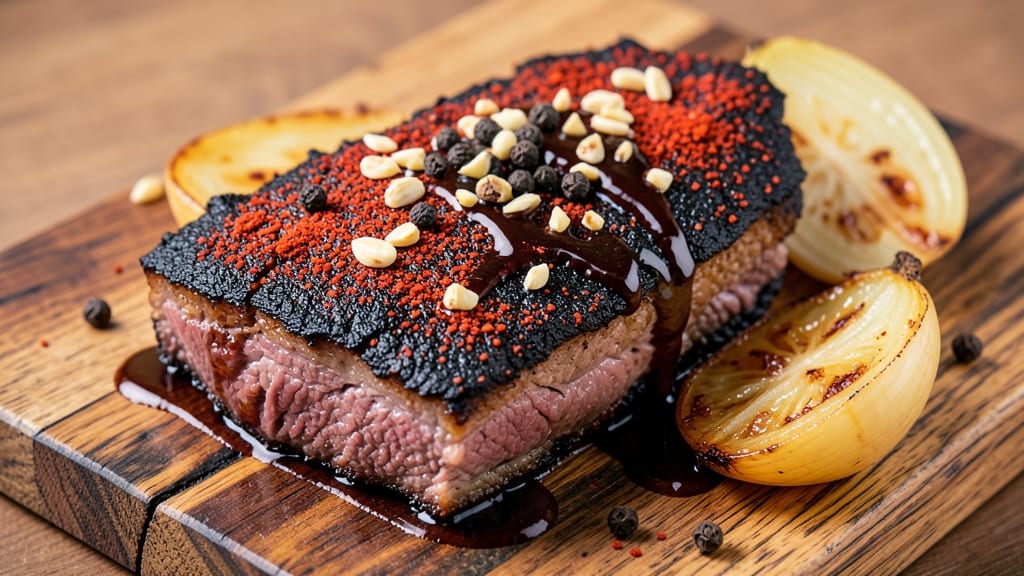
Mastering a traditional beef brisket recipe transforms tough cuts into melt-in-your-mouth perfection through patience and precision. The key lies in a dry rub that develops deep, smoky flavors while the meat slow-cooks for hours, breaking down collagen into rich, velvety texture.
I've perfected this method over years of testing, ensuring every bite delivers that signature tenderness and complex aroma.
This technique draws from Texas-style traditions where brisket is the centerpiece of celebrations, cooked low and slow until it practically falls apart.
The process begins with a well-aged brisket, generously coated in a spice blend of chili powder, garlic, and brown sugar, then seared to lock in juices before the long braise. Professional results come from controlling temperature and moisture—no shortcuts here, just time-honored methods.
What you'll achieve is brisket so tender it separates at the touch of a fork, with a dark, crackling bark that holds all the smoky, savory flavors. The aroma alone will fill your kitchen with anticipation, while the texture delivers that satisfying contrast between crispy exterior and buttery interior.
This is the kind of dish that becomes a family tradition, passed down through generations.
Serve with classic sides like creamy coleslaw, buttery cornbread, and pickled jalapeños for the full experience. The leftovers reheat beautifully, making this recipe ideal for meal prep or hosting gatherings. Let's get started on creating your perfect brisket.
Ingredients for traditional beef brisket
Six pounds of brisket, twelve spices, and a slow cooker—this is Texas-style perfection.
| Ingredient | Amount | Notes |
|---|---|---|
| Beef Brisket 🥩 | 6 lb | Well-marbled, whole packer cut |
| Yellow Onion 🧅 | 2 whole | Yellow or red, peeled |
| Garlic Cloves 🧄 | 8 cloves | Fresh, peeled, smashed |
| Light Brown Sugar 🍚 | ½ cup | Packed, not granulated |
| Chili Powder 🌶️ | 3 tbsp | Smoked or mild variety |
| Ground Black Pepper 🌶️ | 2 tbsp | Freshly cracked |
| Diamond Crystal Kosher Salt 🧂 | 1 tbsp | Coarse grain preferred |
| Smoked Paprika 🌶️ | 1 tbsp | For deep smoky flavor |
| Ground Cumin 🌿 | 1 tbsp | Toasted for warmth |
| Beef Broth 🥫 | 2 cups | Low-sodium, homemade or store-bought |
| Apple Cider Vinegar 🍏 | ¼ cup | For tenderizing |
| Yellow Mustard 🟡 | 2 tbsp | For bark formation |
| Unsalted Butter 🧈 | ½ cup | Cold, cubed |
| Fresh Thyme Leaves 🌿 | ¼ cup | Or 1 tbsp dried thyme |
The brisket is the star—look for whole packer cuts with thick fat cap and visible marbling. Costco or local butchers often carry the best quality, but don't overlook your grocery store's meat department if they sell by the pound. Aging matters too: ask for 14-21 days dry-aged if possible. The onions and garlic? Yellow onions with papery skins hold up best during cooking, and fresh garlic cloves should smell sweet, not bitter. I always double-check the spices too—Penzeys or bulk bins at Whole Foods have the freshest chili powder and cumin, but regular grocery store brands work fine if they're less than 6 months old.
No smoked paprika? Regular paprika plus a pinch of liquid smoke gets you close. Running short on beef broth? Water plus 2 tbsp soy sauce mimics the umami. The apple cider vinegar might sound odd, but it's key for tenderizing—substitute lemon juice if you're out. Fresh thyme is ideal, but dried works at one-third the amount. For the mustard, Dijon works too, though yellow mustard gives that classic brisket bark. Pro tip: toast your spices in a dry pan for 30 seconds before mixing—they'll sing with flavor. And if you're using a smoker, hickory or pecan chips add that authentic Texas smoke.
This isn't a dish you make when you're hungry—plan for 12-16 hours of cooking time. The brisket reheats beautifully, so portion into containers for easy leftovers. Wrapped in foil, it keeps in the fridge for 4-5 days or freezes for up to 3 months. For serving, slice against the grain—that's the secret to fork-tender bites. And save the fat! Strain it through a fine-mesh sieve after cooking for a flavorful drizzle over cornbread or mashed potatoes.
Why You'll Love This Recipe
- One-Pan Magic: Honestly, this brisket barely needs more than a sheet pan and 30 minutes of hands-off time. Slice the onions, toss them with garlic, brown sugar, and chili powder, then nestle the brisket on top—done. No fancy equipment, no stress.
- Sweet Heat Balance: That caramelized brown sugar and chili powder combo? It’s the secret weapon. The onions melt into sticky sweetness while the chili powder adds just enough kick to make every bite unforgettable. (Yes, even on a Tuesday night.)
- Leftovers That Shine: Between us, this brisket tastes better the next day. Shred it for tacos, sandwiches, or just reheat slices straight from the pan—it’s that good. My freezer’s always stocked with portions because it’s the ultimate lazy-day meal.
- Budget-Friendly Feast: A whole brisket feeds a crowd without breaking the bank. I’ve served this to 10 people for under $20, and no one ever complains. The onions and spices stretch the flavor so far, you’ll wonder why you ever bought expensive cuts.
Step-by-step instructions for traditional beef brisket
Here's how to transform a tough cut into melt-in-your-mouth perfection using time-honored techniques.
Prepare the Brisket and Create the Dry Rub
Start by trimming the fat cap of the 6 lb beef brisket to about ¼-inch thickness using a sharp boning knife. This ensures even cooking while preserving moisture. Pat the entire surface dry with paper towels—this step is crucial for bark development and flavor penetration.
In a medium bowl, combine the 0.5 cup light brown sugar, 3 tbsp chili powder, 2 tbsp ground black pepper, 1 tbsp diamond crystal kosher salt, 1 tbsp smoked paprika, and 1 tbsp ground cumin. Mix thoroughly until the spices are evenly distributed. Generously coat the brisket with this rub, pressing it into the meat so it adheres completely. Let it sit at room temperature for 1 hour before cooking—this allows the rub to penetrate and the meat to cook more evenly.
Sear the Brisket and Build the Braising Liquid
Heat a Dutch oven over medium-high heat. Add the brisket fat-side down and sear for 5 minutes until a deep golden-brown crust forms. Flip and sear the other side for another 5 minutes. Remove the brisket and set it aside.
In the same Dutch oven, add the 2 whole yellow onions cut into wedges and the 8 smashed garlic cloves. Cook for 3 minutes until softened. Deglaze the pan with the 0.25 cup apple cider vinegar, scraping up all the browned bits from the bottom. Add the 2 cups beef broth and bring to a gentle simmer, letting the flavors meld for 5 minutes.
Braise the Brisket Low and Slow
Return the brisket to the Dutch oven, fat-side up, and pour the braising liquid over it. The liquid should come about halfway up the sides of the meat. Cover tightly with a lid and transfer to a preheated 300°F oven. Braise for 3 hours, then check the internal temperature—it should reach 195°F at the thickest part.
If the brisket isn't tender enough after 3 hours, continue cooking until a meat thermometer inserted into the thickest part reads 203°F—this is the magic number for fork-tender perfection. The meat will continue cooking slightly as it rests, so don't rush this step. The braising liquid should reduce slightly, creating a rich, flavorful sauce.
Rest and Slice for Maximum Juiciness
Once the brisket reaches the target temperature, remove it from the oven and transfer it to a cutting board. Tent loosely with aluminum foil and let it rest for 1 hour. This resting period allows the juices to redistribute throughout the meat, ensuring every slice is moist and flavorful.
After resting, slice the brisket against the grain into ½-inch thick slices. The grain runs horizontally across the flat and point, so adjust your angle accordingly. Serve the sliced brisket with the braising liquid spooned over the top, and garnish with the 0.25 cup fresh thyme leaves and 0.5 cup unsalted butter melted and drizzled over each serving. The result should be a brisket so tender it practically falls apart, with a deep, smoky flavor that lingers.
Pro Tips For Making Traditional Beef Brisket
- Trim the Fat First: If you’re skipping this, you’re missing out on flavor and tenderness. The fat cap on brisket renders down into crispy, savory bits—don’t cut it off unless you’re okay with dry, bland meat. Just trim excess from the edges so it stays in place while cooking.
- Caramelize Onions Slowly: I used to rush this step, and my onions ended up bitter. For this recipe, cook them on medium-low heat for 15-20 minutes, stirring occasionally, until they’re deep golden and syrupy. That’s when they’ll actually sweeten the brisket, not overpower it.
- Don’t Crowd the Pan: If you’re frying the brisket in batches, resist the urge to pile them high. Overcrowding steams the meat instead of searing it, and you’ll end up with soggy edges. Work in 2-3 minutes per batch, and your crust will form properly.
- Use a Meat Thermometer: Guessing won’t cut it here. Brisket’s done at 195-203°F internally—any lower, and it’ll be chewy; any higher, and it’ll turn to mush. Pull it when it hits that range, then tent it with foil and let it rest for 15 minutes before slicing. (Yes, even if you’re impatient.)
Wine and beer pairings for this recipe
Texas-Style Red Wine
For a true Texas brisket experience, reach for a bold Cabernet Sauvignon or Merlot from Napa Valley. The tannins in these wines stand up to the rich, smoky flavors while their dark fruit notes complement the deep caramelized crust.
I love Caymus Vineyards Cabernet Sauvignon—its balance of oak and fruit makes it perfect for brisket's complexity. Serve slightly chilled (60-65°F) to enhance the wine's structure against the meat's richness. 🍷
Malbec for Smoky Depth
If you prefer something with more body and smokiness, try an Argentine Malbec like Catena Zapata. The dark plum and tobacco notes mirror the brisket's charred exterior, while its velvety texture contrasts beautifully with the tender interior.
Malbec's higher alcohol content also helps cut through the fat, cleansing your palate between bites. Let it breathe for 15-20 minutes before serving to open up its aromatic profile.
Beer Pairings
A crisp American lager like Miller Lite or Budweiser is a classic choice—its light body and subtle maltiness won't overpower the brisket but provide a refreshing contrast.
For a more adventurous option, try a Belgian Dubbel like Westmalle Tripel, which offers caramel and spice notes that pair surprisingly well with the smoky, sweet-savory profile of the meat. Serve the beer ice-cold (38-40°F) to balance the warmth of the brisket. 🍺
Regional Craft Options
For a local twist, seek out Texas-made craft beers like Deep Ellum Brewing Co.'s "Smokehouse Porter", which features coffee and chocolate notes that echo the brisket's depth.
Alternatively, a Texas-style wheat beer with citrus and peppery hints—such as Real Ale Brewing Co.'s "Citrus Blonde"—adds a bright, refreshing counterpoint to the rich, smoky flavors. These regional options celebrate the dish's heritage while offering a unique pairing experience.
Non-Alcoholic Options
Don't overlook non-alcoholic pairings! A sparkling apple cider like Martinelli's adds effervescence that cuts through the fat, while its crisp acidity cleanses the palate. For something bolder, try a smoked tea like Lipton Smoky Mountain—the smoky notes enhance the brisket's bark, and the tannins provide a satisfying mouthfeel.
Serve the tea chilled (45-50°F) to highlight its aromatic qualities without overwhelming the meal.
Nutrition facts
Frequently asked questions
Why does my brisket turn out tough instead of tender?
The key to tender brisket is patience and proper technique. Cook until the internal temperature reaches 203°F—this breaks down collagen for that melt-in-your-mouth texture. Skipping the 1-hour rest or slicing with the grain also makes it tough. Always use a meat thermometer to avoid guessing!
Can I use a slow cooker instead of an oven?
Transfer the seared brisket and braising liquid to a slow cooker and cook on low for 8-10 hours or high for 5-6 hours. The liquid needs to cover at least half the brisket. Just check the internal temp—it should hit 203°F before slicing.
What's the difference between flat and point cuts?
The flat cut is leaner and cooks faster (about 2-3 hourspoint cut has more fat and needs 3-4 hours
How do I store leftovers safely?
Let brisket cool to room temperature, then store in an airtight container in the fridge for 4-5 days or freeze for 3 months. Reheat slices in a skillet with a splash of broth or wrap tightly in foil and bake at 300°F until warmed through. Never reheat above 165°F to prevent bacteria growth.
Can I make this brisket in a smoker?
Yes! Use hickory or pecan wood and maintain 225-250°F for 10-12 hours, spritzing with apple cider vinegar every 2 hours. Wrap in butcher paper at 165°F to speed up cooking. The bark will be darker than oven-braised, but the texture remains tender.