
Main Courses
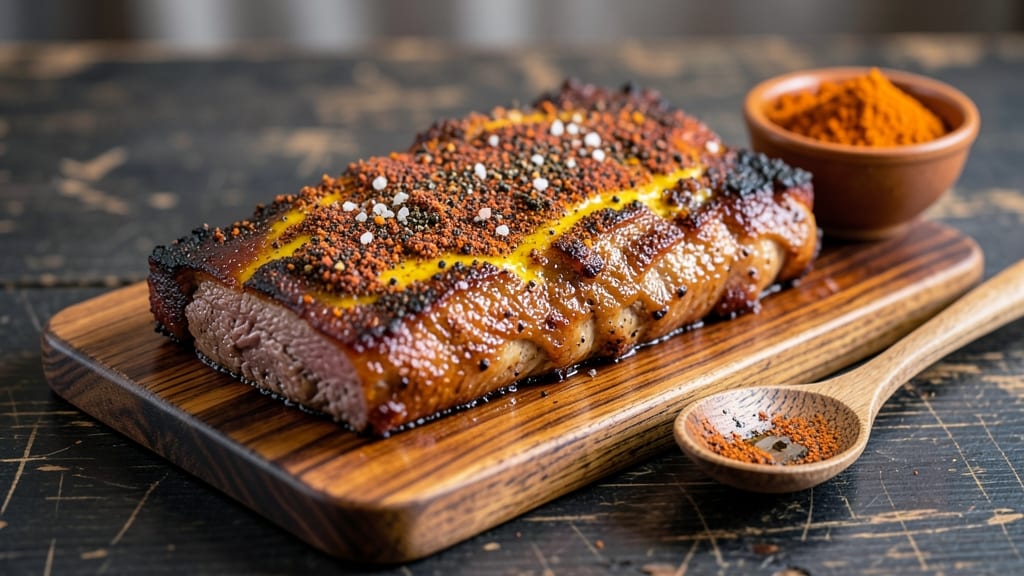
Mastering a Traeger beef brisket flat transforms tough cuts into melt-in-your-mouth perfection—no full packer required. After years of smoking brisket in my Portland backyard, I’ve perfected this method for tender, smoky results that impress even the most skeptical guests.
The key lies in precise temperature control and patient timing, ensuring every bite delivers that signature Traeger flavor without the guesswork.
This recipe focuses on the flat cut, which cooks faster than a full brisket but still demands respect. You’ll start with a simple dry rub and let the Traeger’s consistent heat do the work, monitoring internal temperature with a meat probe for foolproof doneness.
Unlike traditional brisket, the flat cut doesn’t need a long rest—just 10 minutes to redistribute juices before slicing against the grain for maximum tenderness.
The result is a brisket so tender it practically falls apart, with a deep smoky aroma that fills your backyard or patio. The bark develops a beautiful crust while the meat stays juicy, making it perfect for game day, family gatherings, or a special weekend meal.
Pair it with classic sides like cornbread or collard greens for a complete spread that feels restaurant-quality at home.
Whether you’re a seasoned smoker or new to Traeger cooking, this method delivers consistent, mouthwatering results every time. The secret? Paying attention to temperature and wood choice—oak or hickory work best for that classic smoky flavor. Let’s get started on your next smoky masterpiece.
Ingredients for traeger beef brisket flat
Fourteen ingredients. One cut. Smoky perfection that transforms backyard grilling into restaurant-quality magic.
| Ingredient | Amount | Notes |
|---|---|---|
| Beef Brisket Flat 🥩 | 2 ½ lb | Trimmed of excess fat, 1-inch thick |
| Yellow Mustard 🍯 | ½ cup | For base layer before rub |
| Coarse Kosher Salt 🧂 | ¼ cup | Diamond Crystal preferred |
| Smoked Paprika 🌶️ | 2 tbsp | For deep smoky flavor |
| Ground Black Pepper 🌶️ | 1 tbsp | Freshly cracked preferred |
| Garlic Powder 🧄 | 1 tbsp | Freshly ground if possible |
| Onion Powder 🧅 | 1 tbsp | For balanced sweetness |
| Brown Sugar 🍯 | 1 tbsp | Light or dark works |
| Ground Cumin 🌿 | 1 tsp | Toasted for depth |
| Oak Wood Chips 🌳 | 1 package | Unsoaked, for smoker |
| Apple Cider Vinegar 🍎 | 1 tbsp | For spritzing during cook |
| Beef Tallow or Bacon Fat 🧈 | 2 tbsp | For basting |
| Fresh Rosemary 🌿 | 1 sprig | For garnish |
| Fresh Thyme 🌿 | 1 sprig | For garnish |
The beef brisket flat is your star—look for cuts 1-inch thick or less for even cooking. Costco and local butchers often carry pre-trimmed flats, but if you're buying whole, trim the fat to about 1/4-inch thickness. This cut cooks faster than a full brisket but still needs respect—2.5 lbs will feed 4 hungry people. For the rub, Diamond Crystal kosher salt dissolves better than table salt, giving you that perfect crust without overpowering the meat. The oak wood chips? Unsoaked and soaked both work, but I prefer unsoaked for more intense smoke flavor. Grab a Traeger brand wood chips if you want consistency, or any food-grade oak from the grocery store.
No smoked paprika? Regular paprika plus a pinch of liquid smoke gets you close—just don't go overboard. Running low on brown sugar? Honey or maple syrup works in a pinch, but the sugar helps create that beautiful bark. The apple cider vinegar spritz is non-negotiable—it keeps the bark moist and adds tangy depth. For the fat, bacon fat is ideal, but beef tallow or even melted butter in a pinch will do the trick. Fresh herbs? Dried works at half the amount, but fresh rosemary and thyme add that restaurant-quality garnish. The mustard base? Dijon works too, but yellow mustard has just the right tang without overpowering.
This brisket tastes even better the next day—wrap tightly in foil and store in the fridge for up to 4 days. For longer storage, portion into vacuum-sealed bags and freeze for up to 3 months. Reheat gently in the oven at 275°F until warmed through. The wood chips? Keep them in a dry, airtight container for up to 6 months. I always make extra rub—it keeps in a glass jar for 3 months and elevates everything from burgers to roasted potatoes.
Why You'll Love This Recipe
- Traeger’s Lazy Day Hero: I swear, this recipe is the reason I bought my Traeger—just rub the brisket flat with that yellow mustard, sprinkle the salt and smoked paprika, and let it do all the work. No basting, no fuss, no watching the clock like a hawk.
- Smoky-Sweet Magic: That mustard base isn’t just for flavor—it caramelizes into a sticky, tangy crust while the smoked paprika adds warmth without overpowering. The pepper? Just enough to wake up every bite, like a little kick in your step.
- Leftovers That Don’t Lie: Between us, this brisket flat is better the next day—tender enough to slice thin for sandwiches or chop into tacos. I make a double batch on Sundays and still have lunch covered by Wednesday.
- Budget Beef, Big Payoff: A whole brisket flat costs less than a steak, but it feeds four (or two hungry teens and me). The salt and spices? Pantry staples. This is the kind of meal that makes grocery day feel like a victory.
Step-by-step instructions for smoky, slow-roasted beef brisket flat
Here's how to transform a simple brisket flat into melt-in-your-mouth perfection using your Traeger.
Prepare the Brisket Base with Mustard and Dry Rub
Begin by generously coating the entire surface of the 2.5 lb beef brisket flat with 0.5 cup yellow mustard. This creates a sticky base that helps the dry rub adhere perfectly and prevents it from falling off during the long cook. Spread it evenly, pressing the mustard into all the crevices and edges.
In a medium bowl, combine 0.25 cup coarse kosher salt, 2 tbsp smoked paprika, 1 tbsp ground black pepper, 1 tbsp garlic powder, 1 tbsp onion powder, 1 tbsp brown sugar, and 1 tsp ground cumin. Mix thoroughly until the spices are evenly distributed. This balanced blend delivers deep smoky flavor with just enough sweetness to complement the richness of the beef.
Pat the mustard-coated brisket dry with paper towels, then press the dry rub mixture firmly into every surface. Use your fingers to work the spices into the meat, ensuring complete coverage. Place the brisket on a wire rack set over a baking sheet and refrigerate uncovered for at least 4 hours or preferably overnight. This resting period allows the rub to penetrate deeply and enhances the flavor development.
Set Up and Smoke the Brisket Low and Slow
Preheat your Traeger to 225°F using the 1 package oak wood chips. Maintain this steady temperature throughout the entire cook—fluctuations will affect the bark and tenderness. Once the smoker reaches temperature and you see clean, blue smoke (not thick white), place the brisket fat-side up on the grill grates.
Close the lid and resist the urge to peek—every time you open it, you lose valuable heat and moisture. Smoke the brisket undisturbed for 4-5 hours, or until the internal temperature reaches 165°F. At this point, you'll notice the bark developing a dark mahogany color, and the meat will begin to pull away slightly from the edges. This is the perfect time to move to the next phase.
Here's the thing—if the bark starts looking too dark or the smoke becomes too intense, simply open the lid for 10 minutes to let excess smoke escape. This prevents over-smoking while maintaining that beautiful crust. The goal is a balance between deep flavor and perfect tenderness.
Wrap and Finish for Maximum Tenderness
When the brisket reaches 165°F, remove it from the smoker and wrap it tightly in heavy-duty aluminum foil. This technique, known as the "Texas crutch," helps push the brisket through the stall—a natural pause in temperature rise that occurs around 160-170°F—while preserving that precious bark you've already developed.
Return the wrapped brisket to the Traeger and continue cooking until the internal temperature reaches 203°F. This final phase typically takes 2-3 hours, but don't rush it. The meat should be fork-tender, with the probe sliding in like butter. You'll know it's ready when the connective tissue breaks down completely and the texture is silky rather than fibrous.
During this time, prepare your spritz by combining 1 tbsp apple cider vinegar and 2 tbsp beef tallow or bacon fat in a small bowl. Every hour, carefully open the foil and spoon this mixture over the brisket. The acidity tenderizes the meat further while the fat adds richness and helps develop a glossy finish. This step is non-negotiable for achieving that restaurant-quality texture.
Rest and Slice for Perfect Results
Once the brisket reaches 203°F, remove it from the smoker and transfer it to a clean cutting board. Tent loosely with foil and let it rest for at least 1 hour before slicing. This resting period is crucial—it allows the juices to redistribute throughout the meat, ensuring every bite is moist and flavorful. If you're impatient, you'll end up with dry slices that lose all their juices onto the cutting board.
After resting, locate the grain direction by looking for the natural lines in the meat. Using a sharp carving knife, slice the brisket against the grain into ¼-inch thick slices. The flat cut makes this easier than with a whole packer brisket, but precision matters. Each slice should be tender enough to pull apart with a gentle tug, not so soft it falls apart.
Garnish the sliced brisket with the 1 sprig fresh rosemary and 1 sprig fresh thyme, tying them with kitchen twine for a professional presentation. Serve immediately with your favorite sides—mashed potatoes, collard greens, or crusty bread to soak up all that smoky goodness. The brisket should be rich, tender, and packed with deep, smoky flavor in every bite.
Pro Tips For Making Traeger Beef Brisket Flat
- Trim the Fat First: A thin brisket flat still needs its fat cap—leave about ¼-inch intact. I learned this the hard way when my first attempt turned into a dry, flaky mess. That fat renders down and keeps the meat juicy while you smoke it, so don’t go overboard with the knife.
- Mustard Crust Matters: Slather that yellow mustard thick—not just a light brush. After burning three batches with a skimpy layer, I finally used enough to coat the entire surface. It’s what gives your Traeger brisket that sticky, caramelized bark that holds up to slicing.
- Skip the Crowding: If you’re smoking more than one brisket flat, space them out. I used to stack them like pancakes, and the heat got trapped, turning the bottoms into sad, soggy rubber. Give them air—even if it means two batches.
- Probe Like a Pro: Check doneness with a meat thermometer in the thickest part—aim for 195°F internal temp. I was guessing for years until I realized my brisket was either raw or overcooked. Patience here means the difference between tender and chewy.
Flavor customization for this traeger beef brisket flat
Spicy Smoke Bomb
For heat lovers, boost your rub with 1 tbsp cayenne pepper and 1 tsp crushed red pepper flakes—I like Penzeys brand for consistent quality. Add ½ tsp chipotle powder for smoky heat depth.
The vinegar spritz becomes even more potent with 1 tsp hot sauce (like Tabasco) mixed in. This variation turns your brisket into a Texas-style firecracker with bark that packs serious kick. 🌶️
Sweet & Smoky Fusion
Swap half the brown sugar for 2 tbsp honey or maple syrup to create a caramelized crust. Add 1 tsp cinnamon and ½ tsp allspice to the rub for warmth. During the wrap phase, brush the brisket with 1 tbsp bourbon (like Buffalo Trace) before sealing it in foil.
This creates a Southern-inspired sweet heat that balances perfectly with tangy sides like pickled onions. 🍯
Herb-Infused Brightness
Replace cumin with 1 tbsp fresh thyme leaves and 1 tbsp chopped rosemary in the rub. Add 1 tsp lemon zest to the mustard base for citrus brightness. Use white oak wood chips instead of red oak for a cleaner smoke profile.
This variation shines with Mediterranean-inspired sides like tzatziki or grilled vegetables. The herbs keep the brisket from feeling too heavy. 🌿
Bourbon & Coffee Kick
Infuse your rub with 1 tbsp instant coffee grounds and 1 tsp espresso powder for deep umami. Add 1 tbsp bourbon to the vinegar spritz. This Cajun-inspired twist works beautifully with dark cherry wood chips for a fruity-smoky finish.
The coffee grounds also help develop a rich, almost espresso-like crust that pairs perfectly with dark chocolate desserts. ☕
Garlic & Ginger Zing
Boost the garlic powder to 2 tbsp and add 1 tbsp grated fresh ginger to the mustard base. Use applewood chips for a sweeter smoke. This Asian-inspired fusion works amazingly with hoisin glaze drizzled on top during the final hour.
The ginger adds a refreshing zing that cuts through the richness. I serve this with steamed jasmine rice and sesame seeds. 🧄
Blue Cheese Crumble Topping
After slicing, sprinkle ½ cup crumbled blue cheese (like Maytag Blue) over the brisket and broil for 2-3 minutes until melted. The tangy cheese creates a restaurant-worthy contrast to the smoky meat.
This variation is perfect for game day spreads or charcuterie boards. The blue cheese also pairs beautifully with caramelized onions on the side. 🧀
Nutrition facts
Frequently asked questions
Why use a brisket flat instead of a full packer brisket?
The flat cut cooks 30-50% faster than a full packer while delivering the same tender, smoky results. It's perfect for smaller gatherings or when you want to avoid the 8-12 hour cook time of a full brisket. The flat also develops a more uniform bark since it's thinner and easier to monitor on your Traeger.
Can I use this recipe on a Traeger pellet grill instead of a smoker?
This recipe works perfectly on both Traeger pellet grills and standalone smokers. The key is maintaining 225°F consistently. Just ensure your grill has a meat probe for accurate temperature reading. The pellet grill's automatic feeding makes it even easier to maintain steady heat.
What's the best way to handle the temperature stall?
The stall typically occurs around 160-170°F. When you hit 165°F, wrap the brisket tightly in foil with a spritz of apple cider vinegar (1 tbsp vinegar + 2 tbsp fat). This helps push through the stall while preserving your beautiful bark. The wrap phase should take 2-3 hours to reach 203°F.
How do I know when the brisket is done without a meat probe?
If you don't have a probe, use the toothpick test: Insert a clean toothpick into the thickest part. If it slides in easily with no resistance, the brisket is done. The internal temperature should be 203°F at the thickest point. The bark should be dark mahogany with a crisp texture, and the meat should pull away slightly from the edges.
Can I make this brisket ahead of time?
This brisket tastes even better the next day! Let it cool completely, then wrap tightly in butcher paper or foil. Store in the fridge for up to 4 days. Reheat gently in the oven at 275°F until warmed through (10-15 minutes). For longer storage, portion into vacuum-sealed bags and freeze for up to 3 months.