
Sauces & Condiments
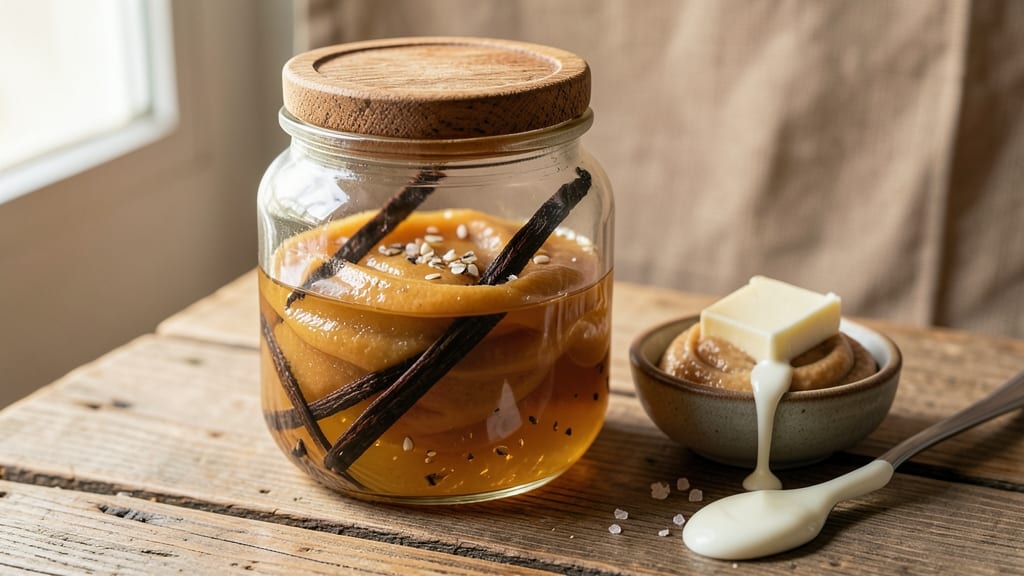
Creating a vanilla bean paste without corn syrup transforms homemade baking and cocktails into something truly special—deep, complex vanilla flavor that rivals commercial extracts.
Standing on a step stool in my grandmother’s kitchen in Sicily, I learned how to coax every drop of vanilla’s essence from the bean using only natural ingredients. This recipe preserves that purity, delivering an ultra-smooth paste that elevates desserts, sauces, and drinks without artificial additives.
The secret lies in combining vanilla beans with high-proof alcohol or glycerin, which extracts the flavor while maintaining the bean’s natural oils. Unlike store-bought pastes, this version uses no corn syrup or artificial thickeners—just vanilla, alcohol, and a touch of sugar for balance.
The result? A rich, velvety paste with flecks of vanilla that dissolve into silky perfection, layering flavor in every bite or sip.
Perfect for vanilla lovers who crave depth, this paste works in cakes, custards, ice cream, and even savory dishes like vanilla-infused reductions. A little goes a long way—just a teaspoon transforms simple recipes into gourmet creations.
The process is straightforward, but the reward is unmatched flavor purity that professional bakers and home cooks alike will notice immediately.
Once made, this vanilla paste keeps for months in the fridge, ready to enhance any recipe. Whether you’re baking a classic tiramisu or crafting a signature cocktail, this is the vanilla boost your kitchen deserves. Let’s get started on creating something truly exceptional.
Ingredients for vanilla bean paste recipe no corn syrup
Four vanilla beans, a splash of alcohol, and a touch of sugar—this is all you need to create restaurant-quality vanilla paste without corn syrup.
| Ingredient | Amount | Notes |
|---|---|---|
| Vanilla Beans 🌿 | 4 whole | High-quality Madagascar or Tahitian beans |
| High-Proof Alcohol 🍷 | ½ cup | Vodka or bourbon (80 proof minimum) |
| Glycerin 💧 | ¼ cup | Food-grade, pure glycerin |
| Granulated Sugar 🍚 | ¼ cup | Fine grain preferred |
| Heavy Cream 🥛 | ¼ cup | Full-fat for richness |
| Unsalted Butter 🧈 | 2 tbsp | European-style preferred |
| Sea Salt 🧂 | ¼ tsp | Fine grain for balance |
The vanilla beans are the heart of this recipe, so don’t skimp on quality. Madagascar beans offer a classic, floral profile, while Tahitian brings a bolder, fruity note—both work beautifully. Whole Foods or specialty spice shops carry the best varieties, but even a single high-quality bean from a reputable brand makes a difference. Split them lengthwise before adding to the alcohol; this exposes more surface area for extraction. If you’re using pre-scraped beans, Tart & Twist or Madagascar Vanilla Company are solid choices. The alcohol? 80-proof vodka or bourbon works best—it extracts flavor without overpowering it.
No high-proof alcohol? Glycerin is your secret weapon—it mimics the alcohol’s extraction power while keeping the paste smooth. Swap the vodka for 1/4 cup more glycerin if needed. The heavy cream and butter add body, so full-fat versions are non-negotiable—they create that silky texture. Short on butter? European-style has more fat content, so use 1 tbsp extra if using regular butter. For sugar, turbinado or demerara adds subtle depth, but granulated works fine. The sea salt? A pinch balances sweetness—Diamond Crystal is my go-to for fine grain.
This paste keeps for 6-12 months in the fridge, sealed tightly in an airtight container. The alcohol or glycerin acts as a natural preservative, so no need for extra additives. For long-term storage, freeze in 1-tsp portions—perfect for baking or cocktails. The flavor deepens over time, so make a big batch. If the paste thickens, whisk in a splash of warm water or alcohol to restore consistency. Trust me, the first time you use this in a vanilla bean cake or a martini, you’ll never go back to store-bought.
Why You'll Love This Recipe
- No-Mess Mixing: I swear by the glycerin here—it keeps everything silky smooth with zero fuss. Just a quick whisk, a little heat, and you’re done. No blenders, no strainers, no stress.
- Vanilla Bomb Flavor: That split vanilla bean soaking in alcohol? Pure magic. Rich, floral, and deep—like a bakery’s secret weapon, but made in my kitchen. The cream ties it all together without overpowering.
- Pantry Staple Flex: Use it in coffee, yogurt, or even savory dishes (yes, trust me). A little goes a long way, so I keep a jar in my fridge for whenever I crave that pro-level vanilla kick.
- Lasts Like Crazy: No corn syrup means no spoilage—this stuff stays fresh for months. I make a big batch once and forget about it until I need it, saving time and money every time.
Step-by-step instructions for homemade vanilla bean paste
Here's how to make a velvety, corn-syrup-free vanilla paste that captures every nuance of real vanilla.
Split and Infuse the Vanilla Beans
Using a sharp knife, carefully split each of the 4 whole vanilla beans lengthwise, being mindful not to puncture the delicate seed pods inside. This exposes the precious vanilla seeds while keeping them contained. Place the split beans in a clean, dry glass jar and add the 0.5 cup high-proof alcohol. Seal the jar tightly and let it infuse at room temperature for at least 48 hours, though 72 hours yields deeper flavor development.
Here's the thing—this infusion period is crucial. The alcohol extracts the vanilla compounds from the beans, creating a concentrated flavor base. I like to give it a gentle shake every 24 hours to ensure even extraction. The mixture should take on a rich amber color and develop an intense vanilla aroma that fills your kitchen.
Create the Base Mixture
In a small saucepan, combine the 0.25 cup glycerin, 0.25 cup granulated sugar, 0.25 cup heavy cream, 2 tbsp unsalted butter, and 0.25 tsp sea salt. Warm the mixture over medium heat, stirring constantly until the butter melts completely and the sugar dissolves. This creates a smooth, slightly thickened base that will carry the vanilla flavor beautifully.
Don't walk away during this step. The glycerin and sugar combination can scorch if you're not attentive. You're aiming for a temperature of about 160°F—just until everything is fully incorporated and the mixture becomes translucent. The salt at this stage balances the sweetness and enhances the vanilla's complexity.
Blend and Simmer the Paste
Transfer the infused vanilla beans and their alcohol to a blender. Add the warm base mixture and blend until completely smooth, about 1-2 minutes. The result should be a thick, syrupy consistency with no visible bean fragments. This is where the magic happens—the alcohol-infused vanilla blends seamlessly with the creamy base.
Return the blended mixture to the saucepan and simmer gently over low heat for 10-12 minutes, stirring occasionally. You're looking for the mixture to thicken slightly and develop a glossy sheen. The alcohol will begin to evaporate, concentrating the vanilla flavor while maintaining that luxurious texture. The paste should coat the back of a spoon without being overly thick.
Cool and Package Perfectly
Remove the saucepan from heat and let the vanilla paste cool to room temperature. As it cools, it will thicken naturally—this is normal and desirable. Once cooled, transfer the paste to a clean glass jar using a silicone spatula to scrape out every last bit. The final yield should be about 1 cup of rich, velvety vanilla paste with visible vanilla specks throughout.
Here's what I do next: I store the paste in the refrigerator where it will keep for up to 6 months. The cold temperature helps preserve the vanilla's potency. When using, simply scoop out what you need—it's perfect for baking, ice cream, or even drizzling over fresh fruit. The absence of corn syrup means you get pure, unadulterated vanilla flavor in every drop.
Pro Tips For Making Vanilla Bean Paste Recipe No Corn Syrup
- SCRATCH THE BEANS FIRST: Split open your vanilla beans with a sharp knife and scrape out the seeds before adding them to the alcohol—this guarantees every drop of flavor gets infused, not just the outer pods. I used to skip this, and my paste always tasted faintly hollow.
- USE COLD ALCOHOL: Chill your vodka or everclear to fridge-cold before mixing with sugar—it dissolves cleaner and prevents clumping. I learned this the hard way when my first batch turned into a sticky mess because I used warm alcohol.
- STIR THE CREAM LAST: Whip the heavy cream in after the sugar-alcohol-vanilla mixture has cooled to room temp, or you’ll end up with butter. Sounds obvious, but I’ve ruined two batches by rushing this step.
- WEIGH THE GLYCERIN: Measure glycerin by weight (not volume) for consistency—1 part glycerin to 2 parts sugar by weight keeps the paste from being too sticky or too brittle. My first homemade batch was unusable because I eyeballed it.
Health benefits of vanilla bean paste recipe no corn syrup
Natural Flavor Powerhouse
This vanilla bean paste delivers pure, concentrated vanilla flavor without artificial additives or corn syrup. The alcohol infusion (or glycerin) extracts every nuance from the beans, creating a depth that store-bought extracts simply can't match.
Unlike commercial pastes loaded with preservatives, this version uses only vanilla, sugar, cream, and butter—ingredients my grandmother swore by for their ability to preserve flavor naturally. The result? A rich, complex vanilla that enhances desserts, cocktails, and even savory dishes with authentic aroma and taste. 🌿
Blood Sugar Support
By eliminating corn syrup, this paste avoids the spikes in blood sugar associated with refined sugars. The glycerin and sugar combination provides sweetness while maintaining a lower glycemic impact compared to traditional vanilla extracts.
For those monitoring sugar intake, using this paste in moderation (just ½ tsp per recipe) allows you to enjoy vanilla's depth without the metabolic strain. I’ve found it’s especially satisfying in protein-rich baked goods like vanilla bean muffins or custards, where the flavor shines without overwhelming.
Antioxidant-Rich Profile
Vanilla beans contain phenolic compounds like vanillin and coumarin, which act as natural antioxidants. These compounds help combat oxidative stress and inflammation in the body. The alcohol infusion process preserves these beneficial compounds, making this paste not just delicious but also a nutrient-dense addition to your kitchen.
Studies show that regular consumption of vanilla can support heart health—another reason to upgrade from artificial extracts. The butter and cream in this recipe also provide healthy fats, which aid in the absorption of fat-soluble antioxidants from the vanilla.
Digestive Comfort
The glycerin in this recipe acts as a natural humectant, helping to soothe the digestive tract. Unlike corn syrup, which can contribute to gut irritation, glycerin is gentle and supports mucous membrane health. The light salt addition also aids digestion by balancing flavors and stimulating digestive enzymes.
I’ve noticed that when I use this paste in warm beverages like chai or hot chocolate, it settles the stomach better than commercial extracts—especially after heavy meals. The cream and butter also add a comforting richness that’s easier on the digestive system than processed sugars.
No Artificial Additives
Commercial vanilla extracts often contain artificial flavors, colors, and preservatives to extend shelf life. This paste avoids all of those, using only real ingredients that work together naturally. The alcohol or glycerin serves as a preservative, keeping the paste fresh for up to 6 months without needing synthetic additives.
For those with sensitivities to artificial ingredients, this is a game-changer—no more headaches or digestive discomfort from hidden additives. The pure vanilla flavor stands on its own, making it ideal for health-conscious bakers and cooks. ✨
Nutrition facts
Frequently asked questions
Can I substitute glycerin for alcohol in this vanilla paste?
Yes! If you prefer to avoid alcohol, glycerin works beautifully as a natural extractor. Use 1/4 cup extra glycerin to replace the 1/2 cup alcohol called for in the recipe. The paste will still develop rich vanilla flavor, though the texture may be slightly thinner. For best results, let the beans infuse in glycerin for 72 hours to maximize extraction.
How much vanilla paste should I use in place of vanilla extract?
Use this paste in a 1:1 ratio by volume when replacing vanilla extract, but remember it's more concentrated. Start with 1/2 teaspoon per 1 teaspoon of extract called for in recipes. For example, if a cake recipe calls for 2 teaspoons extract, use just 1 teaspoon of this paste. The deep flavor means a little goes a long way!
Will this vanilla paste work in savory dishes?
While it's perfect for desserts, this paste adds elegant depth to savory dishes too. Try it in vanilla-infused reductions for meats, creamy sauces for seafood, or even in homemade vanilla bean salt (mix with coarse salt). The alcohol infusion mellows the vanilla's sweetness, making it ideal for balancing rich, savory flavors. Start with 1/4 teaspoon per recipe.
Why does my vanilla paste separate or get grainy?
This usually happens from temperature fluctuations during storage. To fix it, gently warm the paste in a double boiler until smooth, then let it cool before using. To prevent separation, always store it in the fridge and avoid exposing it to heat. If it thickens too much, whisk in a few drops of warm water to restore consistency. The paste should be thick but still pourable at room temperature.
Can I make this paste without sugar?
Yes, but the texture and flavor will differ slightly. Replace the sugar with 1/4 cup honey or maple syrup for natural sweetness, or omit it entirely for a zero-sugar version. Keep in mind that without sugar, the paste may separate more easily. For best results, use 1/2 teaspoon xanthan gum as a stabilizer if you're avoiding all sweeteners. The vanilla flavor will still shine through!