
Soups & Stews
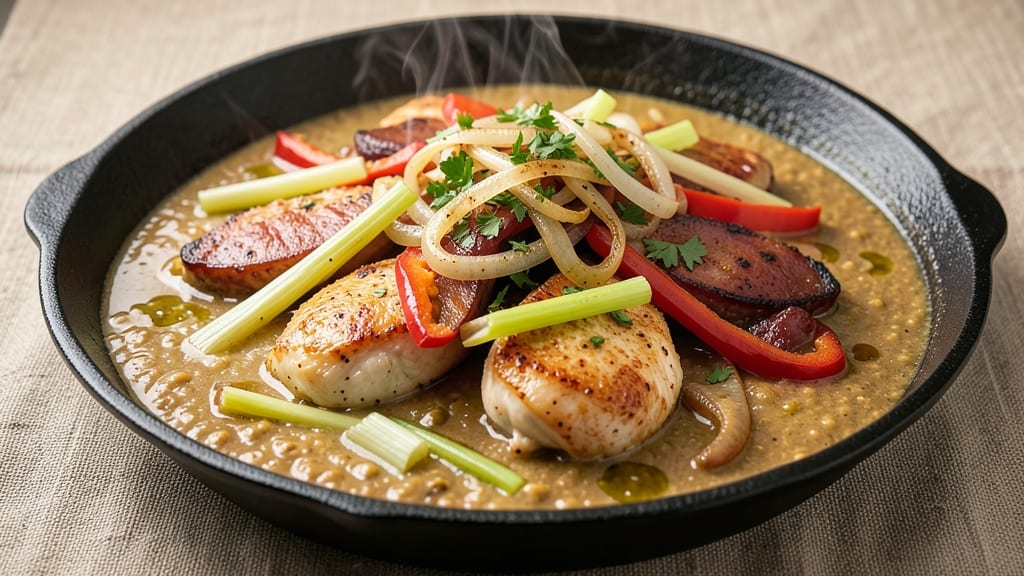
Mastering Zatarain's gumbo recipe unlocks the soul of Louisiana cooking—where a deep, nutty roux meets bold Cajun spices in a rich, flavor-packed stew. The secret lies in patience: stirring that roux until it reaches the perfect mahogany color, where flour and oil transform into liquid gold.
I’ve perfected this recipe over years, balancing tradition with foolproof techniques that deliver restaurant-quality results at home.
This gumbo builds layer by layer—starting with the roux, then adding aromatic vegetables, protein (chicken, sausage, or seafood), and finally the Zatarain’s seasoning blend for that signature Cajun kick. The slow simmer develops deep, complex flavors, while the roux thickens the broth into a velvety base.
Every spoonful delivers a perfect balance of smoky, spicy, and savory notes that define true gumbo.
What you’ll achieve is a hearty, aromatic stew with tender meat, vibrant vegetables, and a rich, glossy sauce that clings to every bite. The aroma alone will fill your kitchen with the essence of Louisiana, while the texture—creamy yet substantial—makes it worth the effort.
Serve it with hot rice and crusty bread to soak up every last drop of that flavorful broth.
Whether you’re making a classic Creole-style gumbo or a spicier Cajun version, this recipe adapts to your taste while keeping the soul intact. The key is attention to detail—especially that roux—and letting the flavors meld over time. Let’s get cooking!
Ingredients for zatarain's gumbo
Classic roux, bold spices, and tender meats—this gumbo delivers Louisiana soul in every bite.
| Ingredient | Amount | Notes |
|---|---|---|
| All-Purpose Flour 🌾 | ½ cup | White flour for classic roux |
| Vegetable Oil 🫒 | ¾ cup | High smoke point preferred |
| Boneless Chicken Thighs 🍗 | 2 lb | Dark meat stays tender |
| Andouille Sausage 🌭 | 1 lb | Smoked sausage for depth |
| Celery Stalks 🧅 | 3 whole | Diced, classic holy trinity |
| Bell Pepper 🍅 | 1 whole | Green or red, diced |
| Large Onion 🧅 | 1 whole | Yellow or white, chopped |
| Garlic Cloves 🧄 | 4 cloves | Minced for aromatic punch |
| Zatarain's Gumbo Seasoning 🌶️ | 3 tbsp | The signature Cajun blend |
| Chicken Broth 💧 | 6 cups | Low-sodium preferred |
| Okra 🌱 | 1 cup | Fresh or frozen, sliced |
| Green Onions 🧅 | ¼ cup | Sliced, for garnish |
| Salt 🧂 | 1 tsp | Adjust to taste |
| Black Pepper 🌶️ | ½ tsp | Freshly ground |
| Filé Powder 🌾 | 2 tbsp | Optional, for thickening |
The roux is where magic happens. Flour and oil transform into mahogany gold—don't rush this step. I grab Crisco for its stability, but vegetable oil works too. The holy trinity (onion, celery, bell pepper) builds the gumbo's aromatic base. Chop them fine—they disappear into the stew but pack serious flavor. For the sausage, Andouille is non-negotiable (the smoky kind), but kielbasa in a pinch works. Just don't skip the Zatarain's seasoning—it's the Cajun soul of this dish. Grab it at Walmart or Grocery Outlet if you want to save money, but the 20-ounce jar lasts forever.
No Zatarain's? Make your own blend with 1 tbsp each paprika, garlic powder, onion powder, 1 tsp each dried thyme, oregano, cayenne, and black pepper. Fresh okra? Slice it thinly—thick pieces get mushy. No okra? Skip it or use 1 tbsp cornstarch mixed with water to thicken. The chicken thighs can be swapped for shrimp or crawfish, but adjust cooking time—seafood cooks in half the time. For extra richness, deglaze the pot with a splash of white wine after browning the meat. And if you're feeling fancy, add a bay leaf when simmering the broth.
This gumbo tastes even better the next day—double the batch if you can. Store leftovers in the fridge for 4-5 days or freeze for 3 months. I like to portion it into containers with a side of rice already in the bottom—just reheat and serve. The filé powder? Whisk it in at the end—it thickens like magic but turns to glue if cooked too long. Serve with crusty bread to soak up every last drop of that rich, spicy broth. Trust me, the first bite will make it all worth the wait.
Why You'll Love This Recipe
- One-Pot Magic: I swear by this gumbo—just brown the chicken and sausage, dump in the roux (flour + oil), and let it simmer. No extra bowls, no stress.
- Smoky Depth Bomb: That andouille sausage? Oh, it’s the star—crumbled into the roux, it melts into the broth and leaves you with this rich, slightly spicy backbone. Honestly, I’ll take it over plain chicken any day.
- Leftover Goldmine: This gumbo begs to be made ahead—tastes better the next day, reheats like a dream, and turns into the easiest lunch for the week. (Yes, even on a Tuesday night.)
- Budget-Friendly Feast: Chicken thighs and sausage stretch across the pot, and celery adds freshness without breaking the bank. It’s the kind of meal where you’re left with seconds, not regrets.
Step-by-step instructions for Zatarain's gumbo recipe
Here's how to build this rich, spiced gumbo from scratch—layer by layer.
Build the Signature Roux
Heat the 0.75 cup vegetable oil in a heavy-bottomed pot over medium heat. Add the 0.5 cup all-purpose flour and stir constantly with a wooden spoon. The mixture will bubble and darken—this is where the magic happens.
Watch closely as the color evolves from pale to peanut butter brown, then to a deep chocolate brown. This process takes 30-45 minutes total. If it darkens too quickly, reduce the heat to medium-low. A properly cooked roux is the foundation of gumbo—it should smell nutty and rich, not burnt. Never walk away during this step; burnt roux ruins everything.
Sauté the Holy Trinity
Once your roux reaches that perfect chocolate brown color, immediately add the diced celery stalks, diced bell pepper, and chopped large onion. Stir well to coat the vegetables in the roux. Cook over medium heat for 5-7 minutes until the vegetables soften and release their juices.
Next, add the minced garlic cloves and cook for another 1 minute until fragrant. This aromatic base is called the "holy trinity" for a reason—it forms the flavor foundation of Cajun cooking. If the vegetables start to stick, add 1-2 tablespoons of chicken broth to deglaze the pan and keep everything moist.
Develop the Flavor Base
Stir in the 3 tablespoons Zatarain's gumbo seasoning and cook for 1 minute to toast the spices. This step releases their essential oils and deepens the flavor profile. Add the 2 lb boneless chicken thighs and 1 lb andouille sausage, cutting the sausage into ½-inch slices first. Brown the meat slightly, about 3-4 minutes, which adds extra depth to the gumbo.
Pour in the 6 cups chicken broth and bring everything to a gentle boil. Reduce heat to medium-low and let it simmer uncovered for 25-30 minutes until the chicken is tender and falling off the bone. The broth should be infused with rich, smoky flavors by now. If it reduces too quickly, add a little more broth to maintain the proper consistency.
Finish with Okra and Seasoning
Add the 1 cup okra (sliced if fresh) and simmer for another 10-15 minutes until the okra is tender. The gumbo should now have a slightly thickened, velvety texture. Stir in the 1 teaspoon salt and 0.5 teaspoon black pepper, tasting as you go. Adjust seasoning if needed—this is where you fine-tune the balance of flavors.
Remove the chicken from the pot and shred it with two forks, returning it to the gumbo. Keep the gumbo warm over low heat while you prepare the filé powder—this is crucial because it thickens when exposed to moisture. Sprinkle the 2 tablespoons filé powder over the surface and stir gently just once. The gumbo will thicken dramatically, so don't overstir. If it's too thick, add a splash of broth to reach your desired consistency.
Serve with Fresh Garnishes
Ladle the gumbo into bowls and garnish each serving with sliced green onions. The filé powder will continue to thicken as it cools, so serve immediately while it's at its peak texture. Each spoonful should deliver layers of smoky sausage, tender chicken, and that signature Cajun spice blend—rich, hearty, and full of Louisiana character.
This gumbo tastes even better the next day as the flavors meld further, so leftovers make fantastic lunches. Store any extras in an airtight container in the refrigerator for up to 4 days, or freeze for up to 3 months. Serve with crusty bread to soak up every last drop of that velvety gumbo goodness.
Pro Tips For Making Zatarain'S Gumbo
- Brown the Roux Long: Zatarain’s gumbo roux is the backbone—don’t rush it. Cook that flour and oil over medium heat until it’s a deep, chocolate-brown color (about 20-25 minutes). I used to speed it up, and the gumbo tasted flat. Patience here makes all the difference.
- Slice Celery Thin: Skip the big chunks—slice celery into ¼-inch rounds so it softens fast and blends into the gumbo. Thick pieces turn mushy and water down the broth. (Yes, it takes 2 minutes extra, but it’s worth it.)
- Don’t Overcrowd the Pot: When browning chicken and sausage, work in batches. A packed pot steams instead of sears, leaving you with bland meat. Two minutes per batch at a time—trust me, your gumbo will taste richer.
- Use Smoked Andouille: The recipe calls for andouille, but not all brands are equal. Smoked sausage adds depth that regular won’t match. If you can’t find it, ask the butcher for the smokiest option—your gumbo will thank you.
Dietary considerations for this dish
Gluten-Free Adaptations
Traditional gumbo relies on a flour-based roux, but you can easily adapt this recipe for gluten-free diets. Replace the ½ cup all-purpose flour with ½ cup gluten-free flour blend (like Bob’s Red Mill 1:1) or ½ cup cornstarch for thickening.
For a roux alternative, cook ½ cup vegetable oil with ½ cup gluten-free flour over medium heat, stirring constantly for 20-25 minutes until golden brown. The texture will be slightly different but still rich and flavorful. 🌾
Low-Carb Options
To reduce carbs, skip the roux entirely and use a cauliflower rice base instead of traditional rice. Sauté 3 cups riced cauliflower in the gumbo pot after browning the meat, then add broth and simmer for 10 minutes before adding the gumbo ingredients.
This keeps the dish hearty while cutting carbs. For extra flavor, stir in 1 tbsp nutritional yeast at the end—it adds a cheesy, umami depth without gluten. 🥦
Dairy-Free Considerations
This gumbo is naturally dairy-free, but always double-check Zatarain’s seasoning blend for hidden dairy additives (some versions may contain trace amounts). If you’re strict about dairy, stick to the original recipe—it’s already packed with bold flavors from the roux, sausage, and spices.
For extra richness, add 1 tbsp olive oil at the end instead of butter or cream. The gumbo’s depth comes from the smoked sausage and dark roux, so no dairy is needed. 🧀
Allergen-Friendly Swaps
For seafood allergies, replace shrimp or crawfish with chicken or turkey. If shellfish allergies are a concern, skip the sausage and use chicken, turkey, or plant-based sausage (like Beyond Meat).
For nightshade-sensitive diets, reduce the bell pepper and tomato-based broths—opt for mushroom or chicken broth instead. Always check labels on Zatarain’s seasoning for hidden allergens like soy or sulfites. 🚫
Spice Adjustments
If cayenne or heat is an issue, reduce the Zatarain’s seasoning to 2 tbsp and add ½ tsp smoked paprika for depth without heat. For a milder gumbo, omit the filé powder (it adds earthy notes) and use 1 tsp cornstarch mixed with water to thicken instead.
If you love heat but want control, serve hot sauce on the side so everyone can adjust to their taste. 🌶️
Protein Flexibility
This gumbo is naturally vegetarian-friendly if you skip the meat and add extra okra, mushrooms, or tofu. For vegan gumbo, use vegetable broth, smoked tofu, and plant-based sausage.
If you’re watching cholesterol, swap chicken thighs for lean turkey or shrimp (cook shrimp for only 3-4 minutes to avoid overcooking). The gumbo’s richness comes from the roux and spices, so protein is just the cherry on top. 🍗
Nutrition facts
Frequently asked questions
Can I make this gumbo without Zatarain’s seasoning?
Mix 1 tbsp paprika, 1 tsp garlic powder, 1 tsp onion powder, ½ tsp dried thyme, ½ tsp dried oregano, ¼ tsp cayenne, and ½ tsp black pepper for a homemade blend. Toast the spices in the roux for 1 minute to deepen their flavor. The gumbo will still taste rich and aromatic—just slightly less convenient.
How do I prevent my roux from burning?
Stir constantly with a wooden spoon over medium heat—never walk away! If it darkens too quickly, reduce heat to medium-low and add 1-2 tbsp oil to thin it out. A properly cooked roux should smell nutty, not burnt. For extra insurance, use a heavy-bottomed pot to distribute heat evenly. Patience is key—rushing ruins the flavor.
Can I use shrimp instead of chicken and sausage?
Yes, but adjust cooking times! Add 1 lb shrimp (peeled and deveined) during the last 5 minutes of simmering to avoid overcooking. For extra depth, toss shrimp in 1 tsp Zatarain’s seasoning before adding. Shrimp gumbo cooks faster—keep an eye on it to maintain tenderness. Serve with lemon wedges to cut the richness.
Why did my gumbo turn out too thin?
This usually happens if you skipped the filé powder or overcooked it. For a quick fix, mix 1 tbsp cornstarch with 2 tbsp cold water, stir into the gumbo, and simmer for 2-3 minutes. If you used filé powder, it may have clumped—whisk it in gently at the end instead of stirring vigorously. For prevention, reduce heat to low while adding filé.
How long can I store leftovers?
Gumbo tastes even better the next day! Store in an airtight container in the fridge for 4-5 days or freeze for 3 months. Reheat gently on the stove with a splash of broth to restore texture. The flavors deepen over time, making it perfect for meal prep. Label containers clearly—this gumbo disappears fast!