
Side Dishes
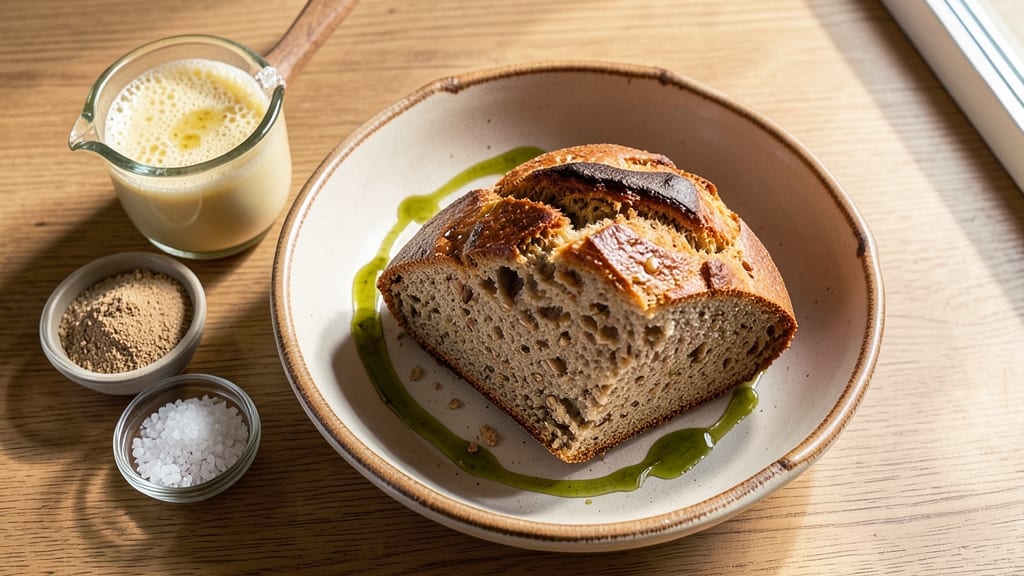
Mastering active dry yeast whole wheat bread transforms your kitchen into a bakery, delivering nutty, hearty loaves with minimal hands-on time. The secret lies in precise hydration and a hands-off rise that develops deep flavor while you focus on other tasks.
After years of perfecting this recipe, I’ve eliminated guesswork—just follow the steps, and you’ll achieve a crusty exterior with a tender, airy crumb every time.
This recipe balances whole wheat’s density with yeast’s lift, ensuring a loaf that’s both nutritious and satisfying. The dough requires 30 minutes of active kneading followed by a 2-hour rise, but the hands-off approach makes it manageable for busy schedules.
No special equipment is needed—just a mixing bowl, a warm spot, and patience. The result? A loaf with a crisp crust and a soft, open crumb that’s perfect for sandwiches or toast.
What sets this bread apart is its foolproof method for activating yeast in whole wheat flour, which absorbs moisture differently than all-purpose. By adjusting hydration and using a 350°F oven, you’ll avoid dense, gummy loaves while maximizing flavor.
The nutty aroma alone makes it worth the effort, and the texture stays fresh for days when stored properly.
Whether you’re baking for a family meal or meal prepping, this recipe delivers consistent results. Pair it with soups, use for sandwiches, or enjoy it fresh from the oven. Here’s how to make it happen—step by step.
Ingredients for active dry yeast whole wheat bread
Four cups of flour, a pinch of patience, and a hands-off rise transform simple ingredients into nutty, crusty perfection.
| Ingredient | Amount | Notes |
|---|---|---|
| Active Dry Yeast 🍞 | 2 ¼ tsp | Ensure yeast is fresh and not expired |
| Whole Wheat Flour 🌾 | 4 cups | Unbleached preferred for best texture |
| All-Purpose Flour 🌾 | 1 cup | For improved lift and texture |
| Granulated Sugar 🍚 | ½ tsp | Feeds yeast for activation |
| Salt 🧂 | 1 ½ tsp | Diamond Crystal preferred |
| Extra-Virgin Olive Oil 🫒 | ½ cup | High-quality for flavor |
| Warm Water 💧 | 1 ¼ cups | 110°F for yeast activation |
| Cornmeal 🌽 | ¼ cup | For dusting baking surface |
| Egg Wash 🥚 | 1 whole | 1 egg beaten with 1 tbsp water |
| Coarse Sea Salt 🧂 | 1 tsp | For sprinkling on top crust |
| Sesame Seeds 🌻 | 1 tbsp | Optional for decorative crust |
The yeast is non-negotiable—King Arthur or Saf-Instant work best for whole wheat. Check the expiration date, and store your yeast in the freezer if you're not using it often. For the flour, Bob's Red Mill or King Arthur whole wheat flour have the perfect balance of density and protein. The all-purpose flour is key here—it lightens the dense whole wheat, so don't skip it. Warm the water to 110°F (like bathwater) to activate the yeast without killing it. Too hot, and it dies; too cold, and it won't wake up. I always test it with a thermometer—no guesswork.
No whole wheat flour? Substitute with 100% all-purpose flour, but expect a less nutty flavor and denser texture. Running short on olive oil? Melted butter or vegetable oil works, but olive oil adds that subtle fruity note. For the egg wash, aquafaba works too—just whisk it until frothy. The sesame seeds are optional but add a nice crunch. If you're avoiding gluten, use a 1:1 gluten-free flour blend, but add an extra 0.5 tsp xanthan gum for structure. The salt is crucial—Diamond Crystal measures differently than table salt, so if you're using table salt, reduce to 1 tsp.
This dough is forgiving but not patient—work quickly once the yeast is activated. The dough will rise twice: once in the bowl (2 hours) and again in the pan (30-45 minutes). Keep it covered with a damp towel in a warm spot (like a turned-off oven with the light on). For storage, wrap the cooled loaf in a clean kitchen towel and keep it at room temperature for 2-3 days. To reheat, wrap in foil and warm at 350°F for 10 minutes. Freeze slices for up to 3 months—just toast straight from frozen. The crust stays crispy, and the crumb stays soft.
Why You'll Love This Recipe
- No-Fuss Rising: I swear by the simplicity of this dough—just mix, let it sit, and forget about it for an hour. That’s right, one rise time, no fancy kneading or waiting around. The yeast does all the work while I’m folding laundry or scrolling through my phone.
- Nutty Earthy Crunch: Honestly, the whole wheat flour makes this bread ridiculously satisfying—chewy, hearty, and packed with that warm, toasty flavor. The touch of sugar balances the nuttiness, so it’s never bitter, just good.
- Weeknight Wonder: This bread is my go-to for sandwiches, toast, or even a quick charcuterie board. Between us, it’s the only loaf I bake that actually gets eaten before it goes stale—because it’s that versatile.
- Budget-Friendly Staple: A single batch costs me pennies but lasts forever—freeze half for later, and the rest stays fresh for days. Plus, the all-purpose flour blend keeps it light, so it doesn’t taste like a health lecture. Win-win.
Step-by-step instructions for active dry yeast whole wheat bread
Here's the method—simple, hands-off, and guaranteed to yield a nutty, hearty loaf every time.
Activate the Yeast with Warm Water and Sugar
In a large mixing bowl, combine the 1.25 cups warm water (around 110°F) with the 0.5 tsp granulated sugar and 2.25 tsp active dry yeast. Let it sit for 5-10 minutes until the mixture becomes frothy and bubbly. This confirms the yeast is alive and ready to work—if nothing happens after 10 minutes, your yeast may be expired, and you'll need to start over.
Real talk: Don't use boiling water or the yeast will die instantly. Test the temperature by placing your pinky finger in the water—it should feel warm but not hot. Stir gently to dissolve the sugar completely before adding the yeast. The sugar feeds the yeast, helping it activate faster and create the air bubbles that make bread light and fluffy.
Mix the Dough with Flour, Salt, and Olive Oil
Add the 4 cups whole wheat flour and 1 cup all-purpose flour to the yeast mixture. Stir in the 1.5 tsp salt and 0.5 cup extra-virgin olive oil. Using a wooden spoon or your hands, mix until a shaggy dough forms—it should pull away from the sides of the bowl but still feel sticky. Whole wheat flour absorbs more moisture, so don't panic if it's wetter than typical bread dough.
Knead the dough on a lightly floured surface for 5-7 minutes until smooth and elastic. You'll know it's ready when it springs back slowly when poked. If it's too sticky, add 1 tablespoon of whole wheat flour at a time until it becomes manageable. The olive oil adds richness and helps create a tender crumb, while the all-purpose flour improves lift and texture—this combo balances the heaviness of whole wheat beautifully.
First Rise—Let the Dough Double in Size
Place the dough in a lightly oiled bowl, cover it with a damp towel or plastic wrap, and let it rise in a warm spot for 1-2 hours or until it has doubled in size. The kitchen counter near the oven (with the oven off) works perfectly—this warmth mimics a professional bread-proofing environment. Poke the dough gently with your finger; if it leaves a slow-moving indent, it's ready for shaping.
Here's the thing—don't rush this step. A proper rise ensures a light, airy loaf. If your kitchen is cold, place the bowl on top of your fridge (not inside) for consistent warmth. The dough should rise steadily without collapsing. If it deflates, let it rest for 10 minutes before proceeding—this prevents a dense final product.
Shape and Second Rise for Structure
Turn the dough onto a floured surface and divide it into 4 equal portions. Shape each into a smooth, round loaf by pulling the edges toward the center and tucking them under. Place the shaped loaves on a baking sheet lined with parchment paper, cover them again, and let them rise for another 30-45 minutes until slightly puffy. This second rise develops their final shape and ensures an even bake.
For extra crunch, brush the tops with the 1 whole egg wash (1 egg beaten with 1 tablespoon water). Sprinkle generously with 1 tsp coarse sea salt and 1 tbsp sesame seeds for a decorative, nutty finish. The egg wash creates a golden crust, while the sesame seeds add texture and visual appeal. Preheat your oven to 375°F while the loaves rise—this ensures they go straight into a hot oven for maximum oven spring.
Bake to Golden Perfection
Bake the loaves for 30-35 minutes until they're deep golden brown and sound hollow when tapped on the bottom. The internal temperature should reach 190-200°F—use an instant-read thermometer for accuracy. Rotate the baking sheet halfway through for even browning. The cornmeal (sprinkled on the baking sheet before placing the loaves) prevents sticking and adds a subtle crunch to the bottom crust.
Let the bread cool on a wire rack for at least 20 minutes before slicing—this allows the steam to escape, preventing a gummy texture. The longer you wait, the easier it will be to slice cleanly. Store any leftovers in an airtight container at room temperature for up to 3 days or freeze for longer storage. This bread tastes even better the next day as the flavors deepen and the crumb firms up.
Pro Tips For Making Active Dry Yeast Whole Wheat Bread
- Bloom the Yeast First: Skip mixing dry yeast straight into flour—it won’t wake up properly. Instead, dissolve active dry yeast in warm (110°F) water with a pinch of sugar for 5-10 minutes until frothy. Whole wheat flour’s natural acids can kill sluggish yeast, so this step guarantees a rise.
- Mix Flours Separately: Whole wheat flour absorbs moisture like a sponge, making dough sticky and gummy. Weigh out the all-purpose flour first, mix with yeast, salt, and sugar, then gradually fold in the whole wheat flour. This keeps the dough manageable without adding extra liquid.
- Don’t Over-Knead: Whole wheat dough tears easily, and overworking it turns bread dense. Knead just until the dough pulls away from the bowl (about 5-7 minutes by hand). If it’s sticky, wet your hands and keep it loose—tight dough fights back.
- Proof in a Warm Spot: Your oven’s light-on setting (with a bowl of hot water inside) mimics a warm proofing environment better than leaving dough on the counter. Whole wheat bread rises slower, so give it 1.5–2 hours until it’s puffy but not collapsed—patience here prevents a flat loaf.
Wine and beer pairings for active dry yeast whole wheat bread
Crisp White Wine
Pair your whole wheat loaf with a dry Riesling or Sauvignon Blanc—their bright acidity and citrus notes cut through the bread’s nutty richness beautifully. I love a New Zealand Sauvignon Blanc like Oyster Bay for its zesty grapefruit and herbal undertones.
Chill the wine to 45-50°F to enhance its crispness and balance the bread’s hearty texture. 🍷
Malty Amber Ale
A Belgian-style amber ale or American wheat beer complements the whole wheat’s earthy depth while adding a touch of sweetness. Try Allagash White—its coriander and orange peel notes play off the sesame seeds and olive oil.
Serve the beer slightly chilled (48-52°F) to highlight its malt-forward character without overpowering the bread’s crust. 🍺
Light Red Options
For a bolder pairing, opt for a Pinot Noir with its delicate red fruit and earthy undertones. A Willamette Valley Pinot like Domaine Serene enhances the bread’s nutty profile without clashing. Keep the wine at 55-60°F to maintain its freshness and avoid overwhelming the bread’s subtle flavors.
Non-Alcoholic Pairings
Skip the alcohol? A sparkling apple cider like Martinelli’s adds effervescence to cleanse your palate between bites. For something richer, try hibiscus iced tea—its tartness balances the bread’s heartiness. Both options work perfectly for brunch or casual meals. 🍎
Seasonal Adjustments
In summer, lean toward crisp whites or light lagers to refresh your palate. In winter, a malty brown ale or Pinot Noir warms up the meal. The key is matching the bread’s nutty, earthy notes with complementary flavors—whether fruity, herbal, or malty. 🌿
Nutrition facts
Frequently asked questions
Why does my whole wheat dough feel stickier than regular bread dough?
Whole wheat flour absorbs more moisture due to its higher fiber content, so expect a wetter texture. The recipe balances this with 1 cup all-purpose flour to improve lift and texture. If needed, add 1 tablespoon flour at a time during kneading, but avoid over-drying the dough.
Can I make this bread without a stand mixer?
Knead by hand for 5-7 minutes on a lightly floured surface until the dough springs back slowly when poked. The key is consistency—whole wheat dough requires more elbow grease than all-purpose, but the result is worth it.
What if my dough doesn't rise after 2 hours?
Check your yeast first—it may be expired. Test new yeast by dissolving 1 tsp sugar + 1 tsp yeast in ¼ cup warm water; it should bubble within 5 minutes. If yeast is fine, try moving the dough to a warmer spot (like a turned-off oven with light on) and wait another 30-60 minutes.
How do I store leftovers to keep them fresh?
Wrap the cooled loaf in a clean kitchen towel and store at room temperature for 2-3 days. For longer storage, freeze slices for up to 3 months—toast straight from frozen. The towel traps moisture better than plastic, preserving freshness.
Can I substitute whole wheat flour with a gluten-free blend?
Yes, but add 0.5 tsp xanthan gum to the dough for structure. Gluten-free flours lack protein, so expect a denser texture. Follow the blend's hydration guidelines and reduce water by 1-2 tablespoons to account for extra moisture.