Side Dishes
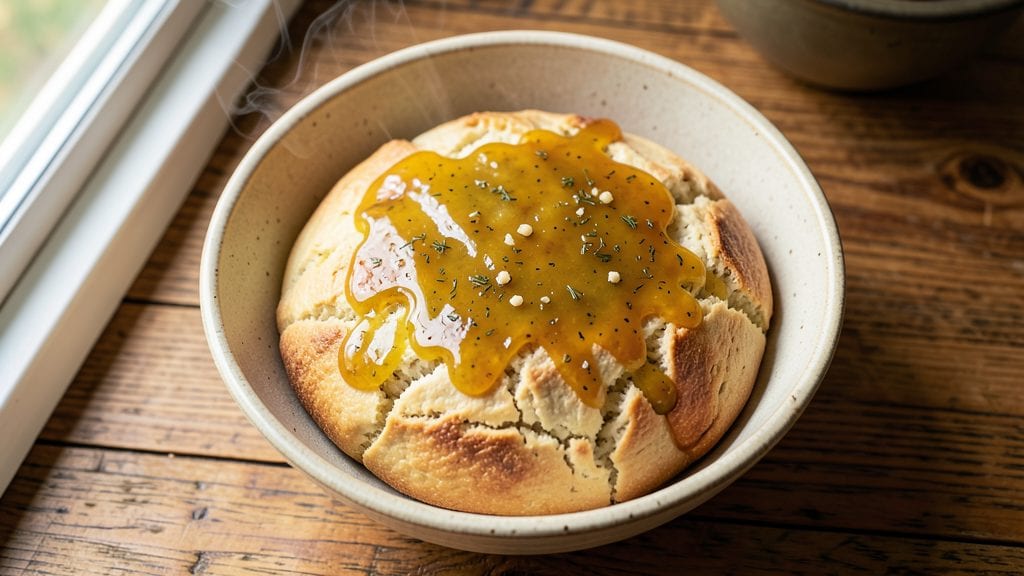
This Amish dill pickle bread recipe transforms simple bread dough into a savory masterpiece with tangy, crunchy pickle swirls that disappear faster than you can slice it.
The secret lies in folding chopped pickles directly into the dough, creating pockets of briny, crunchy goodness that contrast perfectly with the soft, pillowy bread. I first made this version after discovering how traditional Amish communities use preserved vegetables to stretch ingredients during harvest seasons.
The process is straightforward but requires patience—letting the dough rise twice ensures that tender, airy texture we all love, while the pickles stay crisp rather than soggy. You'll work with basic pantry staples: flour, yeast, buttermilk, and of course, those dill pickles you can't resist.
The result is a loaf with golden-brown crust and visible pickle chunks that add both texture and that signature tangy kick.
What makes this bread truly special is how it elevates any meal—serve warm with butter for a simple side, or use it to sop up soups and stews. The pickles maintain their crunch even after baking, creating a satisfying contrast with each bite.
This recipe delivers restaurant-quality results with minimal effort, perfect for those who love bold flavors and texture in every bite.
For extra depth, consider adding a sprinkle of garlic powder or onion powder to the dough before shaping, or swap out dill pickles for bread-and-butter pickles if you prefer a milder tang. The possibilities are endless, but the core technique remains foolproof. Let's get baking!
Ingredients for amish dill pickle bread
Pantry staples plus tangy pickles transform into golden loaves with crispy pickle surprises inside.
| Ingredient | Amount | Notes |
|---|---|---|
| All-Purpose Flour 🌾 | 5 cups | Sifted for light texture |
| Active Dry Yeast 🍞 | 2 ¼ tsp | One packet (0.25 oz) |
| Granulated Sugar 🍚 | 1 tbsp | For yeast activation |
| Salt 🧂 | 1 tsp | Kosher or sea salt |
| Buttermilk 🥛 | 1 ¼ cups | Full-fat preferred |
| Unsalted Butter 🧈 | ½ cup | Cold, cubed for mixing |
| Dill Pickles 🥒 | 1 ½ cups | Chopped with juice reserved |
| Garlic Powder 🧄 | ½ tsp | Optional for extra flavor |
| Onion Powder 🧅 | ½ tsp | Optional for depth |
| Large Egg 🥚 | 1 whole | Room temperature |
| Cornmeal 🌽 | ¼ cup | For dusting bread pan |
| Water 💧 | ¼ cup | Warm for yeast activation |
The pickles are the star—Heinz dill pickles work perfectly, but grab the whole spears if you want bigger chunks. Chop them roughly (about 1/2-inch pieces) and reserve that briny juice—it keeps the dough moist. If you're using jarred pickles, drain them well first. For extra crunch, freeze the chopped pickles for 10 minutes before mixing into the dough. Trader Joe's and Walmart usually have the best prices on large jars, and I always buy two—one for the bread, one for sandwiches. The flour? King Arthur or Gold Medal make a noticeable difference in texture. Sift it first, or at least whisk the flour, yeast, sugar, and salt together in a bowl—this prevents lumps that can kill your rise.
No buttermilk? Mix 1 tbsp lemon juice or vinegar with 1 cup milk and let sit 5 minutes. Short on pickles? Bread-and-butter pickles work too, but they're sweeter. Want more flavor? Add 1 tsp smoked paprika or 1/4 tsp cayenne to the dough for a kick. The yeast is non-negotiable—if it's past its expiration date, toss it. For the butter, Land O'Lakes or Plugrah are reliable, but any unsalted works. Pro tip: If your pickles are extra juicy, reduce the buttermilk to 1 cup and use 1/4 cup reserved pickle juice instead—keeps the dough from getting too sticky. The egg is just for binding, so any size works, but large eggs give the best structure.
This dough is sticky—don't fight it. Let it rise until it's doubled in size, about 1-2 hours depending on your kitchen. For the final rise, shape the dough into a loaf pan and let it sit until it's just overflowing the edges—this ensures that perfect domed top. The bread keeps well for 3 days at room temperature, wrapped in a towel, or 5 days in the fridge. For longer storage, freeze the loaf (unwrapped) for up to 3 months. To reheat, wrap in foil and warm in a 350°F oven for 10 minutes—nothing beats that fresh-from-the-oven aroma. Slice it thick—those pickle pockets are worth the extra effort.
Why You'll Love This Recipe
- No-Knead Magic: I swear by this dough—just mix, let it rise, and forget about it. The buttermilk and yeast do all the work while you sip coffee or watch a show. Honestly, I’ve made it while folding laundry. That’s how hands-off it gets.
- Tangy Twist: The dill pickle briny kick cuts through the sweetness like a perfect bite of a pickle itself. It’s not overly sweet—just enough sugar to balance that funky, tangy punch. My husband grabs slices straight from the pan, no butter needed.
- Weeknight Workhorse: This bread is my go-to for sandwiches, toast, or even French toast. I make a big batch on Sunday and freeze half—no sad, dry bread here. It thaws in minutes and tastes like it was just baked.
- Pantry Staple Power: Five ingredients, all of which you already have. No specialty items, no hunting for obscure spices. The flour and buttermilk alone make it budget-friendly, and the yeast means it’s always ready when you are. (Yes, even on a Tuesday night.)
Step-by-step instructions for Amish dill pickle bread
Here's how to make this tangy, savory bread with perfect texture and those delicious pickle swirls.
Activate the Yeast and Prepare the Dough Base
In a small bowl, combine the 2.25 teaspoons active dry yeast, 1 tablespoon granulated sugar, and ¼ cup warm water (around 110°F). Let this sit for 5-10 minutes until it becomes frothy. This tells you your yeast is alive and ready to work.
In a large mixing bowl, whisk together the 5 cups all-purpose flour (sifted), 1 teaspoon salt, ½ teaspoon garlic powder, and ½ teaspoon onion powder. Create a well in the center and pour in the yeast mixture, 1.25 cups buttermilk, and 1 whole large egg. Mix until a shaggy dough forms.
Incorporate Butter and Pickles for Maximum Flavor
Add the ½ cup cold unsalted butter (cut into cubes) to the dough and work it in with your hands or a dough hook attachment on low speed. The butter should start to coat the dough but remain in small pea-sized pieces—this creates those delicious pockets of flavor.
Next, chop the 1.5 cups dill pickles into small chunks (about ½-inch pieces) and reserve ¼ cup pickle juice. Fold the chopped pickles into the dough along with the reserved pickle juice. The juice helps keep the dough moist while adding that signature tangy flavor.
Knead Until Smooth and Elastic
Turn the dough out onto a lightly floured surface and knead for 8-10 minutes until smooth and elastic. You'll know it's ready when it springs back slowly when poked with your finger. If the dough feels sticky, add flour 1 tablespoon at a time—but don't overdo it, or your bread will be dense.
Place the dough in a lightly greased bowl, cover with a damp towel, and let it rise in a warm place for 1-1.5 hours, or until doubled in size. The kitchen should feel warm and slightly yeasty—this is the magic happening as the dough expands.
Shape and Second Rise for Perfect Texture
Punch down the risen dough and divide it into 4 equal portions. Roll each portion into a 12-inch log and place them seam-side down in a greased 9x13-inch baking dish. Sprinkle the bottom and sides with ¼ cup cornmeal to prevent sticking and add texture.
Cover the dish with a towel and let the dough rise again for 30-45 minutes until it's puffy and just about to overflow the pan. The edges should look slightly rounded but still firm to the touch. This second rise ensures that light, airy texture we all love.
Bake to Golden Perfection
Preheat your oven to 375°F. Bake the bread for 35-40 minutes until the top is golden brown and the internal temperature reaches 190°F. The edges should pull away slightly from the pan, and the bread should smell deliciously tangy and buttery.
Let the bread cool in the pan for 10 minutes before transferring it to a wire rack. The cooling process helps the flavors meld and prevents a gummy texture. Slice while still warm for that perfect balance of crispy crust and soft, pillowy interior with those delightful pickle surprises throughout.
Pro Tips For Making Amish Dill Pickle Bread
- Bloom the Yeast First: Skip mixing yeast directly into dry flour—it’s slower and less predictable. Instead, dissolve it in warm (110°F) buttermilk with a pinch of sugar first, then let it foam for 5-10 minutes. This guarantees your bread rises properly, especially in cooler kitchens where yeast can get lazy.
- Measure Buttermilk Precisely: Buttermilk varies wildly in fat content, and this bread relies on its tang and moisture. Use a kitchen scale for 240g (1 cup) if possible, or measure by weight if your recipe allows. Too little? Your bread will be dense. Too much? It’ll collapse under its own weight.
- Don’t Overmix the Dough: Once you add flour, stop mixing as soon as it comes together—about 2 minutes by hand, or until the dough clings to the bowl. Overworking it develops gluten, making the bread tough instead of tender. This isn’t pizza dough; you want a soft, slightly sticky texture.
- Proof Until It Jiggles: The dough is ready when it springs back slowly when poked and fills about 75% of your bowl. Rushing it means a flat loaf; waiting too long means it’ll overflow. If your kitchen’s cold, proof it near a warm oven with the light on—consistency matters more than time.
Troubleshooting this dish
Dough Too Sticky?
If your dough feels like glue, resist the urge to add too much flour—this can make your bread dense. Instead, try wetter hands or a dough scraper to handle it. I often dust my work surface with 1 tablespoon cornmeal instead of flour, which adds texture without heaviness.
For extra stickiness, let the dough rest for 10 minutes before kneading—this relaxes the gluten and makes it easier to work with. 💡
Pickles Not Crunchy?
Over-kneading or overproofing can turn pickles mushy. To keep them crisp, chop them just before mixing and freeze the chopped pieces for 10 minutes to firm up. Also, avoid overbaking—remove the bread when the internal temp hits 190°F, not higher.
If your pickles still soften, try reducing the baking time by 2-3 minutes and check earlier. 🥒
Dense or Heavy Bread?
Dense bread usually means overworking the dough or skipping proofing steps. Make sure your yeast is active (it should foam in 5-10 minutes with warm water and sugar). Also, don’t skip the second rise—this is critical for that light texture.
If your dough feels tough, reduce kneading time to 6-8 minutes and let it rise longer (1.5-2 hours) for better development. 🍞
Bread Collapsed After Baking?
This usually happens if the dough wasn’t fully proofed or the oven wasn’t hot enough. Double-check your oven temp with an oven thermometer—many run 25°F lower than set. Also, ensure the dough is puffy and just about to overflow the pan before baking.
For extra support, place a baking sheet on the lower rack to catch any overflow. 🔥
Uneven Browning?
Uneven color often means the oven isn’t preheated long enough. Let your oven preheat for 15-20 minutes before baking. For extra insurance, tent the bread with foil if the top browns too quickly. I also recommend rotating the pan halfway through baking if your oven has hot spots.
A light spray of water on the loaf before baking can create a steamy environment for even browning. 🌡️
Pickles Leaking Juice?
Too much pickle juice can make the dough soggy. Drain your pickles well and reserve only ¼ cup juice—no more. If your dough feels excessively wet, add 1 tablespoon flour at a time until it’s manageable.
For extra insurance, pat the chopped pickles dry with a paper towel before mixing them in. This keeps the texture perfect without compromising flavor. 💧
Nutrition facts
Frequently asked questions
Can I make this bread without buttermilk?
Mix 1 tablespoon lemon juice or vinegar with 1 cup milk and let it sit for 5 minutes to create a buttermilk substitute. The tang helps activate the yeast just like the real thing. For even better results, use whole milk to match the richness of buttermilk in this recipe.
How do I store leftover Amish dill pickle bread?
Wrap the cooled loaf tightly in plastic wrap or foil and store at room temperature for up to 3 days in an airtight container. For longer storage, freeze the bread (unwrapped) for up to 3 months. To reheat, wrap in foil and warm in a 350°F oven for 10 minutes—this restores that fresh-from-the-oven aroma.
Can I use bread-and-butter pickles instead of dill pickles?
Yes, but expect a sweeter flavor profile. Bread-and-butter pickles work well, though they'll be softer after baking. For extra crunch, freeze the chopped pickles for 10 minutes before mixing. If you want to balance the sweetness, add ½ teaspoon extra garlic powder to the dough.
Why does my dough feel too sticky?
Sticky dough is normal with this recipe—the pickles and buttermilk add moisture. Instead of adding extra flour, try wetter hands or a dough scraper. For handling, dust your surface with 1 tablespoon cornmeal instead of flour. Let the dough rest for 10 minutes before kneading to relax the gluten.
What's the best way to serve this bread?
This bread shines warm with softened butter or whipped cream cheese for dipping. It's also perfect for sopping up soups, pairing with chili, or serving alongside smoked meats. For a sweet twist, brush the crust with honey before baking. The pickle crunch makes it a crowd-pleaser at any meal!