
Main Courses
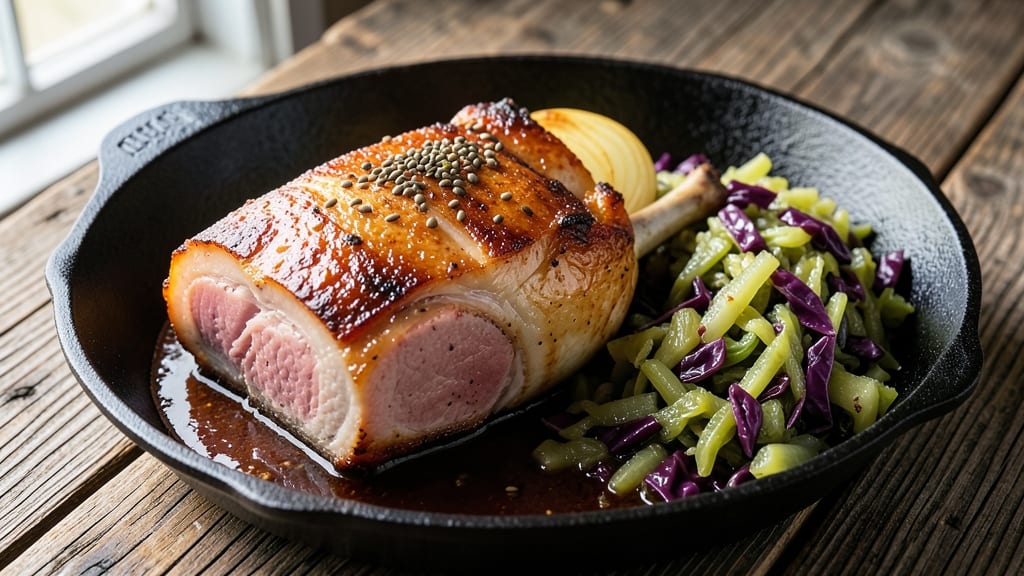
This Amish pork and sauerkraut recipe delivers the kind of smoky-sweet harmony that makes weeknight dinners feel like a family gathering in Pennsylvania farm country. Growing up in small-town Georgia, I learned how pork transforms simple ingredients into something deeply satisfying—just like this one-pot masterpiece.
The secret lies in slow-cooked pork shoulders that stay tender while absorbing the tangy, fermented flavors of sauerkraut, all developed in a single pot.
What sets this recipe apart is the balance of traditional Amish techniques with modern convenience. You'll start with thick-cut pork chops or shoulder, seasoned simply with salt, pepper, and a touch of caraway—no fancy blends needed.
The sauerkraut, with its natural acidity, tenderizes the meat while adding that signature tang that cuts through richness. After about two hours of simmering, the pork becomes fork-tender, and the sauerkraut softens into a flavorful bed that clings to every bite.
The result is a dish that's equal parts comforting and impressive—golden-brown pork with crisp edges, meltingly tender centers, and sauerkraut that's just tender enough to hold its shape. The aromas alone will have your kitchen smelling like a Sunday supper, and the flavors?
Rich, complex, and perfectly harmonized. This is the kind of meal that pairs beautifully with mashed potatoes or crusty bread, making it ideal for feeding a crowd or a quiet family dinner.
Here's where it gets interesting—the beauty of this recipe is its flexibility. Use pork chops for a quicker version or go with a shoulder for deeper flavor and more leftovers.
Either way, the one-pot method means less cleanup and more time enjoying the meal. Let's get started on creating this restaurant-quality dish at home.
Ingredients for amish pork and sauerkraut
Thick-cut pork and fermented cabbage create Amish-style harmony in one pot—simple ingredients, profound flavor.
| Ingredient | Amount | Notes |
|---|---|---|
| Bone-In Pork Shoulder 🥩 | 3 lb | Thick-cut, 1.5-inch slices preferred |
| Unpasteurized Sauerkraut 🥬 | 2 cups | Packed, with juice preserved |
| Yellow Onion 🧅 | 1 whole | Medium, sliced into half-moons |
| Fresh Caraway Seeds 🌿 | 1 tsp | Lightly toasted for aroma |
| Apple Cider Vinegar 🍎 | ¼ cup | Raw, unfiltered preferred |
| Brown Sugar 🍯 | 2 tbsp | Light, packed measurement |
| Kosher Salt 🧂 | 1 ½ tsp | Diamond Crystal preferred |
| Freshly Ground Black Pepper 🌶️ | 1 tsp | Coarse grind for texture |
| Smoked Paprika 🌶️ | ½ tsp | Spanish variety for depth |
| Fresh Thyme Leaves 🌿 | ¼ cup | Stems removed, loosely packed |
| Extra-Virgin Olive Oil 🫒 | 2 tbsp | For searing, fruity variety |
| Water 💧 | 1 cup | Filtered preferred for clarity |
| Fresh Bay Leaves 🌿 | 2 whole | Crushed for essential oils |
The pork shoulder is the foundation. Look for bone-in cuts with visible marbling—this ensures both tenderness and rich flavor. Kroger's or Whole Foods carry excellent options, or ask your butcher for a 1.5-inch thick slice. If you can't find unpasteurized sauerkraut, Rehr's or Bubbies are reliable brands that preserve the natural tang. The caraway seeds should be toasted in a dry pan for 30 seconds before adding—this releases their aromatic oils. For the apple cider vinegar, raw and unfiltered varieties like Bragg add complexity that pasteurized versions lack. The brown sugar should be packed into the measuring spoon for accurate sweetness.
No caraway seeds? Celery seeds at half the amount provide a similar earthy note, though not identical. Substitute smoked paprika with liquid smoke at 1/4 teaspoon if you're in a pinch, but the flavor will be less nuanced. Fresh thyme unavailable? Dried thyme at one-third the amount works, but toast it first to intensify the aroma. For the bay leaves, if you only have dried, use one leaf per serving instead of two whole leaves. The pork chops can replace the shoulder, but reduce cooking time by 45 minutes—they'll be ready in about 1.5 hours. If your sauerkraut is particularly dry, add 1-2 tablespoons of water to restore moisture during cooking.
This dish develops deeper flavor over time, so reheat gently on the stove with a splash of water to revive the juices. Store leftovers in an airtight container for 4-5 days in the refrigerator. For longer storage, freeze portions in single-serving containers for up to 3 months. The sauerkraut will soften further upon reheating, so adjust seasoning if needed. If making ahead, cook the pork and sauerkraut separately and combine just before serving to maintain texture contrast. The aroma alone will make your kitchen smell like a Pennsylvania farmhouse—worth every minute of simmering time.
Why You'll Love This Recipe
- One-Pan Magic: I swear by this recipe because it’s that easy—just brown the pork shoulder, toss in the sauerkraut and onions, then let it slow-cook. No chopping mountains of veggies, no flipping pans, and the caraway seeds infuse effortlessly as it simmers.
- Tangy-Sweet Crunch: The unpasteurized sauerkraut brings that perfect sour bite, while the pork shoulder stays juicy and tender. Add a splash of apple cider vinegar at the end? Absolute flavor explosion—bright, herby, and just salty enough to make you reach for seconds.
- Leftovers That Shine: This dish actually improves the next day. The pork gets fall-apart tender, and the sauerkraut soaks up all the juices. I pack it for lunches—no sad dry meat here—just hearty, flavorful bites that taste like a hug.
- Budget-Friendly Feast: Bone-in pork shoulder stretches to feed four (or five if you’re feeding teenagers). Sauerkraut lasts forever, onions are cheap, and caraway seeds go a long way. It’s the kind of meal that makes grocery day feel like a win.
Step-by-step instructions for Amish pork and sauerkraut
This one-pot method delivers tender pork shoulder with tangy, caramelized sauerkraut in a single Dutch oven.
Sear the Pork Shoulder for Deep Flavor
Pat the 3 lb bone-in pork shoulder completely dry with paper towels, focusing on the fat cap. Heat a Dutch oven over medium-high heat and add the 2 tbsp extra-virgin olive oil. Once shimmering, place the pork shoulder fat-side down and sear for 8-10 minutes until deeply golden brown. Flip and sear the other side for another 6-8 minutes.
This high-heat step develops the Maillard reaction, creating complex flavors that will infuse the entire dish. Don't rush this—you want a dark, crispy crust that will contrast beautifully with the tender meat and tangy sauerkraut. Remove the pork and set aside on a plate.
Build the Aromatic Base
In the same Dutch oven, reduce heat to medium and add the sliced yellow onion. Cook for 5-6 minutes until softened and beginning to caramelize. Add the 1 tsp lightly toasted fresh caraway seeds and cook for 30 seconds until fragrant.
Here's where the magic begins. Stir in the 2 cups unpasteurized sauerkraut with its preserved juice, scraping up any browned bits from the bottom. Add the 0.25 cup apple cider vinegar, 2 tbsp brown sugar, 1.5 tsp kosher salt, 1 tsp freshly ground black pepper, 0.5 tsp smoked paprika, 0.25 cup fresh thyme leaves, and 2 crushed whole fresh bay leaves. Stir well to combine all ingredients.
Braise the Pork Until Fork-Tender
Return the pork shoulder to the Dutch oven, fat-side up. Pour in the 1 cup water, then bring to a gentle simmer. Cover tightly with a lid and transfer to a preheated 300°F oven. Braise for 3-3.5 hours, turning the pork occasionally, until it reaches 203°F internally and easily pulls apart with two forks.
This low-and-slow cooking method transforms the tough pork shoulder into melt-in-your-mouth perfection. The sauerkraut will soften and develop a sweet-tangy depth, while the pork absorbs all the smoky, herby flavors. The liquid should reduce significantly but still coat the bottom of the pot.
Finish and Serve with Crispy Top
Remove the pork from the Dutch oven and let it rest on a cutting board for 15-20 minutes. Return the sauce to medium-high heat and simmer uncovered for 5-7 minutes until slightly thickened. If it becomes too thin, remove the lid and reduce further.
Slice the pork shoulder against the grain into ½-inch thick portions. Spoon the caramelized sauerkraut mixture over the top and serve immediately. The contrast of tender pork with its crispy edges against the tangy, slightly sweet sauerkraut creates a perfect balance of textures and flavors that defines Amish country cooking.
Pro Tips For Making Amish Pork And Sauerkraut
- Brown the Pork First: Skip the slow start—sear the bone-in pork shoulder in a hot Dutch oven for 4-5 minutes per side until deep golden. I used to rush this, and the meat stayed bland; now it caramelizes the crust and keeps the juices locked in during the long braise.
- Rinse the Sauerkraut: Drain and rinse the unpasteurized sauerkraut under cold water to cut the acidity—just enough to mellow the tang without losing flavor. Over-rinsing dulls the taste, but skipping it makes the dish taste like vinegar soup.
- Toast the Caraway: Dry-toast the whole caraway seeds in a separate pan for 30 seconds until fragrant before crushing them. Fresh seeds add bitterness if raw; toasting brings out their sweet, earthy punch without burning.
- Deglaze with Vinegar: After browning the pork, splash in 2 tablespoons of apple cider vinegar immediately—it lifts the fond off the pan and adds brightness. I used to skip this, and the sauce never tasted as rich or balanced.
Wine and beer pairings for these flavors
German Beer Pairings
For this hearty Amish pork dish, a German Helles lager like Augustiner Helles is my go-to choice. Its crisp, clean malt profile and subtle sweetness complement the sauerkraut's tang while balancing the pork's richness.
The effervescence also helps cleanse your palate between bites, making each flavor stand out. Look for a 4.5-5% ABV version to avoid overwhelming the dish. 🍺
American Craft Options
If you prefer local craft beers, try a German-style wheat beer like Allagash White from Maine. The citrus notes from the wheat contrast beautifully with the caraway in the pork, while the light body won't compete with the dish's bold flavors.
For something bolder, a German Dunkel around 5.5% ABV adds a malty depth that mirrors the caramelized sauerkraut. I keep a few Weihenstephaner beers on hand specifically for pork dishes.
Wine Alternatives
While beer is traditional, a dry Riesling from Germany's Mosel region offers an excellent wine pairing. The stone fruit notes and bright acidity cut through the pork's richness while harmonizing with the sauerkraut's tang.
Look for a 2018-2020 vintage with 11-12% ABV—just enough body to stand up to the dish. I've found Dr. Loosen Blue Slate to be particularly complementary with this recipe. 🍷
Non-Alcoholic Pairings
For non-drinkers, a sparkling apple cider like Martinelli's Sparkling Apple Cider provides the same refreshing contrast without alcohol. The effervescence mimics beer's cleansing properties, while the apple notes echo the cider vinegar in the recipe.
Serve chilled in small glasses to maintain the celebratory feel of the meal. For something more substantial, try a ginger beer with a hint of spice to complement the caraway.
Regional Amish Traditions
In Pennsylvania Amish communities, this dish is often served with homemade rye bread or buttermilk biscuits. The bread's dense texture contrasts perfectly with the tender pork, while the buttermilk's tang mirrors the sauerkraut.
For a modern twist, I've started serving crusty sourdough from local bakeries—it adds a nice chewiness that pairs wonderfully with the caramelized sauerkraut. The key is ensuring the bread can handle the rich, saucy dish without becoming soggy. 🥖
Nutrition facts
Frequently asked questions
Why does the recipe call for unpasteurized sauerkraut?
Unpasteurized sauerkraut retains its natural probiotics and tangy flavor, which are essential for authentic Amish-style dishes. The fermentation process creates beneficial bacteria that enhance digestion and add depth to the dish. Pasteurized versions lose these qualities and often taste milder. Brands like Rehr's or Bubbies are excellent choices for this recipe.
Can I substitute pork chops for pork shoulder?
Yes, but adjust the cooking time! Pork chops will be ready in about 1.5 hours instead of 3-3.5 hours. Sear them first, then braise with the sauerkraut until they reach 145°F internally. The chops will be more tender but won't have the same rich, fall-apart texture as shoulder.
What if my sauerkraut is too watery?
Drain excess liquid before adding it to the pot, but don't rinse it—this removes flavor. If the mixture seems too thin during cooking, simmer uncovered for 5-10 minutes to reduce the liquid. The natural juices from the pork will help balance the texture as it cooks.
How do I make this dish ahead of time?
Cook the pork and sauerkraut separately, then combine just before serving. The pork can be fully cooked and refrigerated for 4-5 days or frozen for 3 months. Reheat the sauerkraut mixture separately and mix with the pork when ready to serve to maintain texture contrast.
What's the best way to reheat leftovers?
Gently reheat on the stove with a splash of water or broth to revive the juices. Never microwave—it makes the pork dry. Cover and simmer on low heat for 10-15 minutes, stirring occasionally, until warmed through. The sauerkraut will soften further but still taste delicious.