
Sauces & Condiments
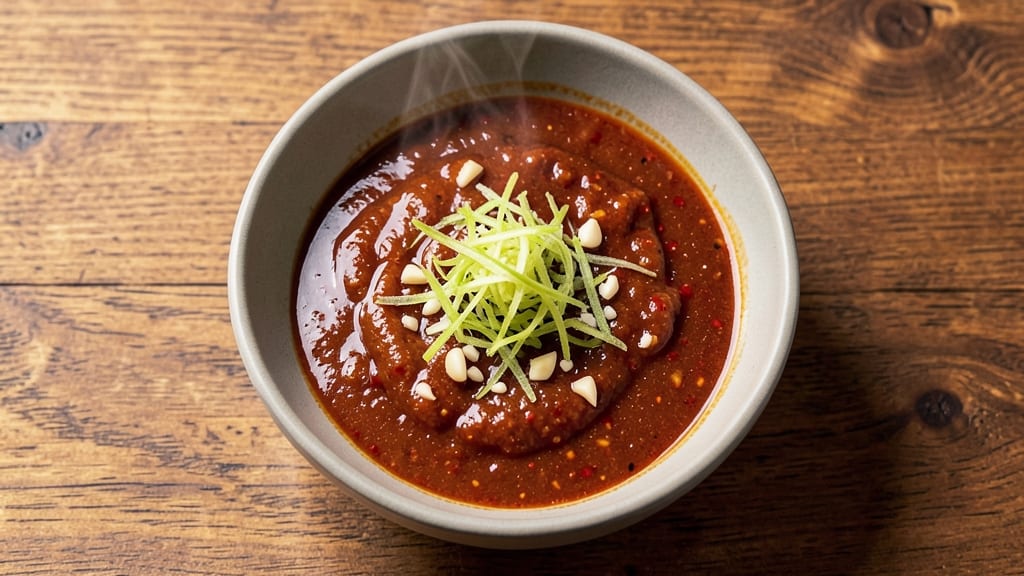
This Asian kick wing sauce recipe transforms ordinary wings into a restaurant-quality experience with its perfect balance of spicy, sweet, and umami flavors. The secret lies in combining gochujang's fermented depth with honey's caramel notes, creating a glaze that clings beautifully to crispy wings while adding layers of complexity.
I've perfected this sauce over countless batches, ensuring it delivers consistent heat and sweetness without overpowering the natural taste of the wings.
The beauty of this sauce is its versatility—it's not just for wings. Use it as a dipping sauce for dumplings, a glaze for grilled meats, or a flavor booster for noodles.
The recipe requires just 10 minutes of active prep and 5 minutes of simmering, making it a quick yet impressive addition to any meal. The ingredients are simple but powerful: gochujang for that signature Korean spice, soy sauce for umami, honey for sweetness, and garlic for aromatic depth.
What you'll end up with is a glossy, sticky glaze that's perfectly balanced—spicy enough to kick, sweet enough to satisfy, and rich enough to make every bite unforgettable. The sauce thickens as it cools, creating an ideal consistency for dipping or drizzling.
Once you try this, store-bought versions will never compare again. Let's get started on creating this flavor-packed sauce that will elevate your dishes.
Store any leftovers in an airtight container in the refrigerator for up to two weeks, or freeze for up to three months. The flavors actually deepen over time, making this sauce even more worth the effort.
Whether you're prepping for game day or adding excitement to a weeknight dinner, this kick wing sauce delivers professional-level results with minimal effort.
Ingredients for asian kick wing sauce
Simple yet powerful ingredients that create a restaurant-worthy sauce for wings and beyond.
| Ingredient | Amount | Notes |
|---|---|---|
| Gochujang Paste 🌶️ | ½ cup | Korean fermented chili paste |
| Honey 🍯 | ⅓ cup | Light or dark variety |
| Light Soy Sauce 🥄 | ⅓ cup | Kikkoman preferred |
| Rice Vinegar 🍶 | ¼ cup | Seasoned if available |
| Garlic Cloves 🧄 | 6 cloves | Minced for aromatic depth |
| Fresh Ginger 🌿 | 1 tbsp | Finely grated, zesty flavor |
| Sesame Oil 🫒 | 1 tbsp | Toasted for nutty aroma |
| Water 💧 | ¼ cup | Adjust for desired consistency |
| Salt 🧂 | ½ tsp | Kosher or sea salt |
| Sriracha 🌶️ | 1 tbsp | Optional for extra heat |
Gochujang is the star here—look for the smooth, fermented kind at Asian markets or well-stocked grocery stores like H Mart or Trader Joe's. The brand matters: Maesil Gochujang or Dong Guk Gochujang are my go-tos for that deep, complex flavor. If you can only find the cheaper stuff, just add an extra 1/2 teaspoon of sugar to balance any bitterness. Honey should be real—Manuka or clover both work, but avoid that overly processed corn syrup stuff. The garlic? Fresh is non-negotiable—jarred minced has no aroma. For ginger, young, firm pieces with no wrinkles give the best zing.
No gochujang? Mix 2 tbsp sriracha with 1 tbsp tomato paste and 1 tbsp soy sauce—it won't be identical, but it'll get you close. Swapping honey for maple syrup works, though it'll taste slightly different. Light soy sauce is key—dark soy adds color but overpowers the flavor. Running short on rice vinegar? Substitute apple cider vinegar at the same amount. Sesame oil? Toast your own seeds for 2 minutes in a dry pan to bring out the aroma, then grind them—game changer. The water is your consistency control; add it gradually if the sauce gets too thick while simmering. Sriracha is optional but worth it if you love heat—Huy Fong is the most widely available.
This sauce thickens as it cools, so let it sit 10 minutes before using. Store in a clean glass jar with a tight lid—keeps in the fridge for up to 2 weeks, freezes beautifully for 3 months. I like to portion it into ice cube trays before freezing; just pop out what you need. The flavors actually get better after a day or two, so make extra. It's perfect for game day, but also amazing on grilled chicken or as a dipping sauce for dumplings—trust me, you'll want to make this weekly
Why You'll Love This Recipe
- Five-Ingredient Magic: I swear, this sauce comes together with just a whisk and a bowl—no blender, no fancy techniques. The gochujang and honey blend into something velvety in seconds, and the garlic? Just minced while you chat with someone. That’s it.
- Sweet-Spicy Balance: Honestly, the first time I tasted this, I nearly licked the spoon. The gochujang gives that deep, fermented heat, while the honey cuts through it like a cool breeze. Add a splash of rice vinegar, and suddenly you’ve got a sauce that’s addictive without being overpowering.
- Game for Any Meal: This isn’t just for wings—drizzle it on fried rice, toss it with noodles, or even slather it on grilled chicken. I’ve used it as a marinade, a dipping sauce, and even a quick glaze for roasted veggies. It’s the kind of sauce that makes lazy nights feel special.
- Leftovers That Don’t Suck: Between us, most sauces turn sad after day two. Not this one. The vinegar keeps it fresh, and the soy adds depth, so it actually tastes better the next time around. Store it in the fridge, and you’ve got a ready-made flavor bomb for weeks. Budget win.
Step-by-step instructions for Asian kick wing sauce
Here's how to blend bold flavors into a perfect balance of heat, sweetness, and umami.
Prepare the Aromatics
In a small bowl, finely mince the 6 cloves garlic cloves and grate the 1 tablespoon fresh ginger using a microplane or fine grater. You want the garlic to be almost paste-like and the ginger to create a fine, zesty texture. This preparation ensures the flavors meld smoothly into the sauce rather than sitting in large chunks.
Set these aside while you measure out the remaining ingredients. The reason for prepping them first is that they'll infuse the sauce as it simmers, creating that deep, aromatic foundation. If you're using a garlic press, be sure to press the cloves directly into the sauce pan later to avoid losing any of that precious garlic oil.
Combine Wet Ingredients
In a medium saucepan, combine the 0.5 cup gochujang paste, 0.33 cup honey, 0.33 cup light soy sauce, 0.25 cup rice vinegar, 1 tablespoon sesame oil, 0.25 cup water, and 0.5 teaspoon salt. Stir well to create a smooth, thick mixture. You'll notice the gochujang gives it a deep red color right away, which will only intensify as it cooks.
Place the saucepan over medium-low heat and let it warm through for 3-4 minutes, stirring occasionally. This gentle heat helps the ingredients begin to integrate without scorching. You'll see the mixture bubble slightly and the colors deepen—this is your first indication that the flavors are starting to come together.
Add Aromatics and Simmer
Add the minced garlic and grated ginger to the saucepan and stir constantly for 2-3 minutes. The garlic should become fragrant and slightly translucent, while the ginger will dissolve into the mixture. This step is crucial for building the sauce's complex flavor profile—don't rush it, or you'll miss out on that aromatic punch.
Once the garlic is fragrant, reduce the heat to low and let the sauce simmer gently for 10-12 minutes. You're looking for the sauce to thicken slightly and coat the back of a spoon. If it starts to bubble too vigorously, reduce the heat further. The sauce should smell rich, with a balance of sweet, tangy, and spicy notes. Here's the thing—if it looks too thick, you can add 1-2 tablespoons of water to loosen it, but don't overdo it.
Finish with Sriracha and Adjust
Remove the saucepan from heat and stir in the 1 tablespoon sriracha. Taste the sauce immediately—this is where you'll decide if it needs any adjustments. The sriracha adds an extra layer of heat and tang, but if you prefer a milder sauce, you can reduce it to ½ tablespoon or skip it entirely. Let the sauce sit off the heat for 5 minutes to allow the flavors to fully meld.
For the perfect balance, you want the sauce to have a slight tang from the rice vinegar, a deep sweetness from the honey, and a lingering heat from the gochujang and sriracha. If it needs more depth, a pinch of salt or a splash of soy sauce can help. If it's too thick, thin it with a little water. The goal is a glossy, well-balanced sauce that clings beautifully to wings or noodles.
Pro Tips For Making Asian Kick Wing Sauce
- STIR CONSTANTLY ON LOW: Gochujang burns faster than you’d think—keep the heat low and stir like you’re stirring oatmeal. I learned this the hard way when my first batch turned into a charred brick wall instead of glossy sauce. If you’re using fresh garlic, add it after the gochujang has warmed for 2 minutes first, or it’ll scorch before it softens.
- MINCE GARLIC FINE: No, "chopped" isn’t enough—you want garlic so fine it almost dissolves. A microplane or the flat side of a knife works best. Coarse garlic stays noticeable and throws off the sauce’s silky texture. (Yes, even if you’re impatient like me.)
- BALANCE THE SOUR: Rice vinegar’s job isn’t just tang—it cuts the gochujang’s heat. Start with 1 teaspoon, taste, then add another if needed. Too little? The sauce tastes one-note. Too much? It’ll fight the honey’s sweetness. (Your future self will regret guessing.)
- WHISK IN HONEY LAST: Add honey when the sauce is just off the heat—it thickens fast when hot. Stirring it in too early turns your glossy sauce into a sticky mess. If it looks too thick, a splash of warm water (not cold) fixes it without breaking the flavor. (Does it look weird? Yes. Does it work? Every single time.)
Make-ahead tips for asian kick wing sauce
Batch Prep Strategy
Make a double batch of this sauce when you have time—it’s perfect for game day or meal prep. The ingredients scale perfectly, so just double everything and use the same simmering method.
I like to portion it into 4-ounce glass jars (like Ball Mason jars) for easy storage and reheating. The sauce thickens as it cools, so let it sit for 10 minutes before portioning to avoid spills. 💡
Freezing for Convenience
Freeze the sauce in ice cube trays for single-use portions—just pop out what you need and toss it into a bowl to thaw. I find this works best for wings, where you only need a few cubes per batch.
For larger uses (like glazing meats), freeze in quart-sized freezer bags with 1 inch of headspace to prevent expansion cracks. Thaw overnight in the fridge or microwave for 30 seconds on defrost mode. ✨
Reheating Perfection
Reheat sauce gently to preserve its texture and flavor. For stovetop, warm in a small saucepan over low heat for 3-5 minutes, stirring occasionally. If it thickens too much, add 1 teaspoon of water at a time.
For microwave reheating, use 50% power for 20-30 seconds, then stir and check—microwaving can break down the sauce’s glossy finish. 🔥
Sauce Versatility
This sauce isn’t just for wings—use it as a marinade for grilled chicken or pork, a dipping sauce for spring rolls or dumplings, or a glaze for tofu or vegetables.
For marinades, mix 1/4 cup sauce with 1/4 cup olive oil and let it sit for 30 minutes before cooking. The umami depth makes it a fantastic base for stir-fries too. 🌶️
Long-Term Storage
Store leftover sauce in an airtight glass container in the fridge for up to 2 weeks. The flavors actually deepen over time, so it tastes even better after a few days. For longer storage, freeze for up to 3 months.
When reheating from frozen, add 1 tablespoon of water to prevent thickening. I like to label jars with the date to keep track—trust me, you’ll want to make this often! 💪
Game Day Hack
Prep the sauce the night before and store it in the fridge. On game day, simply reheat and toss it with crispy wings or use it as a dipping sauce.
I also like to keep a small jar in the fridge for quick flavor boosts—just a spoonful can turn a simple meal into something exciting. For extra convenience, freeze individual portions in small silicone molds so you can grab and go. 🏈
Nutrition facts
Frequently asked questions
Can I make this sauce without gochujang?
Yes! For a substitute, mix 2 tablespoons sriracha with 1 tablespoon tomato paste and 1 tablespoon soy sauce. While it won't be identical, it'll still deliver that signature spicy-sweet kick. The sauce will taste slightly less complex, but the heat and umami will remain.
How do I adjust the heat level?
Reduce heat by cutting the sriracha to ½ tablespoon or omitting it entirely. For extra spice, add ½ teaspoon red pepper flakes or a dash of cayenne. Taste as you go—this sauce is highly customizable! The gochujang already provides natural heat, so adjustments are easy.
What's the best way to use this sauce beyond wings?
This versatile glaze works perfectly as a marinade for grilled meats, a dip for spring rolls or dumplings, or a stir-fry sauce. For marinades, mix ¼ cup sauce with ¼ cup olive oil and let it sit for 30 minutes. The umami depth elevates any dish!
Can I make this sauce ahead of time?
The flavors actually improve with time. Store in an airtight glass container in the fridge for up to 2 weeks or freeze for 3 months. Portion into ice cube trays for single-use convenience—just pop out what you need. The sauce thickens as it cools, so let it sit 10 minutes before using.
Why did my sauce turn out too thick?
This happens when simmering reduces the liquid too much. Thin with 1-2 teaspoons of water at a time until you reach a glossy, dippable consistency. For future batches, reduce simmering time to 8-10 minutes or add 1 extra tablespoon of water at the start. The sauce should coat the back of a spoon but still flow smoothly.