
Sauces & Condiments
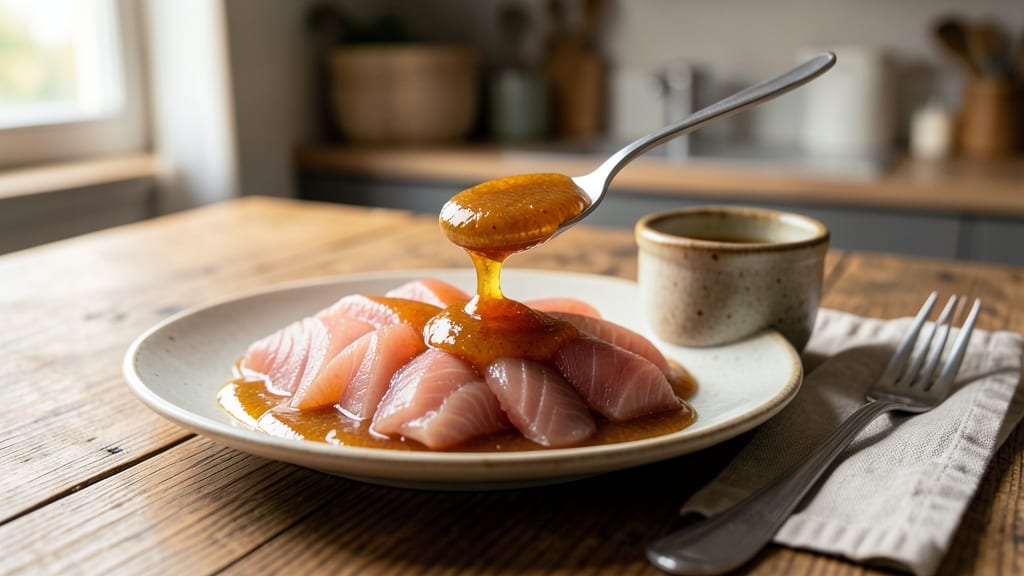
This sushi dipping sauce recipe transforms ordinary soy sauce into a complex, umami-packed fusion that elevates every bite of sushi. The secret lies in balancing traditional soy and rice vinegar with fresh ginger and a touch of sweetness, creating a sauce that's both bold and refined.
I developed this version after testing countless combinations—this one consistently delivers that perfect harmony of salty, tangy, and slightly sweet flavors.
The beauty of this sauce is its simplicity: just five ingredients combine to create something restaurant-quality. A quick simmer reduces the sauce to a glossy, concentrated consistency, while fresh ginger adds a bright, zesty kick that cuts through the richness of fatty fish.
The result is a sauce that's versatile enough for nigiri, sashimi, or even grilled meats, yet always feels like a true sushi companion.
What you'll achieve is a sauce that's vibrant amber in color, with layers of flavor that develop even more after resting. The ginger's heat mellows slightly as it cooks, while the mirin adds just enough sweetness to balance the acidity.
This isn't just a dipping sauce—it's a flavor enhancer that turns simple sushi into an exceptional meal.
The best part? This sauce keeps beautifully in the refrigerator for up to two weeks, making it perfect for meal prep or hosting guests. Once you try this version, store-bought options will never satisfy again. Let's get to the recipe—your sushi nights just got an upgrade.
Ingredients for sushi dipping sauce
Five ingredients that turn simple soy sauce into a restaurant-worthy sushi companion.
| Ingredient | Amount | Notes |
|---|---|---|
| Soy Sauce 🥢 | ½ cup | High-quality, reduced variety |
| Rice Vinegar 🍶 | ¼ cup | Seasoned preferred for depth |
| Fresh Ginger 🧅 | 2 tbsp | Finely grated, bright and zesty |
| Mirin 🍶 | 2 tbsp | Sweet rice wine, not imitation |
| Sesame Oil 🌰 | 1 tbsp | Toasted sesame preferred |
| Granulated Sugar 🍬 | 1 tsp | Or substitute honey |
| Toasted Sesame Seeds 🌰 | 1 tbsp | For garnish, optional |
The soy sauce is non-negotiable—Kikkoman or Yamasa are my go-tos, but any high-quality brand works. Look for reduced soy sauce if you can find it—it's already concentrated and gives you that deep umami punch right away. The rice vinegar? Seasoned rice vinegar from Mushroom Town or Trader Joe's adds subtle sweetness and complexity. Fresh ginger is a game-changer here—buy it at the Asian market if you can, where it's usually sold in those big knobby roots. That vibrant, zesty flavor is what cuts through the richness of fatty fish. And don't even think about using powdered ginger—it's a flavor crime.
No mirin? Substitute 1 tbsp honey plus 1 tsp rice vinegar—it's not identical, but it gets you close. Out of sesame oil? Avocado oil works in a pinch, but it won't have that nutty toasted depth. The sugar is just a tiny touch—honey or maple syrup works perfectly if you're out. Want to make this spicier? Add a pinch of red pepper flakes or a dash of Sriracha. The sauce thickens as it cools, so if it feels too thin after simmering, let it sit for 10 minutes before adjusting. Trust me, it'll come together.
This sauce keeps beautifully in the fridge for up to 2 weeks, but it actually tastes better after resting overnight—all those flavors meld together. Store it in a clean glass jar with a tight lid. When you're ready to use it, give it a quick stir and taste. If it's too thick, add a splash of warm water. Garnish with those toasted sesame seeds right before serving—they add crunch and visual appeal. Make a double batch if you're hosting; it disappears fast and is always a crowd-pleaser.
Why You'll Love This Recipe
- Five-Ingredient Magic: I swear by this combo—just heat soy sauce, vinegar, and ginger until it smells like a Tokyo street cart. No blenders, no straining, just a quick simmer that transforms basic pantry staples into something irresistible.
- Umami Bomb: That little splash of mirin? It’s the secret weapon turning salty soy into something rich and layered. The sesame oil adds this nutty warmth that makes every bite of sushi taste like a Michelin-starred bite.
- Party & Prep: Make a big batch—it’s my go-to for game nights, lunchboxes, or when friends drop by unannounced. Keeps beautifully in the fridge for a week, so you’re never scrambling for last-minute dipping.
- Budget Bright Spot: Soy sauce, vinegar, ginger—these are the kind of ingredients that don’t break the bank but make everything taste like you spent hours cooking. Honestly, it’s the kind of sauce that makes takeout feel fancy.
Step-by-step instructions for sushi dipping sauce
This umami-packed sauce comes together in minutes with ingredients you already have.
Grate the Fresh Ginger Finely
Start by grating the 2 tablespoons of fresh ginger using the smallest holes on your grater or a microplane. You want it as fine as possible—think almost like a paste. The finer the ginger, the more evenly it will distribute throughout the sauce and the brighter the flavor will be. If you're using a knife, chop it extremely finely and then press it through a strainer to remove any fibrous bits.
Here's the thing—fresh ginger has a potent flavor, so you want it fully incorporated. If you skip this step and just slice it, you'll end up with little ginger shavings floating in your sauce. That's not what we're going for. Once you've got your finely grated ginger, set it aside in a small bowl.
Combine Wet Ingredients in a Saucepan
In a small saucepan, combine the 0.5 cup soy sauce, 0.25 cup rice vinegar, 2 tablespoons mirin, 1 tablespoon sesame oil, and 1 teaspoon granulated sugar. This is where all the magic happens—each ingredient plays a crucial role. The soy sauce provides that deep umami flavor, the rice vinegar adds a touch of acidity, and the mirin brings natural sweetness. The sesame oil contributes a nutty aroma, while the sugar helps balance the flavors.
Place the saucepan over medium-low heat and bring the mixture to a gentle simmer. You're not looking for a rolling boil here—just a soft bubble that indicates the ingredients are warming through. Let it simmer for 5-7 minutes, stirring occasionally with a wooden spoon. This gentle heat allows the flavors to meld together while the sugar dissolves completely. You'll notice the mixture darkening slightly as it simmers—that's a good sign.
Add the Grated Ginger and Simmer
Once the mixture is simmering gently, add the finely grated ginger. Stir well to incorporate it completely—you want every bit of that zesty ginger flavor distributed throughout. Let the sauce continue to simmer for another 3-5 minutes. This extra time allows the ginger to soften slightly and release its oils, which will make the sauce even more flavorful.
Here's a pro tip: Taste the sauce as it simmers. If you find it needs more depth, you can add a tiny splash more soy sauce. If it needs more brightness, a small amount of rice vinegar will help. The goal is a balance of salty, sweet, tangy, and spicy. Once you're happy with the flavor, remove the saucepan from heat. The sauce will continue to thicken slightly as it cools, so don't worry if it looks a bit thin right now.
Cool and Finish with Toasted Sesame Seeds
Let the sauce cool to room temperature. This step is important because it allows the flavors to fully develop and meld together. While it cools, you can prepare your toasted sesame seeds. Simply sprinkle the 1 tablespoon of toasted sesame seeds onto a small plate and lightly toast them in the microwave for 10-15 seconds to enhance their aroma. This step is optional but adds a beautiful crunch and extra depth of flavor to your sauce.
Once the sauce has cooled, give it one final taste. If it's too thick, you can thin it with a teaspoon of water or a splash of rice vinegar. If it's too thin, let it sit at room temperature for a few more minutes—it will naturally thicken as it cools. Transfer the sauce to a small jar or bowl and sprinkle the toasted sesame seeds on top. Serve immediately or store in the refrigerator for up to 1 week—it will only get better with time as the flavors continue to meld.
Pro Tips For Making Sushi Dipping Sauce
- Grate Ginger Fine: Use the smallest holes on your grater—think confetti, not matchsticks. I learned this the hard way after my sauce tasted like a ginger root had crashed the party. A quick pulse in a food processor works too, but don’t overdo it or you’ll turn it into paste.
- Simmer Just Until Warm: Heat the sauce on low for 30 seconds—no more. You’re not cooking, just waking up the flavors. I once boiled mine for 2 minutes and ended up with a sad, vinegary mess. Keep an eye on it.
- Balance the Mirin: Start with 1 tablespoon of mirin per ¼ cup soy sauce, then taste. Too sweet? Add a splash of rice vinegar. Too sharp? A tiny extra drizzle of mirin fixes it. My first batch was cloying—I now adjust as I go.
- Stir in Sesame Oil Last: Add the sesame oil right before serving—it’s the aroma bomb. Stirring it in early makes the sauce smell amazing but taste flat. Save that nutty punch for the final whisk. (Yes, even if you’re impatient like me.)
Dietary considerations for this dish
Gluten-Free Adaptation
This sauce is naturally gluten-free, but always double-check your soy sauce label—some brands contain wheat. I recommend Kikkoman Tamari or San-J Tamari, which are certified gluten-free and provide that same deep umami flavor without the gluten. Tamari has a slightly richer taste, making it perfect for sushi dipping. 🌱
Low-Sodium Option
If you're watching your sodium intake, reduce the soy sauce to ¼ cup and add 1 tablespoon coconut aminos for a lower-sodium alternative. Coconut aminos have a similar savory profile but with less sodium.
You'll still achieve that umami depth while cutting back on salt. I've tested this swap and found it works beautifully.
Vegan-Friendly
This recipe is already vegan, but if you're using a soy sauce alternative, ensure it's made from soybeans and doesn't contain fish-based additives. San-J Tamari or Prince Organic Soy Sauce are excellent vegan options.
The ginger, mirin, and sesame oil are all plant-based, so no modifications are needed beyond the soy sauce choice. 🌱
Sugar-Free Version
For a sugar-free adaptation, omit the 1 teaspoon granulated sugar and add ½ teaspoon erythritol or monk fruit sweetener instead. This maintains the sweetness without affecting blood sugar levels.
The mirin provides some natural sweetness, so you might not need the sweetener at all—taste as you go! This version works perfectly for keto or low-carb diets.
Allergen Considerations
This sauce contains sesame, so if you have a sesame allergy, substitute 1 tablespoon avocado oil for the sesame oil. For nut allergies, ensure your toasted sesame seeds are processed in a nut-free facility.
If you're serving guests with allergies, always check labels on store-bought ingredients like soy sauce and mirin. Clear communication about allergens is key when sharing this recipe. 💡
Nutrition facts
Frequently asked questions
Can I make this sauce without fresh ginger?
You can use 1 teaspoon ground ginger as a substitute, but fresh ginger gives the best flavor. If using ground ginger, add it to the saucepan with the wet ingredients and simmer for 2-3 minutes less since it's more concentrated. For extra zing, add a pinch of red pepper flakes or a dash of Sriracha to compensate for the missing freshness.
How long does this sauce keep, and can I freeze it?
This sauce stays fresh in the refrigerator for up to 2 weeks in an airtight container. For freezing, portion it into ice cube trays or small containers—it keeps for 3 months. Thaw overnight in the fridge before using. The flavors actually deepen over time, so it's perfect for meal prep!
What's the best way to serve this sauce?
Serve this sauce at room temperature for the best flavor experience. Pour it into a small bowl or ceramic dish and garnish with toasted sesame seeds right before serving. For an elegant touch, use a lacy doily under the bowl. It pairs perfectly with nigiri, sashimi, or even tempura—just dip lightly to avoid soggy rice!
Can I adjust the spice level?
For more heat, add ½ teaspoon grated daikon radish or a pinch of gochugaru (Korean chili flakes) while simmering. For a milder version, reduce the ginger to 1 tablespoon and omit the sesame oil's slight nuttiness. Always taste as you go—this sauce is highly customizable!
Why does my sauce look too thin?
This sauce naturally thickens as it cools. If it's still too thin after chilling, let it sit at room temperature for 10-15 minutes—it will thicken naturally. For immediate thickening, mix ½ teaspoon cornstarch with 1 teaspoon water, stir into the warm sauce, and simmer for 1 minute. Never over-thicken—it should remain glossy and pourable.