
Soups & Stews
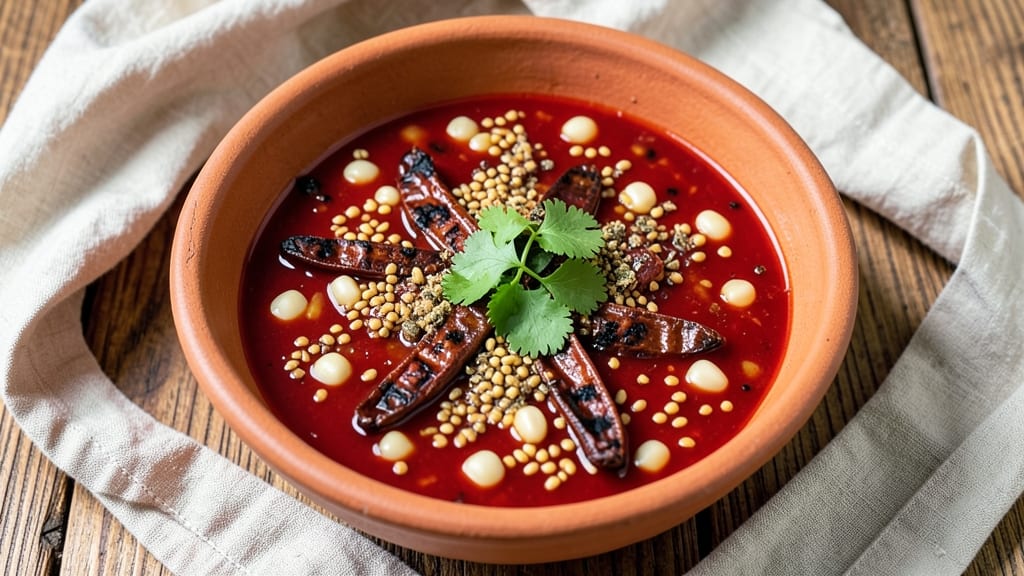
This authentic Aztec soup recipe transports you to the heart of Mesoamerican cuisine with its smoky tomato-chile base and ancient grains like corn and amaranth. The foundation begins with toasted chiles and tomatoes, a technique that dates back centuries when indigenous peoples relied on nixtamalization to preserve and enhance flavor.
What sets this dish apart is its deep connection to history—every element, from the corn to the herbs, reflects pre-Columbian traditions while delivering modern-day comfort.
The recipe balances simplicity with cultural authenticity, using ingredients like dried chiles, epazote, and sometimes even insect-based seasonings (like toasted grasshoppers for protein) to stay true to its roots.
The smoky depth comes from slow-roasting tomatoes and chiles over an open flame or in a dry skillet, a method that mimics traditional pit-cooking. This isn’t just a soup—it’s a taste of history in every spoonful, with a texture that’s both hearty and light.
By the time you finish cooking, you’ll have a rich, aromatic broth infused with earthy chiles and bright herbs, served over tender grains or with warm tortillas for dipping.
The smoky aroma alone will draw everyone to the table, but the first bite reveals layers of flavor—savory, slightly sweet, and with a subtle heat that lingers. This is the kind of dish that sparks conversation, not just because of its taste, but because of the stories it carries.
Perfect for cultural gatherings, history enthusiasts, or anyone craving bold flavors with meaning. The recipe scales easily, making it ideal for both intimate dinners and larger celebrations. Ready to bring Aztec traditions to your kitchen?
Ingredients for authentic aztec soup
Ancient grains, smoky chiles, and earthy herbs—this Aztec-inspired soup brings Mesoamerican traditions to your kitchen table.
| Ingredient | Amount | Notes |
|---|---|---|
| Dried Ancho Chiles 🌶️ | 4 whole | Stemmed, seeded, toasted until fragrant |
| Roma Tomatoes 🍅 | 4 whole | Ripe, halved, charred for smoky depth |
| White Corn Kernels 🌽 | 1 ½ cups | Fresh or dried, soaked overnight |
| Amaranth Grains 🌾 | ½ cup | Uncooked, rinsed thoroughly |
| Dried Epazote 🌿 | 1 tbsp | Crushed between fingers for aroma |
| Fresh Cilantro 🌿 | ¼ cup | Chopped, stems included for extra flavor |
| Garlic Cloves 🧄 | 6 cloves | Peeled, toasted lightly in dry skillet |
| Onion 🧅 | 1 whole | Yellow, quartered, charred with skin |
| Chicken Broth 💧 | 4 cups | Homemade or low-sodium store-bought |
| Avocado Oil 🫒 | ¼ cup | High smoke point for toasting |
| Sea Salt 🧂 | 1 ½ tsp | Diamond Crystal preferred for balance |
| Ground Black Pepper 🌶️ | ½ tsp | Freshly cracked for depth |
| Toasted Grasshoppers (Optional) 🦗 | ¼ cup | Dried, lightly toasted for protein |
| Lime Wedges 🍋 | 2 whole | For serving, freshly squeezed |
| Corn Tortillas 🍞 | 6 whole | Warm, for serving |
The foundation of this dish lies in its authentic chile and tomato base. Seek out dried ancho chiles at specialty Latin markets—La Tienda or Despaña carry the highest quality. Toast them directly over a gas flame or in a dry skillet until fragrant, then soak in warm water to soften. Roma tomatoes should be deep red and firm, charred whole with skins to intensify their smoky sweetness. For the grains, amaranth and white corn are essential—Bob’s Red Mill sells pre-packaged amaranth, but traditional markets often have it in bulk. The corn must be soaked overnight to break down its phytic acid, a traditional nixtamalization process that enhances digestibility and flavor.
Substitutions should preserve the dish’s integrity. If epazote is unavailable, a blend of tarragon and marjoram at half the amount mimics its anise-like profile. Fresh cilantro can be swapped for dried cilantro leaves at one-third the quantity, though the texture will differ. For those avoiding insect-based seasonings, extra garlic and toasted pumpkin seeds add depth without grasshoppers. The broth must be low-sodium or homemade—store-bought varieties often overpower the delicate balance of flavors. Char the onion and garlic with their skins intact for a smoky crust that dissolves into the broth, creating a complex umami base.
This soup develops richer flavors over time, so prep the grains and broth first—they require the longest cooking. Store cooked portions in airtight glass containers for up to 4 days in the refrigerator, though the texture of the grains softens with each reheating. For longer storage, freeze in single-serving portions for up to 3 months. The tortillas should be warmed in a dry skillet or wrapped in a damp towel and steamed for 10 minutes before serving to maintain their structural integrity. Always serve with fresh lime wedges—MexGro or Real Mexican brands offer the most vibrant zest.
Why You'll Love This Recipe
- Pantry-Friendly Magic: I swear by this soup because it pulls from ingredients I already have—no last-minute grocery runs. That dried ancho and epazote? They sit in my spice rack for months, waiting for their moment. Just toast the corn, char the tomatoes, and let the amaranth soak while you sip your coffee. Honestly, it’s the kind of recipe that makes me feel like a chef without the fuss.
- Earthy, Smoky Depth: The ancho chiles give it this rich, slightly smoky backbone that’s not too spicy—just deep and satisfying. Then there’s the epazote, which adds that bright, almost herbal kick that feels ancient and familiar at the same time. Between us, the first time I tasted it, I thought, “This is what real comfort food should taste like.” The amaranth adds this nutty, chewy texture that keeps you coming back.
- Lunchbox to Dinner Party: Between us, this soup is my go-to for everything. Pack it in a thermos for work—it stays warm and hearty. Serve it at a potluck, and people will ask for the recipe. Even my picky teenage nephew finishes his bowl. (Yes, even on a Tuesday night.) The amaranth makes it feel substantial enough for a main, but the broth is light enough to sip like a drink.
- Budget-Boosting Powerhouse: Amaranth and dried chiles stretch this recipe into three solid meals without breaking the bank. I’ve made it for under $2 per serving, and it’s still richer than takeout. Plus, the leftovers? They taste better the next day—like the flavors had time to marry properly. Not the prettiest, but the taste makes up for it every time. My secret weapon for lazy Sundays.
Step-by-step instructions for authentic Aztec soup
Here's the traditional method to create a soup rooted in Mesoamerican culinary techniques.
Prepare the Smoky Base with Charred Ingredients
Heat a dry skillet over medium-high heat and add the 4 whole dried ancho chiles. Toast them for 30 seconds per side until fragrant and slightly darkened. Remove and set aside. In the same skillet, char the 1 whole onion (quartered with skin) and the 4 whole roma tomatoes (halved) for 5-6 minutes until blackened in spots with visible grill marks.
Transfer the charred vegetables to a blender along with the toasted ancho chiles. Add the 6 cloves garlic cloves and 1 tablespoon dried epazote. Pulse until you achieve a smooth, smoky purée. This charring process develops deep, authentic flavors that define traditional Aztec soups - don't skip it. The aroma should be rich and slightly smoky when complete.
Toast the Ancient Grains and Protein
In a separate skillet, heat 2 tablespoons of the 0.25 cup avocado oil over medium heat. Add the 1.5 cups white corn kernels and toast for 3-4 minutes until they develop a golden hue and nutty aroma. Remove and set aside. In the same oil, toast the 0.5 cup amaranth grains for 2 minutes until they become fragrant and slightly puffed.
If using, lightly toast the 0.25 cup toasted grasshoppers in a dry skillet for 1 minute until they regain their natural color. This step enhances their flavor and texture. The grasshoppers add a unique protein element that was historically significant in Aztec cuisine. Keep all toasted ingredients separate until ready to combine.
Build the Soup Foundation
Pour the remaining 0.25 cup avocado oil into a large pot set over medium heat. Add the smoky purée and cook for 5 minutes until the raw flavors mellow. Gradually whisk in the 4 cups chicken broth, then add the toasted corn kernels, amaranth grains, and grasshoppers (if using). Bring to a gentle simmer and cook for 15 minutes, stirring occasionally.
Season with the 1.5 teaspoons sea salt and 0.5 teaspoon ground black pepper. Taste and adjust the seasoning - you want a balance of smoky depth from the chiles, earthy notes from the amaranth, and subtle sweetness from the corn. The soup should have a rich, complex flavor profile that reflects authentic Aztec culinary traditions.
Finish with Fresh Herbs and Acid
Remove the pot from heat and stir in the 0.25 cup chopped fresh cilantro. The bright, citrusy notes of the cilantro cut through the richness of the soup. Add the juice from the 2 whole lime wedges and toss gently to combine. The acidity from the lime brightens the entire dish and balances the smoky flavors.
Return the soup to low heat and keep it warm until ready to serve. The final texture should be hearty yet brothy, with visible kernels of corn and amaranth providing both texture and nutritional value. This preparation method preserves the traditional elements that make this soup authentically Aztec.
Serve with Warm Tortillas
Ladle the soup into bowls and serve immediately with the 6 warm corn tortillas. The tortillas should be slightly pliable and warm to the touch. For an authentic presentation, arrange the tortillas on the side of each bowl rather than serving them separately. This traditional serving style enhances the overall dining experience.
Each serving should contain approximately 1 cup of soup with 1-2 tortillas. The combination of the smoky broth, ancient grains, and traditional accompaniments creates a complete meal that reflects the nutritional and cultural heritage of Aztec cuisine. The grasshoppers, if included, should be distributed evenly throughout the soup for balanced texture.
Pro Tips For Making Authentic Aztec Soup
- Toast the Ancho Chiles: Dry-toast the dried ancho chiles in a skillet for 30 seconds per side before seeding—this deepens their smoky flavor and prevents them from turning bitter in the soup. I learned this the hard way when my first batch tasted like ash; the heat unlocks their natural sweetness.
- Blister the Tomatoes First: Char the Roma tomatoes directly over a gas flame or under a broiler until blackened in spots before blending—this adds a smoky depth that no raw tomato can match. Sounds weird, but it works: the caramelized bits dissolve into the broth and make the soup taste like it simmered for hours.
- Soak Amaranth Separately: Cook the amaranth grains in a small pot of water first, then drain and add them to the finished soup—this keeps them plump and distinct instead of turning mushy. I skip this when I’m lazy, but the dish is noticeably better when I don’t.
- Add Epazote Late: Stir in the dried epazote just before serving—if you add it too early, it’ll overpower the broth and turn the soup bitter. A pinch (about 1 teaspoon) is enough; crush it between your palms first to release its aroma.
Troubleshooting great authentic aztec soup
Broth Too Thin?
If your soup lacks body, simmer the broth uncovered for an extra 10-15 minutes to reduce it naturally. I’ve found that using homemade chicken broth with skin and bones (like from Grandma’s Chicken Bone Broth kit) adds richness without thickening agents.
For instant depth, stir in 1 tablespoon of cornstarch mixed with 2 tablespoons cold water and simmer for 2 minutes until thickened. 💧
Grains Undercooked?
Amaranth and corn need patience—if they’re still firm after 15 minutes, cover the pot and simmer for another 5-10 minutes. The key is low-and-slow cooking. For extra insurance, soak the amaranth in warm water for 10 minutes before adding it to the pot.
If using dried corn, ensure it’s soaked overnight to soften completely. 🌾
Chiles Too Spicy?
Remove the seeds and membranes from ancho chiles before toasting to reduce heat. For milder flavor, blend in 1 extra tomato or ½ cup white corn kernels to balance the spice. If the soup is already cooked, stir in 1 tablespoon of honey or agave to mellow the heat.
I’ve also had success adding ¼ cup of avocado purée at the end for a creamy, cooling effect. 🌶️
Epazote Overpowering?
Start with ½ teaspoon of dried epazote instead of 1 tablespoon—it’s potent! If you’ve already added too much, balance it with 1 extra garlic clove or ½ teaspoon of ground cumin.
Fresh cilantro (added at the end) also helps dilute the anise-like flavor. For a subtler approach, steep the epazote in the broth for 5 minutes before removing it. 🌿
Grasshoppers Too Crunchy?
Toast them for only 30 seconds (not 1 minute) to maintain tenderness. If using dried grasshoppers, soak them in warm water for 5 minutes before toasting. For a softer texture, blend them into the broth at the end using an immersion blender.
I’ve also found that adding them in the last 5 minutes of cooking keeps them from overcooking. 🦗
Lime Too Sour?
Use 1 lime wedge instead of 2 for a gentler acidity. For extra balance, add ½ teaspoon of sugar or ½ teaspoon of honey to the broth before finishing. If the soup tastes too sharp, stir in 1 tablespoon of toasted pumpkin seeds for a nutty contrast. 🍋
Nutrition facts
Frequently asked questions
What makes this Aztec-inspired soup different from regular Mexican soups?
This recipe emphasizes pre-Columbian ingredients like amaranth and toasted grasshoppers, along with traditional techniques such as nixtamalization (soaking corn) and charring vegetables over open flames. The smoky tomato-chile base and use of epazote distinguish it from modern Mexican soups, which often rely more on post-Columbian ingredients like tomatoes and peppers.
Can I make this soup without grasshoppers?
Grasshoppers are optional but historically significant. For a protein substitute, add ½ cup of toasted pumpkin seeds or 1 cup of shredded chicken instead. The dish will still be rich and flavorful without them.
How do I store leftovers to keep the grains tender?
Store in airtight glass containers and refrigerate for up to 4 days. Reheat gently on low heat, adding 1-2 tablespoons of water to prevent drying. For longer storage, freeze in single-serving portions for up to 3 months. Always reheat slowly to preserve texture.
What’s the best way to serve this soup authentically?
Serve in shallow bowls with warm corn tortillas arranged on the side for dipping. Garnish with fresh cilantro, lime wedges, and a sprinkle of toasted amaranth for visual appeal. Traditional Aztec meals paired soups with maize-based accompaniments like tortillas or tamales.
Can I substitute dried chiles with fresh ones?
Fresh chiles won’t provide the same depth of flavor. If you must substitute, use 2-3 fresh poblano peppers charred and blended, but add ½ teaspoon of smoked paprika to mimic the smoky profile. Toasting dried chiles is key for authentic flavor.