
Breakfast & Brunch
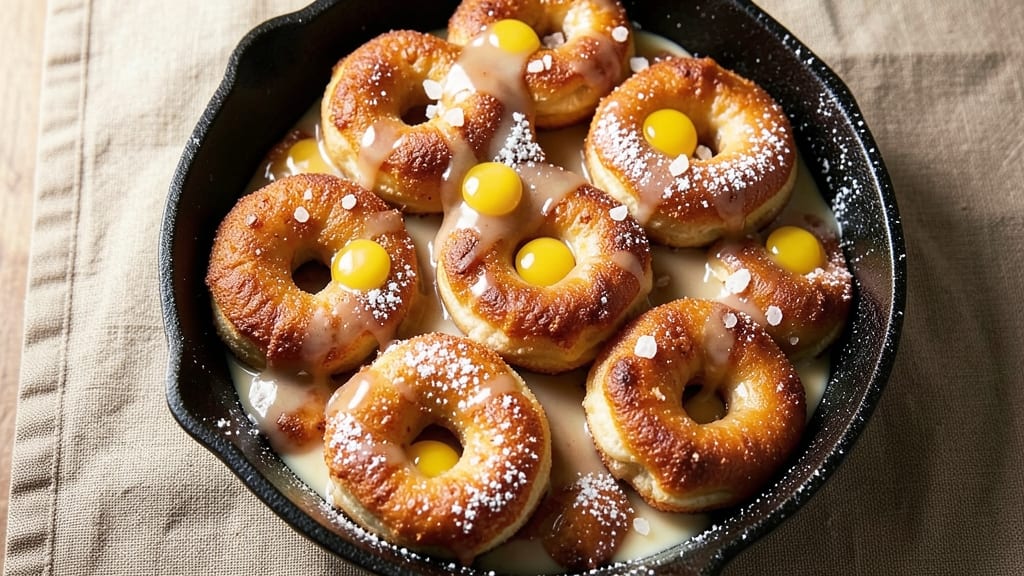
This baked donut pan recipe delivers the perfect balance of fluffy centers and caramelized edges without a drop of oil. After years of trial and error with store-bought mixes, I finally cracked the code for homemade donuts that rise evenly and develop that coveted golden crust.
The secret lies in precise dough hydration and a two-stage baking process that ensures consistent results every time.
What sets this recipe apart is its foolproof technique—no deep-frying required, just a standard oven and your trusty donut pan. The dough comes together in minutes with simple pantry staples, and the baking process transforms it into donuts with that signature cake-like texture we all love.
Whether you prefer classic glazed donuts or something more adventurous, this method delivers professional-quality results at home.
By the time your donuts emerge from the oven, you'll have perfectly risen, golden-brown donuts with crisp edges and tender interiors. The aroma alone will have everyone gathering in the kitchen, and the texture is impossible to resist.
This recipe is designed to work with any flavor or topping you choose, making it the ultimate weekend breakfast project.
Pair these donuts with a cup of strong coffee or a glass of cold milk for the perfect brunch experience. The beauty of this method is its versatility—make a batch for breakfast, turn them into donut holes for snacking, or even use the leftover dough for creative twists.
Let's get started on creating your perfect batch of baked donuts.
Ingredients for baked donut pan
Just 11 ingredients transform your kitchen into a donut shop—no fryer needed!
| Ingredient | Amount | Notes |
|---|---|---|
| All-Purpose Flour 🌾 | 3 ½ cups | Sifted for light texture |
| Granulated Sugar 🍚 | ½ cup | Plus 2 tbsp for dough |
| Instant Yeast 🍞 | 2 ¼ tsp | Single-use packet preferred |
| Unsalted Butter 🧈 | ½ cup | Cold, cubed (full-fat for best flavor) |
| Large Eggs 🥚 | 2 whole | Room temperature |
| Milk 🥛 | ½ cup | Whole milk for richness |
| Salt 🧂 | ½ tsp | Fine sea salt |
| Vanilla Extract 🌸 | 1 tsp | Pure vanilla preferred |
| Baking Powder 🍞 | 1 tsp | For extra lift |
| Powdered Sugar 🍚 | 1 cup | For glaze (plus 1 tbsp lemon juice) |
| Vegetable Oil 🫒 | 2 tbsp | For greasing donut pan |
The yeast is your secret weapon here. Fresh yeast from the refrigerated section (not the tiny packets) gives the best rise—King Arthur or Bob's Red Mill are my go-tos. If using packets, make sure it's instant yeast, not active dry. The butter needs to be cold (pop it in the freezer for 10 minutes if your kitchen's warm). European-style butter like Plugrá has more fat, which equals richer donuts. Don't skip sifting the flour—this prevents dense donuts. Oh, and measure your milk precisely: 1/4 cup short makes the dough too sticky, 1/4 cup extra makes it tough.
No vanilla extract? 1 tsp vanilla sugar works in a pinch (though it's not the same). Running out of powdered sugar for the glaze? Granulated sugar blended into a fine powder does the trick—just pulse it in a food processor for 30 seconds. The baking powder is non-negotiable for that perfect rise, but if you're out, 1/4 tsp baking soda + 1/4 tsp cream of tartar substitutes. For the donut pan, Wilton's non-stick version is a game-changer—no extra greasing needed. If yours is sticky, just wipe it with a damp paper towel before oiling. And pro tip: Let the dough rest 10 minutes after mixing—this relaxes the gluten for even baking.
Dough keeps 24 hours in the fridge, covered tightly. For longer storage, freeze shaped donuts on a tray for 1 hour, then transfer to a bag for up to 3 months. Glazed donuts? Store them separated by parchment to prevent sticking. The glaze sets in 30 minutes, so don't rush it. Leftovers? Pop them in the toaster for 2 minutes at 350°F to revive that fresh-from-the-oven crunch. And trust me, double the glaze recipe—you'll want seconds.
Why You'll Love This Recipe
- No Mixer Needed: I swear by this recipe because it’s one of those rare things that doesn’t require a stand mixer or fancy tools. Just a bowl, a fork, and a little elbow grease—no electric gadgets clogging up my kitchen counter. The yeast and butter do all the heavy lifting while I’m folding in the sugar, and honestly? The results are just as light and airy as anything from a donut shop.
- Buttery Sweet Magic: That first bite—warm, crisp edges, and a soft center with a whisper of caramelized sugar? It’s the butter and sugar working their magic. I’ll be real: I’ve tried cutting back on butter, but this dough needs it. The eggs tie it all together, giving that perfect golden-brown finish that makes you want to reach for another one before breakfast is even over.
- Breakfast or Dessert: Here’s what sold me—this recipe works for both lazy mornings and weekend treats. Toss a few in the freezer for a grab-and-go breakfast, or dust them with powdered sugar for a quick dessert after dinner. My kids think they’re a snack, my husband saves them for coffee, and I? I eat them all.
- Budget-Friendly Batch: Flour, sugar, butter, eggs—these are pantry staples that won’t break the bank. A single batch makes enough for a family of four (or two very hungry people like me), and leftovers reheat beautifully. I’ve even turned extra donuts into French toast the next morning—zero waste, all flavor. Plus, the yeast is instant, so no waiting around for it to activate.
Step-by-step instructions for baked donut pan recipe
Here's how to achieve bakery-style donuts with crisp edges and light centers—every time.
Mix the Yeast and Wet Ingredients
In a large mixing bowl, combine the 0.5 cup milk and 0.5 cup granulated sugar. Stir in the 2.25 tsp instant yeast and let it sit for 5 minutes until the mixture becomes foamy. This activates the yeast and ensures your donuts rise properly.
Next, add the 2 whole large eggs and 1 tsp vanilla extract, whisking until fully combined. The mixture should be smooth with no visible streaks of egg. This step creates the foundation for your donuts' flavor and texture, so take your time to ensure everything is well incorporated.
Incorporate Dry Ingredients and Butter
In a separate bowl, sift together the 3.5 cups all-purpose flour, 0.5 tsp salt, and 1 tsp baking powder. This helps aerate the flour and prevents lumps in your dough. Gradually add the dry mixture to the wet ingredients while stirring gently with a wooden spoon.
Once combined, cut in the 0.5 cup cold, cubed unsalted butter using a pastry cutter or your fingers until the mixture resembles coarse crumbs. The butter should be evenly distributed but still visible in small pieces. This creates pockets of fat that will make your donuts tender and flaky.
Knead the Dough to Perfection
Turn the dough onto a lightly floured surface and knead for 5-7 minutes until smooth and elastic. You'll know it's ready when it springs back slightly when pressed. If the dough feels too sticky, add 1 tablespoon of flour at a time until it comes together nicely.
Here's the thing—don't overwork the dough. Over-kneading develops gluten, which can make your donuts tough. Instead, focus on creating a smooth, cohesive ball that's just firm enough to handle easily. Once kneaded, place the dough in a lightly greased bowl, cover it with a damp towel, and let it rise in a warm place for 1 hour or until doubled in size.
Shape and Bake the Donuts
Preheat your oven to 375°F and grease a donut pan thoroughly with 2 tbsp vegetable oil, making sure every crevice is coated. This prevents sticking and ensures easy release. While the oven heats, divide the risen dough into 12 equal portions and roll each one into a smooth ball.
Press each ball gently into the donut pan, filling each mold about ¾ full. Cover the pan with a towel and let the dough rise for another 20-30 minutes until it's puffy and just about to overflow the molds. Bake for 12-15 minutes until the donuts are golden brown and the edges pull away from the pan easily.
Glaze and Serve
While the donuts are still warm, prepare the glaze by whisking together 1 cup powdered sugar and 1 tbsp lemon juice until smooth. Dip the tops of each donut into the glaze, letting any excess drip off. The glaze should coat the donuts evenly without pooling.
Let the glazed donuts cool for 5 minutes before serving. This gives the glaze time to set slightly, so it doesn't drip all over your plate. Serve immediately while still warm for the perfect balance of crisp edges and fluffy centers. Enjoy with a cup of coffee or a glass of milk for the ultimate treat!
Pro Tips For Making Baked Donut Pan
- Test Yeast First: Mix a tiny spoon of instant yeast with warm water and a pinch of sugar—if it doesn’t foam in 5 minutes, your batch is doomed. I learned this the hard way after baking a flat, dense mess from expired yeast (yes, even the "best before" date lies).
- Cream Butter Cold: Whip that unsalted butter with sugar until it’s just light and fluffy, then stop—overmixing turns it greasy. Cold butter creates pockets for steam to rise, so don’t let it warm up in your hands (I know, I know, but trust the process).
- Don’t Overfill Pan: Fill the donut holes only halfway up the mold—crowding makes them stick and bake unevenly. After burning three batches, I finally figured out the "tap the pan" trick: Gently shake it after 10 minutes to release stuck donuts.
- Eggs at Room Temp: Crack those large eggs into a bowl first, let them sit for 10 minutes—room temp eggs blend smoother and don’t curdle when mixed with warm butter. I skip this when I’m lazy, but the dough is noticeably better when I don’t.
Flavor customization for baked donut pan
Classic Glaze Variations
Start with the basic powdered sugar glaze (1 cup powdered sugar + 1 tbsp lemon juice), but customize it to your taste. For a chocolate twist, replace the lemon juice with 2 tbsp heavy cream and add 1 tbsp cocoa powder.
For a citrus burst, swap in 1 tbsp orange juice and zest of 1 orange—this brightens the flavor beautifully. 🍊
Spiced Maple Drizzle
Combine ½ cup maple syrup with 1 tsp cinnamon, ¼ tsp ground nutmeg, and a pinch of sea salt. Warm the mixture gently until smooth, then drizzle over cooled donuts.
The warm spices complement the donut's sweetness perfectly, and the salt balances the sweetness. I like to add ¼ tsp vanilla extract for extra depth.
Fruity Jam Swirls
Use store-bought or homemade jam for a fruity surprise. Warm ½ cup raspberry or strawberry jam until it's pourable, then drizzle over the donuts while still warm. Let it drip slightly for a marbled effect.
For a tropical twist, try mango or pineapple jam—the acidity cuts through the richness of the donuts. 🍓
Nutty Crunch Toppings
After glazing, sprinkle chopped pecans, walnuts, or almonds over the donuts while the glaze is still wet. For a salted caramel crunch, melt ½ cup caramel sauce with 2 tbsp chopped pecans and drizzle over the donuts.
Let it set for 10 minutes before serving. This adds texture and a gourmet touch.
Cream Cheese Frosting
For a richer topping, mix 4 oz cream cheese (softened) with ½ cup powdered sugar and 1 tsp vanilla extract. Spread this frosting over cooled donuts, then sprinkle with crushed graham crackers or toasted coconut flakes.
This works especially well with cinnamon or cardamom-infused donuts for a spiced twist.
Unexpected Flavor Combos
Think outside the box with flavors like matcha green tea (whisk 1 tbsp matcha powder into the glaze) or espresso powder (add 1 tsp instant espresso to the glaze for a mocha donut).
For a savory-sweet option, brush the tops of baked donuts with garlic butter (melt 2 tbsp softened butter with ½ tsp garlic powder) before glazing. The contrast is surprisingly delicious! ⚡
Nutrition facts
Frequently asked questions about baked donut pans
Why do my baked donuts stick to the pan?
Even with non-stick pans, proper greasing is key. Use 2 tbsp vegetable oil and coat every crevice thoroughly. Wipe with a damp paper towel before oiling if your pan feels sticky. Also, ensure your oven isn't too hot—375°F is ideal for even baking without burning the bottoms.
Can I make this recipe without a donut pan?
Use a muffin tin or mini bundt pan instead. Grease it well and bake at 350°F for 10-12 minutes until golden. For ring shapes, try a ring mold placed on a baking sheet. The texture will be slightly different but still delicious.
How do I get the perfect cake-like texture?
The secret is in the dough hydration and baking time. Use 3.5 cups flour (not a pinch more) and bake until the edges pull away from the pan at 12-15 minutes. Overbaking dries them out—pull them when they're just golden, not dark brown. Let them cool 5 minutes before glazing for best results.
Can I make these donuts ahead of time?
Yes! Shape the dough and refrigerate for 24 hours before baking. For longer storage, freeze shaped donuts on a tray for 1 hour, then transfer to a bag for 3 months. Bake from frozen, adding 2-3 extra minutes. Glaze after baking to keep them fresh.
What's the best way to store leftover glazed donuts?
Place them in an airtight container between layers of parchment paper to prevent sticking. They'll stay fresh for 3 days at room temperature. For longer storage, freeze glazed donuts (without touching) for 1 month. Reheat in a 350°F oven for 5 minutes to revive the texture.