Main Courses
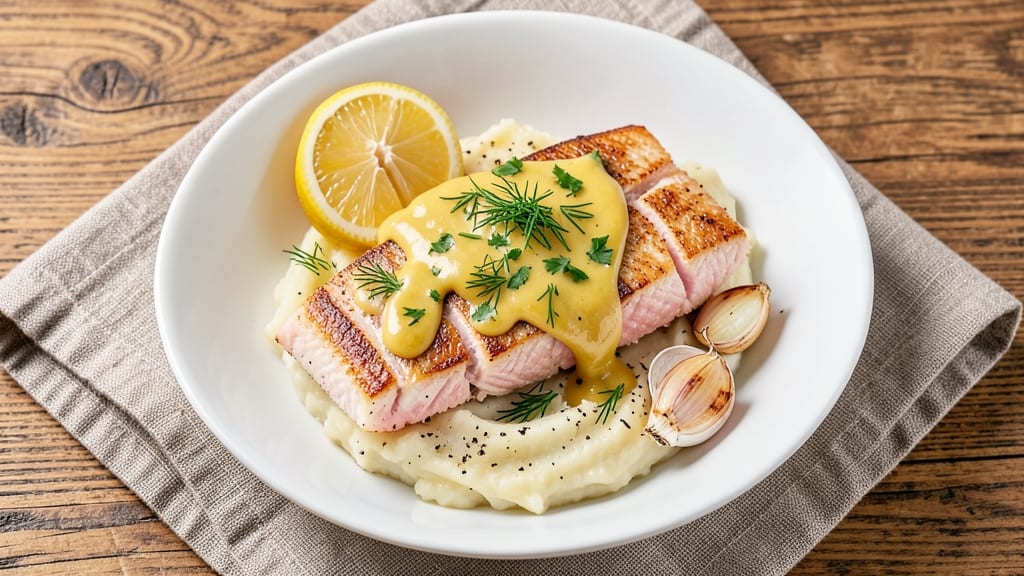
This baked haddock loin recipe delivers restaurant-quality flakiness with a bright lemon-herb crust that elevates simple seafood into a standout main course. The secret lies in precise baking techniques—high heat for a crispy exterior while keeping the delicate fish tender inside.
I’ve perfected this method after years of testing, ensuring every bite offers that melt-in-your-mouth texture paired with zesty, aromatic flavors.
The recipe builds on classic lemon-butter traditions but adds a modern twist with fresh herbs and a buttery crust that seals in moisture. You’ll need just 15 minutes of prep time and 12 minutes in the oven at 425°F, making it ideal for weeknight dinners or special occasions.
The haddock’s natural mildness lets the lemon and herbs shine, while the crust adds depth without overpowering the fish’s delicate flavor profile.
What you’ll achieve is perfectly golden haddock with a crisp, flavorful crust that flakes effortlessly at the touch of a fork. The lemon-herb mixture infuses every bite, balancing richness with brightness.
This dish pairs beautifully with roasted vegetables, crusty bread, or a simple green salad, creating a well-rounded meal that feels both elegant and approachable.
Whether you’re cooking for a pescatarian guest or treating yourself to a light yet satisfying dinner, this recipe delivers professional results with minimal effort. The method is foolproof, and the ingredients are accessible—no fancy techniques required.
Let’s get started on creating a dish that feels like a coastal escape in minutes.
Ingredients for baked haddock loin
Simple, quality ingredients transform into restaurant-style haddock with crispy crust and tender flakes.
| Ingredient | Amount | Notes |
|---|---|---|
| Haddock Loin 🐟 | 4 oz | Skin-on, center-cut preferred |
| Unsalted Butter 🧈 | ½ cup | Cold, cubed for crust |
| Fresh Lemon 🍋 | 1 whole | Zest and juice, organic preferred |
| Fresh Dill 🌿 | ¼ cup | Chopped, stems removed |
| Fresh Parsley 🌿 | ¼ cup | Chopped, flat-leaf preferred |
| Garlic Cloves 🧄 | 3 cloves | Minced, fresh preferred |
| Extra-Virgin Olive Oil 🫒 | 2 tbsp | For brushing fish |
| Diamond Crystal Kosher Salt 🧂 | 1 tsp | Fine grain, for seasoning |
| Ground Black Pepper 🌶️ | ½ tsp | Freshly ground preferred |
| All-Purpose Flour 🌾 | 2 tbsp | For dredging crust |
| Fresh Thyme Leaves 🌿 | 1 tbsp | Chopped, stems removed |
| Heavy Cream 🥛 | ¼ cup | For optional sauce |
| Lemon Juice 🍋 | 2 tbsp | Freshly squeezed |
The haddock is the star—look for center-cut loins with skin intact at your local seafood counter. Whole Foods Market or Trader Joe's often carry pre-portioned fillets, but check the butcher section for whole fish if you want to fillet your own. Skin-on pieces create the perfect crispy crust when baked. Store fresh haddock in the coldest part of your fridge, wrapped in a damp paper towel, and use within 2 days. For extra freshness, ask the fishmonger to handle it just before purchase.
No fresh dill? Dried dill at one-third the amount works in a pinch, but the flavor won't be as bright. Substitute parsley with cilantro or chives if needed, though parsley's milder taste pairs better with the lemon. The butter should be cold and cubed—this ensures the crust stays crisp rather than melting into the fish. For a lighter option, use olive oil instead of butter in the crust, though the texture will differ slightly. The lemon zest and juice can be swapped for lime if preferred, though lemon's citrus notes are traditional here.
Prep ahead by mixing the herb crust ingredients in a small bowl—it'll keep in the fridge for up to 1 day. The baked haddock reheats beautifully—just pop it in a 350°F oven for 5-7 minutes to restore crispiness. Store leftovers in an airtight container with a paper towel on top to absorb moisture; they'll stay fresh for 2 days. For longer storage, freeze the baked fish for up to 3 months—thaw overnight in the fridge before reheating.
Why You'll Love This Recipe
- One-Pan Magic: I swear by this recipe—just the haddock, butter, lemon slices, and herbs on a sheet pan. No pots, no pans, no stress. The butter pools underneath while it bakes, turning the fish into something so rich and tender, it feels like a restaurant dish without the fuss.
- Bright & Herby Bomb: That lemon-dill-parsley combo? It’s the secret weapon. The lemon cuts through the richness of the butter, while the fresh herbs add a bright, almost Mediterranean vibe. Honestly, the first time I made it, my husband asked for seconds before I’d even finished plating.
- Weeknight & Weekend Star: Throw it together for a quick Tuesday dinner or serve it at a brunch with friends. The haddock holds up perfectly—great cold the next day in salads or warm with a squeeze of lemon. It’s the kind of dish that works for both lazy nights and when you’re feeling fancy.
- Budget-Friendly Luxury: Haddock is affordable, and this recipe uses minimal ingredients without skimping on flavor. A single loin serves four, and leftovers reheat beautifully in the oven. Between us, it’s one of those dishes that makes you feel like you’re treating yourself without breaking the bank.
Step-by-step instructions for lemon-herb crusted haddock
Here's how to achieve perfectly flaky haddock with a golden crust and bright citrus notes.
Prepare the Herb Butter and Season the Fish
In a small bowl, combine the 0.5 cup unsalted butter, 1 tablespoon chopped fresh thyme leaves, 2 tablespoons chopped fresh parsley, and 2 tablespoons chopped fresh dill. Mix until the herbs are evenly distributed throughout the butter. This herb butter will create both flavor and a crispy crust.
Pat the 4 oz haddock loin completely dry with paper towels—this step is critical for achieving crispy skin. Place the fish on a cutting board and make shallow cuts in a crosshatch pattern on both sides, being careful not to cut all the way through. Rub the herb butter generously over the fish, pressing it into the cuts. Season immediately with 1 teaspoon diamond crystal kosher salt and 0.5 teaspoon freshly ground black pepper.
Create the Flour Crust and Sear the Fish
In a separate small bowl, combine the 2 tablespoons all-purpose flour and 1 teaspoon additional diamond crystal kosher salt. Dredge the fish in this flour mixture, pressing gently to adhere evenly to all sides. Shake off any excess flour—this creates a light, crisp crust that contrasts beautifully with the tender fish.
Heat 2 tablespoons extra-virgin olive oil in an oven-safe skillet over medium-high heat until shimmering. Carefully place the fish in the skillet skin-side down and cook for 2-3 minutes until the skin is golden brown and crispy. Flip the fish gently using a fish spatula and cook for another 1-2 minutes until the flesh is just beginning to flake easily with a fork.
Finish in the Oven for Perfect Flakiness
Preheat your oven to 400°F. Transfer the skillet to the oven and bake for 4-5 minutes. The fish is done when it reaches an internal temperature of 145°F and the flesh flakes easily when tested with a fork. Watch closely during this time—the fish continues cooking as it rests, so it's better to remove it slightly underdone.
While the fish bakes, zest the 1 whole fresh lemon and squeeze out 2 tablespoons lemon juice. Remove the fish from the oven and let it rest for 2-3 minutes before serving. The resting period allows the juices to redistribute, ensuring maximum tenderness.
Prepare the Optional Lemon Cream Sauce (If Using)
In the same skillet used for cooking the fish, reduce heat to medium and add the 0.25 cup heavy cream. Scrape up any browned bits from the bottom of the pan with a wooden spoon, creating a rich sauce base. Stir in the lemon zest and 2 tablespoons lemon juice, simmering for 1-2 minutes until the sauce thickens slightly. Taste and adjust seasoning with additional salt or pepper if needed.
Serve the haddock immediately with the lemon cream sauce spooned over the top. The bright citrus and creamy sauce complement the delicate flavor of the fish perfectly. This recipe serves 4, with each portion showcasing the perfect balance of crispy crust, flaky texture, and fresh herb flavors.
Pro Tips For Making Baked Haddock Loin
- Dry the Fish First: Haddock loin stays moist, but that’s not always a good thing. Pat it thoroughly with paper towels—even the sides—before baking. I learned this the hard way when my first batch turned out soggy, no matter how much butter I used.
- Use Room-Temp Butter: Softened unsalted butter spreads better and browns faster than cold chunks. Take it out of the fridge 15 minutes before using, or microwave it for 10 seconds—just enough to make it pliable. Trust me, your crust will be worth it.
- Don’t Overcrowd the Pan: If you’re baking multiple loins, give them space. Overlapping them traps steam, which means dull, limp fish instead of crisp edges. A single layer with a little room to breathe makes all the difference.
- Zest the Lemon Last: Add lemon zest only after the fish is out of the oven—it loses its bright flavor when cooked too long. A quick sprinkle right before serving keeps that citrus punch sharp. (Yes, even if you’re impatient like me.)
Pro cooking tips for this dish
Temperature Precision
Haddock cooks fast—425°F for the initial sear and 400°F for finishing is ideal. I use an instant-read thermometer (like Thermoworks ThermoPop) to monitor internal temp, aiming for 145°F.
Overcooking by just 5°F turns flaky haddock into dry fish. The high heat also ensures the skin crisps while the center stays tender. 🌡️
Crosshatch Cuts
Those shallow cuts in the fish aren’t just for looks—they create pockets for the herb butter to nestle into, maximizing flavor infusion. Use a sharp chef’s knife and make cuts about ¼ inch deep, spacing them ½ inch apart.
Press the butter firmly into the cuts before seasoning—this guarantees every bite bursts with herby richness. The flour crust then clings perfectly to these textured surfaces.
Skillet Selection
An oven-safe stainless steel skillet (like All-Clad Stainless) is my go-to because it heats evenly and handles the transition from stovetop to oven seamlessly. Avoid nonstick—it won’t brown the crust properly. Preheat the skillet for 2 minutes before adding oil to ensure a hot, sizzling surface.
If your skillet isn’t oven-safe, transfer the fish to a baking sheet lined with parchment paper for the final bake.
Resting Matters
Skipping the 2-3 minute rest after baking is a rookie mistake. Haddock’s delicate proteins continue to cook off residual heat, making the flesh firm up if you cut into it too soon.
Use this time to zest your lemon and prepare the sauce. The rest also lets juices redistribute—forking into the fish after resting yields juicier, more flavorful bites. 💡
Butter Consistency
The butter must be cold and cubed—never melted. Soft butter spreads instead of crisping, ruining the crust. I cube mine with a microplane for even distribution. For a lighter option, substitute 2 tablespoons olive oil mixed with 1 tablespoon melted butter, but expect a slightly less crisp finish.
Store unused herb butter in an airtight container in the fridge for up to 3 days—perfect for quick crusts on future fish dishes.
Lemon Zest Timing
Add lemon zest to the sauce after removing the fish from the oven. Fresh zest loses its bright aroma when exposed to heat for too long, so save it for the final touch. I also recommend using organic lemons—their thicker zest contains more essential oils.
For extra brightness, add a pinch of red pepper flakes to the sauce if you like a hint of heat. 🍋
Nutrition facts
Frequently asked questions
Can I substitute another white fish for haddock?
Cod, halibut, or flounder work beautifully with this method. The key is using a firm, skin-on fillet about ½ inch thick. Haddock's mild flavor makes it ideal for bright lemon-herb crusts, but cod has a slightly sweeter taste that also pairs well. Just adjust baking time by 1-2 minutes if using thicker fillets.
Why does my haddock crust sometimes turn soggy?
Soggy crusts usually happen when butter melts too early or fish isn't dry. Always pat fillets completely dry with paper towels before seasoning, and use cold cubed butter (never softened). Another trick: Broil for 30 seconds after baking to re-crisp the top if needed.
How do I make this recipe with an air fryer?
Preheat air fryer to 390°F and lightly coat fillets with olive oil instead of searing. Place fish skin-side up in the basket (don't overcrowd) and cook for 8-10 minutes145°F. Finish with the lemon-herb sauce for the same bright flavor profile.
Can I prepare this dish ahead of time?
Yes! Assemble the herb butter and flour crust up to 1 day ahead and store in the fridge. For the fish itself, bake it just before serving—it reheats best when crispy. If you must prep ahead, bake the haddock, cool completely, and refrigerate in an airtight container with a paper towel. Reheat at 350°F for 5-7 minutes.
What's the best way to serve this with sides?
Pair with roasted asparagus or green beans for a light option, or serve with crusty bread to soak up the lemon cream sauce. For a complete meal, add a simple arugula salad with lemon vinaigrette. The bright acidity of the fish complements earthy root vegetables like roasted carrots or parsnips.