
Side Dishes
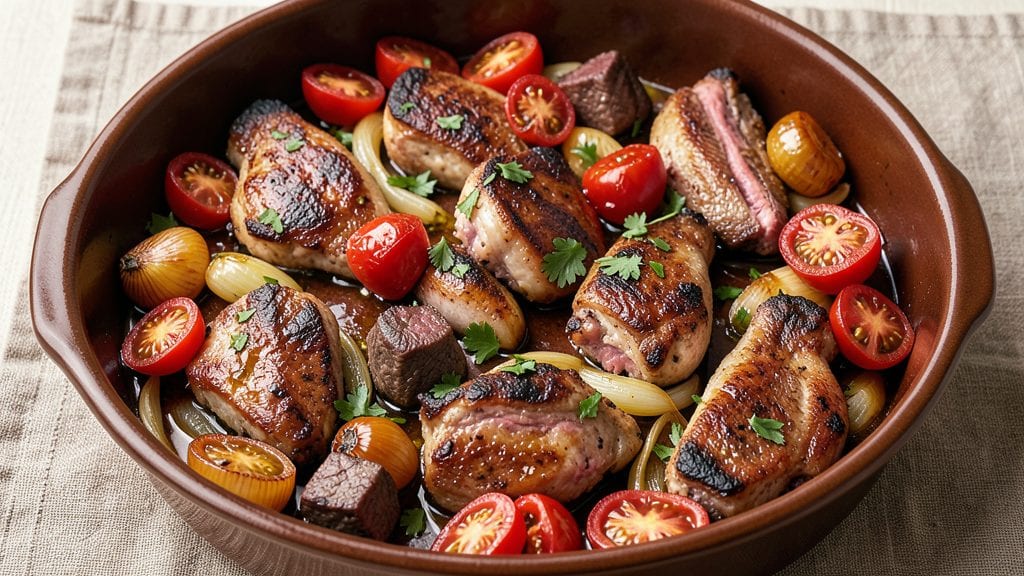
This baked kebab recipe delivers restaurant-quality results with minimal effort—no grill required. The secret lies in a marinade that tenderizes while building bold flavors, and a baking technique that creates those coveted charred edges without drying out the meat.
I perfected this after years of experimenting with different proteins and marinade ratios, and it now consistently delivers chewy, flavor-packed bites every time.
What sets this recipe apart is its versatility—whether you're using chicken thighs, beef cubes, or lamb chops, the same marinade and baking method work beautifully.
The process is straightforward: marinate for at least 4 hours (overnight is best), thread onto skewers, and bake at 400°F until perfectly charred and juicy. No flipping or fussing required, just hands-off baking that yields professional results.
By the time these kebabs emerge from the oven, you'll have golden-brown, caramelized edges with tender, juicy meat inside—each bite packed with smoky, savory, and slightly sweet flavors from the marinade.
The aroma alone will have everyone gathering around the table, and the presentation is impressive enough for dinner parties or family gatherings.
Serve with a side of garlic yogurt sauce, warm pita bread, or a fresh cucumber salad for a complete meal. The best part? Leftovers reheat beautifully, making this the perfect make-ahead dish for busy weeks.
Let's get started on creating kebabs that taste like they came from a Mediterranean bistro.
Ingredients for baked kebab
These 15 ingredients transform into restaurant-style kebabs with minimal effort—no grill needed.
| Ingredient | Amount | Notes |
|---|---|---|
| Chicken Thighs, Boneless 🍗 | 1 ½ lb | Cut into 1-inch cubes |
| Beef Cubes 🥩 | 1 ½ lb | Chuck roast preferred |
| Lamb Chops 🐑 | 1 ½ lb | Rib or loin cuts |
| Red Bell Pepper 🌶️ | 1 whole | Cut into 1-inch chunks |
| Yellow Onion 🧅 | 1 whole | Cut into wedges |
| Cherry Tomatoes 🍅 | ½ lb | Halved for even cooking |
| Extra-Virgin Olive Oil 🫒 | ¼ cup | For marinade and skewers |
| Lemon Juice 🍋 | ¼ cup | Freshly squeezed |
| Garlic Cloves 🧄 | 6 cloves | Minced for marinade |
| Honey 🍯 | 2 tbsp | For caramelization |
| Dried Oregano 🍃 | 1 tbsp | Mexican preferred |
| Smoked Paprika 🌶️ | 1 tbsp | For depth of flavor |
| Ground Cumin 🌿 | 1 tsp | Toasted for warmth |
| Salt 🧂 | 1 ½ tsp | Diamond Crystal preferred |
| Black Pepper 🌶️ | ½ tsp | Freshly cracked |
The protein choice makes all the difference here. Chuck roast for beef delivers the best texture—leaner cuts like sirloin dry out during baking. For chicken, thighs over breasts stay juicier. Lamb chops? Rib or loin cuts hold up best. I always grab mine from Whole Foods or my local butcher—they have the best quality. Look for bright red meat with good marbling, especially for beef. The vegetables? Bell peppers with thick walls and heirloom tomatoes at the farmers market make the biggest flavor impact, but regular grocery store produce works too. Just avoid anything mushy or bruised.
No chuck roast? Sirloin or flank steak will work, but slice against the grain. Short on lamb? Pork tenderloin takes the marinade beautifully. The cherry tomatoes can be swapped for zucchini or eggplant, but they won't caramelize as nicely. Running low on honey? Maple syrup works in a pinch, though it has a different depth. The smoked paprika is non-negotiable for that authentic charred flavor—Penzeys has the best quality. Fresh herbs like thyme or rosemary can replace the dried oregano, but use twice the amount. And if you're feeling fancy, add a splash of bourbon to the marinade for extra depth.
Marinate the proteins for at least 4 hours, but overnight is ideal. The vegetables can go in the marinade for up to 2 hours before baking. Skewer the meat first, then the veggies, to avoid them falling through. These kebabs reheat beautifully—just 5 minutes at 350°F brings them back to life. Store leftovers in an airtight container with a paper towel to absorb moisture. They keep for 3 days in the fridge or 3 months frozen. For parties, assemble them ahead and refrigerate on skewers—they'll be ready to bake as guests arrive.
Why You'll Love This Recipe
- One-Pan Magic: I swear by this recipe—just toss the chicken, beef, lamb, peppers, and onions on a sheet pan, drizzle with olive oil, and bake. No skewers, no mess, no fuss. The oven does all the work while I sip my coffee.
- Juicy & Caramelized: That crispy skin on the chicken thighs? The tender beef cubes falling apart? The onions so sweet they melt in your mouth? Honestly, it’s the kind of flavor that makes you close your eyes mid-bite—no marinade needed, just the natural richness of the meat and veggies baking together.
- Weeknight to BBQ Hero: Need a meal in 30 minutes? This is it. But it’s also my go-to for summer cookouts—just swap the sheet pan for skewers and grill. My kids even ask for it at parties, and that’s saying something.
- Budget-Friendly Leftovers: Chicken thighs and beef cubes stretch farther than you’d think, and the peppers keep well. I make a double batch on Sundays, then repurpose the leftovers into salads, wraps, or even a quick stir-fry. (Yes, even on a Tuesday night.)
Step-by-step instructions for baked kebabs recipe
Transform your oven into a grill with this foolproof method for kebabs that rival restaurant-quality skewers.
Marinate the Proteins and Vegetables
In a large bowl, combine the 1.5 lb chicken thighs cut into 1-inch cubes, 1.5 lb beef cubes, and 1.5 lb lamb chops (cut into 1-inch chunks). Add the 1 whole red bell pepper and 1 whole yellow onion, both cut into 1-inch chunks, along with the 0.5 lb halved cherry tomatoes. This colorful medley ensures every bite has texture and visual appeal.
In a separate bowl, whisk together the 0.25 cup extra-virgin olive oil, 0.25 cup lemon juice, 6 minced garlic cloves, 2 tbsp honey, 1 tbsp dried oregano, 1 tbsp smoked paprika, 1 tsp ground cumin, 1.5 tsp salt, and 0.5 tsp black pepper. Pour this vibrant marinade over the protein and vegetable mixture, ensuring everything is evenly coated. Cover and refrigerate for at least 4 hours—overnight is ideal for maximum flavor penetration. The acidity of the lemon juice and honey will tenderize the meats while the spices infuse deeply.
Prep the Baking Pan and Assemble Kebabs
Preheat your oven to 425°F for a high-heat bake that mimics grill marks. Line a large baking sheet with heavy-duty aluminum foil and lightly grease it with a bit of olive oil to prevent sticking. This step is crucial for easy cleanup and even browning.
Using long metal skewers or a sturdy baking sheet (if you prefer not to use skewers), arrange the marinated ingredients in an even layer. For skewers, alternate between protein and vegetables to ensure balanced cooking. If using a baking sheet, spread everything in a single layer without overcrowding—this allows hot air to circulate and creates that coveted charred exterior. The goal is to achieve golden-brown edges and tender, juicy centers, so spacing matters.
Bake to Perfect Doneness
Place the assembled kebabs on the middle rack of your preheated oven. Bake for 20-25 minutes, flipping or rotating the skewers halfway through, until the proteins reach an internal temperature of 165°F for chicken and 145°F for beef and lamb. The vegetables should be tender yet slightly charred—this is where the magic happens.
Here’s the thing—don’t walk away. Check the kebabs at the 18-minute mark because ovens vary. You want the chicken to be opaque and juicy, while the beef and lamb should pull away from the skewers easily. The red bell pepper and onion should soften but still hold their shape, and the cherry tomatoes should blister slightly. If the edges aren’t brown enough, broil for 1-2 minutes at the end for extra crispiness. The honey in the marinade will caramelize beautifully, adding a touch of sweetness that balances the smoky spices.
Rest and Serve with Confidence
Once the kebabs are perfectly cooked, transfer them to a serving platter and let them rest for 5-10 minutes. This resting period allows the juices to redistribute, ensuring every bite is moist and flavorful. If you’re serving with flatbread or rice, now’s the time to warm them up—kebabs taste best when everything is hot and ready to eat.
Garnish with fresh herbs like parsley or cilantro if you have them, and drizzle any remaining marinade from the bowl over the top for extra richness. The combination of smoky paprika, toasted cumin, and bright lemon juice creates a symphony of flavors that pairs perfectly with a cool yogurt sauce or a simple cucumber salad. Serve immediately while the kebabs are still sizzling with heat and packed with juices—this is the moment they shine.
Pro Tips For Making Baked Kebab
- MARINATE MEAT SEPARATELY: Chicken thighs, beef cubes, and lamb chops don’t play nice together in one marinade. The acidity that tenderizes chicken will turn beef rubbery, and lamb needs a bolder touch. Split them into bowls—chicken gets lemon/yogurt, beef gets soy/garlic, and lamb gets olive oil/herbs—then let them sit for at least 30 minutes. I learned this the hard way after serving a batch where the beef was chewy and the lamb bland.
- CUT ONIONS THINLY: Thick onion slices won’t caramelize properly in the oven, and they’ll just sit there like sad, undercooked blobs. Aim for paper-thin slices—almost translucent—so they soften evenly and soak up flavor. Use a sharp knife or mandoline if you’re impatient (I am), but don’t skip this step. Your kebabs will taste flat if the onions are still crunchy.
- SKIP THE CROWDING: Piling everything high on the tray means the bottom layer steams instead of sears, and the peppers turn mushy. Arrange kebabs in a single layer with space between them—think "snug but not suffocating." If you’re short on space, bake in batches. Trust me, your lamb chops won’t forgive you for being lazy here.
- BROIL FOR CRUST: The oven’s bake setting won’t give you that golden, caramelized crust the lamb chops and beef cubes need. Switch to broil for the last 3–5 minutes, keeping a close eye—it’s easy to burn the peppers. The high heat seals in juices and adds texture. I was skeptical until I tried it; now I refuse to skip it.
Common mistakes when making this recipe
Over-Marinating Proteins
The marinade is your flavor powerhouse, but leaving proteins in it too long can turn them mushy. Chicken and lamb can handle up to 8 hours in the fridge, but beef chuck roast can soak for 12-24 hours without issues.
I’ve ruined perfectly good kebabs by marinating chicken overnight—it becomes rubbery. Trust your timer and remove proteins when they’ve absorbed enough flavor. 🌡️
Uneven Skewering
Stacking too much on one skewer creates a heat barrier, leaving the center undercooked while the edges burn. Aim for 4-5 pieces per skewer, alternating protein and veggies. I learned this the hard way when my first batch of beef kebabs had raw centers while the onions were charred.
Use soaked wooden skewers (30 minutes in water) to prevent burning, and space ingredients evenly. 🔥
Skipping the Rest
Cutting into kebabs immediately after baking sends all the juices pooling out, leaving you with dry bites. Always let them rest for 5-10 minutes—this lets the proteins reabsorb their juices.
I once served kebabs straight from the oven and got complaints about dryness. Pro tip: Tent them loosely with foil while resting to keep them warm. ⏱️
Ignoring Oven Variations
Every oven behaves differently, and baking kebabs at 425°F without checking can lead to burnt outsides and raw centers. I recommend checking at 18 minutes and using an instant-read thermometer. Chicken needs 165°F internally, while beef and lamb should hit 145°F.
If your oven runs hot, reduce the temp to 400°F and add 5 extra minutes of baking time. 🌡️
Using the Wrong Veggies
Not all vegetables hold up to high-heat baking. Delicate veggies like zucchini or eggplant turn to mush, while hearty options like bell peppers and onions caramelize beautifully. I once used thinly sliced mushrooms, and they disintegrated into a sad, watery pile.
Stick to thick-walled veggies (like bell peppers and onions) for the best texture. 🌶️
Overcrowding the Pan
Piling kebabs too close together steams them instead of browning, robbing you of those coveted charred edges. Leave 1 inch of space between skewers or baking sheet items for proper air circulation.
I’ve seen people cram everything onto one tray, and the result? Sad, soggy kebabs with no char. Use two baking sheets if needed—your oven will thank you. 🔥
Nutrition facts
Frequently asked questions
Can I make these kebabs without skewers?
Arrange the marinated ingredients directly on a baking sheet in a single layer, leaving 1 inch between pieces for even cooking. Use a sturdy baking sheet and avoid overcrowding to mimic the skewer effect. This method works especially well for larger cuts like lamb chops or beef cubes.
What's the best protein for beginners?
Start with chicken thighs—they're forgiving and stay juicy even if slightly overcooked. Beef chuck roast is also beginner-friendly due to its fat content, while lamb requires more precise timing. For extra tenderness, trim excess fat from beef cuts before marinating.
How can I add extra flavor without extra ingredients?
Boost flavor by adding 1-2 tbsp of balsamic vinegar to the marinade or sprinkling crushed red pepper flakes over the kebabs before baking. For a smoky touch, wrap the baking sheet in aluminum foil during the first 10 minutes of baking, then remove for charring.
Can I bake these kebabs ahead of time?
Yes! Assemble the kebabs (unbaked) and refrigerate them on a tray for up to 24 hours before baking. For make-ahead meals, bake them 1-2 hours before serving, then reheat at 350°F for 5-10 minutes. Store cooked kebabs in an airtight container for 3 days or freeze for 3 months.
Why did my kebabs turn out dry?
Dry kebabs usually result from overcooking or skipping the rest time. Use an instant-read thermometer to check doneness (165°F for chicken, 145°F for beef/lamb) and always let them rest for 5-10 minutes before serving. For extra moisture, brush with olive oil before baking.