
Main Courses
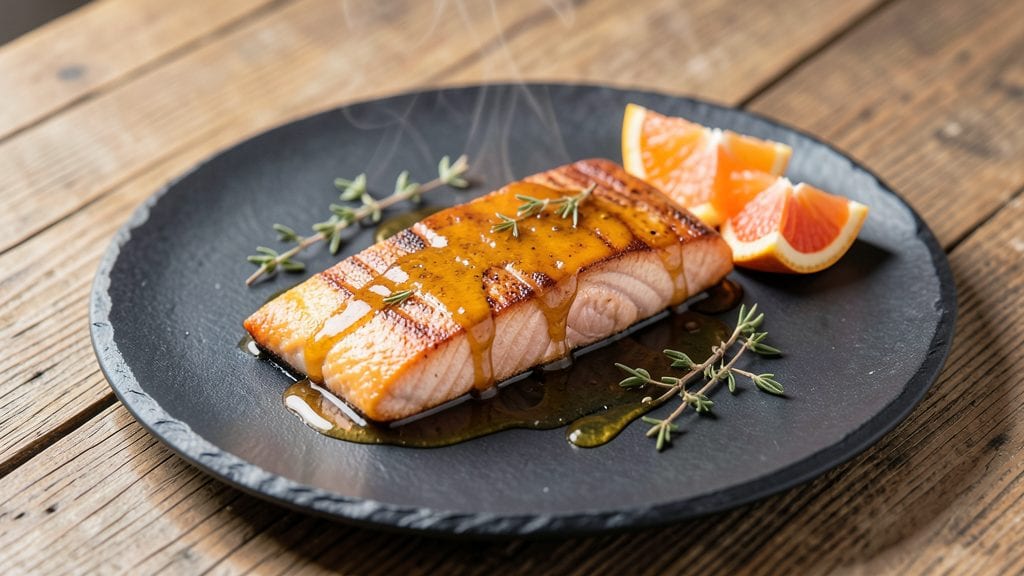
This baked orange salmon recipe transforms simple ingredients into a restaurant-worthy dish with bright citrus notes and perfectly flaky texture. The secret lies in a quick orange glaze that caramelizes during baking, creating a sweet-tart contrast that elevates every bite.
I developed this method after years of testing—no complicated techniques, just precise timing and a balance of acidity and richness.
The recipe delivers foolproof results in just 25 minutes, making it ideal for weeknight dinners or special occasions. You'll need fresh salmon fillets, orange juice, honey, and a few pantry staples—no specialty equipment required.
The glaze isn't just for flavor; it keeps the salmon moist while creating a beautiful golden crust that seals in juices.
By the time it emerges from the oven, your salmon will be tender, flaky, and infused with citrus brightness that cuts through the richness. The glaze caramelizes into a sticky-sweet finish, while the salmon's natural oils maintain its delicate texture.
This dish pairs beautifully with roasted vegetables or a simple quinoa salad, completing a balanced meal.
What makes this recipe stand out is its versatility—use blood oranges for deeper color, or swap honey for maple syrup for a different flavor profile. The method scales easily for two or four servings, ensuring you can impress guests or enjoy a satisfying solo dinner. Let's get started!
Ingredients for baked orange salmon
Fresh salmon fillets, citrus zest, and honey create this restaurant-quality dish with minimal effort.
| Ingredient | Amount | Notes |
|---|---|---|
| Center-Cut Salmon Fillets 🐟 | 4 whole | Skin-on preferred, 6 oz each |
| Fresh Navel Orange Juice 🍊 | ½ cup | Hand-squeezed, no pulp |
| Raw Honey 🍯 | 2 tbsp | Wildflower preferred for depth |
| Extra-Virgin Olive Oil 🫒 | 1 tbsp | Light fruity variety |
| Zest from 1 Large Navel Orange 🍊 | 1 tbsp | Finely grated, bright color |
| Fresh Thyme Leaves 🌿 | ¼ cup | Finely chopped, stems removed |
| Diamond Crystal Kosher Salt 🧂 | ½ tsp | Fine grain for even seasoning |
| Freshly Ground Black Pepper 🌶️ | ¼ tsp | Coarse grind preferred |
| Minced Garlic Cloves 🧄 | 2 cloves | Finely chopped, aromatic |
| Unsalted Butter 🧈 | 1 tbsp | Cold, cubed for basting |
| Fresh Lemon Juice 🍋 | 1 tsp | Brightens final flavor |
The salmon fillets are the foundation—center-cut ensures consistent texture and minimal pin bones. Wild-caught Alaskan salmon delivers optimal flavor, but any fresh Atlantic fillet works. Look for vibrant pink flesh with a slight sheen; avoid any with brown edges or strong fishy odor. The Navel orange juice should be freshly squeezed—bottled lacks the bright acidity needed for caramelization. For the honey, Manuka or wildflower varieties add subtle floral notes that complement the citrus. If using blood oranges, the juice will be more tart and slightly thicker, requiring an extra tablespoon of honey to balance the sweetness.
No fresh thyme? Dried thyme at one-third the amount suffices, though fresh provides superior aroma. Substitute lemon juice for orange juice in a pinch, but increase to 0.75 cup and add an extra teaspoon of honey to compensate for the lower sweetness. For olive oil, light fruity varieties like California Early Harvest prevent overpowering the delicate salmon flavor. The butter should be cold and cubed—this ensures it bastes without melting prematurely. If you lack butter, use an additional tablespoon of olive oil during basting, though the texture won't be as rich.
Prep the salmon and glaze components up to 24 hours ahead—store the fillets in an airtight container with paper towels to absorb moisture, and keep the glaze ingredients refrigerated in a sealed jar. The finished dish reheats beautifully—cover with foil and warm at 350°F for 8-10 minutes. For optimal freshness, serve within 2 days of baking. The glaze keeps separately for 5 days in the refrigerator, making it ideal for quick weeknight meals. Portion leftovers into single servings for easy reheating.
Why You'll Love This Recipe
- Five-Ingredient Magic: I swear by this combo—salmon, orange juice, honey, olive oil, and zest. That’s it. No chopping, no fuss, just pure flavor with almost no effort.
- Bright & Tangy: The orange juice and zest cut through the richness of the salmon, giving it this fresh, almost citrusy crunch. It’s like a vacation in every bite, but with zero travel time.
- Lunchbox Hero: Between us, this is my go-to for meal prep. Bake a batch on Sunday, slice it up, and pack it with greens or rice all week. The honey keeps it moist, and the orange keeps it from tasting like "dry Tuesday leftovers."
- Budget-Friendly Luxury: Salmon can feel fancy, but this recipe makes it feel like a treat without breaking the bank. The orange juice and honey stretch the flavor, so you’re not just paying for the fish—you’re paying for a restaurant-quality dish.
Step-by-step instructions for baked orange salmon
Here's the method for achieving perfectly flaky salmon with a vibrant orange glaze—simple yet precise.
Prepare the Glaze and Season the Salmon
In a small saucepan, combine the 0.5 cup fresh navel orange juice, 2 tablespoons raw honey, and 1 tablespoon zest from 1 large navel orange. Bring to a gentle simmer over medium heat and reduce by half—about 5-7 minutes—until the glaze thickens slightly and coats the back of a spoon. You're looking for a syrupy consistency that will cling beautifully to the salmon.
While the glaze reduces, pat the 4 whole center-cut salmon fillets dry with paper towels. Arrange them skin-side down on a parchment-lined baking sheet. Season each fillet generously with 0.5 teaspoon diamond crystal kosher salt and 0.25 teaspoon freshly ground black pepper, focusing on the flesh side. The dry surface ensures a crisp skin, while the seasoning penetrates the fish evenly.
Build Flavor with Aromatics and Butter
In a small bowl, mix the 0.25 cup fresh thyme leaves and 2 cloves minced garlic cloves with the 1 tablespoon extra-virgin olive oil. Spread this mixture evenly over the seasoned salmon fillets, pressing gently to adhere. This step infuses the fish with herbal depth and aromatic complexity before baking.
Place the 1 tablespoon unsalted butter, cubed, on top of each fillet. As the salmon bakes, the butter will melt and baste the flesh, creating a luxurious sheen and enhancing tenderness. The butter also helps distribute the glaze evenly across the surface, ensuring every bite is infused with citrus brightness.
Bake to Flaky Perfection
Preheat your oven to 400°F for 10 minutes to ensure even heat distribution. Transfer the prepared salmon to the preheated oven and bake for 12-15 minutes, depending on thickness. The salmon is done when it reaches an internal temperature of 145°F and flakes easily with a fork—this typically occurs when the edges begin to lift slightly and the flesh turns opaque.
During the last 2 minutes of baking, carefully spoon the reduced orange glaze over each fillet. The residual heat will cause the glaze to caramelize slightly, creating a glossy finish and deepening the citrus flavor. Watch closely to prevent over-browning, as the glaze can darken quickly.
Finish with Lemon and Rest
Remove the salmon from the oven and immediately drizzle each fillet with 1 teaspoon fresh lemon juice. This final touch brightens the flavors, cutting through the sweetness of the honey and adding a refreshing acidity. Let the salmon rest for 5 minutes before serving—this crucial step allows the juices to redistribute, ensuring each slice remains moist and flaky.
The result should be salmon with a crisp skin, tender flesh that separates effortlessly, and a glossy orange glaze that balances sweetness and acidity. Serve immediately with steamed vegetables or a fresh salad to complement the vibrant flavors.
Pro Tips For Making Baked Orange Salmon
- Preheat Like a Pro: Fire up that oven to 425°F and let it scream for 15 minutes before adding the salmon. I learned this the hard way—skipping the preheat means your salmon steams instead of getting that crispy edge. Trust me, the first 5 minutes in a scorching-hot oven make all the difference for that caramelized crust.
- Juice the Orange Right: Use a handheld juicer or reamers—no strainer needed. The pulp adds body to the glaze, but if you’re set on smooth juice, strain it after mixing with honey. My grandmother swore by this: "The grit makes the dish sing." (Yes, even if you’re impatient like me.)
- Don’t Overmix the Glaze: Whisk the orange juice, honey, and olive oil together just until combined—no need to turn it into syrup. Overmixing turns the glaze sticky and clings to the salmon like glue, making it soggy instead of glossy. A quick 10-second stir is all it takes.
- Bake Skin-Side Down First: If your salmon has skin, place it skin-side down for the first 8 minutes at 425°F. The skin crisps into a golden shield while the flesh cooks evenly. Flip carefully—no peeling, just a gentle nudge—and finish with the skin-side up for that restaurant-worthy look. (Your future self will thank you.)
Perfect pairings for these flavors
Citrus Side Dishes
Brighten your plate with a mango-avocado salsa that mirrors the orange glaze's sweet-tart profile. Dice 1 ripe mango, 1 avocado, and ¼ red onion, then toss with 2 tbsp lime juice, 1 tbsp chopped cilantro, and ½ tsp chili powder.
This adds tropical contrast while keeping prep under 10 minutes. 🍍
Herb-Infused Vegetables
Roasted asparagus with lemon-thyme butter complements the salmon's richness. Toss 1 bunch asparagus with 1 tbsp olive oil, ½ tsp salt, and ¼ tsp black pepper.
Roast at 425°F for 12 minutes, then finish with 1 tbsp melted butter mixed with 1 tsp thyme and ½ tsp lemon zest. The herby notes echo the salmon's thyme while adding earthy balance.
Wine Pairings
A crisp Sauvignon Blanc from New Zealand—like Cloudy Bay—cuts through the salmon's sweetness with its zesty acidity and citrus undertones. For a red option, try a Pinot Noir from Oregon, such as Domaine Serene, which offers delicate fruit notes that won't overpower the dish.
Both wines enhance the orange glaze's brightness without competing for attention. 🍷
Beer Complements
Opt for a Belgian witbier like Hoegaarden—its coriander and citrus notes harmonize beautifully with the orange glaze. For a lighter option, a pilsner such as Stella Artois provides a clean, refreshing contrast. Avoid heavy lagers or dark ales, which can muddle the salmon's delicate flavors. 🍺
Garnish Finishes
Elevate your dish with a sprinkle of toasted sesame seeds and microgreens for texture and color. The seeds add a nutty crunch, while the microgreens introduce freshness.
For extra flair, drizzle with orange-infused olive oil—simmer 1 tbsp orange zest in ¼ cup olive oil for 5 minutes, then strain. This ties the citrus theme together beautifully. ✨
Bread Pairings
Serve with warm crusty bread brushed with garlic-herb butter—mix 2 tbsp softened butter with 1 minced garlic clove and ½ tsp chopped parsley. The bread soaks up any extra glaze, creating a satisfying bite. For a gluten-free option, use rosemary focaccia made with almond flour. 🍞
Nutrition facts
Frequently asked questions
Can I use blood oranges instead of navel oranges in this recipe?
Blood oranges add a deeper, slightly tart flavor that pairs beautifully with the salmon. Use the same amount of juice but reduce the honey to 1.5 tablespoons since blood orange juice is naturally sweeter. The zest will also be more vibrant, giving your glaze a stunning ruby hue.
How do I know when the salmon is fully cooked?
The salmon is perfectly done when it reaches an internal temperature of 145°F and flakes easily with a fork. The edges should begin to lift slightly from the skin, and the flesh will turn opaque. For thicker fillets, check the thickest part—it should be just cooked through without drying out.
Can I make this recipe ahead of time?
You can prep the salmon and glaze components up to 24 hours ahead. Store the fillets in an airtight container with paper towels to absorb moisture, and keep the glaze ingredients refrigerated. When ready to bake, simply assemble and cook as directed—just add 2-3 extra minutes to the baking time if the salmon is cold.
What if my salmon turns out too dry?
Overcooking is the most common cause of dry salmon. To fix it, reduce your baking temperature to 375°F and bake for 10-12 minutes max. Also, ensure your fillets are skin-on (the skin protects the flesh) and baste with melted butter or olive oil during baking to keep them moist.
Can I substitute honey with another sweetener?
Yes! For a vegan option, use maple syrup or agave nectar in a 1:1 ratio. For a lower-sugar version, try monk fruit sweetener, but reduce to 1 tablespoon and add ½ teaspoon orange zest extra to compensate for the lack of caramelization.