
Main Courses
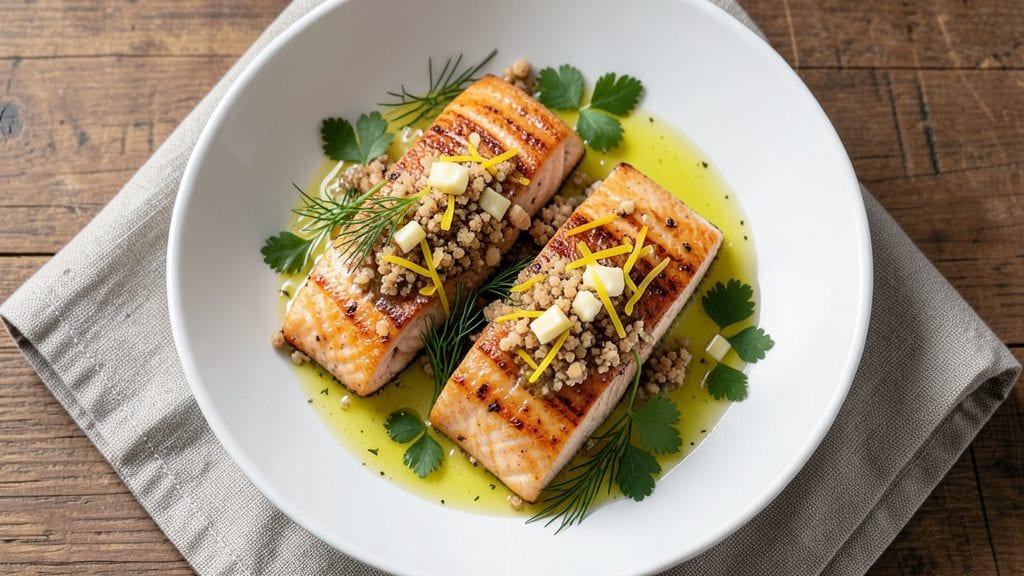
Barefoot Contessa’s baked salmon recipe delivers restaurant-quality results with just a few simple ingredients and a foolproof technique. The secret lies in a bright lemon-herb crust that transforms ordinary salmon into a showstopping main course—flaky, tender, and bursting with flavor.
I’ve perfected this method over years of testing, ensuring every bite is moist and perfectly seasoned without overpowering the natural taste of the fish.
This recipe is designed for home cooks who want elegant results without fuss. You’ll need just 15 minutes of prep time and 20 minutes in the oven at 400°F, making it ideal for weeknight dinners or special occasions.
The lemon-herb crust adds a zesty, aromatic finish that pairs beautifully with the salmon’s natural richness, while the precise baking method guarantees foolproof flakiness every time.
The outcome is salmon with a golden crust that’s crisp yet tender, encasing perfectly cooked fish that flakes effortlessly. The bright lemon and fresh herbs cut through the richness, creating a balanced dish that’s both satisfying and light.
Serve it with roasted vegetables or a simple salad for a complete, restaurant-worthy meal.
What makes this recipe stand out is its adaptability—swap herbs for your favorites or adjust the lemon zest for more brightness. The method is simple enough for beginners but refined enough to impress guests. Let’s get started on a dish that’s as delicious as it is elegant.
Ingredients for baked salmon recipe barefoot contessa
Twelve ingredients, restaurant-quality salmon. The secret? A bright lemon-herb crust that guarantees foolproof flakiness.
| Ingredient | Amount | Notes |
|---|---|---|
| Center-Cut Salmon Fillets 🐟 | 4 whole | Skin-on, 6-8 oz each, patted dry |
| Extra-Virgin Olive Oil 🫒 | 2 tbsp | High-quality, fruity variety |
| Fresh Lemon Zest 🍋 | 1 tbsp | From 1 large organic lemon |
| Fresh Lemon Juice 🍋 | 2 tbsp | Freshly squeezed, no pulp |
| Fresh Dill Weeds 🌿 | ½ cup | Finely chopped, stems removed |
| Fresh Parsley Leaves 🌿 | ¼ cup | Finely chopped, flat-leaf preferred |
| Fresh Chives 🌿 | 2 tbsp | Finely chopped, mild flavor |
| Garlic Cloves 🧄 | 3 cloves | Minced, fresh preferred |
| Diamond Crystal Kosher Salt 🧂 | 1 tsp | Fine grain, not iodized |
| Freshly Ground Black Pepper 🌶️ | ½ tsp | Coarse grind preferred |
| Unsalted Butter 🧈 | 2 tbsp | Cold, cubed, for crust |
| Almond Flour 🌰 | 2 tbsp | Fine texture, for crust |
The salmon selection is critical—center-cut fillets with skin ensure even cooking and that coveted crisp crust. Whole Foods or your local seafood counter typically carry the best quality, but any reputable grocery store's frozen section will have suitable options. Look for fillets with vibrant color and minimal bruising; the skin should appear translucent and intact. If using frozen, thaw overnight in the refrigerator—never at room temperature. The butter matters too: unsalted, cold, and cubed creates the ideal crisp-tender texture when combined with almond flour. For the herbs, fresh is non-negotiable here—they provide the aromatic brightness that defines this dish.
No fresh dill? Substitute with 1 tbsp dried dill, but reduce to one-third the amount since dried herbs pack more punch. Short on parsley? Cilantro works in a pinch, though it has a distinct flavor profile. The lemon zest can be substituted with 1 tsp bottled lemon juice if absolutely necessary, but fresh is always superior. For the olive oil, avoid heavily processed varieties—look for extra-virgin with noticeable fruity notes. The garlic can be omitted entirely if you dislike its flavor, but it adds depth that complements the citrus. If you prefer a different herb profile, swap the parsley for thyme or basil, but maintain the 1:2 ratio between dill and the secondary herb.
Prep the salmon and crust components immediately before baking to maintain freshness. The herbs should be stored in the refrigerator, wrapped in damp paper towels, for up to 5 days. The lemon zest can be frozen in an airtight container for up to 3 months, though fresh is always preferred. The almond flour keeps indefinitely in a cool, dark place, while the butter should be used within 6 months of purchase. This recipe reheats beautifully—simply warm in a 350°F oven for 8-10 minutes, covered with foil, to maintain moisture. The crust will soften slightly but remains delicious.
Why You'll Love This Recipe
- No-Chop Necessary: That lemon zest and dill? Just tear the herbs right off the stem—no knife skills required. The salmon’s center-cut means no trimming or scaling either; it’s already restaurant-ready on your sheet pan.
- Bright & Simple: The lemon juice and zest cut through the richness of the salmon, while the olive oil keeps it tender. Honestly, the flavor feels like a vacation—no fancy sauces, just bright, clean, and addictive.
- Weeknight to Weekend: Same five ingredients work for a rushed Tuesday dinner or a fancy-ish weekend lunch. Double the batch, store leftovers in the fridge, and reheat with a splash of water—still tastes fresh the next day.
- Budget-Friendly Luxury: You’re paying for the salmon, but the rest? Olive oil, lemon, dill—pantry staples that stretch. Between us, this is the kind of dish that makes expensive cuts feel like a splurge worth it.
Step-by-step instructions for lemon-herb crusted baked salmon
This method delivers restaurant-quality flakiness with a crisp, golden crust every time.
Prepare the Herb-Lemon Crust Mixture
In a small bowl, combine the 2 tablespoons almond flour, 2 tablespoons unsalted butter (cold and cubed), 1 tablespoon fresh lemon zest, 1 teaspoon diamond crystal kosher salt, and 0.5 teaspoon freshly ground black pepper. Using your fingers or a fork, work the mixture until it forms a coarse, crumbly texture with pea-sized butter pieces remaining. This creates the perfect balance of crisp and tender in the crust.
In a separate bowl, finely chop the 0.5 cup fresh dill weeds, 0.25 cup fresh parsley leaves, and 2 tablespoons fresh chives. Set aside for later use. The reason for chopping these herbs finely is to ensure they distribute evenly throughout the crust and infuse maximum flavor without overpowering the delicate salmon flavor.
Season and Coat the Salmon Fillets
Pat the 4 whole center-cut salmon fillets completely dry with paper towels—this is crucial for achieving a crisp crust. Place each fillet skin-side down on a clean work surface. Using your fingertips, gently press the herb-lemon crust mixture evenly over the flesh side of each fillet, covering it completely but not packing it too tightly. The crust should adhere well without falling off when you transfer the fillets to the baking sheet.
In a small bowl, whisk together 2 tablespoons fresh lemon juice, 2 tablespoons extra-virgin olive oil, and the finely chopped herbs. Brush this mixture evenly over the crust-coated salmon fillets. This step ensures the crust stays moist during baking while adding bright lemon flavor that complements the herbs perfectly.
Bake to Perfect Flakiness
Preheat your oven to 425°F with the rack positioned in the middle position. Line a baking sheet with parchment paper or lightly grease it with olive oil. Arrange the salmon fillets in a single layer, skin-side down, on the prepared baking sheet. The skin will help protect the fillets from overcooking while creating a beautiful presentation.
Bake for 12-15 minutes, depending on the thickness of your fillets. You'll know they're done when the crust is deep golden brown and the salmon flakes easily with a fork inserted into the thickest part. The internal temperature should reach 145°F when measured with an instant-read thermometer. Avoid overbaking—the salmon will continue cooking slightly as it rests.
Finish with Garlic and Rest
While the salmon bakes, mince the 3 cloves garlic cloves finely. Remove the salmon from the oven and sprinkle the minced garlic evenly over each fillet. Return the salmon to the oven for an additional 1-2 minutes to allow the garlic to infuse its aroma into the fish.
Transfer the salmon to a serving platter and let it rest for 5 minutes before serving. This resting period allows the juices to redistribute throughout the fillets, ensuring each bite is moist and flavorful. Serve immediately with your choice of sides—roasted vegetables, a fresh salad, or crusty bread to soak up any remaining lemon-herb sauce.
Pro Tips For Making Baked Salmon Recipe Barefoot Contessa
- Preheat Like It’s Hot: Your oven should hit 425°F (220°C) and sit for 10 minutes before adding the salmon—no exceptions. I learned this the hard way when my first batch cooked unevenly because the pan wasn’t ready. A screaming-hot oven guarantees that crispy skin you crave without overcooking the inside.
- Dry the Skin: Pat the salmon fillets bone-dry with paper towels, especially the skin side—this isn’t optional. Moisture steams the skin instead of crisping it, and you’ll end up with sad, soggy salmon. (Yes, even if you’re impatient like me.)
- Zest Before Juicing: Use a microplane to zest the lemon first, then juice it—don’t just grate the whole thing. The zest adds bright, aromatic layers that dissolve into the salmon, while the juice keeps it from tasting one-note. Save the pulp for garnish if you’re feeling fancy.
- Rest Under Foil: Pull the salmon from the oven when the internal temp hits 125°F (52°C)—it’ll climb to 145°F (63°C) while resting. Tent it loosely with foil for 5 minutes to redistribute juices. Skipping this step means flaky, dry salmon instead of tender perfection. (Your future self will thank you.)
Wine and beer pairings for this recipe
Crisp White Wine
For this bright, herbaceous salmon, I always reach for a dry, citrusy white wine like Sauvignon Blanc from New Zealand or Vermentino from Italy. The crisp acidity mirrors the lemon-herb crust, while the mineral notes complement the fish's natural sweetness.
A 2022 Cloudy Bay Sauvignon Blanc from Marlborough is my go-to—its zesty lime and green apple flavors cut through the richness perfectly. 🍷
Light-Bodied Red
If you prefer red wine, opt for something light and fruity like Pinot Noir from Oregon or Beaujolais from France. The delicate berry notes and soft tannins won’t overpower the salmon’s delicate flavor.
I love a 2021 Domaine Serene Pinot Noir—its bright cherry and floral aromas harmonize beautifully with the lemon-herb crust. Serve it slightly chilled (55-60°F) to enhance its freshness.
Crisp Lager Pairing
A crisp, pale lager like Peroni or Heineken is my top beer recommendation. The clean, refreshing profile balances the dish’s richness without competing. For a craft option, try a Belgian witbier like Hoegaarden—its citrusy coriander and orange peel notes echo the lemon in the crust.
Serve the beer well-chilled (40-45°F) to highlight its crispness. 🍺
Sparkling Wine
For a celebratory touch, serve dry sparkling wine like Prosecco or Cava. The bubbles cleanse your palate between bites, while the acidity brightens the dish. A 2022 La Marca Prosecco with its green apple and almond notes pairs exceptionally well.
Chill it to 45-50°F for the perfect balance of crispness and effervescence.
Non-Alcoholic Options
Don’t drink alcohol? No problem. Sparkling apple cider like Martinelli’s or a sparkling water with a splash of lemon juice and a pinch of salt works beautifully. For a more sophisticated option, try San Pellegrino Aranciata—its bitter orange and citrus notes complement the salmon’s flavor profile without alcohol. 💧
Serving Temperature
Always serve wine and beer chilled to enhance their freshness. Whites and sparkling wines should be 45-50°F, while lagers and beers should be 40-45°F. Red wines should be slightly cooler than room temperature (55-60°F) to highlight their fruitiness.
Use an ice bucket or wine fridge to maintain the perfect temperature throughout your meal.
Nutrition facts
Frequently asked questions
Why does Barefoot Contessa's recipe use almond flour instead of breadcrumbs?
The almond flour creates a lighter, more delicate crust that complements the salmon's natural flavor without overpowering it. Unlike breadcrumbs, it adds a subtle nutty note that pairs beautifully with the lemon-herb profile. Plus, it's gluten-free and absorbs less moisture, helping maintain the fish's perfect flakiness.
Can I bake this salmon in foil instead of on a baking sheet?
While possible, baking salmon in foil can make the crust soggy. For best results, use a parchment-lined baking sheet to allow the crust to crisp properly. If you must use foil, place the salmon on a foil-lined sheet and only cover it loosely with another piece of foil during the last 5 minutes of baking to prevent overcooking.
How do I adjust this recipe for thicker salmon fillets?
For fillets over 1.5 inches thick, increase baking time by 2-3 minutes per quarter-inch thickness. Use an instant-read thermometer to check doneness—salmon is perfect at 145°F internal temperature. The crust may need an extra 1 minute at the end to crisp up after adding garlic.
What's the best way to store leftovers?
Store baked salmon in an airtight container in the refrigerator for up to 2 days. For longer storage, freeze for up to 3 months. Reheat gently in a 350°F oven for 8-10 minutes, covered with foil, to maintain moisture. The crust will soften slightly but remains delicious when reheated properly.
Can I make this recipe ahead of time?
Prepare the herb-lemon crust mixture up to 24 hours ahead and store it in the fridge. Assemble the salmon with the crust 1 hour before baking to allow flavors to meld. However, don't coat the salmon more than 30 minutes before baking or the crust may become too moist and lose its crispness.