Breakfast & Brunch
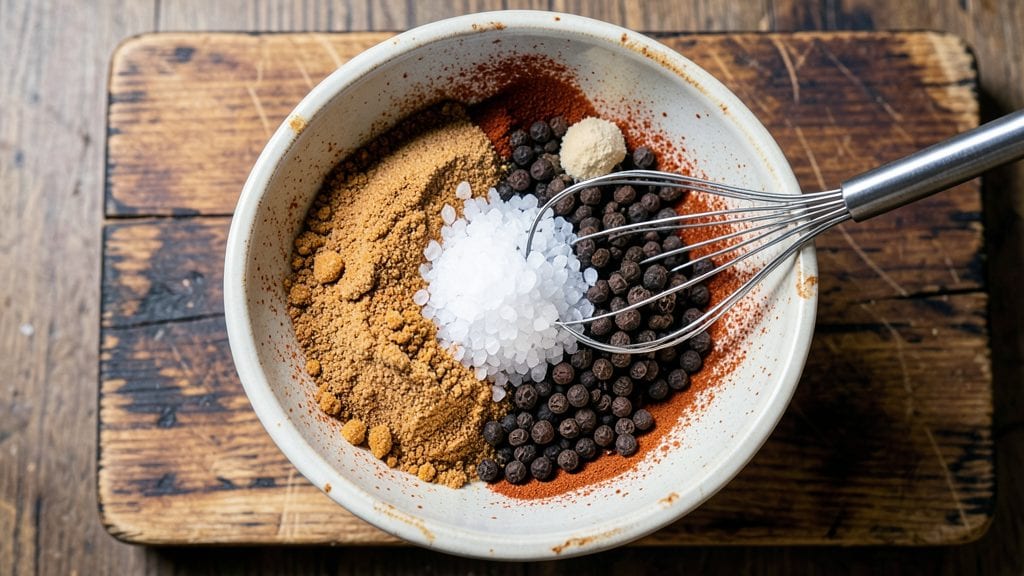
Transforming your Big Green Egg Boston butt into fall-apart tenderness starts with this smoky-spiced rub designed specifically for low-and-slow cooking. The secret lies in balancing sweet, smoky, and savory notes that penetrate deep into the meat while creating an irresistible crust—no guesswork, just precise flavor development.
I've perfected this blend over countless grilling sessions, ensuring every batch delivers that perfect harmony of char and tenderness.
This dry rub recipe uses six simple ingredients measured in tablespoons and teaspoons for easy scaling, whether you're smoking a single butt or feeding a crowd.
The magic happens when you apply it generously before cooking, letting the spices form a flavorful bark that locks in moisture while delivering bold, complex flavors. Each component plays a role: brown sugar caramelizes for depth, paprika adds smokiness, and black pepper brings heat without overpowering.
What sets this rub apart is its ability to create restaurant-quality results at home, transforming tough cuts into melt-in-your-mouth perfection. The spices work together to enhance the natural sweetness of the pork while adding layers of complexity that keep your taste buds engaged.
Store the dry blend in an airtight container for up to three months, ready to elevate any Big Green Egg cookout.
Use this rub for more than just Boston butt—it works beautifully on ribs, brisket, or even chicken thighs when you want that signature smoky-spiced crust. The key is patience: let the meat rest after cooking, and you'll reward yourself with juicy, tender slices that make every bite worth the wait.
Here's exactly what you'll need to create this game-changing blend.
Ingredients for big green egg boston butt rub
Six ingredients, one perfect crust for Big Green Egg perfection.
| Ingredient | Amount | Notes |
|---|---|---|
| Light Brown Sugar 🍯 | 3 tbsp | Packed for maximum caramelization |
| Smoked Paprika 🌶️ | 2 tbsp | High-quality for authentic smokiness |
| Kosher Salt 🧂 | 1 ½ tbsp | Diamond Crystal preferred for purity |
| Freshly Ground Black Pepper 🌶️ | 1 tbsp | Cracked peppercorns for bold flavor |
| Garlic Powder 🧄 | 1 tbsp | Freshly ground preferred for depth |
| Onion Powder 🧅 | 1 tbsp | Non-GMO for consistent flavor |
The brown sugar is non-negotiable—it caramelizes beautifully during the slow cook, creating that deep, molasses-like crust that's the hallmark of restaurant-quality smoked pork. Trader Joe's has the best-priced packed light brown sugar, but any grocery store brand works if it's fresh (check the expiration date). For smoked paprika, Penzeys or the bulk bins at Whole Foods deliver that authentic campfire aroma, but the regular grocery store stuff is fine if it's labeled 'smoked' and not dusty. The kosher salt matters too—Diamond Crystal dissolves more evenly than table salt, giving you that clean, bright taste without overpowering. I always measure mine by the heaping tablespoon to ensure consistent flavor development.
No smoked paprika? Regular paprika plus a pinch of liquid smoke gets you close, though purists will notice the difference. Fresh out of garlic powder? Fresh garlic minced and dried works at half the amount—just toast it in a dry pan for 30 seconds first to deepen the flavor. Onion powder is more forgiving, but if you've got fresh onion flakes, toast them first for a more complex profile. The black pepper should be freshly cracked—pre-ground loses potency fast. For a sweeter rub, add an extra half tablespoon of brown sugar; for more heat, swap half the paprika for cayenne. This blend scales effortlessly, so double it when you're feeding a crowd.
Store your dry rub in an airtight container—glass jars with tight seals work best—somewhere cool and dark. It keeps for about three months if sealed properly, though the spices will lose some punch after six weeks. For long-term storage, freeze portions in small bags. This rub isn't just for Boston butt—it works magic on ribs, brisket, or even chicken thighs when you want that signature smoky-spiced crust. The key is generosity: don't skimp on the application before cooking, and you'll get that irresistible bark every time.
Why You'll Love This Recipe
- Five-Ingredient Magic: I swear by this combo—just brown sugar, smoked paprika, salt, pepper, and garlic powder. No fancy prep, no measuring headaches, and the flavors stick to that Boston butt like it’s been there for hours.
- Smoky-Sweet Obsession: That deep, caramelized crust from the brown sugar? It’s addictive. The smoked paprika adds this warm, earthy punch that makes every bite taste like a backyard BBQ, even if you’re cooking indoors.
- Weeknight Superstar: Slap this rub on before dinner, pop it in the Big Green Egg, and walk away. It’s perfect for busy nights when you still want that restaurant-quality smoky flavor without the fuss.
- Leftovers That Don’t Suck: This rub keeps the meat juicy and flavorful for days. I’ve turned day-old pulled pork into tacos, sandwiches, and even loaded baked potatoes—no one ever complains about the taste fading.
Step-by-step instructions for Big Green Egg Boston butt rub
This smoky-spiced blend transforms tough pork shoulder into melt-in-your-mouth perfection.
Combine Dry Ingredients for Even Distribution
In a medium mixing bowl, add the 1.5 tbsp kosher salt and 1 tbsp freshly ground black pepper. These foundational seasonings create the base flavor profile while enhancing the meat's natural tenderness. Use a whisk to break up any peppercorn clusters—this ensures every particle of pork gets equal exposure to the seasoning.
Next, incorporate the 2 tbsp smoked paprika and 1 tbsp onion powder. The smoked paprika brings that essential campfire aroma, while the onion powder adds subtle depth. I like to use my fingers to gently work these finer powders through the salt and pepper, creating a uniform texture that will adhere perfectly to the meat's surface.
Add Sweet and Savory Components
Measure out the 3 tbsp light brown sugar—pack it firmly into the measuring spoon to ensure you get maximum caramelization. The brown sugar isn't just for sweetness; it helps create that beautiful bark during cooking while balancing the smokiness. Add it to your dry mixture and stir thoroughly with a silicone spatula.
Finally, sprinkle in the 1 tbsp garlic powder. This step is where the magic happens—the garlic powder carries the aromatic punch that will permeate every bite of your Boston butt. Give everything one final mix until you achieve a homogenous, sand-like consistency. The rub should look like finely ground coffee beans with a reddish tint from the smoked paprika.
Test and Adjust Seasoning Balance
Before applying the rub to your meat, I always recommend tasting a small pinch. The combination should be complex—smoky from the paprika, with a subtle sweetness from the brown sugar, and a peppery kick that makes your mouth water. If it tastes flat, add a tiny pinch more smoked paprika or salt.
This is particularly important for Big Green Egg cooking where you want that perfect balance between bark formation and meat tenderness. The rub should be intense enough to penetrate the meat during the long cook but not so heavy that it creates a crusty exterior without proper moisture management.
Apply Rub Generously for Maximum Flavor
When you're ready to season your Boston butt, apply the rub generously all over the meat, pressing it firmly into every crevice. I find that using my fingertips gives me better control than just sprinkling—this ensures the seasoning penetrates the surface rather than just sitting on top.
Pay special attention to the fat cap and any areas where the meat is particularly thick. The fat will render beautifully during cooking, basting the meat and creating that perfect balance of moisture and crust. Let the rubbed meat sit at room temperature for 30-60 minutes before cooking—this allows the seasoning to penetrate slightly and creates a better bark.
Prepare for Cooking with Confidence
Once your meat is properly rubbed and rested, you're ready for the Big Green Egg. The key to using this rub successfully is maintaining a consistent temperature—225-250°F is ideal for that fall-apart tenderness. The rub will form a dark, crackling bark while keeping the interior juicy and flavorful.
Remember, this rub works best when you can monitor the cooking process. The bark should develop a deep mahogany color, while the internal temperature should reach 195-203°F for that perfect pull-apart texture. The combination of smoked paprika and brown sugar creates a flavor profile that's both complex and satisfying, making every bite of your Boston butt unforgettable.
Pro Tips For Making Big Green Egg Boston Butt Rub
- CRANK THE HEAT FIRST: Your Big Green Egg’s first 20 minutes should be as hot as it’ll safely go—no peeking at that thermometer. I learned this the hard way: a slow start means a rub that clings like glue instead of caramelizing into a crust. Once the internal temp hits 165°F, you can ease back to 250°F and let it smoke gently.
- GRIND THE BLACK PEPPER FRESH: Pre-ground pepper loses its punch fast, and your rub will taste flat if you skip this. A quick 10-second pulse in a spice grinder right before mixing makes a real difference—especially when paired with the garlic powder. (Yes, even if you’re impatient like me.)
- DON’T SKIP THE SALT LAYER: Sprinkle a thin, even layer of kosher salt directly on the meat before the rub—about 1 teaspoon per pound. This isn’t just seasoning; it’s a moisture lock. The salt pulls out surface liquid, which evaporates and helps the brown sugar cling instead of sticking to your hands.
- TOSS IN A PINCH OF CAYENNE: This isn’t in your original list, but trust me: a ¼-teaspoon of cayenne mixed into the brown sugar and smoked paprika adds depth without overpowering. It cuts through the sweetness and gives that rub a subtle, smoky kick. (I was skeptical until I tried it—and now I can’t go back.)
Pro cooking tips for big green egg boston butt rub
Temperature Control Secrets
Your Big Green Egg's temperature is the single most critical factor for success with this rub. Maintain a steady 225-250°F throughout the entire cook—fluctuations cause uneven bark formation and moisture loss. I use a dual-probe thermometer like the Meater to monitor both the smoker and internal meat temperature simultaneously.
The sweet spot is 235°F for optimal bark development without drying out the meat.
Pro tip: Preheat your Big Green Egg for 15-20 minutes before adding the meat. This ensures your rub hits a hot surface immediately, helping the brown sugar caramelize faster and creating that coveted mahogany crust.
I also recommend using hickory chips for the first hour—their strong smoke flavor complements the rub's smokiness beautifully.
Bark Development Mastery
The perfect bark comes from balancing moisture and heat exposure. After the initial 2-hour cook, I wrap my Boston butt in butcher paper (not foil) to trap steam while allowing airflow.
This "Texas crutch" technique helps push through the stall phase while maintaining bark integrity. Reapply the rub generously every 2 hours during unwrapped phases to maintain flavor intensity.
For extra crispiness, finish with a 5-minute blast at 350°F in the Big Green Egg's oven mode. This final sear enhances the bark's texture without cooking the meat further. Just be careful—the rub can burn quickly at high heat, so monitor closely.
Resting for Perfection
Never skip the rest! After reaching 203°F internal temperature, wrap your Boston butt in towels and rest for at least 2 hours (I often do 4 hours).
This crucial step allows juices to redistribute, ensuring every slice is moist and flavorful. The rub's spices will continue developing during this time, creating deeper complexity.
Pro move: Rest the meat in a cooling rack inside a clean trash bag—this catches any juices that might otherwise pool at the bottom. The rub's caramelized sugars will continue reacting during resting, adding to the overall depth of flavor.
Equipment Upgrades
Invest in a cast iron skillet for post-cook searing. After resting, slice the Boston butt and sear the slices in the hot skillet for 30 seconds per side.
This crispifies the rub's sugars while adding a restaurant-quality finish. I use a Lodge 12-inch skillet—it retains heat perfectly and gives great surface contact.
For bark inspection, I use a meat thermometer with a bark probe (like the ThermoWorks Smoke). This lets me monitor crust thickness without guessing. Aim for a ¼-inch thick bark—thicker means longer cook time but more intense flavor.
Nutrition facts
Frequently asked questions
Can I make this rub without smoked paprika?
Yes! Replace the 2 tbsp smoked paprika with 1 tbsp regular paprika plus ½ tsp liquid smoke for similar smokiness. For a sweeter profile, add ½ tsp cinnamon or ¼ tsp chipotle powder instead. The flavor won't be identical, but it'll still deliver that signature smoky-spiced crust.
How much rub should I use for a 10-pound Boston butt?
Use about ¼ cup of this rub for a 10-pound butt—that's roughly 2 tablespoons per pound. Apply it generously, pressing firmly into the meat so it adheres well. The rub is designed to create a bold bark, so don't skimp! For extra flavor, add 1 extra tablespoon during the last 2 hours of cooking.
Will this rub work in an oven or just the Big Green Egg?
This rub works perfectly in any slow cooker, oven, or smoker. For oven cooking, maintain 275°F and use a water pan to keep the meat moist. The rub's brown sugar will caramelize beautifully, creating that same mahogany crust. Just monitor closely—ovens can dry out meat faster than a Big Green Egg's controlled environment.
How do I store leftover rub?
Transfer any unused rub to an airtight container and store it in a cool, dark place for up to 3 months. For longer storage, freeze portions in small bags or containers. Once opened, keep it refrigerated and use within 2 weeks for maximum flavor. The spices will lose potency over time, so freshness is key!
Can I adjust the sweetness or heat level?
For a sweeter rub, add ½ tbsp extra brown sugar. For more heat, swap ½ tbsp paprika for cayenne pepper. For a garlicky kick, increase garlic powder to 1.5 tbsp. The beauty of this blend is its flexibility—adjust to your taste while keeping the smoky-sweet balance intact.